
Fall is the secret planting season in Texas, when cooler air and warm soil help new shrubs grow strong roots before the next scorching summer. Pick the right shrubs now, and you can skip a lot of watering, pruning, and replanting later.
The ten tough plants below handle Texas heat, poor soil, and water restrictions while still looking sharp. Each one earns its spot for a different reason, so you can match the right shrub to the right corner of your yard.
1. Texas Sage (Cenizo)
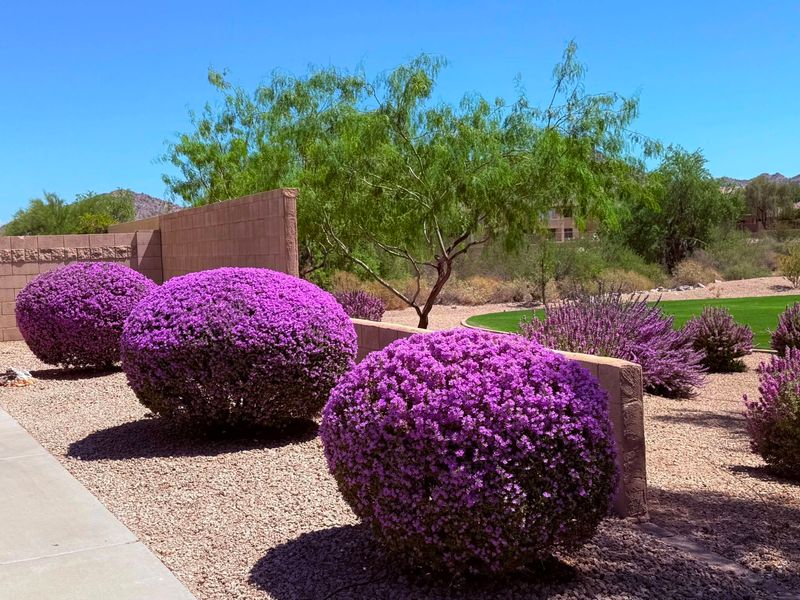
Old-timers call it the barometer bush, because cenizo tends to burst into purple flowers right after a good rain. That habit alone makes it fun to own.
One day it is quiet silver foliage, and the next it looks like someone painted it lavender.
Cenizo is native to Texas and laughs at drought once it is settled in. Its fuzzy gray leaves reflect sunlight, which helps it handle triple-digit afternoons without wilting.
Give it full sun and soil that drains well, and it asks for almost nothing else.
The biggest mistake people make is loving it too much. Extra water and rich soil can make it leggy or cause root rot.
Skip the fertilizer, water deeply only during its first summer, and let it do its thing along a driveway, a sunny fence line, or a hot west-facing bed.
2. Dwarf Yaupon Holly
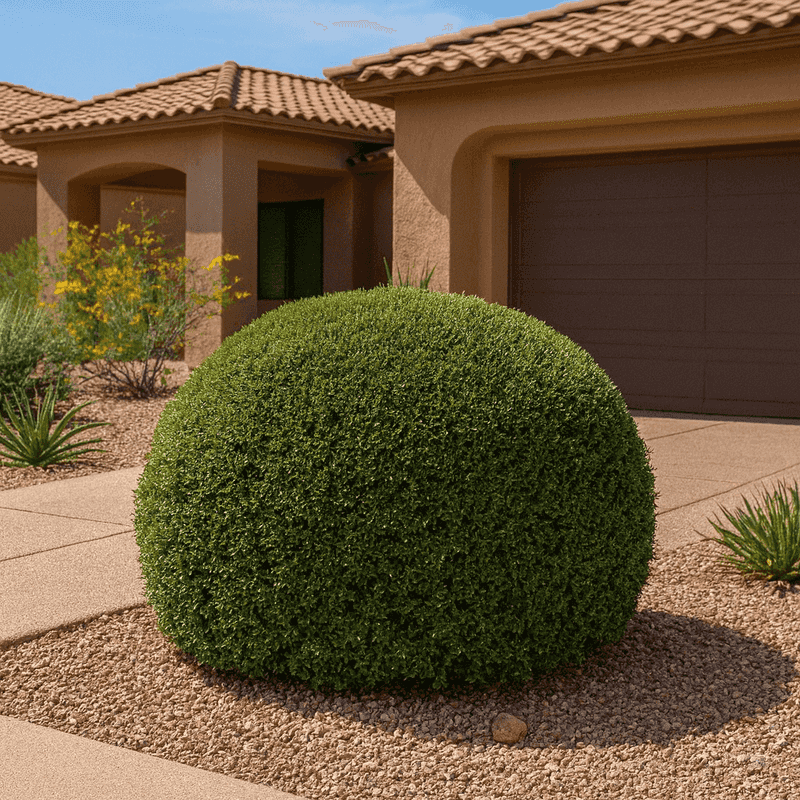
Picture a boxwood that never sulks in August. Dwarf yaupon holly fills that role beautifully, giving you a tidy, rounded evergreen that stays compact without constant shearing.
Yaupon is native across much of East and Central Texas, so it already knows how to cope with clay, sand, heat, and dry spells. Most dwarf types top out around three to four feet.
That means foundation beds stay neat for years with maybe one light trim a season.
Here is a bit of history worth knowing: yaupon is the only plant native to North America that contains caffeine, and Native peoples brewed its leaves into tea. Today it shines as a low hedge, a border along a walkway, or a clean frame for a front porch.
Plant it in sun or part shade and water regularly through its first year.
3. Turk’s Cap
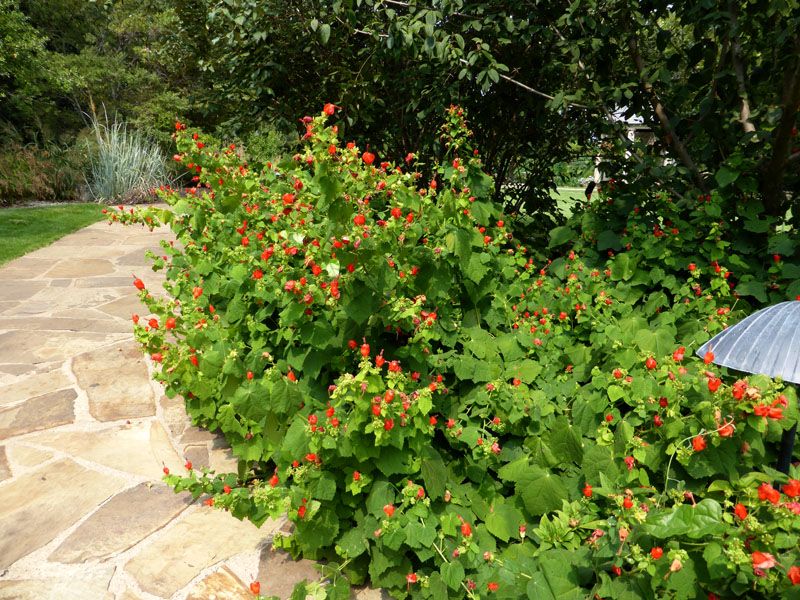
Shady spots under live oaks can feel like a dead zone for flowers. Turk’s cap changes that.
Its little red blooms look like tiny swirled turbans, and hummingbirds zip in for them from summer through fall.
This Texas native grows happily in sun or shade, which is rare for a flowering shrub. It handles dry spells, tolerates heavy soil, and bounces back fast after a freeze knocks it down.
In most of the state, you simply cut the old stems back in late winter and wait for spring regrowth.
Butterflies visit too, and birds may nibble the small red fruits in fall. If you want a shade bed that feels alive and busy without fussing over it, this is the one to plant.
Give it room, since it can spread three to five feet wide.
4. Flame Acanthus
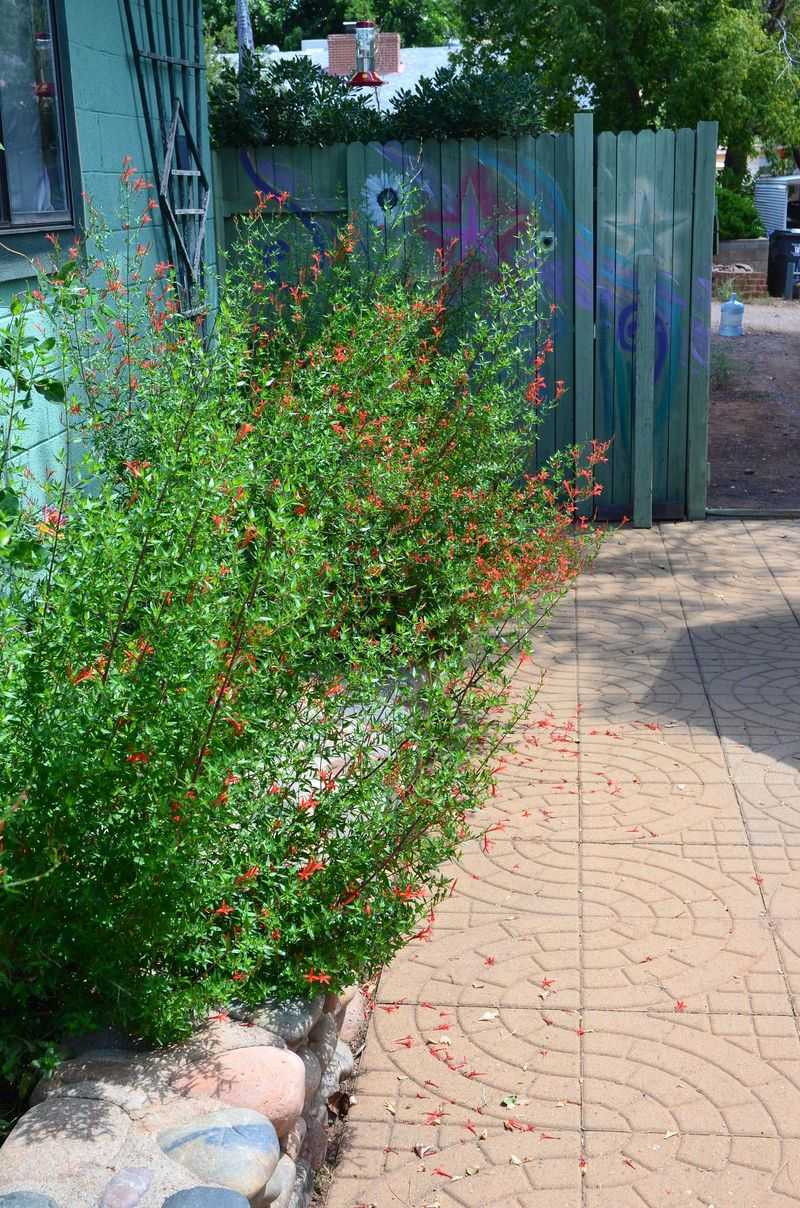
Hot, rocky, forgotten corner? Flame acanthus was practically made for it.
This Hill Country native covers itself in skinny orange-red tubular flowers from midsummer into fall, right when many plants give up.
Hummingbirds treat it like a refueling station during fall migration. That timing makes it a smart choice for anyone who wants a lively yard in September and October.
Once rooted, it can get by on very little supplemental water.
Maintenance is simple. Cut it back hard in late winter to keep it full and bushy, and you are done for the year.
It works well in xeriscapes, along curbs that bake in reflected heat, or in wildlife beds where you want color with zero babysitting.
5. Texas Mountain Laurel
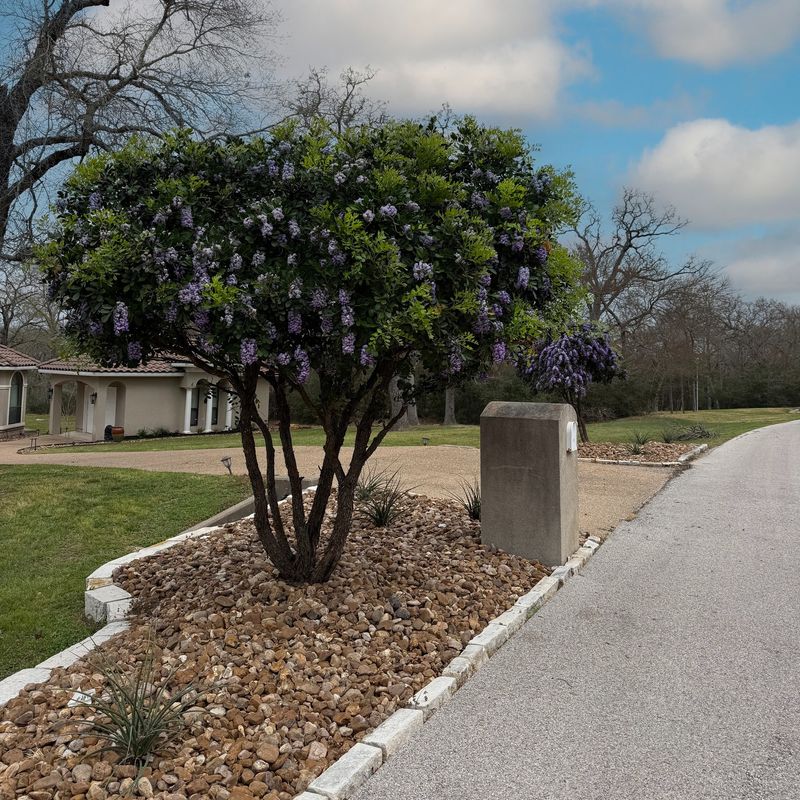
Walk past a Texas mountain laurel in early spring and you might swear someone spilled grape soda nearby. The purple flower clusters smell surprisingly like grape candy, and they make neighbors stop and ask what you planted.
Glossy evergreen leaves keep it handsome all year. It grows slowly into a large shrub or small tree, so you will not be chasing it with pruners.
It thrives in alkaline, rocky soil and handles drought like the Hill Country native it is.
A word of caution: the bright red seeds are toxic, so keep that in mind if you have curious kids or pets. Plant it in full sun with excellent drainage.
Fall planting gives its slow roots a helpful head start before summer heat arrives.
6. American Beautyberry
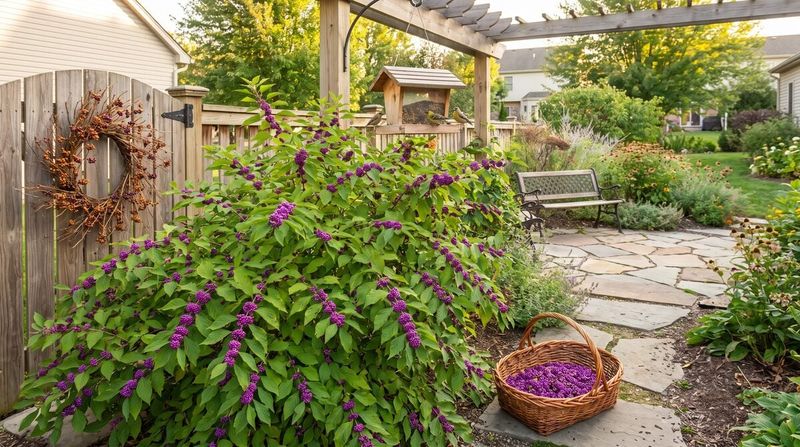
Few things in a fall yard look as unreal as beautyberry. Clusters of shocking magenta berries wrap around its arching stems, almost like a florist glued them on.
Native to East Texas and much of the South, beautyberry handles part shade and average soil with ease. Mockingbirds, cardinals, and other songbirds may feast on the berries well into winter.
That makes it a strong pick for anyone building a bird-friendly backyard.
Care takes almost no thought. Many gardeners cut it back in late winter since it blooms and fruits on new growth.
Tuck it along a wooded edge, a side yard, or a natural-style bed where its loose shape can relax. Water during long dry spells, especially in its first year.
7. Rock Rose (Pavonia)
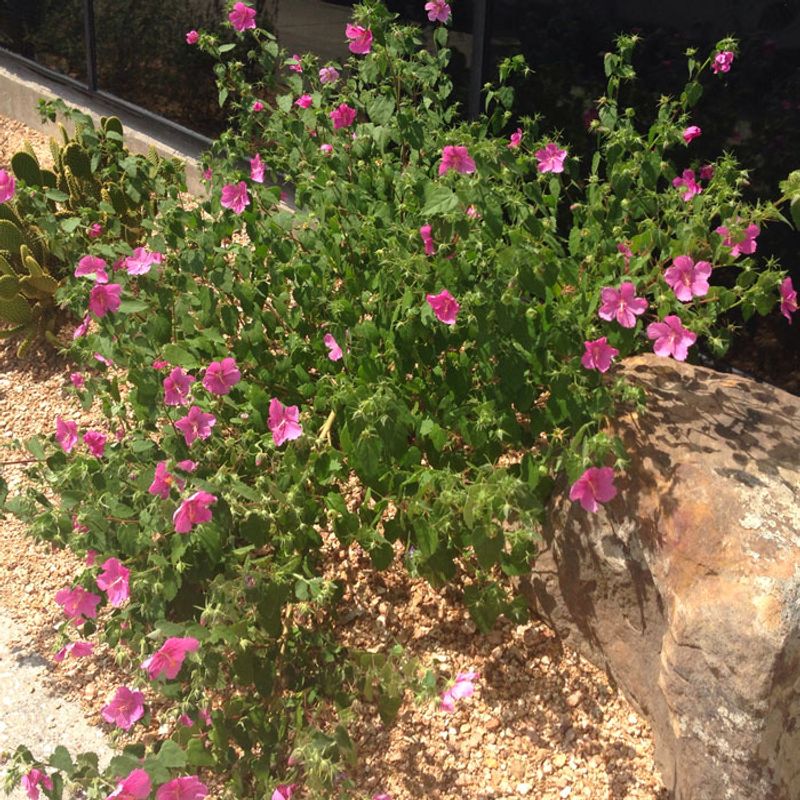
Small but cheerful, rock rose produces pink, hibiscus-like flowers that open fresh nearly every morning from spring to frost. It is a native of Central and South Texas, and it handles heat with an easygoing attitude.
Plants usually stay around two to three feet tall, which makes them handy for tight beds, mailbox plantings, and spots along sidewalks. Sun or light shade works.
It also reseeds a little, so you may find free baby plants popping up nearby.
A quick trim in late winter keeps it compact. Beyond that, water occasionally during brutal stretches and enjoy months of steady color.
Butterflies like it too, adding a little extra motion to sunny beds.
8. Autumn Sage (Salvia greggii)
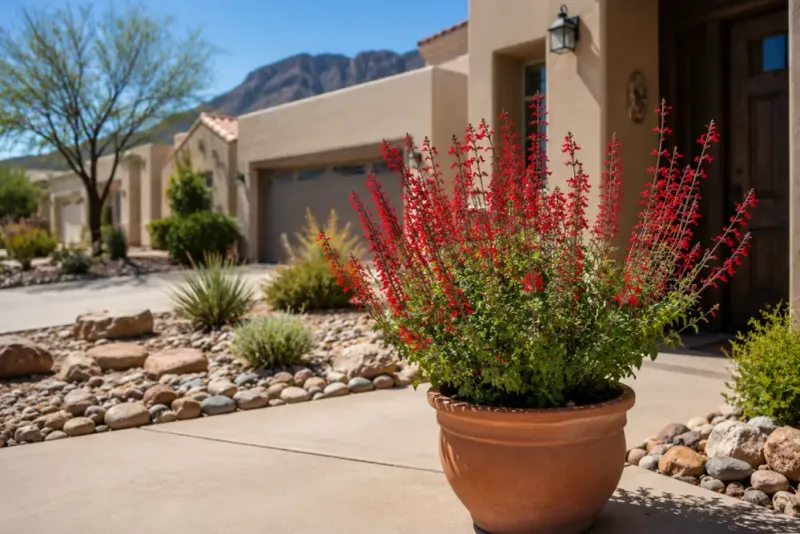
Ask a group of Texas gardeners for one bulletproof bloomer, and plenty will say salvia greggii. Autumn sage flowers in spring, takes a short break in peak heat, then puts on a big show again in fall.
Colors range from red and hot pink to coral, white, and purple. It stays a tidy two to three feet, loves full sun, and wants soil that drains fast.
Wet feet are about the only thing that truly bothers it.
Bees, butterflies, and hummingbirds visit constantly. A light shearing after each bloom flush keeps it dense, though skipping it will not hurt much.
Mix a few colors along a front border for curb appeal that keeps going for months.
9. Agarita
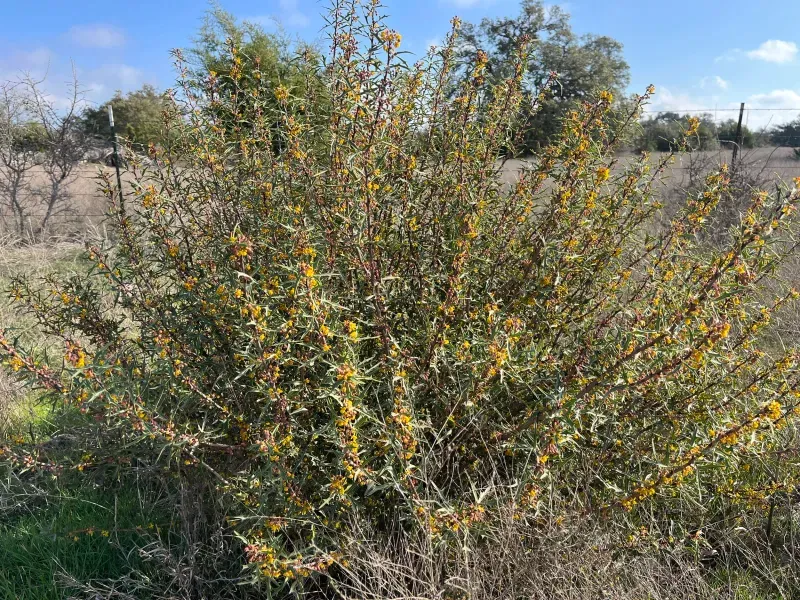
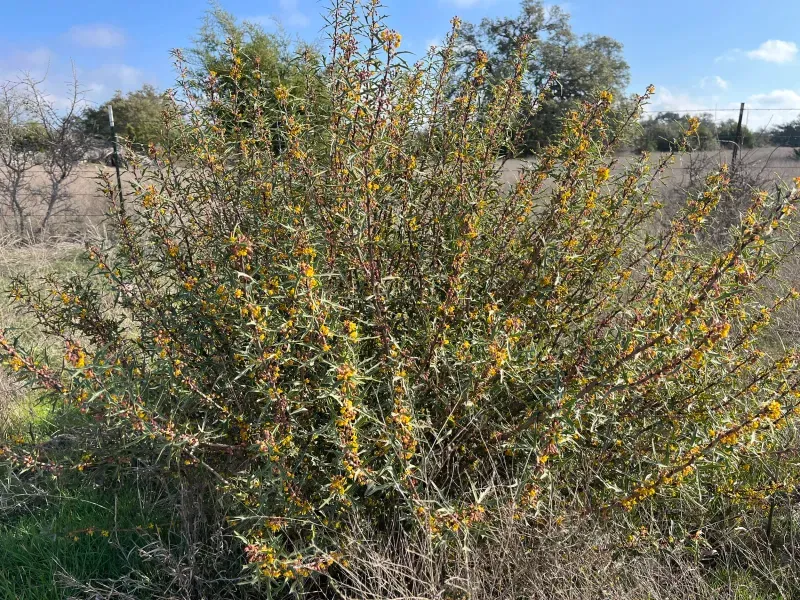
Need a shrub that doubles as a living security fence? Agarita has stiff, spiny, blue-gray leaves that discourage foot traffic and give birds a safe hiding place.
In late winter, it surprises everyone with sweet-scented yellow flowers, often one of the first bee foods of the year. Red berries follow in spring.
Pioneers reportedly made jelly from them, though picking around those spines takes patience.
Agarita is one of the toughest natives in Texas, handling rocky soil, heat, and drought with ease. It grows slowly, so plant it in fall and be patient.
Use it under windows, along property lines, or anywhere you want a tough, wildlife-friendly barrier that needs no pruning.
10. Dwarf Wax Myrtle
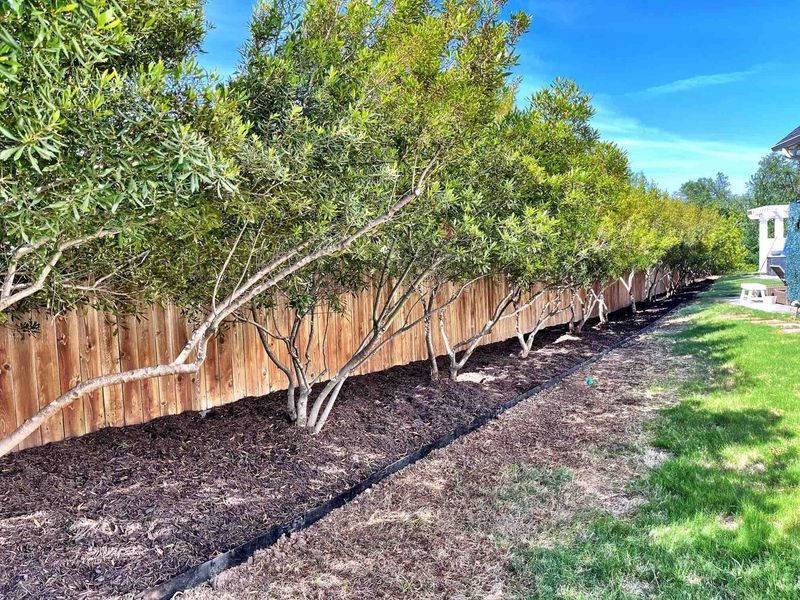
Gulf Coast yards face salty breezes, soggy soil after storms, and humid summers. Dwarf wax myrtle handles all three, which is why it shows up so often from Houston to Corpus Christi.
Its olive-green leaves stay on year-round and give off a pleasant spicy scent when brushed. Dwarf types grow into a soft, rounded screen around three to five feet tall.
That size works well for hiding AC units, softening fences, or creating a little backyard privacy.
Unlike many shrubs on this list, it tolerates both wet and dry conditions once settled. Birds may eat its waxy berries in winter.
Prune lightly if you want a cleaner look, or let it grow loose and natural.