
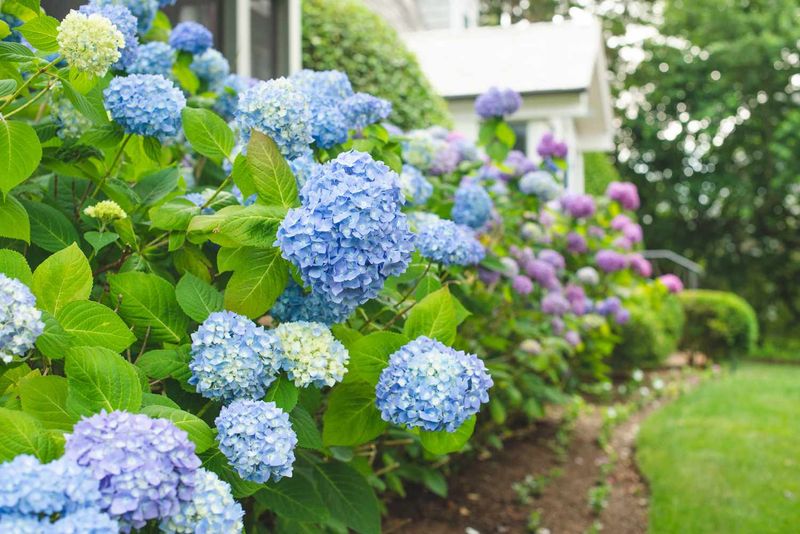
A hydrangea that grows lush green leaves but never shows a single flower can leave any gardener scratching their head. For many North Carolina yards, one late-summer habit makes the difference: whether the pruners come out or stay in the shed.
The answer depends on which kind of hydrangea you have. Here is how to tell, and what to do before the season winds down.
Identify the hydrangea before you prune
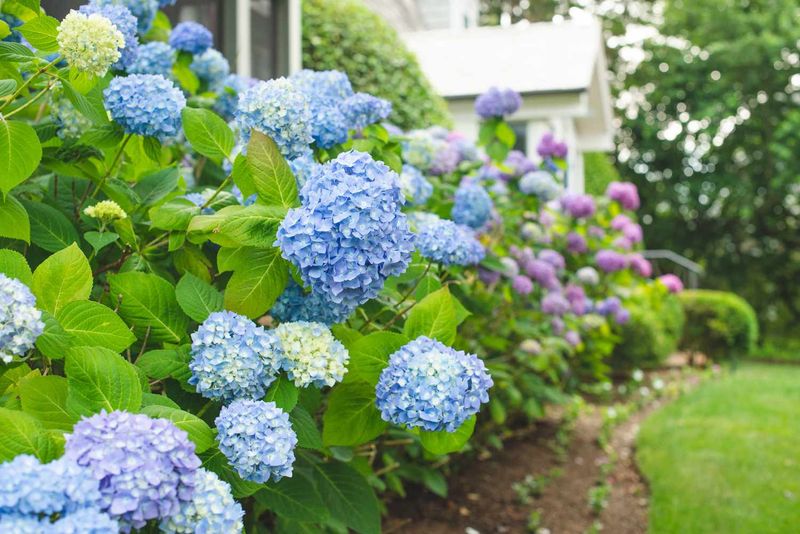
Pruning advice for hydrangeas depends on how each type sets its flowers, not on a single date on the calendar. Treating every shrub in the yard the same is how well-meaning gardeners end up cutting off the flowers they were hoping to see.
Start by sorting your plant into one of two groups. Bigleaf hydrangeas (Hydrangea macrophylla), oakleaf hydrangeas (H. quercifolia), and mountain hydrangeas (H. serrata) bloom on old wood, which means stems that grew the year before the flowers open.
Smooth hydrangeas (H. arborescens) and panicle hydrangeas (H. paniculata) bloom on new growth. University of Maryland Extension’s pruning guide lays out this split, and it is the foundation for every pruning choice that follows.
The easiest way to identify your shrub is to look for the plastic tag that came with it or check your purchase receipt. Nursery listings and plant labels usually name the species or cultivar.
If the tag is long gone, compare your leaves and flowers with photos from a trusted source such as your county Cooperative Extension office. Many county centers will help identify a plant if you bring in a leaf and a flower cluster.
Plants inherited with a new house are the trickiest. In that case, do not guess and cut.
Watch the shrub through a full season, note when and where it flowers, and take photos. N.C.
Cooperative Extension in Macon County also stresses that timing depends on the type, so a little patience and a few photos can save a season of flowers.
Why late-summer cuts can affect next summer’s flowers
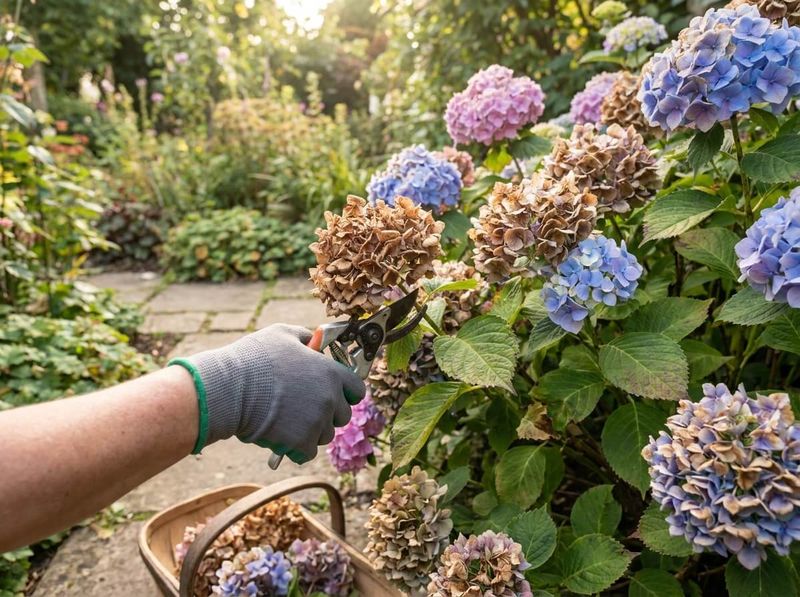
Old-wood hydrangeas plan ahead. They form next year’s flower buds on stems that grow during the current season, then carry those buds through fall and winter.
If you cut a live stem after the buds have started forming, you may be trimming away next summer’s flowers.
That is why the timing matters so much. NC State Extension notes that bigleaf hydrangeas can lose their flower buds if pruned in fall or spring, and it recommends pruning right after flowering, before late-summer bud formation.
A quick correction to the idea of a spring show: hydrangeas generally flower in summer, not spring. According to the NC State Plant Toolbox, some bloom as early as June in the Piedmont, while others open later.
Timing shifts with the type, the cultivar, and where you live, from the mountains to the coast.
August itself is not the villain. A hydrangea will not skip flowers simply because the calendar says August.
The risk comes from cutting stems that already carry or are forming buds. Dead, broken, or damaged wood is a different matter, since there are no buds to lose on a stem that is no longer alive.
For old-wood types, stop cutting live stems
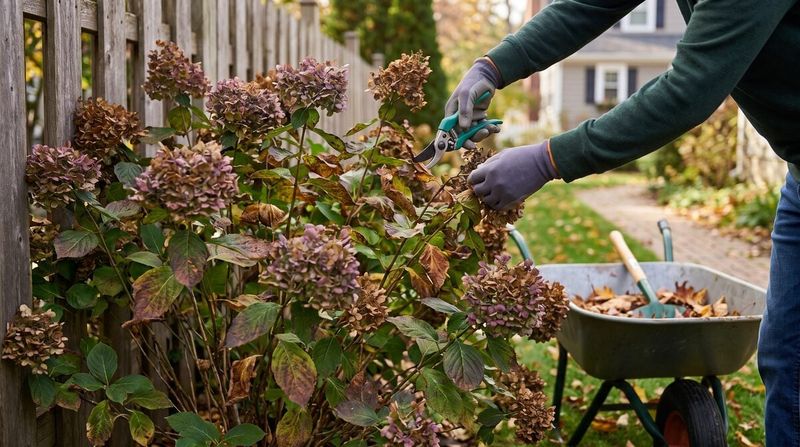
Once late summer arrives, the safest move for bigleaf, oakleaf, and mountain hydrangeas is to leave live stems alone. Bud formation is underway or close to it, and each cut could take potential flowers with it.
If you are unsure of the type or timing, leaving the shrub unpruned is the safer choice for next summer’s flowers.
Any shaping that your shrub truly needs is best done soon after it finishes flowering, before new buds form. N.C.
Cooperative Extension recommends pruning immediately after flowering. Some guidance uses a date as a reference point.
For example, UGA Extension gives an August 1 cutoff for bigleaf hydrangeas. Treat a date like that as a local guardrail, not a statewide deadline.
Conditions in the mountains, Piedmont, and coastal plain differ.
Rebloomers deserve a note. Some bigleaf cultivars flower on both old and new wood, so they can still bloom on new growth if old-wood buds are lost.
That does not make late pruning harmless. University of Maryland Extension explains that pruning can reduce or delay the first flush of flowers or shorten the reblooming period.
Finally, relax about chores. Hydrangeas do not need heavy yearly pruning, and deadheading is optional.
Snipping spent blooms is mostly about looks, not plant health, so on old-wood types keep any late-season cuts light, or skip them entirely.
New-wood hydrangeas follow a different schedule
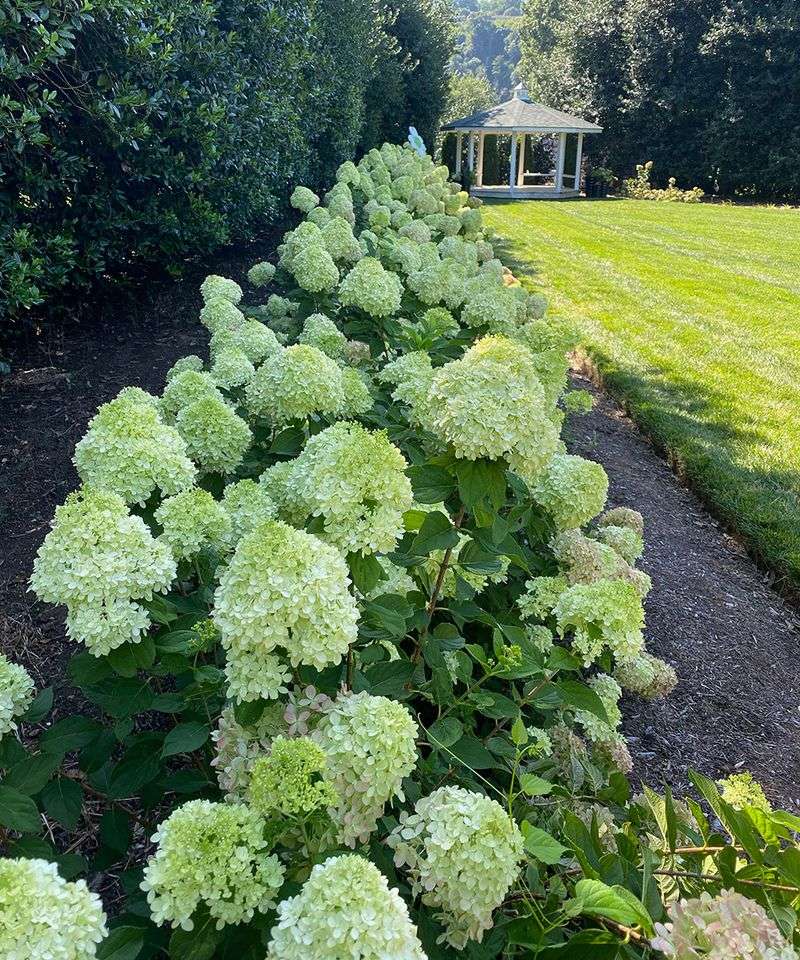
Here is the good news for owners of smooth and panicle hydrangeas: your shrubs set flowers on new growth, so the late-summer worry mostly does not apply. Their buds form on stems that grow in the same season they bloom, which gives you more freedom.
Late winter or early spring is generally the right window for pruning these types, according to N.C. Cooperative Extension in Macon County.
Cutting then happens before the new growth that will carry the flowers. University of Maryland Extension also groups smooth and panicle hydrangeas as new-growth bloomers.
Common smooth hydrangeas, described in the NC State Plant Toolbox entry, are a good example of this group.
Even so, a light touch is the rule. These shrubs do not need heavy annual cutting, and the sources do not lay out detailed instructions for every cultivar.
If you have a specific named variety, check its plant tag or ask your county Extension office before making big cuts.
The identification step still matters. A mixed planting of bigleaf and panicle hydrangeas on the same fence line is common, and each one follows its own schedule.
Label them with a stake or a note on your phone so you remember which is which when pruning season returns.
If flowers fail, consider more than pruning
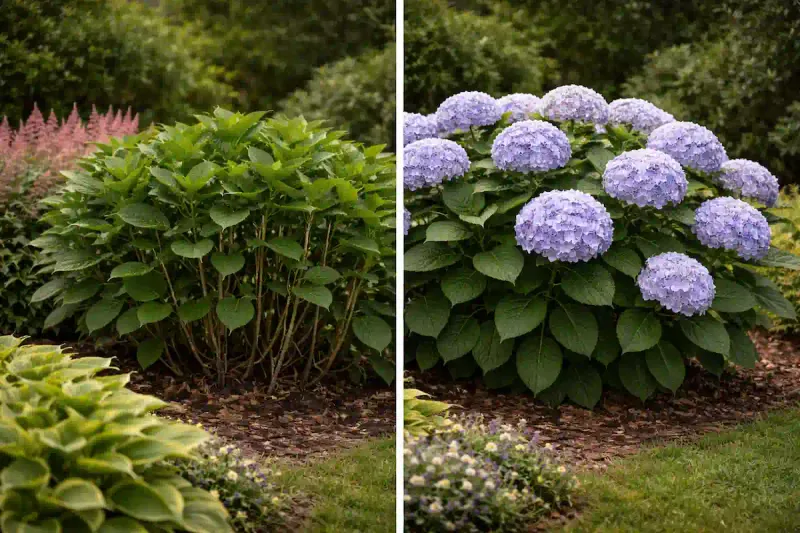
A flowerless hydrangea is frustrating, and it is tempting to blame a missed pruning step. Pruning at the wrong time is a common cause, but it is far from the only one.
Treat the following as possibilities to check, not a diagnosis.
For bigleaf hydrangeas with healthy leaves and no flowers, UGA Extension lists several culprits besides poorly timed pruning: winter or late-frost damage, too much shade, high-nitrogen fertilizer, and deer browsing. Each leaves its own clues.
Frost-damaged stems may look dead or blackened at the tips, shady plants stretch toward light, and heavily fertilized shrubs often put on lots of leafy growth. Deer leave ragged, torn stem ends.
Cold deserves special attention in North Carolina, where a warm spell can be followed by a hard freeze. NC State Extension notes that bigleaf flower buds may fail to form in cold weather or die after a sudden cold snap.
That can happen even when you pruned at exactly the right time.
If you suspect a problem, University of Maryland Extension’s problem guide is a useful place to compare symptoms.
Leaving stems intact protects the potential for buds, but it cannot guarantee flowers. Weather and growing conditions still get a vote.
Choose the safest late-summer action
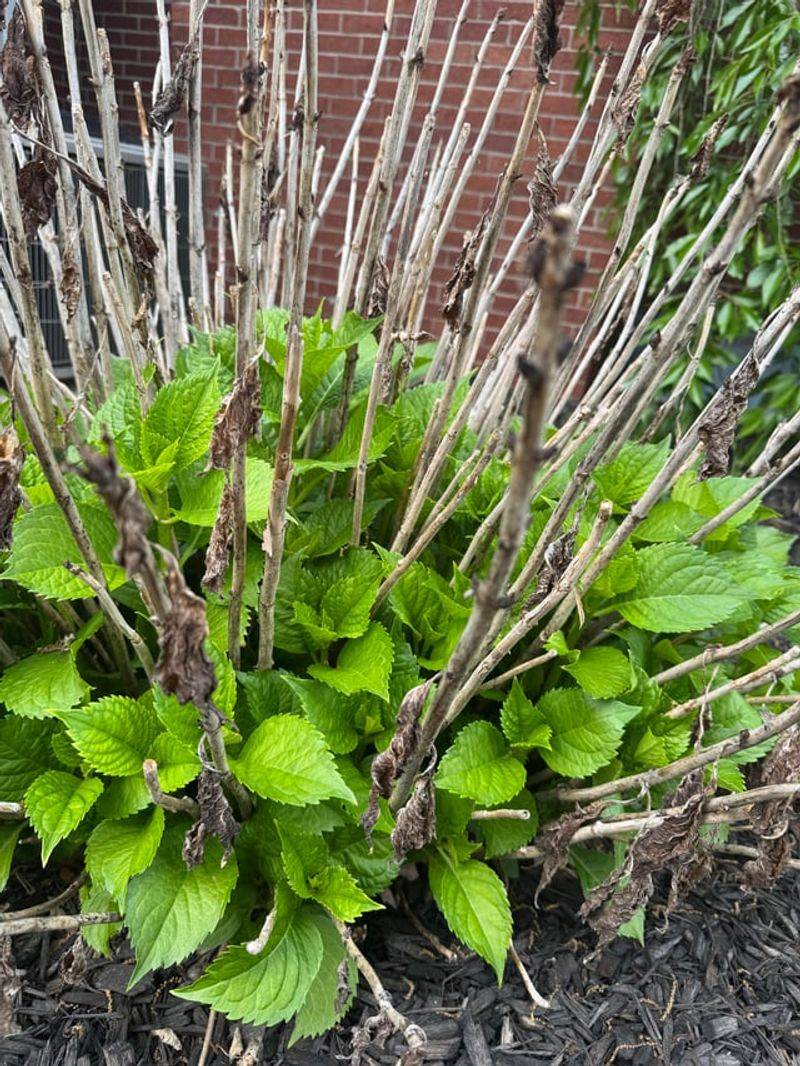
The decision rule is short. Identify your hydrangea first, leave live stems intact on bigleaf, oakleaf, and mountain types in late summer, and save pruning of smooth and panicle types for their late winter or early spring window, as N.C.
Cooperative Extension and University of Maryland Extension describe.
That approach can preserve potential flower buds, though it cannot ensure blooms. A hydrangea you left alone is a plant that still has a fair shot at next summer.