
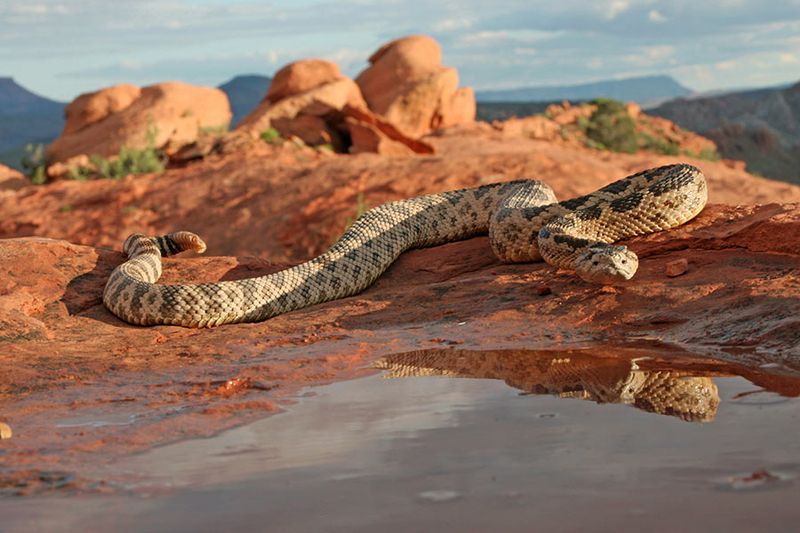
Walk past a thick evergreen hedge on a warm California evening and you may wonder what is tucked inside it. Dense shrubs can make it hard to see the ground, and that worries many people who garden in rattlesnake country.
The good news is that a few calm habits and some smart yard care can lower the odds of a surprise. Here is what dense cover really means, and what you can do about it.
Dense shrubs may provide cover, but no hedge is a proven snake magnet
Headlines love to name one shrub as the place rattlesnakes hide beside your walkway. The facts are less dramatic.
Dense vegetation can give a snake cover and make it hard to spot, but no particular California hedge has been shown to be a favorite refuge, and there is no proof that snakes commonly wait beside paths.
UC IPM rattlesnake guidance says resting rattlesnakes may use cover beneath dense vegetation, and it recommends removing suitable hiding places such as heavy brush. That advice is about the type of cover, not about one plant species.
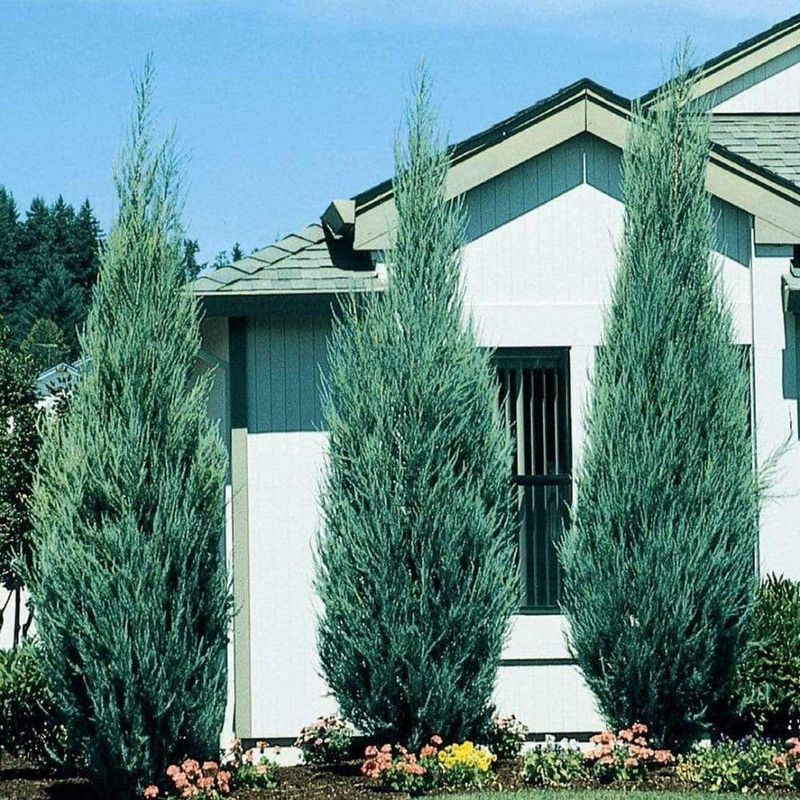
Juniper is a handy example because it is common in California landscapes. UC IPM describes junipers as evergreen groundcovers, shrubs, or trees, with size and form that vary by species and variety.
A low, spreading type can form a thick mat, while an upright type may be open at the base.
So think of juniper as a plausible example of thick growth, not a snake magnet. Cover alone does not mean a snake is present.
It simply means your view is blocked, and that is worth knowing when you work near a path.
How dense vegetation can make a snake hard to see
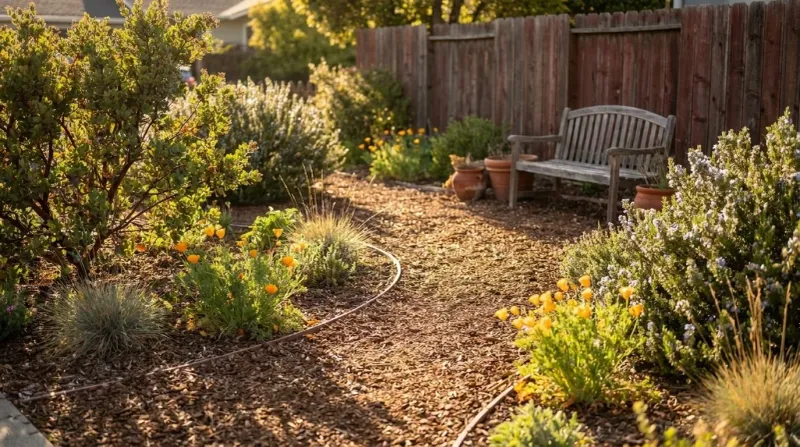
Picture a snake that wants to rest out of the sun. Thick foliage, a rock crevice, a log, or an old rodent burrow could all do the job.
According to UC IPM, rattlesnakes use a range of hiding places, and they also forage in brush and tall grass.
A dense shrub fits into that list, but it is only one item. The shaded, tangled space under thick branches can hide a coiled animal because your eyes simply cannot see through the leaves.
Low light and leaf litter make it even harder.
Here is the key distinction. Suitable cover is not evidence of a snake.
Most thick shrubs in California yards never shelter one, and a plant does not lure a snake by scent, color, or species appeal.
What the cover does is limit your ability to check. That is the practical concern.
If you cannot see the ground, you cannot rule out surprises, so slow down and look before you reach, step, or kneel.
California risk varies by location
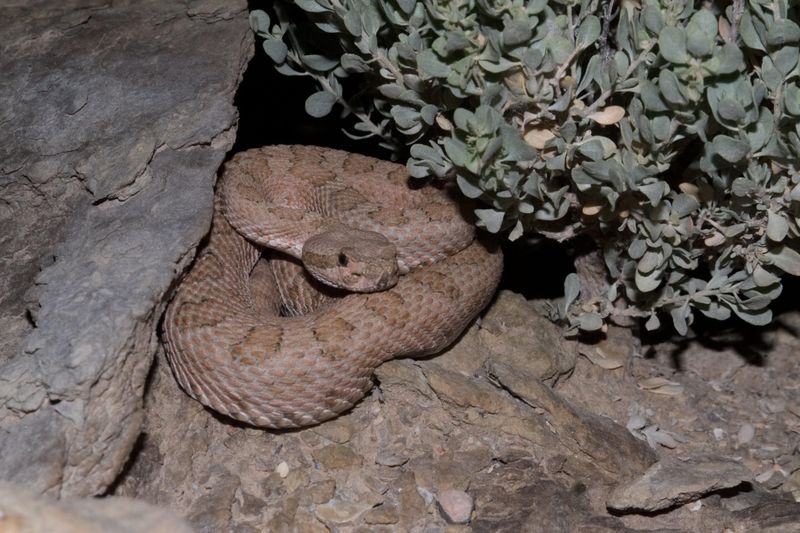
California is a big state with very different landscapes, and rattlesnake risk is not the same everywhere. The California Department of Fish and Wildlife reports seven rattlesnake species in the state, living in a wide range of habitats.
Where you live matters. A home backing onto chaparral or open foothills sits in a different setting than a downtown lot surrounded by pavement.
Species range, nearby habitat, and local conditions all play a part.
That means a dense hedge in one neighborhood may raise little concern, while a similar hedge near wild open space deserves a bit more attention. No one can give you a tidy number for your own odds, and it would be a mistake to guess.
A good starting point is to learn what is common near you. Local wildlife agencies, county resources, and neighbors who have lived in the area a long time can tell you whether rattlesnakes are regularly seen.
Then match your level of care to your surroundings.
Work around a walkway-side hedge cautiously
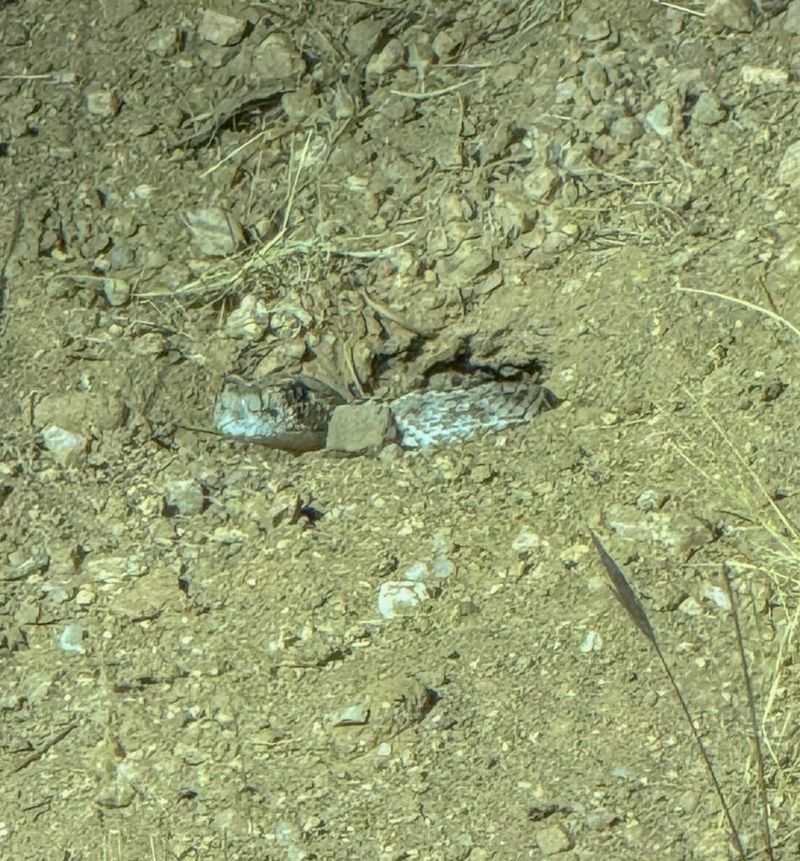
Trimming a hedge near a path is routine, and a few habits make it safer. Wear sturdy boots and long pants, and keep your eyes on the ground.
UC IPM advises caution when moving brush or debris, watching where you step, and taking care when kneeling.
Work in good light when you can, and look at the base of the shrub before you start. Use long-handled tools so your hands stay away from the dark interior.
A little distance gives you time to react.
Never reach blindly under dense growth or into hidden spaces. Do not rake or pull material out from beneath a shrub where something could be concealed.
Poking around is exactly how accidents happen.
If you see a snake, or suspect one is where you plan to work, stop and back away. Leave the job for later, keep children and pets clear, and call a professional who handles rattlesnake removal.
Your hedge can wait.
For more on this topic, see the UC IPM rattlesnake page.
Prune juniper selectively, not severely
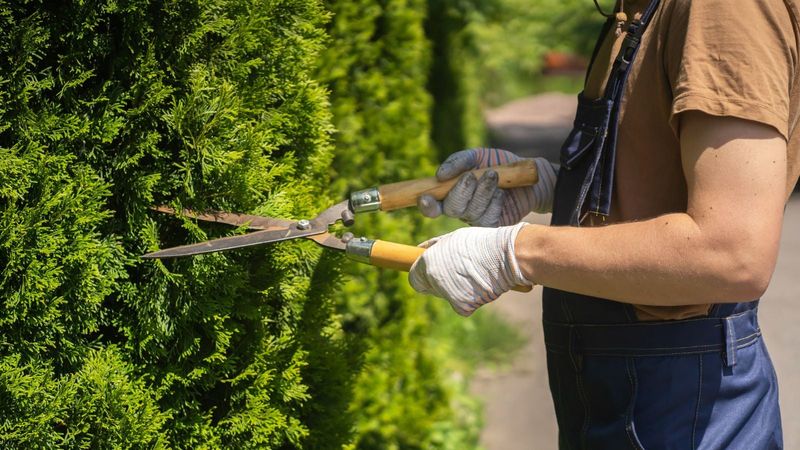
If a juniper has grown thick beside your path, you can thin it, but gentle is the rule. Junipers do not push out new growth from old, bare wood.
A hard cut into the brown interior can leave a permanent hole.
University of Georgia Extension advises against severe pruning of junipers. It favors selective thinning, or cutting a branch back to a lateral branch, instead of slicing deep into bare wood.
In practice, that means removing a few crowded or wayward branches at the point where they meet a side branch that still carries green foliage. Step back after each cut and look at the shape.
Stop when the shrub looks open but still full.
Plant types vary, so check whether yours is a spreading groundcover or an upright form. Each grows a little differently.
This is plant care, not a snake-proofing method. There is no proven height, clearance, or schedule that makes a hedge snake-proof, so prune for the health of the shrub and a better view of the ground.
Check the area first, and if you suspect a snake, leave the pruning alone.
Reduce other suitable cover and rodent habitat

One shrub is only part of the picture. UC IPM suggests making a yard less inviting by reducing hiding places, including heavy brush, tall grass, rocks, logs, and lumber piles.
Walk your property and look for those spots. Keep grass cut, move wood and lumber away from the house and paths, and clear piles of cuttings.
In fire-prone areas, much of this overlaps with defensible-space chores you may already do.
Rodent control matters too, because rattlesnakes may use rodent burrows and hunt the animals that live there. Seal food sources, keep pet food and bird seed tidy, and watch for burrow openings.
Think of these steps as ways to minimize potential hazards. They cannot promise that a snake will never cross your yard.
Skip the folk remedies. UC IPM says home remedies such as sulfur and mothballs do not work, and no plants are known to repel snakes.
Chemical repellents have not been proven effective enough to recommend, so put your effort into cover and rodents instead.
Keep your distance if you encounter a snake
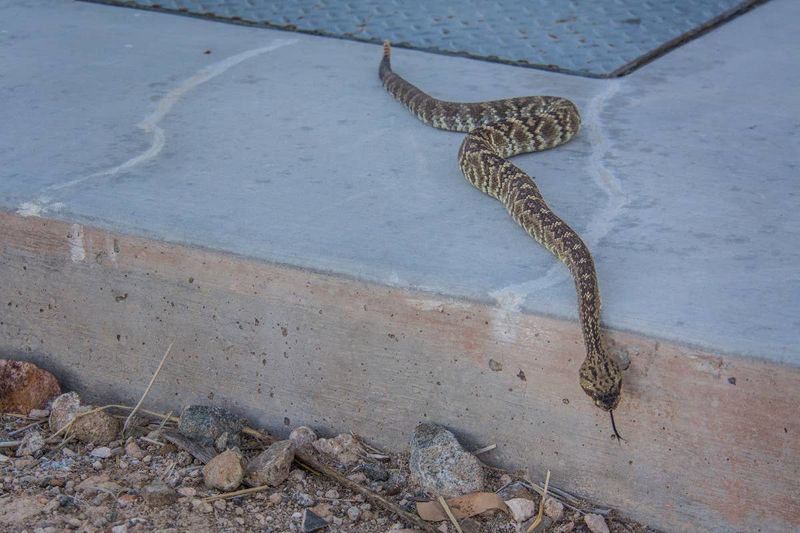
Most rattlesnakes would rather avoid you. The CDFW snake guidance notes they are generally not aggressive, and bites usually happen when a snake is accidentally touched or deliberately handled.
Still, a snake may not rattle before striking defensively, so do not count on a warning.
If you see one, freeze, then back away slowly and give it plenty of room. Keep kids and pets inside or well away.
Do not try to catch, move, or kill it, and do not handle one even if it looks dead.
If the snake needs to be removed, UC IPM points you toward a professional who handles rattlesnake removal. Many snakes simply move on if left alone.
If someone is bitten, get emergency medical care right away and call 911. California Poison Control gives the same advice and offers a hotline at 1-800-222-1222.
Stay calm, keep the person still, and let the professionals take over.
Aim for less cover, not a snake-proof yard
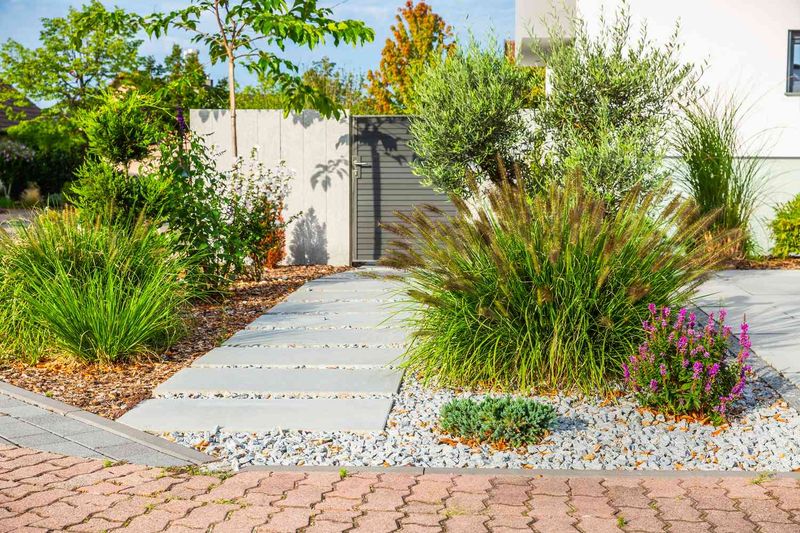
Treat thick growth as a possible blind spot, and look before you step. Prune juniper lightly when it needs it, and trim back other tall or crowded cover, as UC IPM suggests, but leave any area with a suspected snake alone.
These habits can cut down hazards, yet no yard is ever guaranteed snake-free. A clear view of the ground is the best tool you have.