
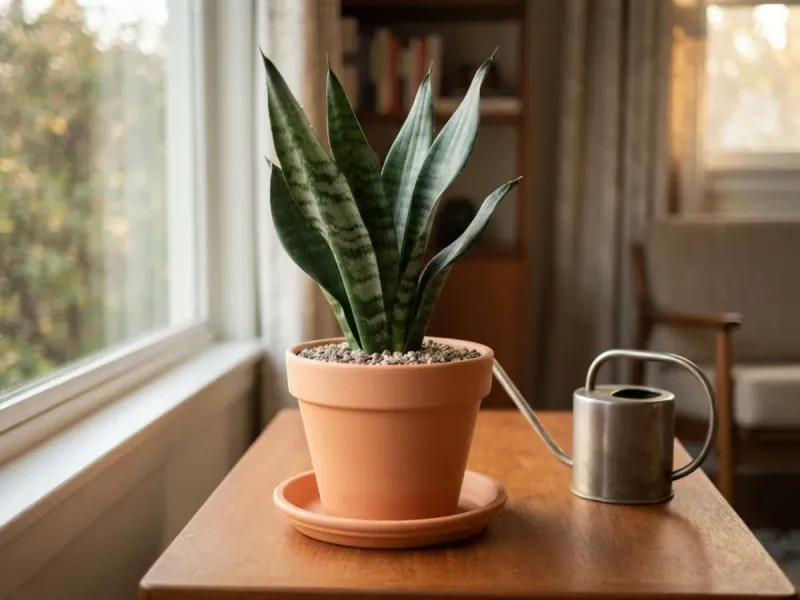
Snake plants are tough, but winter can trip up even careful plant owners. Shorter days and cooler rooms slow the plant down, and the soil stays wet much longer than you might expect.
A quick soil check can save you from a lot of guesswork. Here is a simple routine that fits real homes, from a sunny Florida window to a cool Texas spare room.
Winter means less water, not a guaranteed calendar
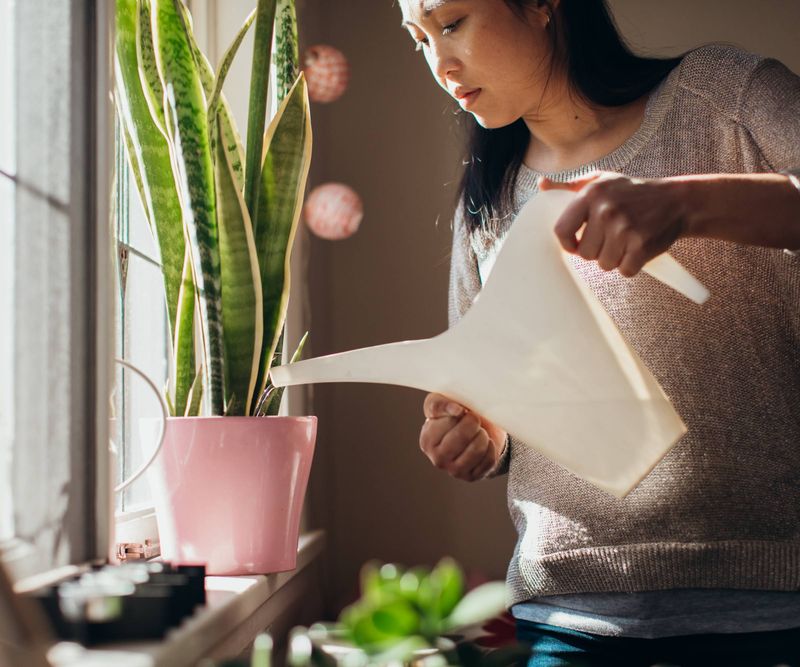
Snake plants generally need much less water in winter, but no single schedule fits every home. North Carolina State Extension suggests watering about every one to two months during the cool season.
That is a handy starting point, not a rule.
The Royal Horticultural Society is more cautious. Its growing guide says plants in winter may barely need any water unless they are kept particularly warm.
So a plant in a chilly room could go longer than one next to a heater.
Because of that gap, the soil should make the call, not the calendar. No watering plan can promise upright leaves or rule out root rot.
What you can do is check the mix first and water only when it is ready, which lowers the chance of roots sitting in soggy soil.
Check the potting mix before you water
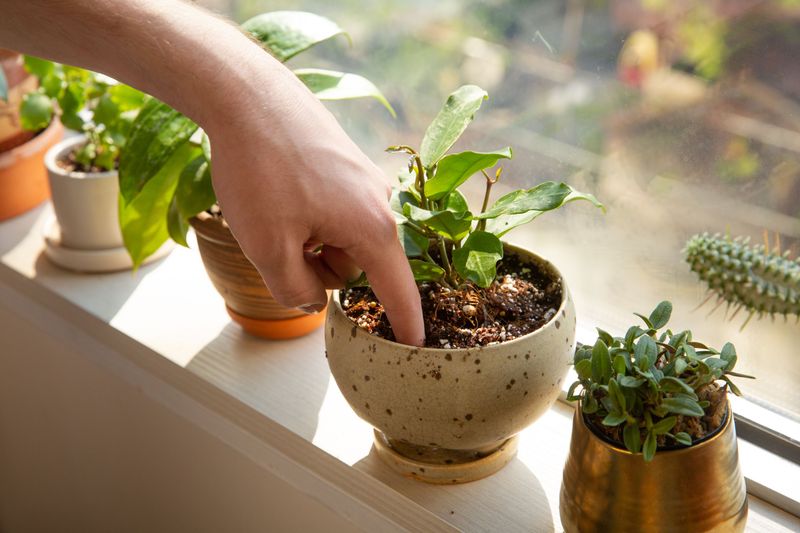
Before you pick up the watering can, test the soil. The RHS recommends checking with a finger to see how the mix feels.
Push your finger a couple of inches down, and if you feel any dampness, wait.
The goal is to let the mix dry out between waterings, which is also the advice from NC State Extension. A date on your phone should not override what the soil tells you.
If the mix is still cool and damp, check again in a week or so. A lightweight pot that feels much lighter than usual can be another hint that the mix has dried.
If you are unsure, waiting a few more days is usually the safer choice for a snake plant.
Use one to two months as a rough winter benchmark
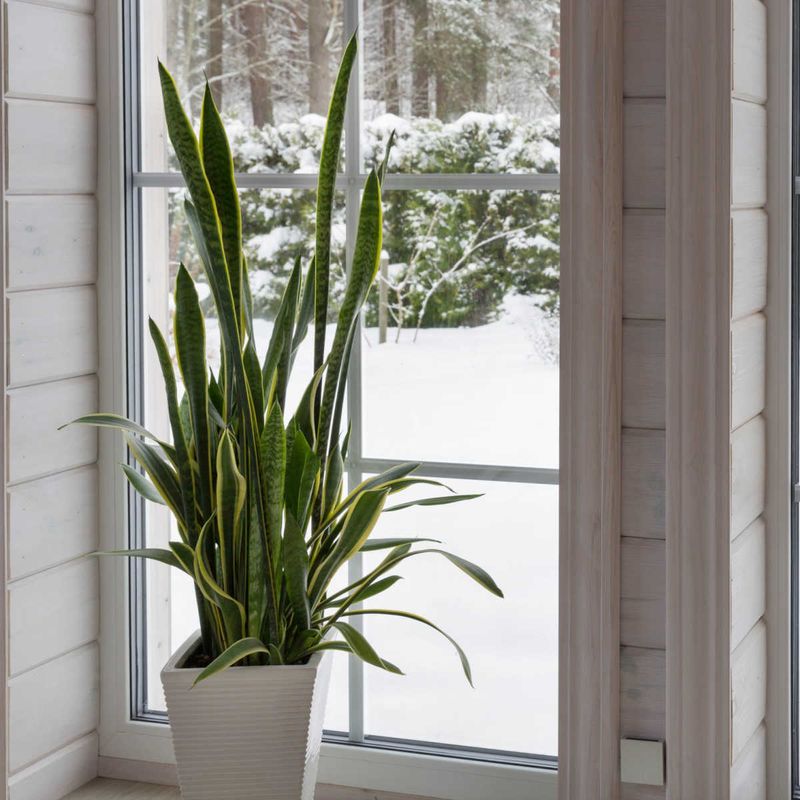
Think of the one-to-two-month range from North Carolina State Extension as a planning aid. It tells you roughly how rare winter watering can be.
It does not tell you the exact day your plant is thirsty.
Set a reminder if it helps, but treat it as a prompt to check the mix. If the soil is still damp, skip the watering and look again later.
A one-month gap will not suit every home.
The RHS leans more conservative, noting that winter plants may need very little. University of Illinois Extension also stresses letting the soil dry rather than following a set interval.
Together, these sources point to flexibility.
Indoor conditions set the pace of drying
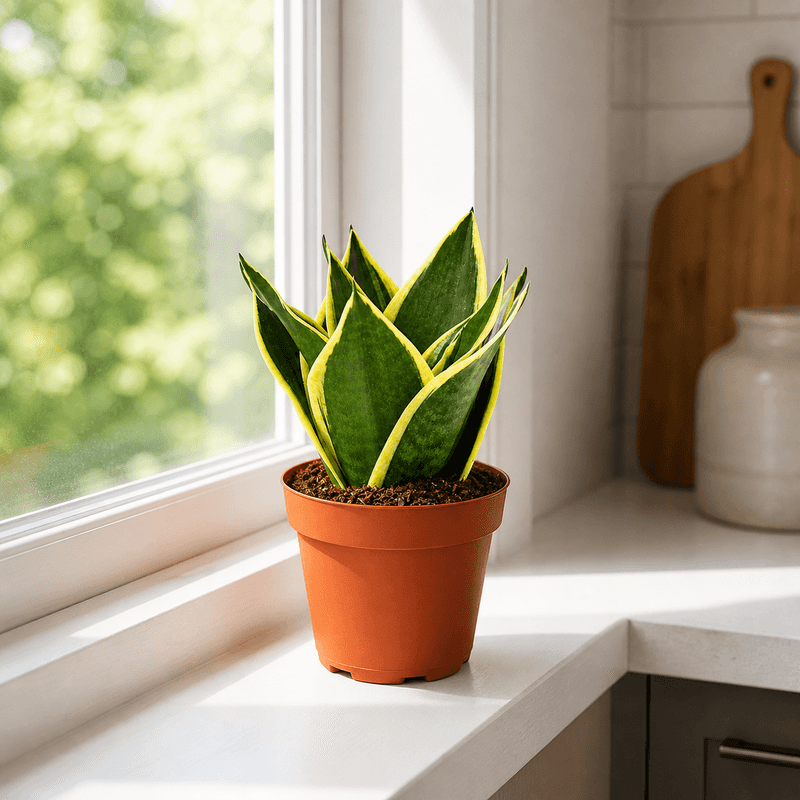
Two snake plants in the same town can dry out at very different speeds. Virginia Tech Extension explains that conditions around the plant affect how fast the mix loses water.
Warmth, stronger light, and heat from a window or nearby heater can speed drying, while cooler, lower-light spots can slow it.
For Florida and Texas readers, that means judging the room, not the season outside. A mild day outdoors does not tell you how dry the pot on your shelf is.
An air-conditioned room, a sunny south window, and a hallway by a vent can all behave differently.
Florida guidance fits this idea. UF/IFAS Santa Rosa County Extension recommends significantly reducing watering from fall to late winter.
That timing may not match every home, so keep checking the soil.
Water thoroughly, then clear the drainage
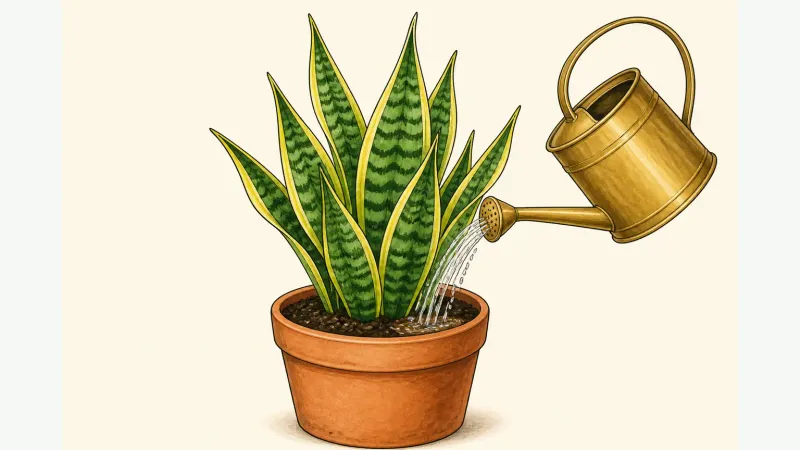
Once the mix is dry enough, water well. Soak the soil, then let the extra water escape through the drainage holes.
Empty the saucer or outer pot afterward so the roots are not sitting in a puddle.
A pot with drainage holes and a free-draining mix make this much easier. The RHS suggests cactus compost or a similar mix.
Heavy, water-holding soil can stay wet far longer.
Aim the water at the soil, not into the leaf rosette, where it can collect. Iowa State University Extension also covers basic houseplant care.
A sink works well: water, wait ten minutes or so, then return the pot to its spot.
Yellow or soft leaves do not give a diagnosis on their own
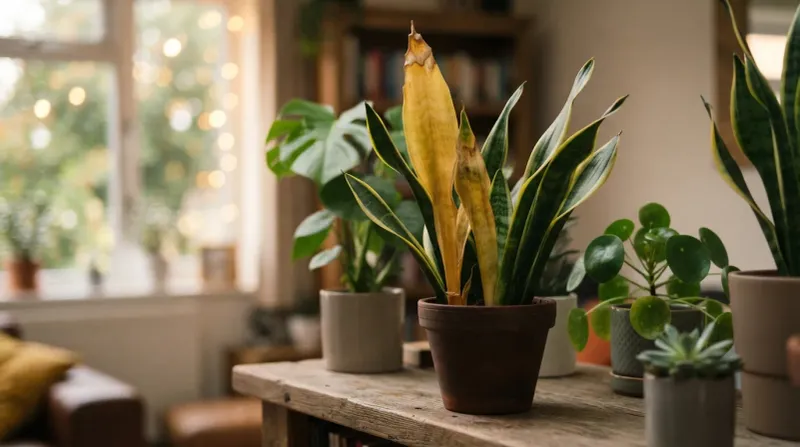
A yellow or wilted leaf is a clue, not an answer. UF/IFAS notes that too much or too little water, among other factors, can cause yellow leaves.
Damaged roots from wet soil can even leave a plant looking wilted.
Some signs lean one way. An Ask Extension response links soft or mushy leaves or shoot bases with excess water, and brown tips or wrinkling with too little.
These are possibilities, not certainties.
Check the soil first, as Clemson Extension advises before adding water. If the mix stays soggy, slide the plant out and look at the roots.
Healthy roots are firm and white, while rotted ones may be soft and brown or black.
Watering is only one part of keeping leaves upright
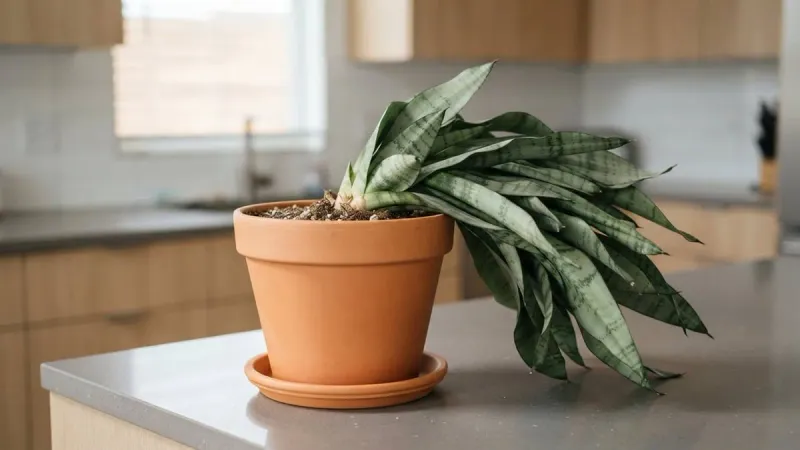
Leaning or floppy leaves do not always come down to water. University of Maryland Extension says moderately bright light can help leaves stay more upright.
The same source cautions against too much fertilizer, especially nitrogen. Feeding a plant heavily in winter is rarely a good fix for weak leaves.
Treat light and feeding as factors worth reviewing, not cures. If leaves lean, check the soil, look at the light, and consider whether the plant has been fed too much.
Changing one thing may not solve the problem, and some leaves may stay bent once they have flopped.
Build a winter routine around the plant, not the calendar
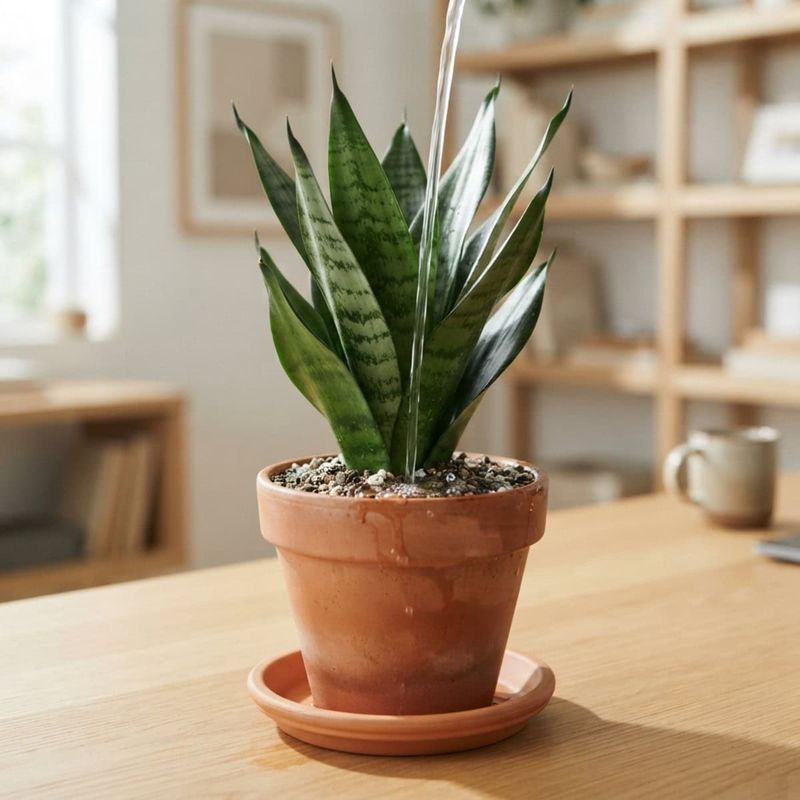
Start with a soil check, then think about where the plant sits. Warm, bright spots dry faster, as Virginia Tech Extension explains.
Use the one-to-two-month range only as a reminder, and RHS advice to water sparingly in winter is a good counterweight.
When the mix is dry, soak it and empty the saucer. This lowers the odds of soggy roots, though it cannot promise upright leaves.
A dry pot is easy to fix, a drowned one is not.