
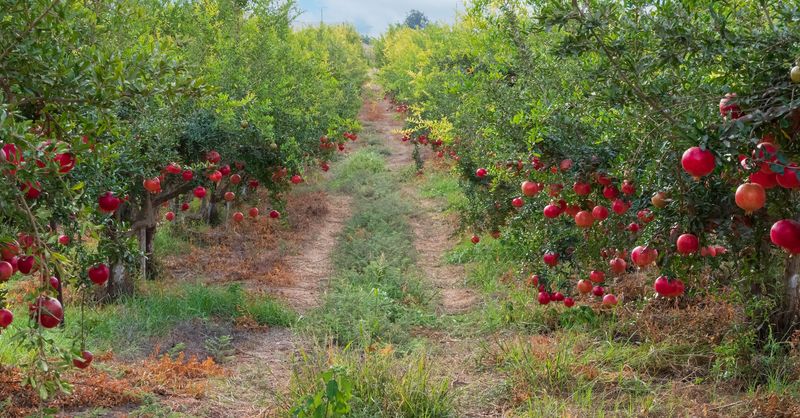
Pomegranates seem tough, so it is easy to grab the loppers when a bush gets unruly. But a big cutback can remove the very growth that carries next spring’s flowers.
Texas pomegranates ripen in fall, so a pruning choice made months earlier can shape what hangs on the branches. Here is how to trim in a way that keeps your harvest on track.
Why can heavy pruning reduce a crop?
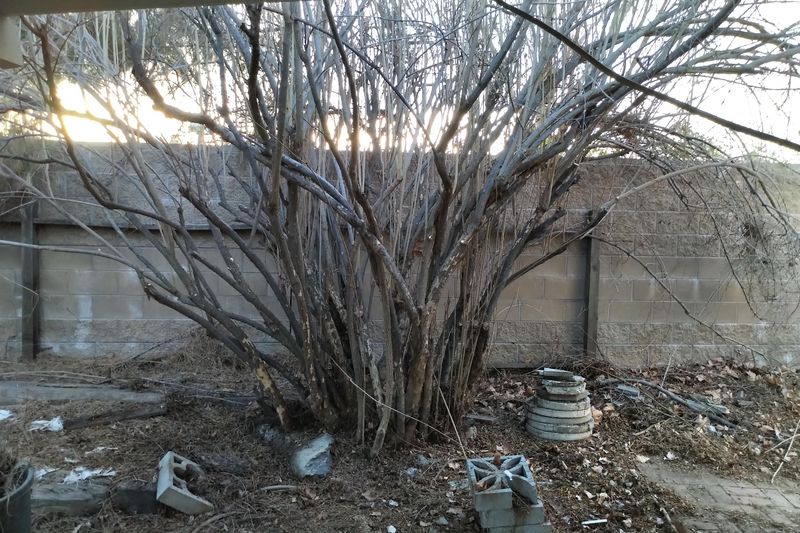
Picture a pomegranate that has grown into a thick, leggy thicket. The urge to chop it back hard is strong, and it is also where trouble starts.
A Texas A&M AgriLife horticulture expert explains that spring blooms come from buds on the previous year’s growth, so removing much of that growth can leave very little fruit the following season.
The same pattern shows up in other regions. UC Davis guidance on shaping pomegranates says heavy pruning reduces the crop and recommends light pruning each year for established trees.
Notice what the risk is tied to: how much you remove. Nothing here shows that every fall cut harms fruit, and no source gives a measured yield loss for Central Texas yards.
A few small cuts to clean up a branch are a very different job from stripping a plant down to stubs.
Severe pruning also does not guarantee a failed crop. It simply raises the odds of a thinner one, because you have taken away wood that was set up to flower.
The smart approach is to think about what each cut removes before you make it.
A good habit is to stand back and look at the whole plant first. Ask which growth is dead, damaged, or in the way, and which growth looks like healthy framework that should stay.
That quick look keeps you from cutting more than the plant can spare.
Pomegranates do not fruit on just one kind of wood
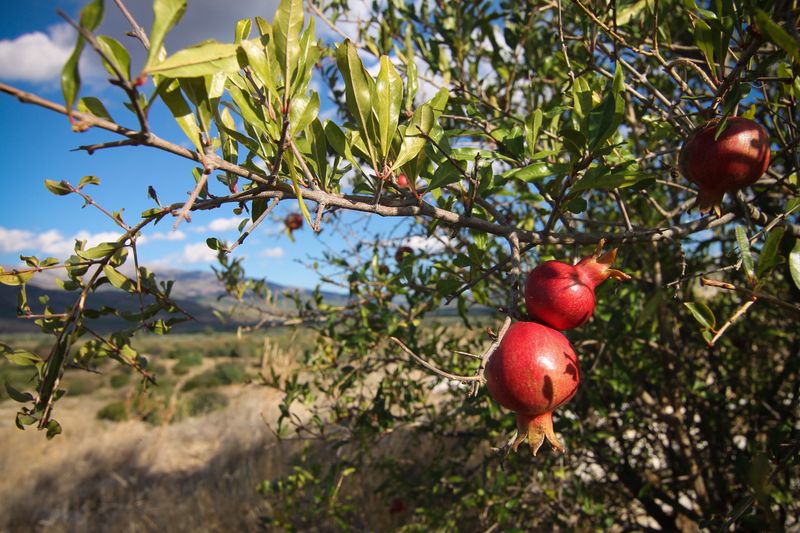
Gardeners love a simple rule, such as fruit only on old wood or only on new wood. Pomegranates refuse to follow either one.
The Texas expert quoted above says spring buds arise from the previous year’s growth, while UC Marin Master Gardeners report that fruit grows on both old spurs and new wood.
The practical meaning is that you want a healthy mix. Short spurs on older branches, last year’s shoots, and fresh growth can all play a part.
If you cut away most of one group, you may be removing more fruiting potential than you realize.
That is why keeping a productive framework matters more than chasing a perfectly tidy shape. Sturdy main stems hold the plant up, and the growth along them carries the flowers.
Lose too much of both, and the plant spends its energy rebuilding instead of blooming.
Timing of the crop helps explain the stakes. Flowers open in spring, and fruit set follows soon after.
The harvest then comes later, since Texas AgriLife says Texas pomegranates generally mature from September for early varieties through October for later ones.
So a spring bloom problem can be traced back to cuts made months before, long before you see a single ripe fruit.
Choose a bush or tree framework before you cut
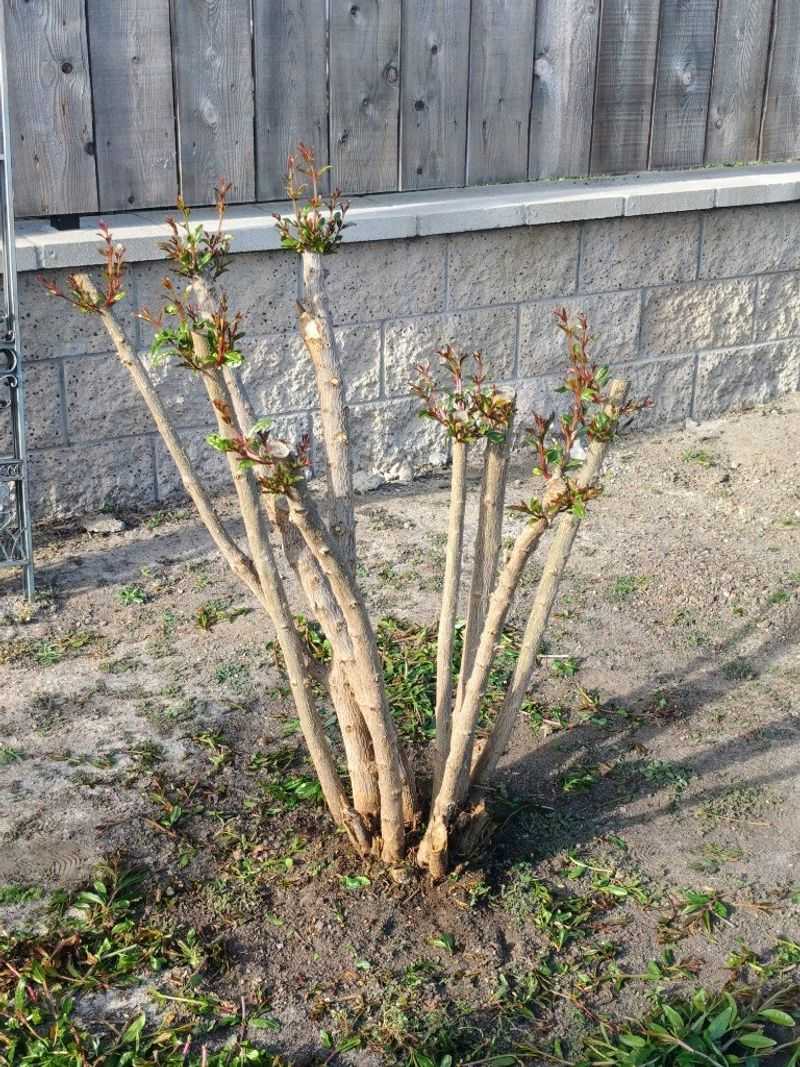
Before you remove a single shoot from the base, decide what shape you want. Pomegranates naturally send up many basal shoots, so the same shoot can be a keeper on one plant and clutter on another.
For a bush, Texas guidance suggests keeping roughly three to five well-spaced main trunks, as described in the AgriLife answer on pruning. Spacing lets sun reach the center and gives you backup stems if one is damaged by a hard freeze or disease.
A trained tree is a different plan. It usually relies on a single trunk, with side branches shaped above ground level.
University of Florida IFAS training advice covers both approaches, so you can match your plant to the style you prefer.
Here is the catch for sucker removal. If you are growing a bush, taking off every sucker defeats the purpose, because those shoots may become your next trunks.
If you are growing a single-trunk tree, unwanted basal shoots should go so they do not compete with the main stem.
Walk around the plant and count the sturdy stems. If you have a bush with seven crowded canes, you can choose the best few and thin the rest.
If you want a tree, pick the strongest upright stem and plan around it.
What should you remove—and what should you keep?
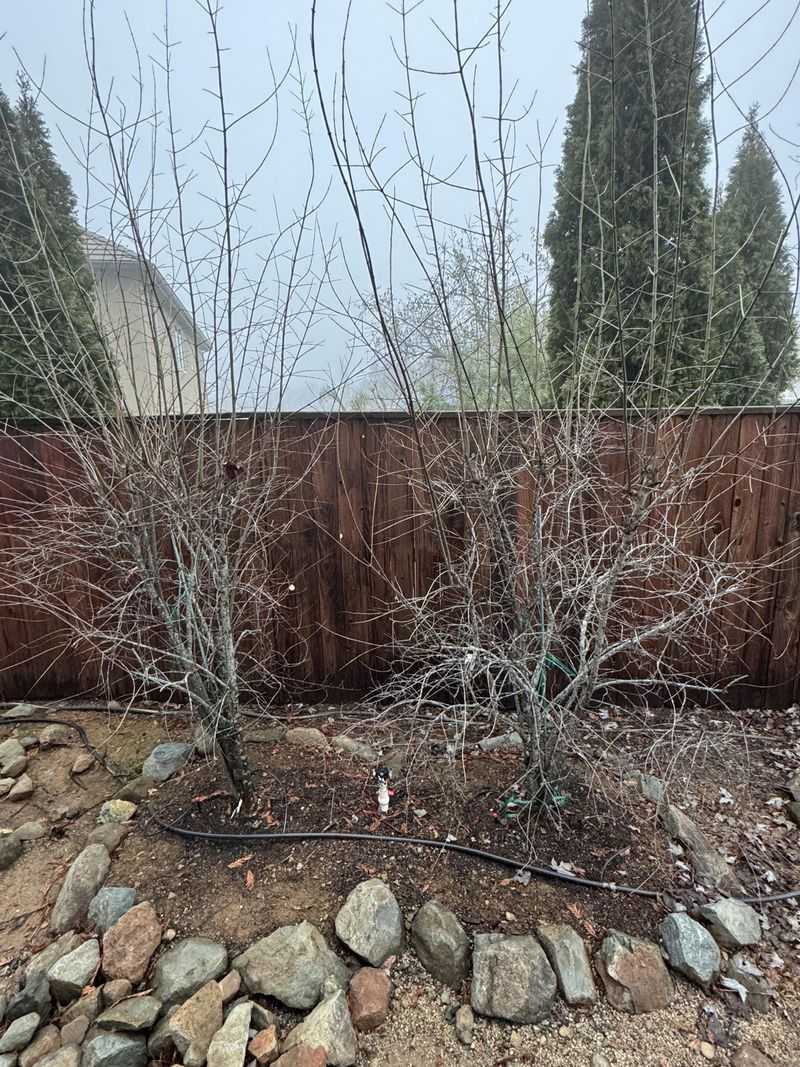
Think of selective pruning as housekeeping rather than renovation. Start with anything dead, diseased, or damaged, because those branches give nothing back.
Then look for crossing branches that rub each other and growth that points the wrong way, such as inward toward the center or down toward the ground.
Next, thin crowded canes if the plant is dense. Opening the interior admits light, which supports healthier growth.
Texas advice from AgriLife and the training notes from UF/IFAS both point toward keeping a sound framework while cleaning up the rest.
What stays matters just as much. Keep strong main stems, healthy spurs, and vigorous young shoots that are growing in a useful direction.
Those are the parts most likely to carry blooms next spring.
Aim for light pruning every year instead of a big correction every few years. UC Davis recommends that steady approach for established trees, since small yearly adjustments avoid the sharp crop drop that heavy cutting can bring.
There is no magic percentage to follow, and the sources reviewed do not offer one for home plants. Use the plant itself as your guide.
If you are unsure about a cut, pause, step back, and let it grow another season.
Reserve major shaping for the dormant window
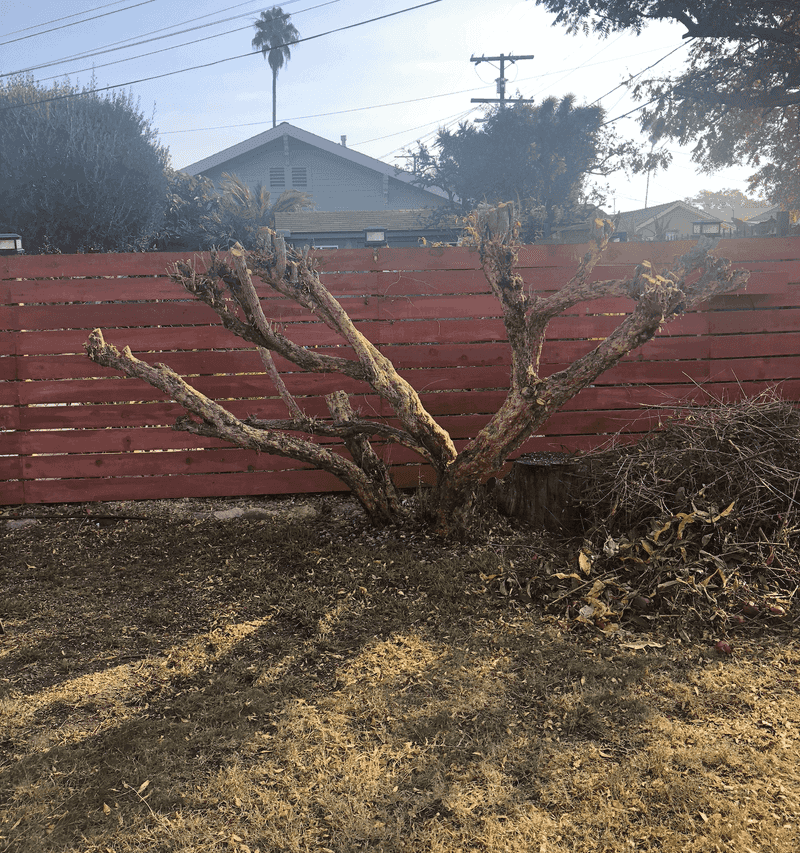
Big structural changes belong in winter dormancy. The recommended window comes after the danger of fall or early-winter freezes has passed and before full spring bloom, as laid out by UC Davis.
With the leaves gone, you can see the branch structure clearly and judge cuts with more confidence.
Late winter is also a good time to remove dead or damaged wood, since freeze injury is easier to spot then. Sprouts and suckers can be taken out as they show up, which keeps the plant from filling with growth you did not plan for.
UF/IFAS describes this kind of ongoing tidying.
Frost tolerance varies by cultivar and by local conditions, so there is no single temperature that fits every Central Texas yard. Waiting until the worst cold has passed gives you a clearer view of what truly needs to go.
Now the contrast. Texas A&M cautions against harsh pruning in late summer, because it can push out growth that is less winter-hardy.
That is a warning about severe late-season cuts, not a ban on every fall snip. Removing a broken branch in October is fine.
Save the heavy shaping for the dormant window.
A selective plan protects the next crop
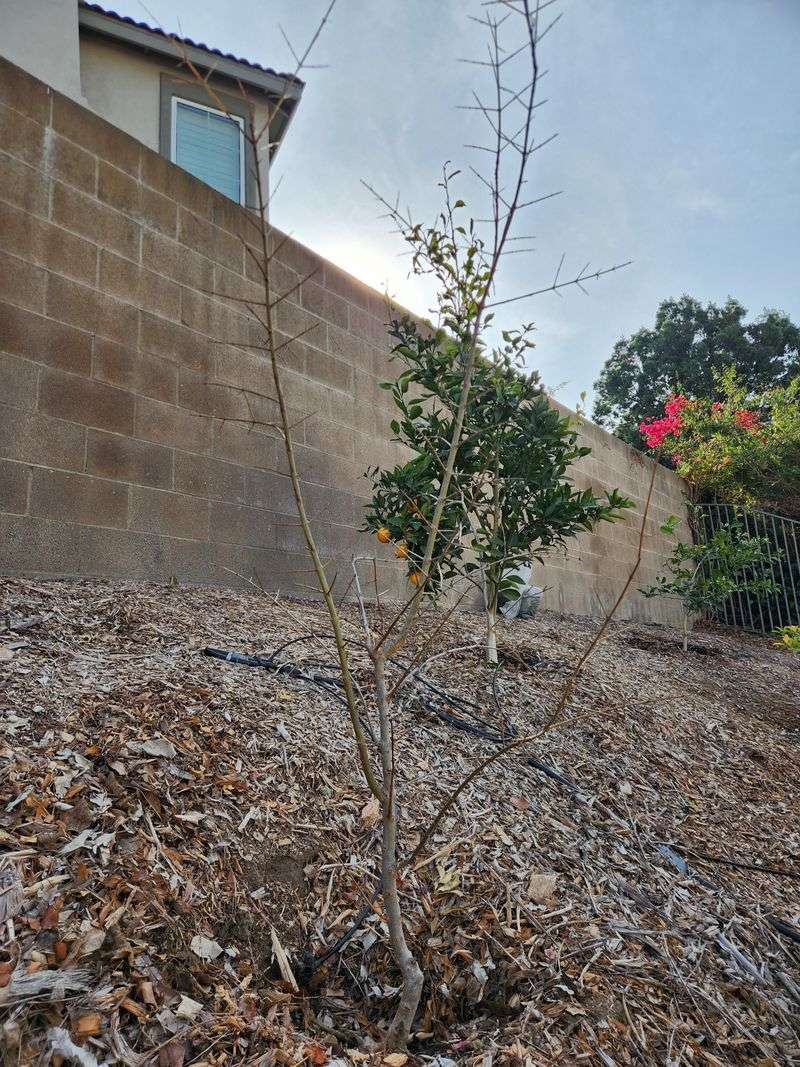
Start by deciding whether you are growing a bush or a tree. Skip any severe cutback in late summer, make only the selective cuts a plant truly needs, and plan your major shaping for winter dormancy once hard freezes are behind you.
UC Davis and Texas A&M support that rhythm.
One more correction: this is not about summer fruit. Texas pomegranates generally mature from September through October, depending on variety.
Light hands in the off-season mean full branches when the fruit turns red.