
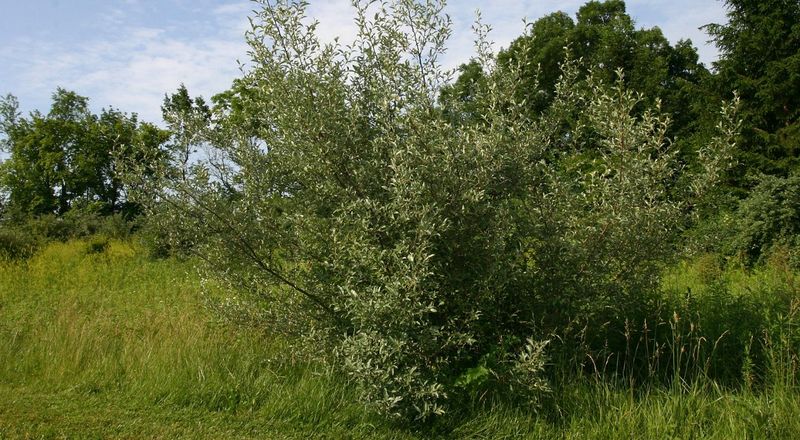
Late September in North Carolina is when a handful of sneaky invaders finish blooming and start loading up on seeds. If you pull them now, you can stop next year’s crop before it ever hits the ground.
That means fewer weeds in your beds, more room for native plants, and better food for the birds and pollinators you love. Here are eight plants worth yanking this weekend, from the mountains to the coast.
1. Japanese Stiltgrass
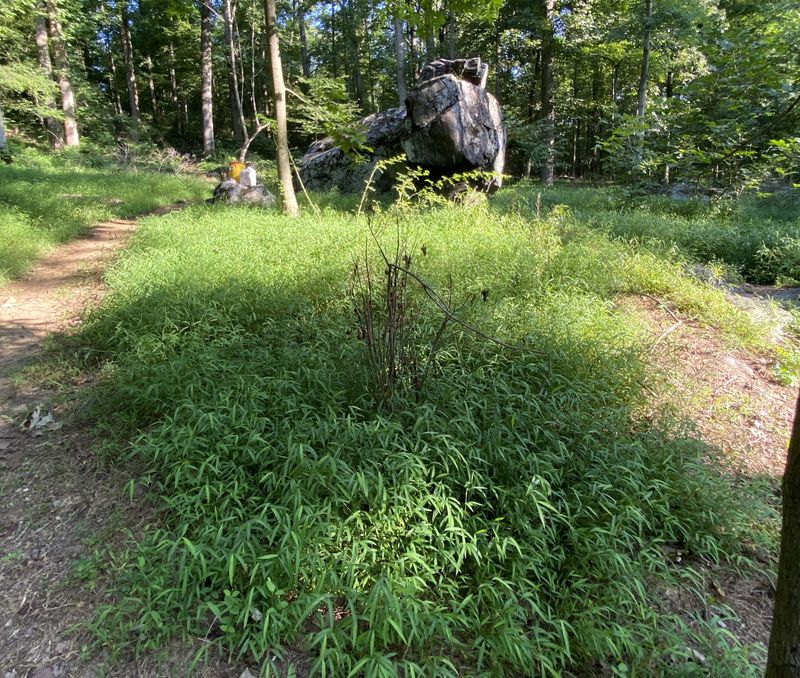
Walk any shady trail in the Piedmont this month and you will probably step on it. Japanese stiltgrass looks harmless, like a delicate little bamboo, but one plant can drop around 1,000 seeds that may stay alive in the soil for several years.
The good news is that it pulls up with almost no effort. Its roots are shallow, so a gentle tug clears a patch fast, especially after a rain.
Look for the shiny silver stripe running off-center down each leaf.
Timing is everything here. Stiltgrass usually flowers in late summer and sets seed from September into October, so pulling right now can make a real dent in next year’s growth.
Bag the plants if seed heads have formed rather than tossing them in the compost.
2. Chinese Privet

Grandma may have planted it as a tidy hedge. Decades later, Chinese privet has escaped into nearly every county in North Carolina, crowding stream banks and woodland edges so thickly that native wildflowers struggle to grow.
Right now the shrub is ripening clusters of dark berries. Birds eat them and spread the seeds far beyond your yard, which is how one hedge turns into a whole thicket down the road.
Small seedlings come out by hand when the ground is moist. For bigger shrubs, a weed wrench or a cut followed by careful stump treatment tends to work better.
If you want a replacement hedge, native options like inkberry holly or wax myrtle can fill the same role and still feed birds.
3. Japanese Honeysuckle
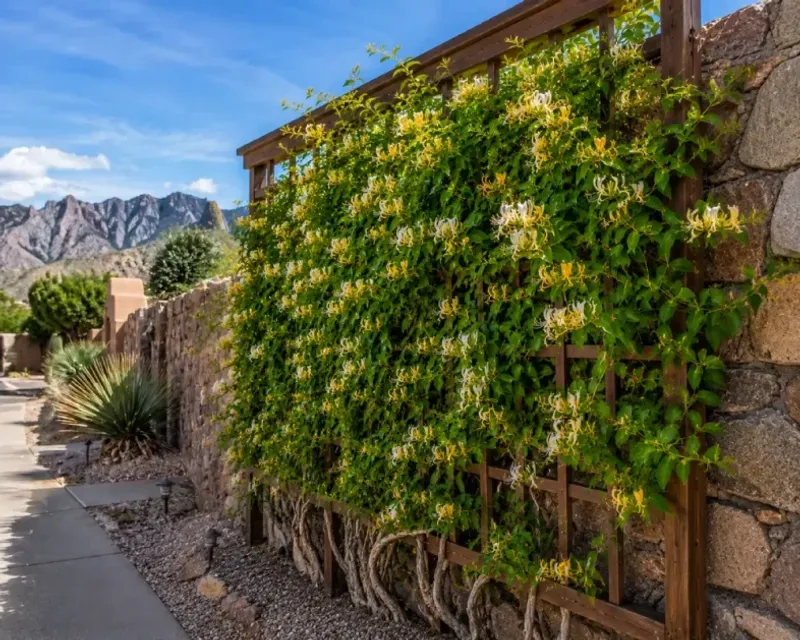
That sweet smell from childhood summers comes with a catch. Japanese honeysuckle twines around young trees and shrubs, sometimes squeezing and shading them until they decline.
In fall, the vine forms small black berries that birds carry off. It also keeps its leaves later than most native plants, so it is easy to spot once nearby trees start turning.
Follow a vine back to where it roots and pull steadily, loosening the soil with a hand fork if needed. Cut any vines climbing trees at the base so the top can dry out.
Coral honeysuckle, a native vine, makes a lovely swap and hummingbirds may visit it all season.
4. Autumn Olive
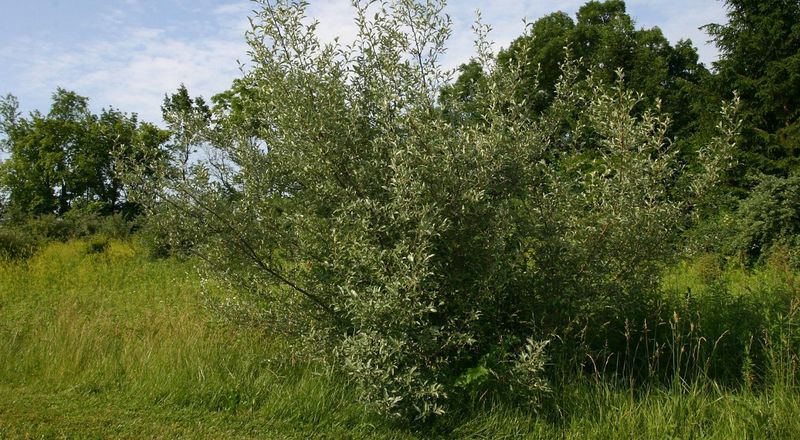
Here is a fun fact: autumn olive was once planted on purpose to control erosion and feed wildlife. It turned out to be a little too good at spreading.
This shrub is easy to recognize this time of year. Its leaves have silvery undersides, and the branches are covered in small red berries with tiny speckles.
A single large shrub may produce thousands of berries, and birds spread them widely, especially across mountain and Piedmont pastures.
Pull seedlings whenever you see them. Larger shrubs often resprout after cutting, so expect to follow up.
Removing berry-loaded branches before they fully ripen can help cut down on new plants nearby.
5. Callery (Bradford) Pear
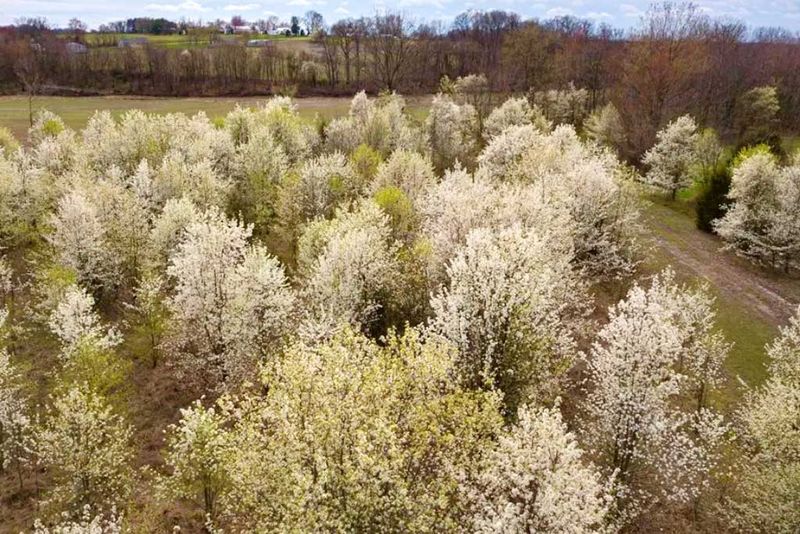
Spring in many NC neighborhoods smells a bit fishy, and Callery pear is the reason. Those white-blooming trees, often sold as Bradford pear, now cross-pollinate and spread thorny wild offspring into fields and roadsides.
North Carolina has stopped the sale of Callery pear statewide starting in 2027, which shows how big the problem has become. Meanwhile, the small hard fruits are ripening now, and birds are happy to plant them for you.
Young saplings can be pulled or dug while small. For mature trees, many homeowners are choosing replacement programs and planting natives like serviceberry, redbud, or dogwood.
Your spring yard can stay just as bright.
6. Mimosa Tree
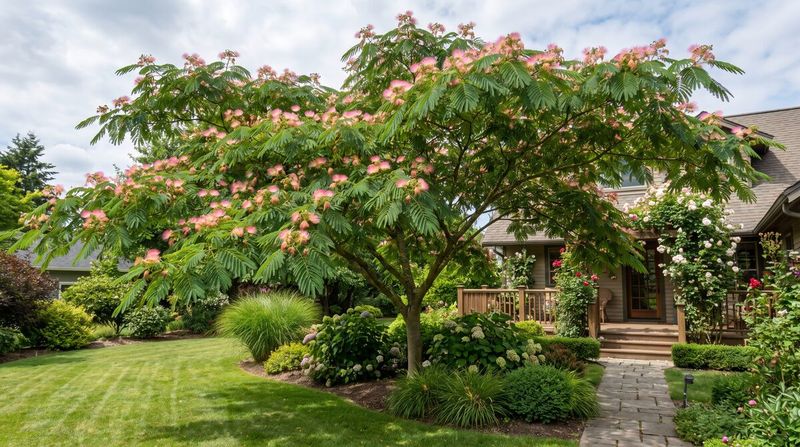
Pink puffball flowers and fern-like leaves make mimosa look like something from a fairy tale. By late September, though, those blooms have turned into long, flat seed pods hanging everywhere.
Each pod holds several seeds that can stay viable in the soil for years. Mimosa sprouts readily along fences, ditches, and sunny lawn edges, especially in the Piedmont and coastal plain.
Clip and bag pods before they split, then pull small seedlings, which come out easily when young. Mature trees tend to sucker from the roots after cutting, so plan on repeat trips.
Native buttonbush or redbud can bring back some of that showy charm.
7. Chinese Lespedeza
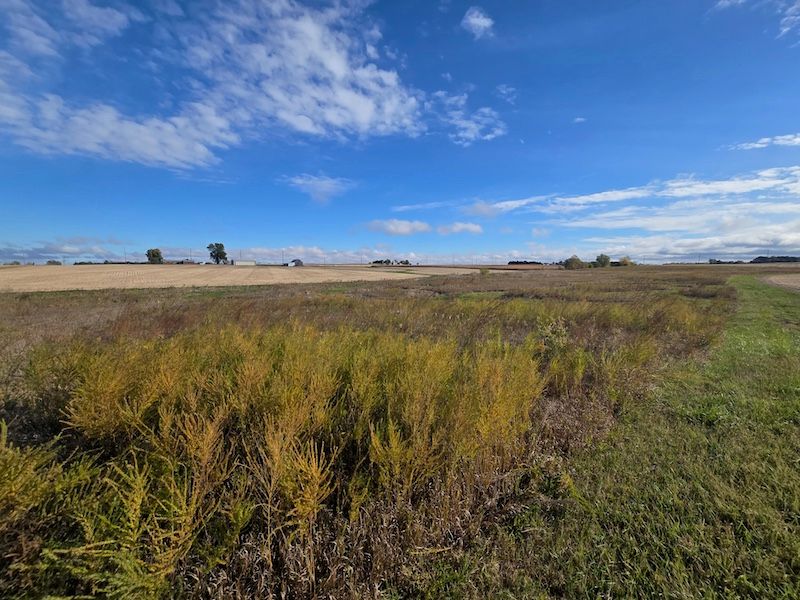
Stiff, upright, and very quiet about its takeover, Chinese lespedeza often goes unnoticed until it covers a whole sunny slope. You will find it along driveways, field edges, and powerline cuts across the state.
Look for crowded stems lined with tiny, narrow three-part leaves. The plant flowers in late summer and drops seeds through fall, and those seeds can last in the soil for many years.
Pull small clumps by hand after rain, gripping low on the stem. Mowing before seed matures may help limit spread on larger areas.
Native grasses like little bluestem make a pretty, wildlife-friendly replacement for open spots.
8. Johnsongrass
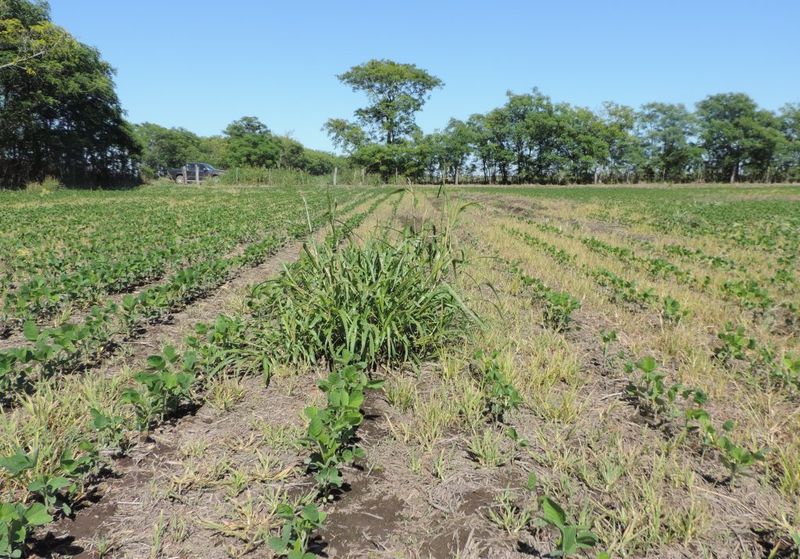
Gardeners in eastern NC know the feeling. You turn your back for two weeks and a towering clump of Johnsongrass is waving reddish seed heads over your tomato bed.
It spreads two ways, through seeds and thick underground stems called rhizomes. That makes it tough, but cutting off seed heads now can stop one route of spread completely.
Dig young plants with a spade so you get as much of the white rhizome as possible. Any pieces left behind may resprout, so check the spot again in spring.
Keeping beds mulched afterward can help discourage new seedlings while you plant natives for next season.