
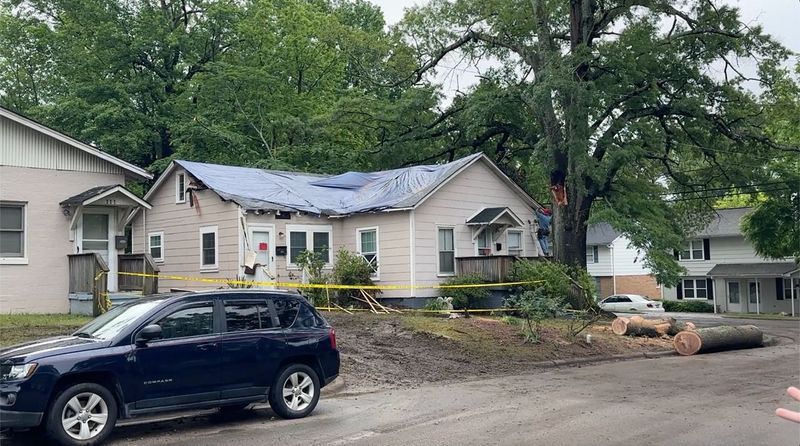
A tree can stand quietly for decades and then become the center of a tense talk over the back fence. Who owns it, who can trim it, and who pays if it falls are questions many North Carolina homeowners never ask until trouble shows up.
Most tree fights follow familiar patterns, and a little homework now can keep a small worry from turning into a big one. Here is what to check first, and when to call in a pro.
A fence or map may not mark the legal line
Before anyone argues about a tree, it helps to know exactly where your land ends. Many people assume an old fence, a row of shrubs, or a line of trees shows the boundary.
Those features are often placed by earlier owners and may sit a few feet off the true line.
Online maps can mislead too. Henderson County, for example, says in its GIS disclaimer that its mapping data is not a survey and should not replace surveyed locations.
A county parcel line on a screen is a helpful starting picture, not proof.
Better clues are in your recorded deed and the recorded plat for your neighborhood. These documents describe the lot and can show how it was laid out.
They are a good first read, but reading them correctly takes practice.
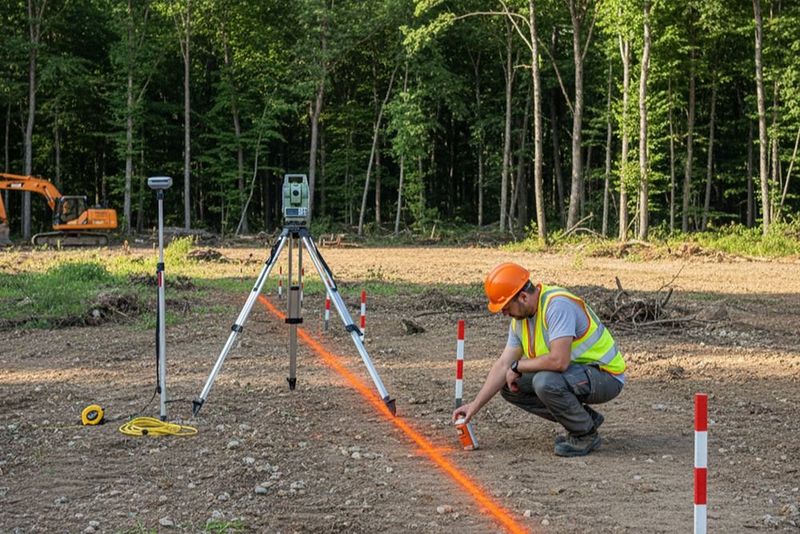
When the location truly matters, such as a tree near the line that a neighbor disputes, hire a North Carolina registered land surveyor. The state board that licenses them explains the profession on its professional land surveyor page.
A surveyor can mark the line with stakes so everyone sees the same thing.
Keep in mind what a survey does and does not do. It shows where the line runs.
It does not settle easements, HOA covenants, local rules, permission, or who is liable if a limb falls. Those questions may still need their own answers.
Does the trunk sit on the boundary?

Picture two trees. One is rooted entirely in your neighbor’s yard, with branches reaching over your lawn.
The other has a trunk that sits right on the surveyed line, so part of it grows on each side. These are different situations, and the answers can differ.
The North Carolina Pro Bono Resource Center notes in its disaster legal guide that a neighbor may have an ownership interest in a tree standing on the property line. That can mean neither household gets to make big decisions alone.
Be careful, though. The guidance reviewed does not set out one simple rule that fits every boundary tree in North Carolina.
Roots, trunk position, and the exact survey details can all shape the outcome.
A practical approach starts with a survey that shows where the trunk meets the ground. Then talk with your neighbor calmly, and agree on a plan before anyone picks up a saw.
If removal or heavy cutting is on the table, ask a North Carolina attorney about your situation first. A short consultation costs far less than a quarrel over a tree that cannot be put back.
Overhanging branches do not create an unlimited right to cut
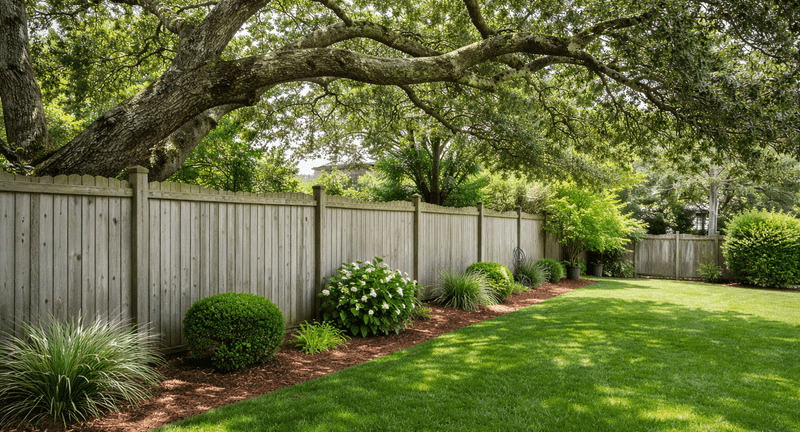
Branches that drift over a fence line are one of the most common sources of neighbor friction. The North Carolina Pro Bono Resource Center explains in its guidance on trees and limbs that a neighbor may trim the parts on their own side, only up to the boundary.
The trimming should not be done in a way that kills the tree.
That is a narrow permission, not a free pass. You cannot cut anything that crosses the line, and you cannot reach onto the neighbor’s side to do it.
Cutting too hard can harm the tree and create a new dispute.
The same guidance says a neighbor generally cannot force the tree owner to trim ordinary overhanging branches. So a polite conversation often works better than a demand letter.
Extra caution is wise when the boundary itself is unclear or the trunk may sit on the line. Local restrictions can apply even to trees on private land, as NC State Extension’s citizen guide points out.
Check your town or county rules before you cut.
For big limbs, hire a certified arborist who can prune correctly and keep the tree healthy.
Unauthorized cutting can trigger distinct legal consequences
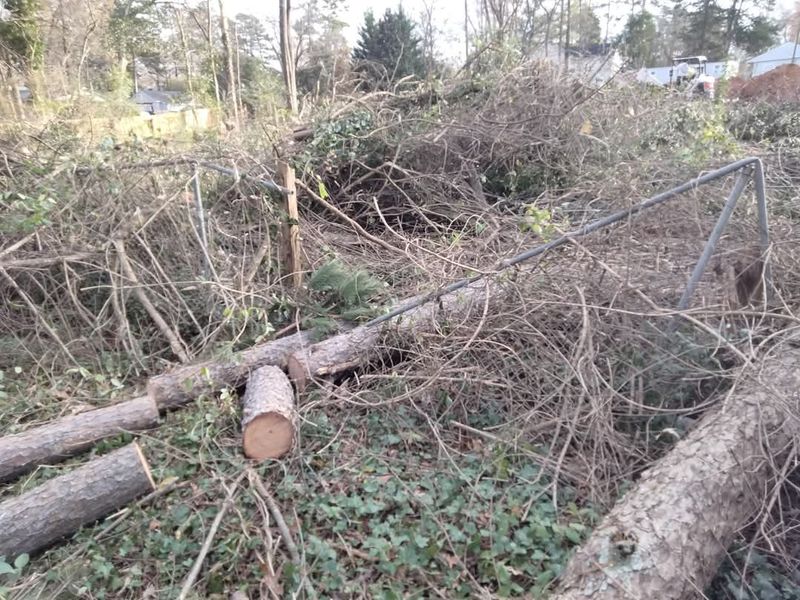
Cutting a neighbor’s tree without permission can carry legal risk, but the rules are more specific than many people think. North Carolina has two separate laws that come up in these disputes, and they should not be lumped together.
The first is General Statute 14-128. It prohibits willfully damaging or cutting trees and plants on another person’s land without consent.
The key ideas are willful conduct and a lack of consent.
The second is General Statute 1-539.1, which allows triple-value damages in certain cases. It involves unauthorized entry onto another person’s land and injury to covered items such as valuable trees, timber, shrubs, or wood.
Those conditions matter.
Neither law is an automatic penalty for every pruning disagreement. Trimming a branch that hangs over your own yard, within the limits described earlier, is a very different story from walking onto someone’s lot and cutting.
Still, the safest path is to avoid guesswork. If ownership, the boundary, or permission is disputed, pause and get written agreement from the neighbor or advice from an attorney.
A few days of patience can prevent a costly claim.
Foreseeable danger—not the trunk’s address—drives fall liability
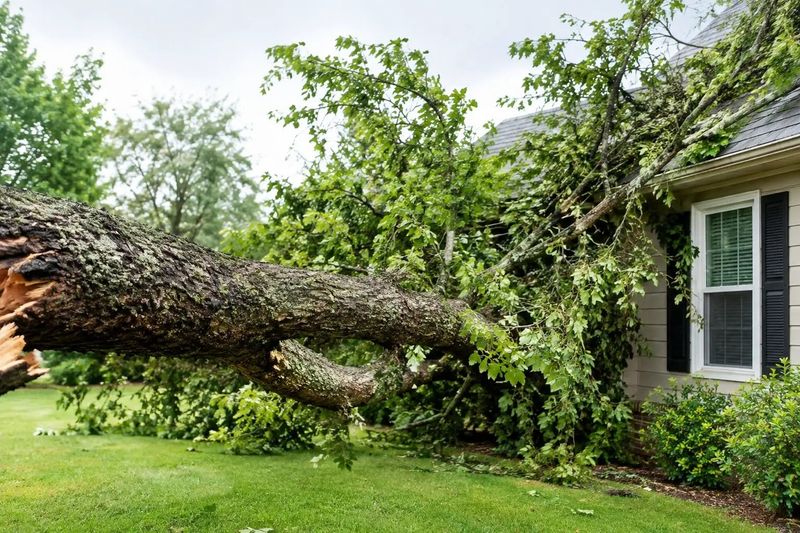
Many people believe that if a neighbor’s tree lands on your house, the neighbor must pay. North Carolina does not work that way.
As NC State Extension explains, liability generally turns on negligence, meaning whether the owner let a dangerous tree stand when harm was reasonably foreseeable.
So a healthy tree that comes down in a strong storm often does not make its owner responsible. A tree that looked dead or was visibly declining is a different matter.
A prominent lean, large dead limbs, or other clear warning signs may all matter.
Telling a neighbor about a concern can help document it. A dated photo and a friendly note or email create a record of what was known and when.
Still, written notice is not a universal legal requirement for liability, and the sources do not say otherwise.
The cited case, Rowe v. McGee from 1969, involved a visibly decayed tree and evidence of notice.
It supports a fact-by-fact review, not a blanket rule that the tree owner always pays.
If you worry about a tree on either side of the line, have a certified arborist look at it. Their findings can guide decisions and may later help show what was reasonable.
When a tree causes damage, start with your insurer
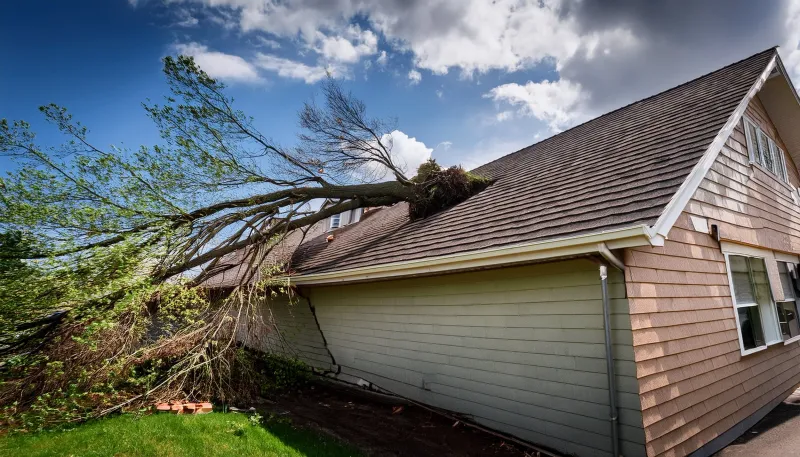
If a tree or limb hits your home, make one call early: your own insurance company. Prompt notice lets the insurer begin its review and tell you what your policy may cover.
According to NC State Extension, insurance commonly handles covered structural damage and removal costs first. Later, the insurer or you may seek recovery from a neighbor, but that depends on whether negligence can be established.
Coverage varies by policy, so read yours for deductibles, limits, and exclusions. Do not assume anyone will reimburse you in full.
Ask your agent what is covered and what paperwork they need.
While you wait, stay safe. Keep people and pets away from damaged areas, and do not climb onto a roof or cut a tree that is under tension or touching wires.
Take clear photos of the tree, the damage, and the surrounding yard before anything is moved.
Save names, dates, and any messages with your neighbor. A calm, factual record helps if questions come up later.
Check restrictions and safety before major work
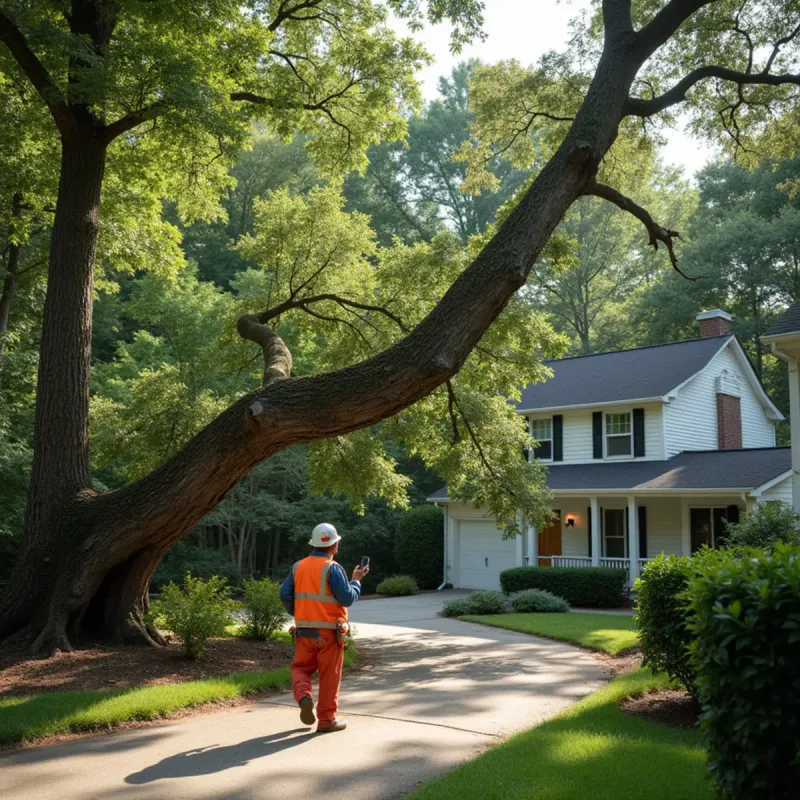
Owning a tree does not always mean you can remove it whenever you like. NC State Extension’s citizen guide lists local ordinances, easements, and HOA covenants as possible limits, even for privately owned trees.
A quick call to your town or county office and a read of your HOA documents can save headaches.
Easements matter too. A utility or drainage easement may allow others to work in that strip of your yard, or may limit what you can do there.
For large or hazardous pruning, hire a certified arborist. They have training, insurance, and gear that a weekend effort lacks.
Ask for proof of insurance and a written scope of work before they start.
Stay far from power lines. OSHA’s page on line-clearance tree trimming reserves work within 10 feet of energized lines for trained, experienced line-clearance tree trimmers.
If a limb is near wires, call the utility or a qualified professional.
Chainsaws are risky as well. OSHA’s chainsaw safety publication cautions against using one from a ladder or above shoulder height.
If the job calls for either, it is a job for a professional.
Put the boundary check first
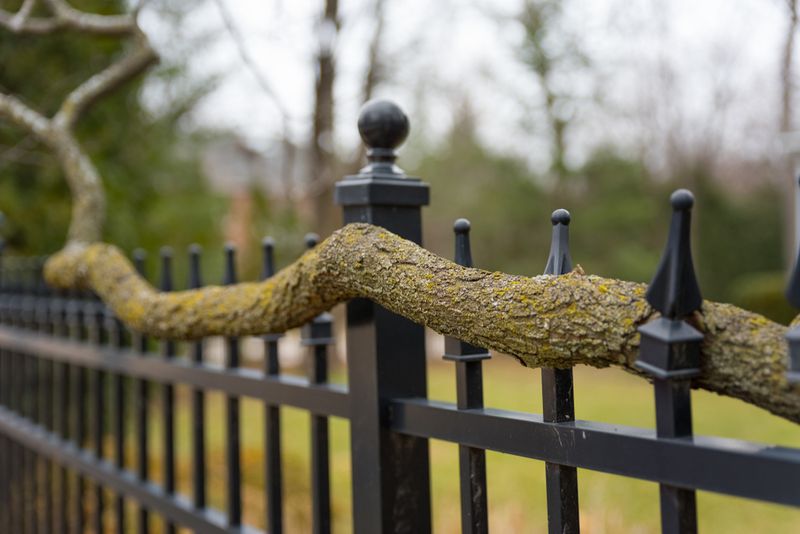
Start with the line. Confirm it with deeds, plats, and a registered surveyor, since a county map is only a starting picture.
Then see whether the trunk or only branches cross it, and check ordinances, easements, and HOA rules as NC State Extension advises. Before major work, bring in an arborist, an attorney, or your insurer as needed.
Location is where answers begin, not where they end, because liability depends on foreseeable danger as well. Good fences may help, but a good conversation grows better neighbors.