
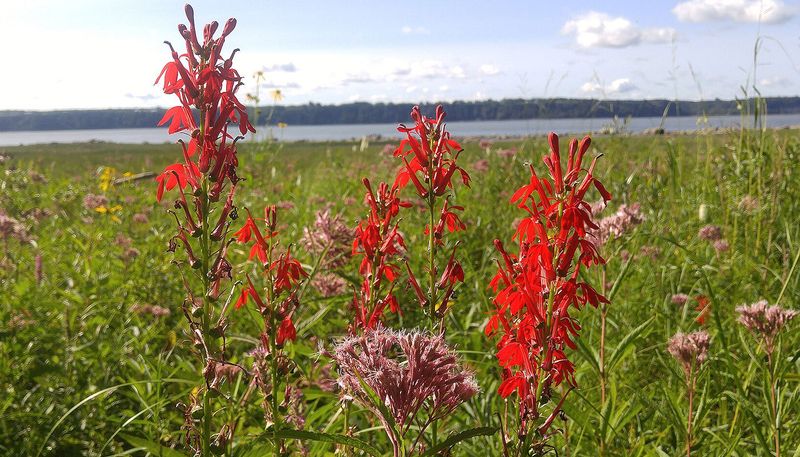
Black-eyed Susans get all the love, but in sticky North Carolina clay they often flop, rot, or fade by August. The good news is that a whole lineup of tough native wildflowers actually likes that red, heavy soil.
These plants can feed bees, butterflies, and songbirds while asking very little from you. Late September is a great time to plant them, so your yard can pay off with color next spring and summer.
1. Purple Coneflower
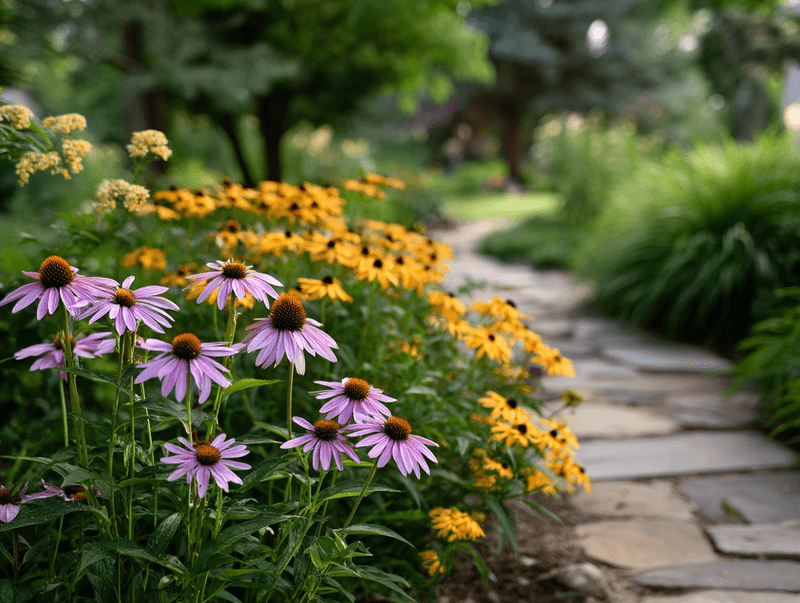
Ask any Piedmont gardener which flower survived the wettest spring and the driest July, and purple coneflower comes up again and again. Its deep taproot punches right through dense clay instead of sitting on top of it.
That root may also help it ride out drought better than shallow-rooted Susans.
Blooms open in early summer and keep going for weeks if you deadhead a few. Leave the last round of seed heads standing in fall, because goldfinches love picking them apart.
Plant it in full sun, water through the first few weeks, then mostly leave it alone. Fall planting in the Piedmont and coastal plain gives roots time to settle before winter.
2. Eastern Blue Star
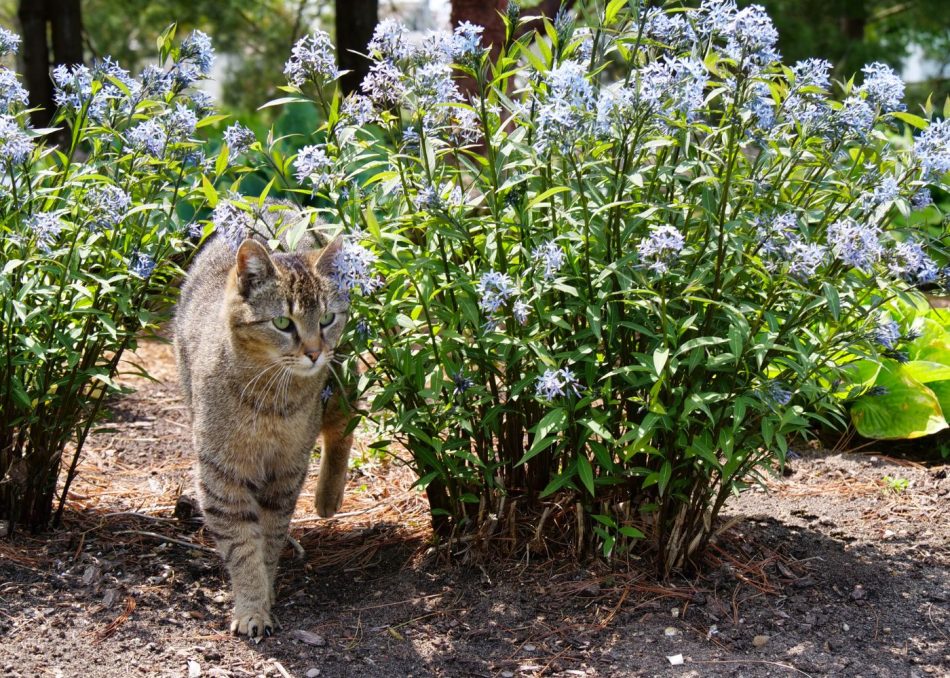
Here is a plant that pulls double duty. In April, clusters of sky-blue, star-shaped flowers cover the stems.
By late October, the whole clump turns butter yellow, almost like a small shrub catching fall color.
Eastern blue star grows wild along stream banks across North Carolina, so soggy clay does not scare it. It can handle wet winters that would rot a black-eyed Susan crown.
Deer usually skip it thanks to milky sap. Give it sun or light shade and expect it to live for decades with almost no fuss.
3. Swamp Milkweed
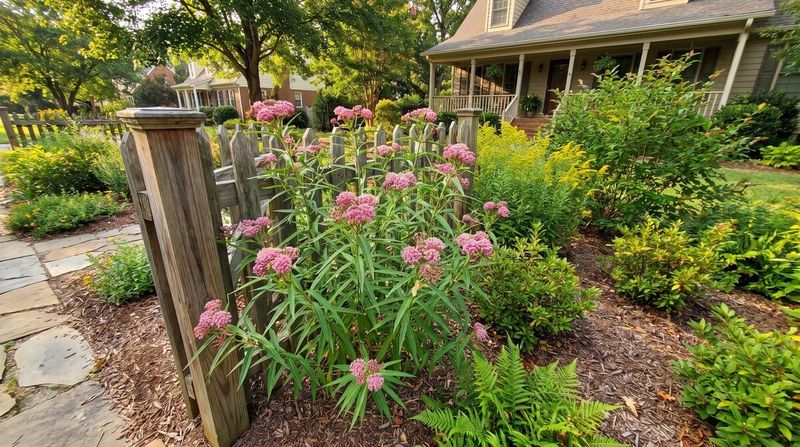
Monarchs passing through North Carolina in fall are looking for fuel, and their caterpillars need milkweed to grow. Swamp milkweed is the version that happily takes wet, heavy soil.
Its pink, vanilla-scented flowers bloom midsummer and draw bees, swallowtails, and monarchs. Unlike butterfly weed, which wants sandy drainage, this one thrives in the low spot where water pools after storms.
Tuck it into a rain garden or near a downspout. You may spot striped caterpillars munching the leaves, and that is exactly the point.
4. Narrowleaf Mountain Mint
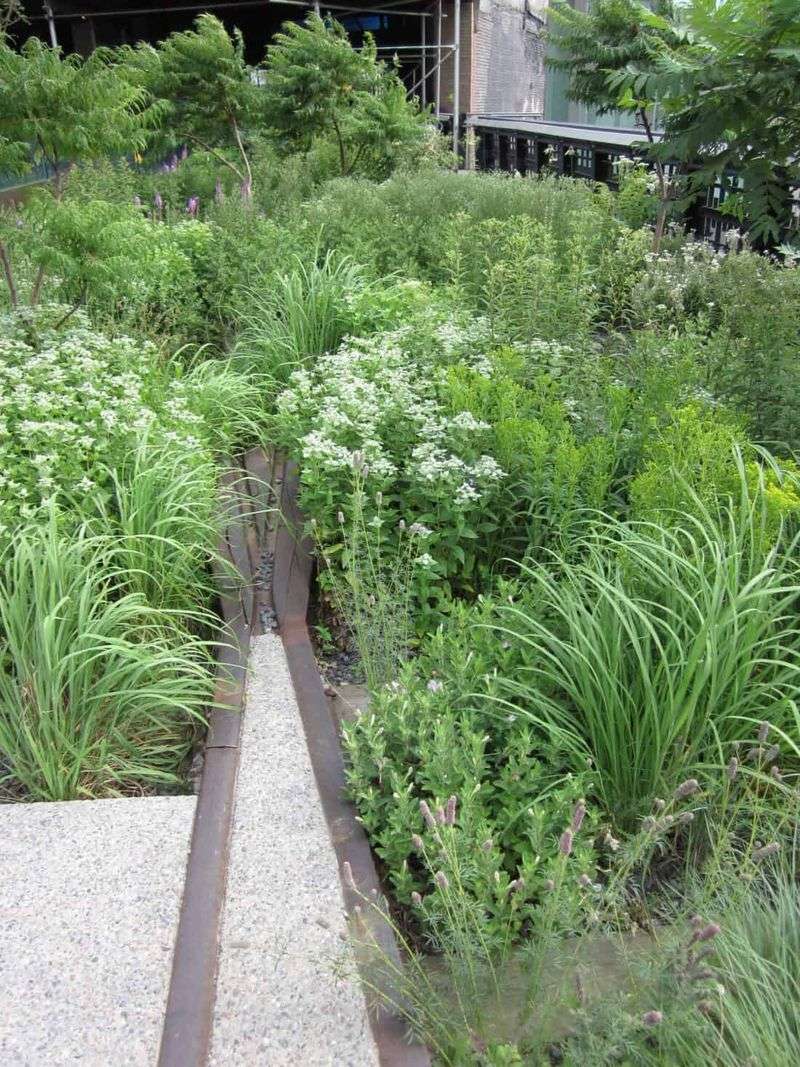
Stand next to a mountain mint in July and you can hear it. Dozens of bees, tiny wasps, and beetles crowd the small white blooms at once.
Researchers and gardeners often rank it among the busiest pollinator plants in the Southeast. It shrugs off clay, heat, and humidity, and its minty leaves tend to keep deer and rabbits away.
It spreads politely by roots, so it fills gaps where Susans fizzled out. Crush a leaf and enjoy the scent every time you weed nearby.
5. Wild Bergamot
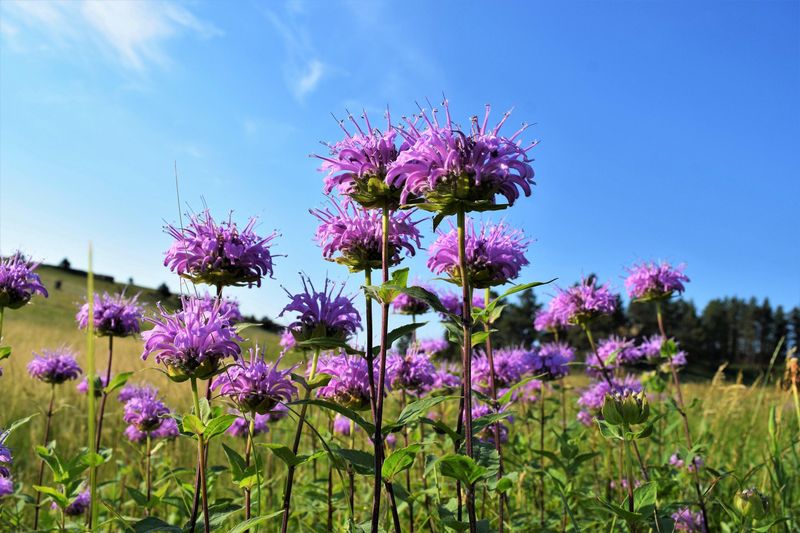
Lavender pom-poms on tall stems give wild bergamot a playful, fireworks look in early summer. Hummingbirds, bumblebees, and hummingbird moths all stop by.
Bee balm cousins that need rich soil often sulk in clay, but this native species handles lean, heavy ground across the mountains and Piedmont. Choose a sunny spot with some airflow to reduce powdery mildew.
Fun fact: early settlers brewed the leaves as tea. Today, most homeowners simply enjoy the oregano-like scent while brushing past.
6. Joe-Pye Weed
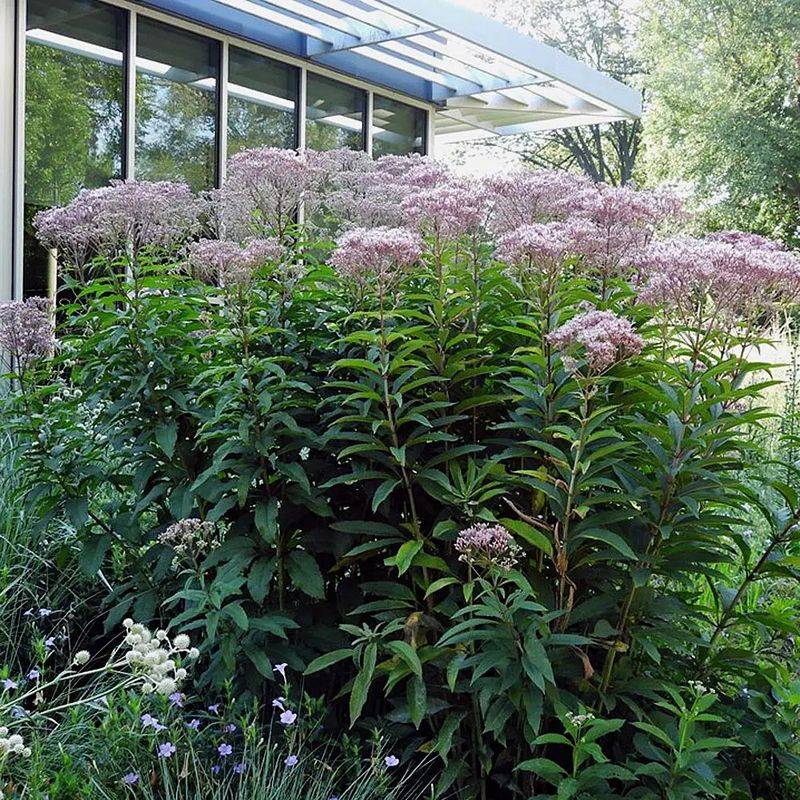
Some plants whisper, but Joe-Pye weed makes a statement at six feet tall. Huge dusty-pink domes open in late summer, right when many gardens look tired.
Tiger swallowtails, North Carolina’s state butterfly, swarm the blooms. The plant loves moist clay and can soak up runoff in low corners of the yard.
Use it at the back of a border or along a fence. Short on space?
Look for the compact native cultivar Little Joe.
7. New England Aster
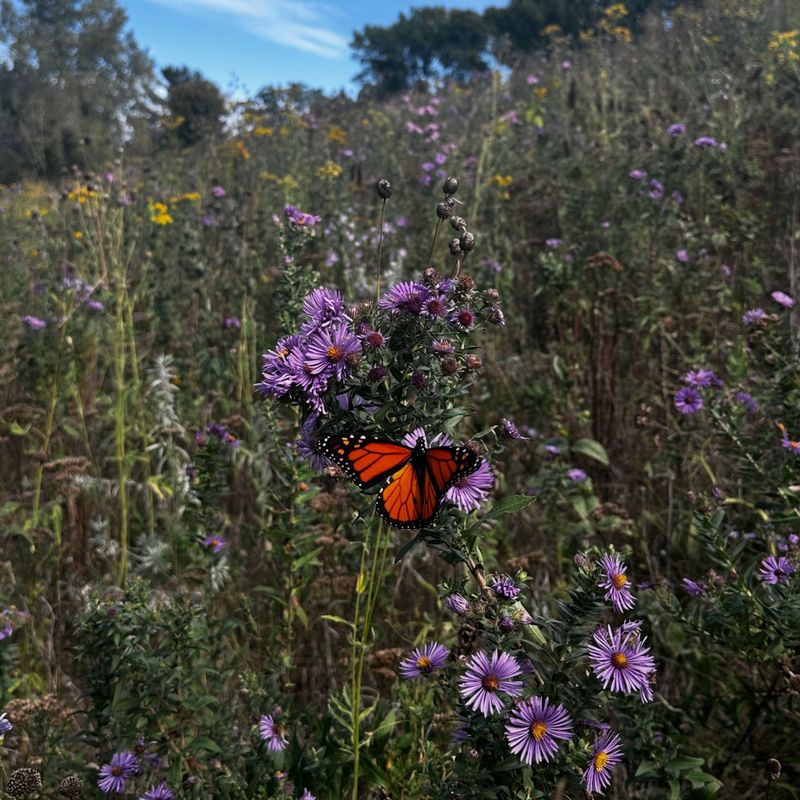
When black-eyed Susans are long done, New England aster is just getting started. Bright purple daisies with gold centers light up yards from late September into November.
That timing matters. Migrating monarchs and late bumblebees rely on fall nectar, and few flowers deliver as much in heavy soil.
Pinch stems back by early July to keep plants bushy. Despite the name, it grows naturally in parts of North Carolina and handles clay with ease.
8. Cardinal Flower
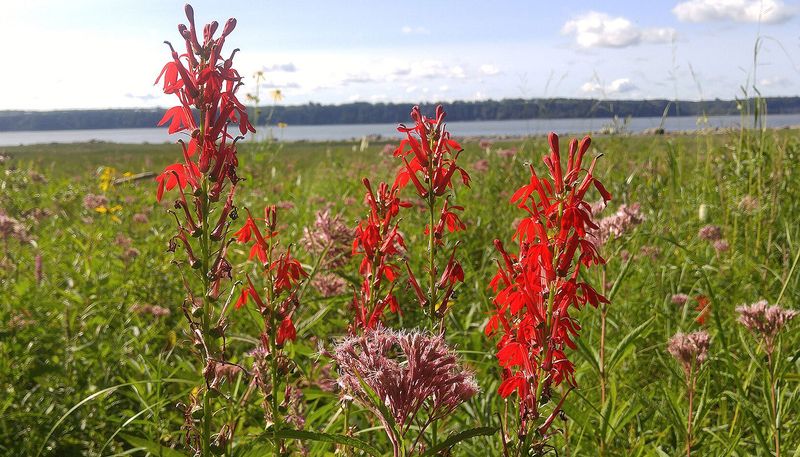
Nothing in the native palette matches the red of cardinal flower. Its tall scarlet spikes appear in late summer, and ruby-throated hummingbirds treat them like a fueling station before migrating south.
It wants consistently moist soil, which makes soggy clay a perfect match. It also tolerates more shade than most sun-loving wildflowers.
Plants can be short-lived, so let a few go to seed or leave the basal rosettes uncovered by thick mulch in winter. New plants often pop up nearby.
9. Golden Ragwort
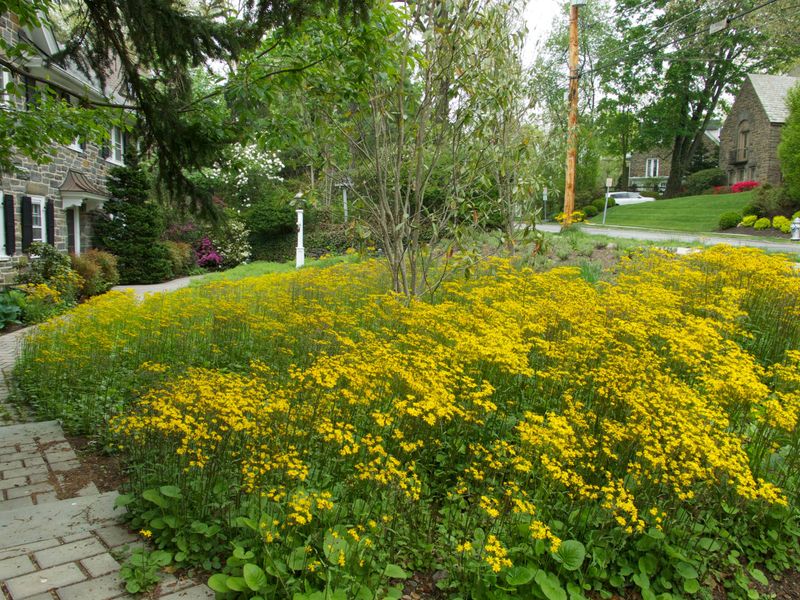
Got a damp, shady patch where grass gives up? Golden ragwort turns that problem spot into a sheet of yellow in March and April.
It forms a low, semi-evergreen groundcover that spreads steadily through wet clay. Early bees feed on the flowers when little else is blooming.
Think of it as a native swap for invasive groundcovers like English ivy or vinca. Plant it this fall and it can start knitting together by spring.