
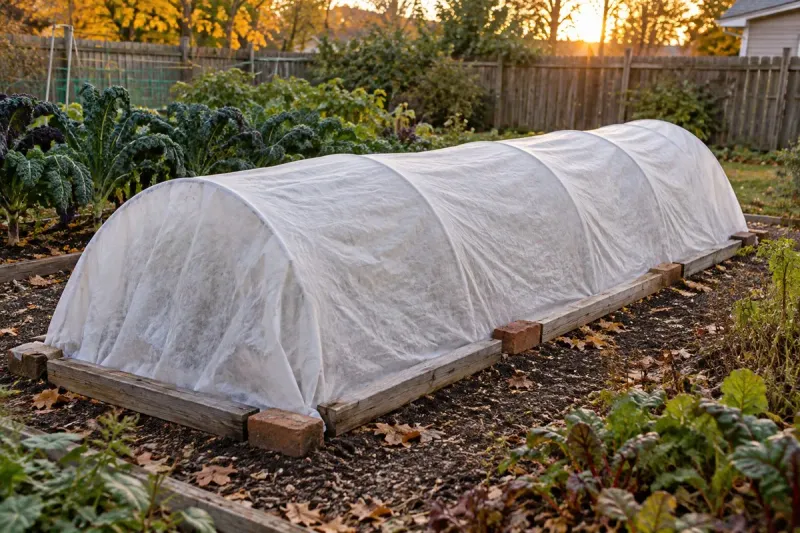
You walk out to the kale bed after a chilly night and the leaves look rough, or they tear when you pick them. It is easy to wonder if the cold did it, and if a sheet of frost cloth would have fixed it.
The truth is a little more interesting. Here is what frost cloth can really do, what else shapes how kale eats, and how to build a routine that fits Florida and Texas.
What can make kale leaves feel tough?
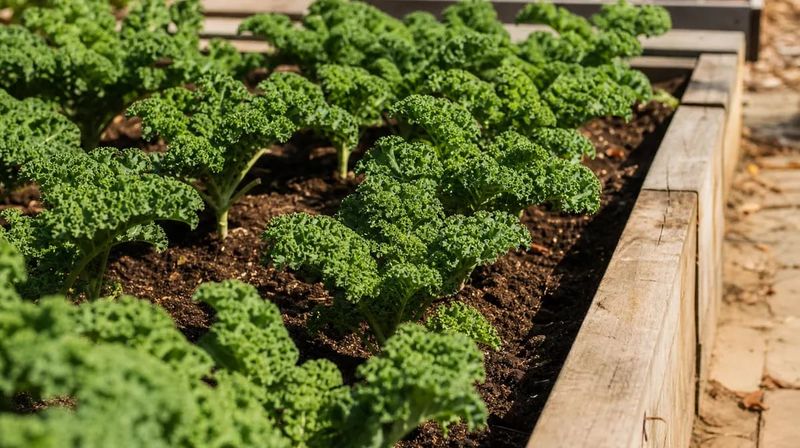
Tough, torn leaves after a cold night can look like an open-and-shut case. Still, the sources reviewed do not establish a cold snap as the cause of tough kale leaves.
They also do not rule cold out as one possible contributor, so it is worth checking other things first.
Two factors have solid backing. NC State Extension guidance on kale says younger center leaves are tender while older, larger leaves are chewier, and that drought can hurt leaf quality and flavor.
A big outer leaf that has been on the plant for weeks may simply be showing its age.
Research on curly kale adds another wrinkle. A study of curly kale found that nitrogen treatment explained most of the differences in sensory quality, while frost mainly affected aroma and texture.
So a tough leaf can have several roots.
Frost protection and eating quality are also two separate jobs. A cover is about limiting frost exposure.
Leaf age and moisture are about how the plant tastes and chews, so check those before blaming one cold night.
Cold can change kale sugars, but sweetness is not guaranteed
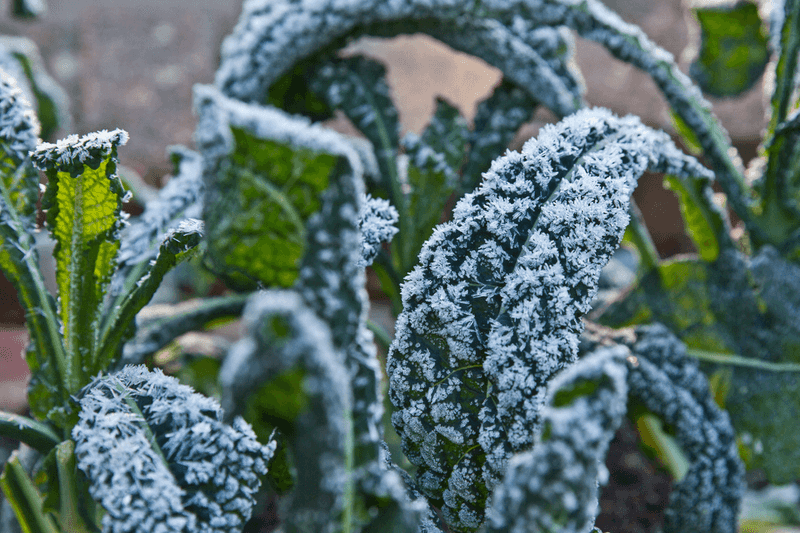
Kale is a cool-season crop, and cold really can shift what is inside its leaves. In a controlled experiment, researchers studying cold acclimation in kale measured higher soluble sugars and suggested this may improve taste.
That is a lab measurement, though, not a promise about your dinner plate.
Field results are less tidy. A screening of 26 kale accessions found that short-term frost changed sugar profiles, but responses varied among genotypes.
Your variety may react differently from the one in a study.
Taste and texture are another step removed from sugar numbers. In the curly kale work mentioned earlier, the authors cautioned growers not to rely on frost alone to change sensory quality, since fertilizer and plant age mattered more.
The practical takeaway: do not count on a cold night to sweeten or soften your crop, and do not expect a cover to create sweetness either. Taste a few leaves and let your own plants be the guide.
Use moisture and harvest habits to support leaf quality
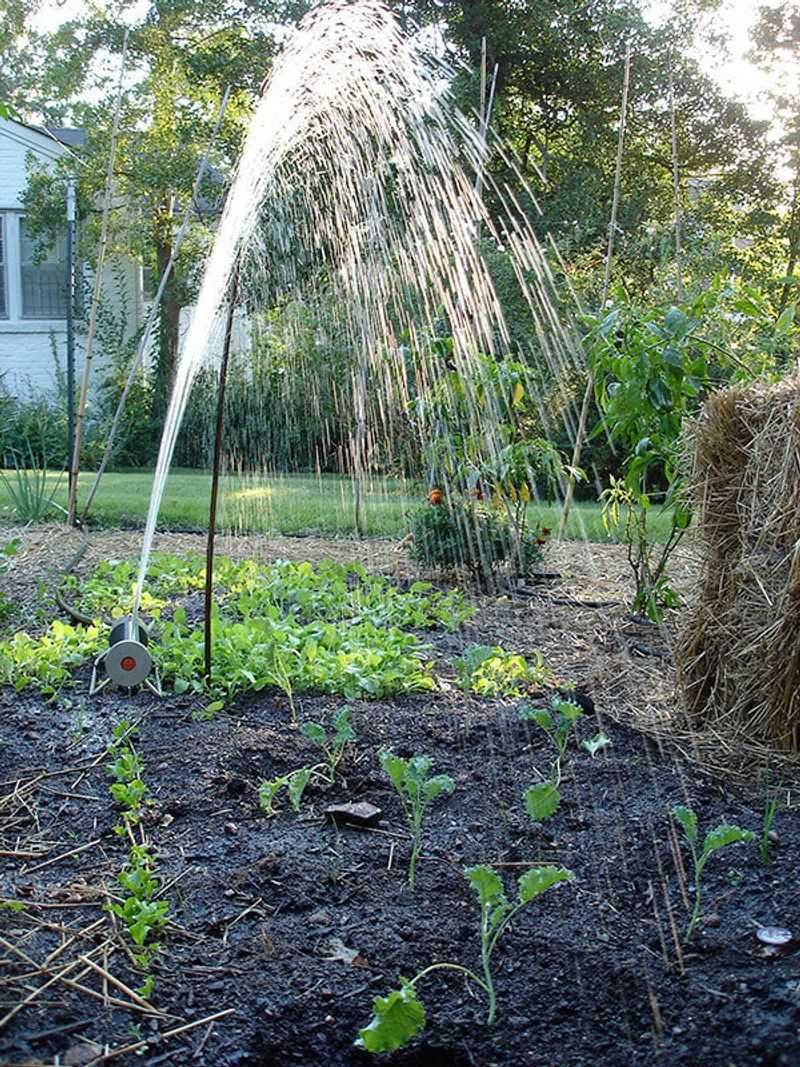
Some of the best kale care works with or without any fabric. Start with water.
Consistent moisture matters because NC State Extension notes that drought can harm both leaf quality and flavor.
A soaker hose or drip line makes this easier, and a layer of mulch slows evaporation. In sandy Florida soil or on a windy Texas lot, check the bed by pushing a finger a couple of inches down.
If it is dry there, it is time to water.
Next comes harvesting. Pick the large outer leaves and leave the center to keep growing.
Regular picking keeps older leaves from piling up and gives the young center leaves, which tend to be more tender, room to develop.
Try a simple habit: take a few outer leaves every week or so rather than stripping the plant once. None of this prevents every cause of tough leaves, but it handles two factors you can actually control.
Treat frost cloth as a modest buffer
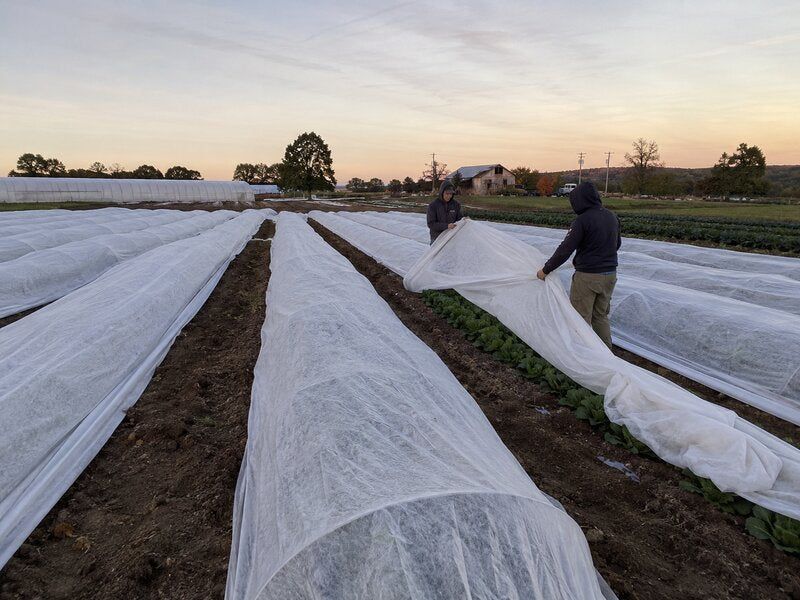
Think of frost cloth as a light blanket, not a heater. UGA Extension reports that floating row covers typically offer about 2 to 4 degrees Fahrenheit of freeze protection.
That can be enough to get a bed through a light frost.
Published ranges vary with the material. USU Extension describes protection that changes with fabric grade, with roughly 24 to 28 degrees Fahrenheit given as a range for many covers.
Treat those as general figures, since your fabric, bed, and weather will differ.
Kale has its own limits too. University of Minnesota Extension gives about 20 degrees Fahrenheit as a survival point in its regional guidance, but that is not a universal threshold for every variety, plant condition, or freeze length.
A severe or prolonged freeze can overwhelm a cover. As USU’s row cover overview suggests, covers are a way to help extend the harvest, not a guarantee.
Cover the bed before sundown and secure the fabric
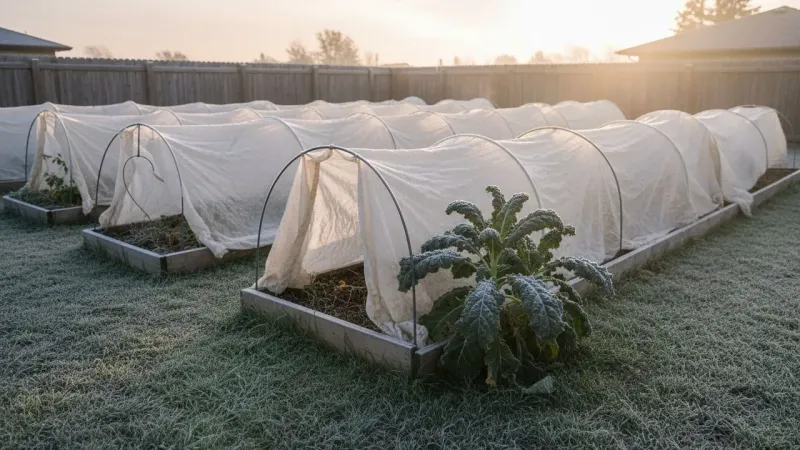
When a frost shows up in the forecast, timing counts. UGA guidance advises putting covers on at least an hour before sundown, so the soil’s stored warmth gets tucked in before the air cools.
Drape the fabric so it reaches the ground, then pin, weight, or bury the edges so wind cannot lift it. Row cover fabric is permeable, which means air and water pass through, as USU Extension explains.
Wind can turn loose cloth into a leaf-rubbing nuisance. USU’s vegetable guide suggests securing covers well and considering hoops if the fabric flaps or presses hard on the plants.
Simple wire or PVC hoops lift it clear.
Plastic is a different tool. Texas A&M’s cultural practices guide covers row covers, and plastic can trap more heat, so it may need daytime monitoring or ventilation.
Do not leave it sealed on a sunny morning.
Follow local planting guidance in Florida and Texas
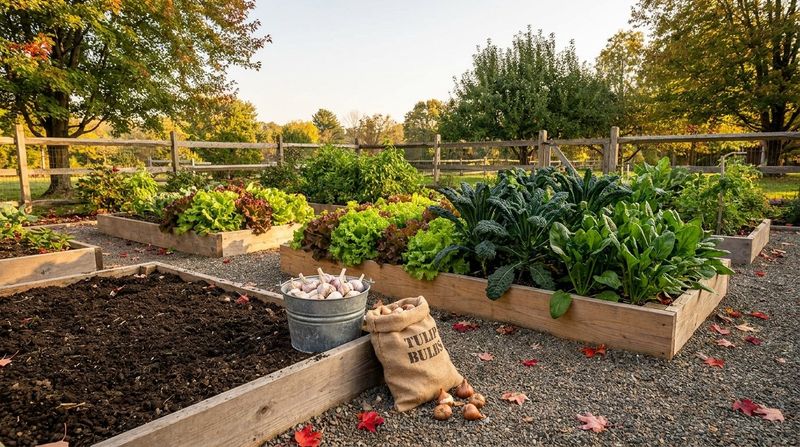
There is no single Southern overwintering recipe. Florida and Texas differ, and so do regions within each state, so your local calendar and forecast should drive the plan.
For Florida, the UF/IFAS home-garden planting table lists outdoor kale planting windows that vary by region: generally September through February in North and Central Florida, and September through January in South Florida. Many Florida gardeners may rarely need cover at all.
Texas is more variable. Texas A&M’s ezGardening series describes kale as a cool-season crop and lists fall planting, while its Fall Vegetable Gardening Guide reflects how widely growing conditions change across the state.
A Panhandle garden and a Rio Grande Valley garden are very different places.
Check your county Extension office for planting dates, and watch the local forecast a few days ahead. Those two sources can tell you whether and when a cover is worth the effort.
Use cloth to extend harvest, not promise tender leaves
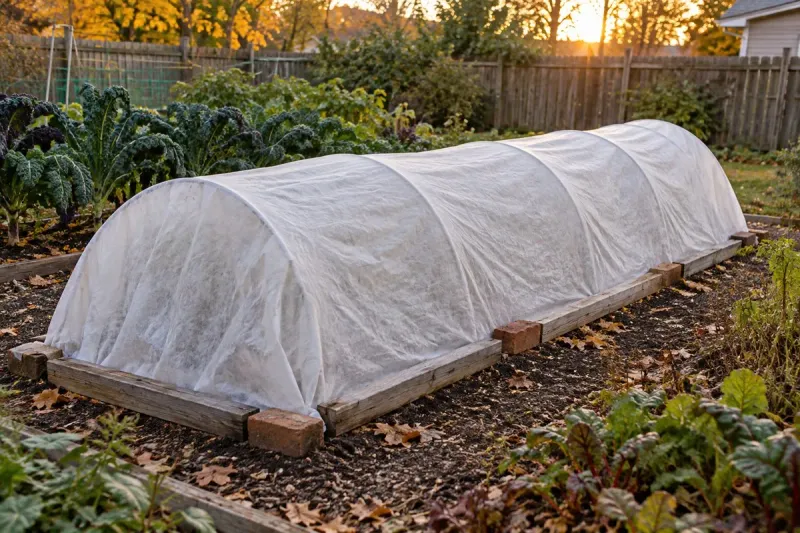
Keep the soil evenly moist, pick the large outer leaves often, and secure fabric ahead of a light frost when your local forecast calls for it. NC State Extension backs the watering and picking habits, and UGA describes covers as a small temperature buffer.
Cloth may buffer frost and stretch your harvest, but it cannot promise sweetness, tenderness, or safety from a hard freeze. Think of it as extra time at the kale bed, and the plants will tell you the rest.