
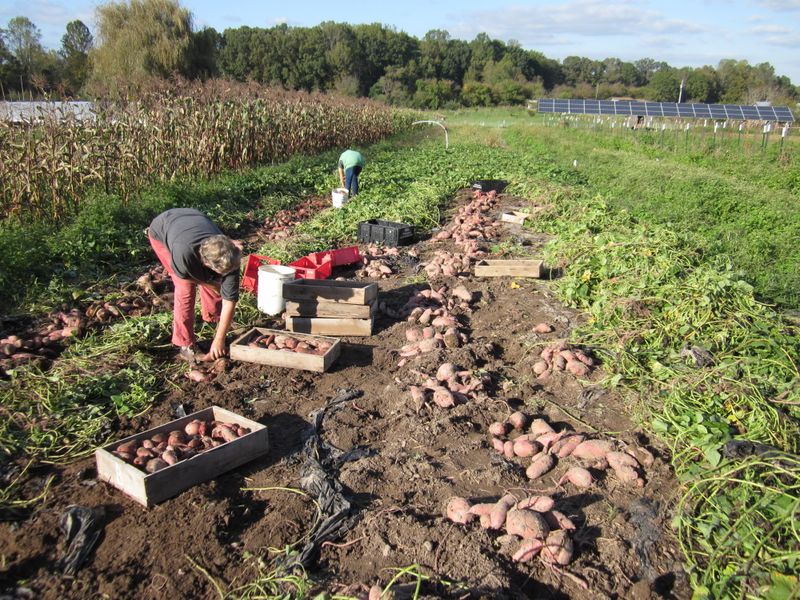
Sweet potatoes grow quietly underground, so it is easy to forget them as fall weather shifts. Cold nights can lower the quality of the roots, but the right time to dig depends on your yard, not a date on the calendar.
A few quick checks of soil, vines, and the forecast can protect a crop you worked on all season. Here is how to decide when to dig and how to turn those roots into a sweet, storable harvest.
A cold snap is a warning, not an automatic rot sentence
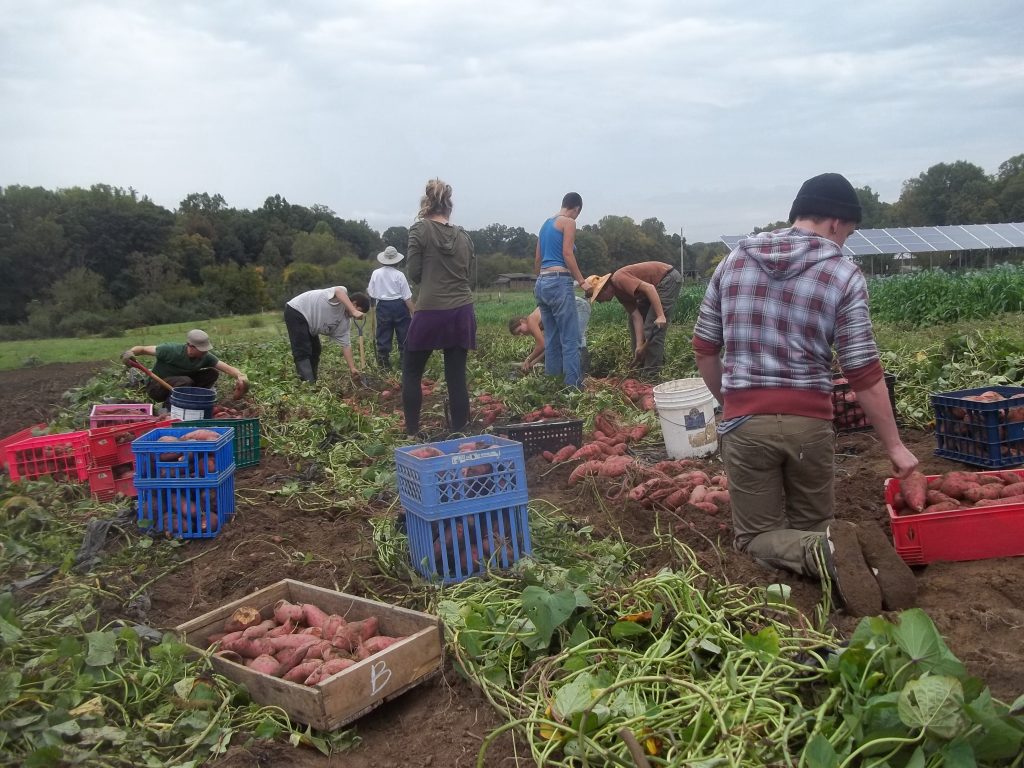
Chilly nights are a signal to pay attention, not a reason to panic. Cold exposure can hurt root quality and shorten storage life, but a first light frost does not automatically ruin every root under the soil.
Air temperature and soil temperature are two different things. A frosty morning may nip the leaves while the soil around the roots stays milder, and soil holds warmth longer than the air above it.
Iowa State guidance says harvest may wait until just after a first frost if the soil stays above freezing, while other sources favor digging before frost.
That mix of advice is useful. It tells you that local conditions set the urgency.
A hard freeze is a bigger threat than a light frost, and Penn State Extension suggests harvesting before frost or before soil drops below about 55°F. Watch your forecast, check the soil, and let those details guide the day you dig.
Illinois Extension adds that frost-killed vines call for quicker action.
Use soil temperature and root size to choose when to dig
Extension sources give warning thresholds that range from about 50°F to 60°F. Mississippi State advises digging before soil falls below 60°F, while UMass Extension points to chilling injury below 55°F.
Think of these as warning ranges, not a line where every crop suddenly fails.
Push a soil thermometer about four inches deep near the plants in the morning. Then dig one representative plant and look at the roots.
If most have reached a size you like, you can start harvesting. If they are small and the forecast is mild, they may keep growing a bit longer.
No single deadline fits the whole South. UF/IFAS describes sweet potatoes as a long-season, warm-weather crop in Florida, and Texas A&M AgriLife ties planting plans to the expected fall soil cooldown.
South Florida and the Texas Panhandle simply run on different clocks.
Cold, saturated soil, and bruises threaten storage in different ways
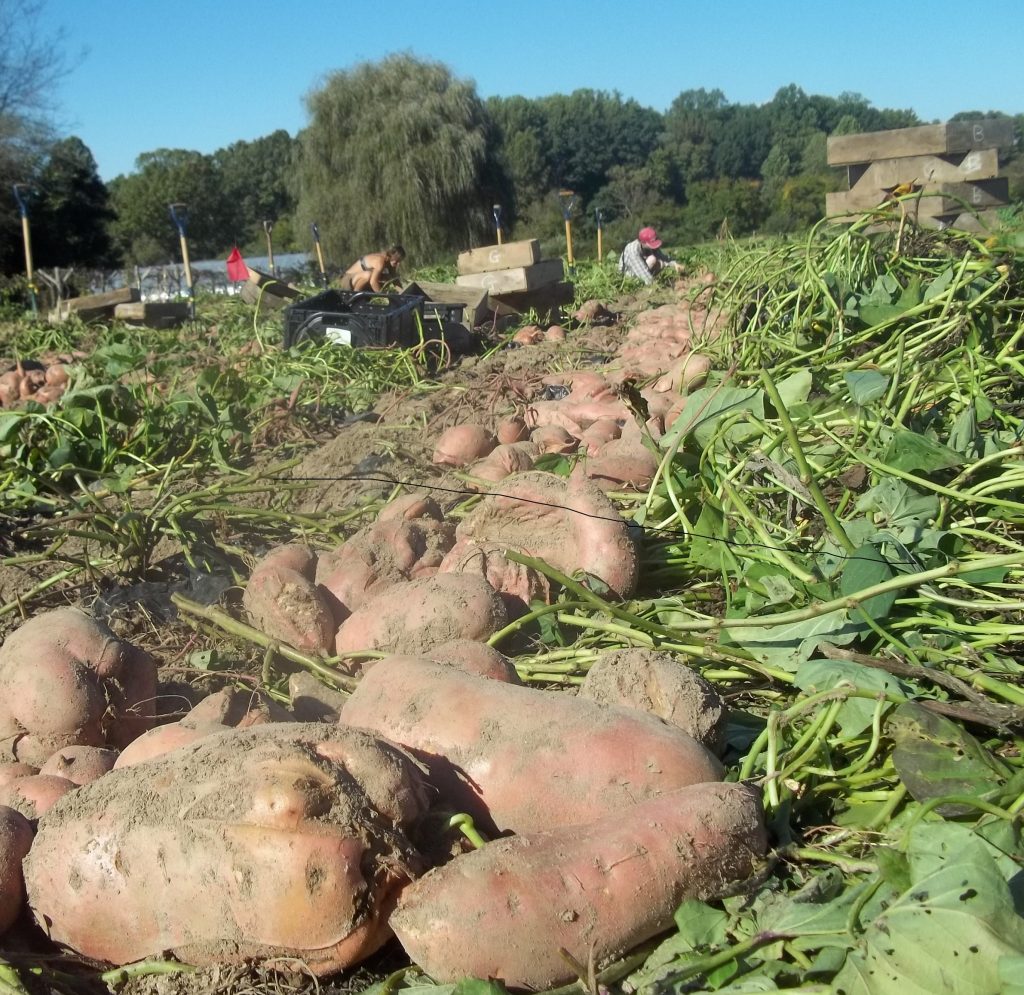
Poor storage quality has more than one cause, and cold is only one of them. Prolonged cold exposure can cause chilling injury, which lowers keeping quality.
Roots respond differently depending on how long and how cold the exposure was.
Wet soil is a separate problem. UMass Extension warns that saturated, low-oxygen soil before harvest can promote rapid decay in storage.
After a stretch of heavy rain, pay extra attention to drainage and dig on a drier day if you can.
The third risk is the one you control most. UC Davis postharvest specialists note that sweet potato skin is easily damaged, and wounds can give decay organisms a way in.
A forkful of careless digging can do more harm than a cool night.
Knowing which threat you face helps you act sensibly. Cold soil calls for timely digging, soggy soil calls for patience and drainage, and fragile skin calls for gentle hands.
Harvest promptly when frost kills the vines
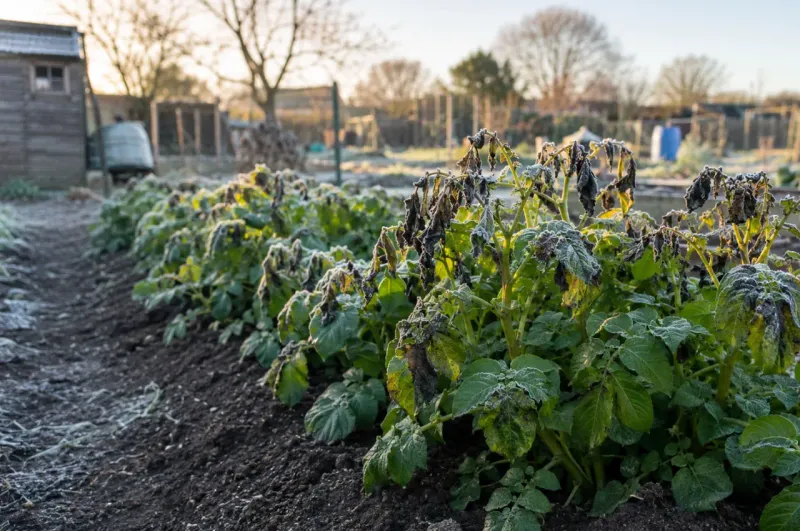
Blackened, wilted vines are a clear sign to move. Illinois Extension advises cutting the dead vines away and harvesting promptly, since damaged tops left attached can raise decay risk.
A light frost that only nips a few leaves is a different situation. The soil may be unfrozen, and the roots below may be fine.
In that case, Iowa State notes that harvest can wait a short time as long as the soil stays above freezing. Keep an eye on the forecast, because a hard freeze changes the plan.
If life gets in the way and you cannot dig right away, University of Maryland Extension suggests covering the rows with loose soil for protection. Treat that as a short-term fix.
Keep checking soil conditions and the weather, and dig as soon as you can.
Lift roots gently to protect their skins
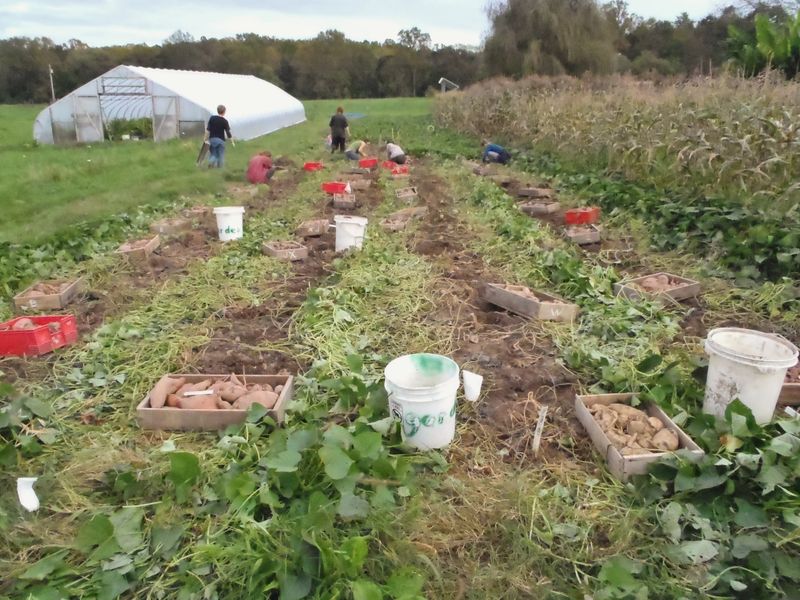
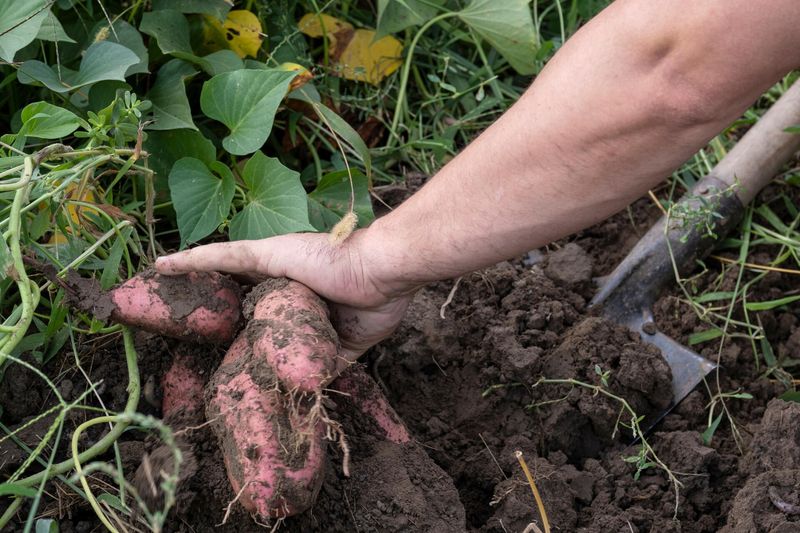
Start well away from the center of the plant, because roots spread wider than you might expect. Mississippi State Extension recommends loosening the soil away from the crown with a fork or shovel.
Work around the plant in a circle, then ease the roots up by hand.
Sweet potato skin scrapes and bruises very easily. Even a small nick can shorten storage life or invite decay, according to UC Davis.
If your fork spears a root, set it aside to eat first rather than storing it.
Once the roots are out, brush off the loose soil with your hands or a soft cloth. Skip the hose.
Washing before curing or storage adds moisture and is not recommended. Handle each root like a ripe peach, and place it in a shallow box instead of tossing it into a bucket.
Cure roots intended for storage
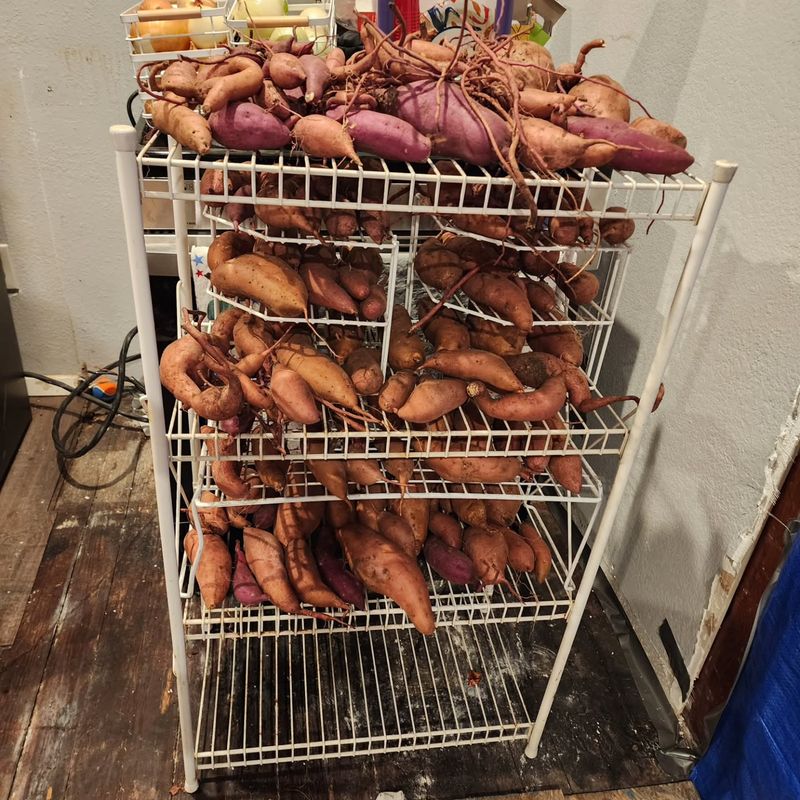
Curing gives harvest wounds time to heal and helps flavor develop. Mississippi State recommends 80 to 85°F with 85 to 90 percent relative humidity for 7 to 10 days.
Guidance varies from source to source, so treat that as one workable approach.
Warm and humid does not mean sealed and overheated. Penn State Extension stresses airflow and heater safety.
Keep air moving, never close roots into an airtight box, and be careful with any heat source.
Not everyone has a perfect curing space. Maryland Extension says roots can still be kept in a basement, though healing and sugar conversion will take longer.
A slower cure still beats none, so use the best spot you have and check the roots often for soft spots.
Store cured roots in a cool, dark place
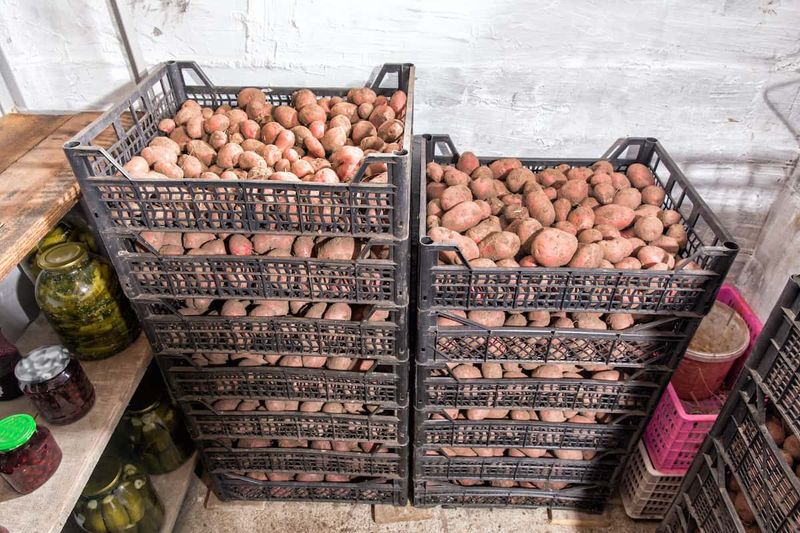
After curing, roots settle into a quieter routine. Aim for a dark spot around 55 to 60°F, which Mississippi State Extension lists for cured roots.
A cool closet, an insulated garage corner, or a pantry away from the stove can fit that range.
Skip the refrigerator. It is colder than sweet potatoes like, and chilling can hurt their quality.
Iowa State Extension also advises keeping them out of cold storage.
Use a breathable container such as a cardboard box with holes or a slatted crate, and keep it off damp floors. Check every week or two and pull out any root that feels soft or smells off so it does not affect its neighbors.
Southern homes often run warm, so a thermometer placed near the crate takes the guesswork out. No setup guarantees a set shelf life, so eat the oldest roots first.
Allow time for flavor to develop
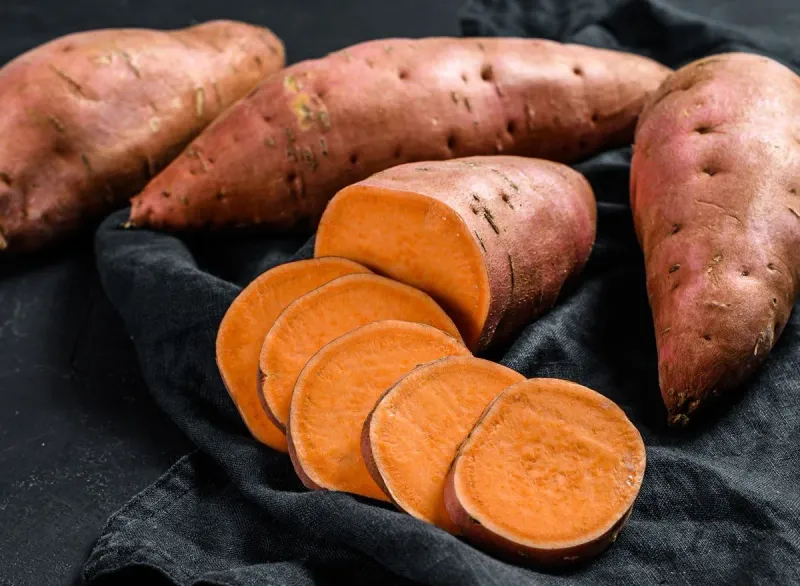
Sweetness is the reward for all that care, but it builds gradually. Curing and storage let starches convert to sugars, and flavor improves over time.
Variety and handling also matter, so two types from the same bed can taste quite different.
UMass Extension recommends waiting several weeks for maximum eating quality. If you cannot resist a taste test sooner, go ahead, but expect the flavor to deepen with time.
Remember that the harvest date itself is yours to choose. Check root-zone soil, vine condition, the forecast, and a sample plant before you grab the fork, rather than counting on a blanket deadline.
A patient gardener ends up with the sweetest pie.