
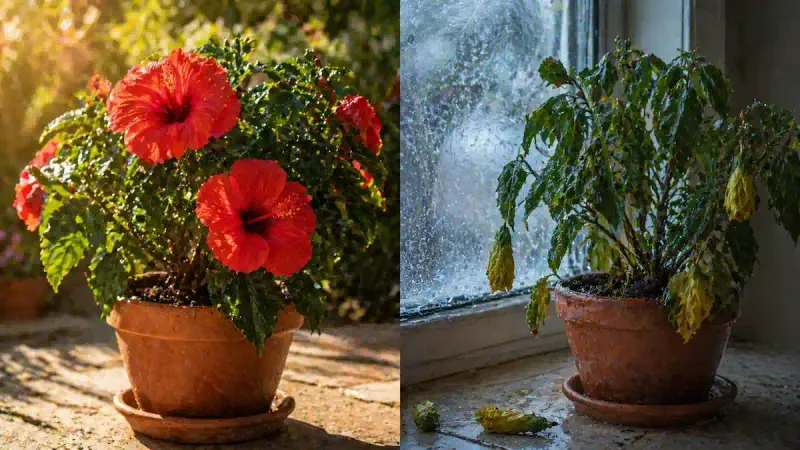
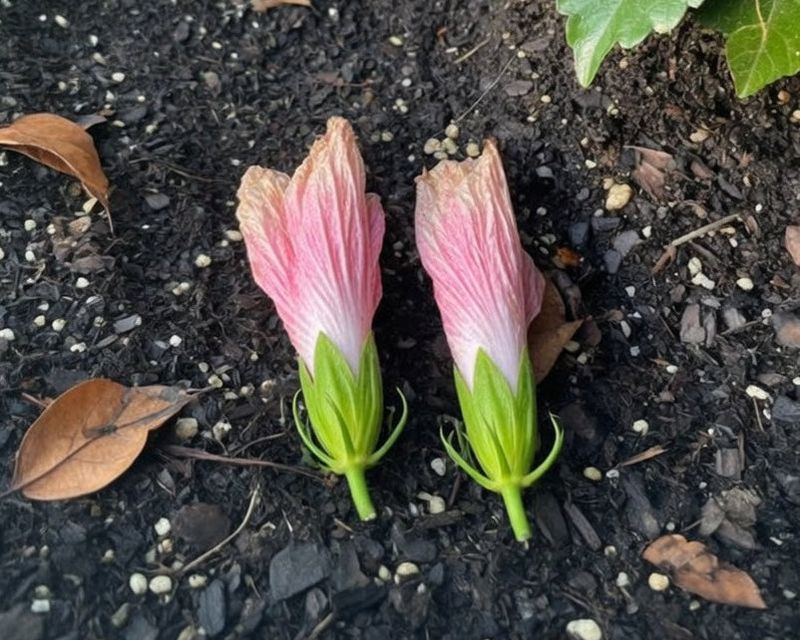
Your tropical hibiscus was covered in fat buds last month, and now they are dropping onto the patio. It looks alarming, but a fallen bud is a signal to check conditions, not a death notice.
Cooler nights are one common trigger, and what you do over the next few weeks can support the plant’s chances of blooming again. Here is how to read the signs and respond for your own yard.
A dropped bud is not proof that the plant is dying
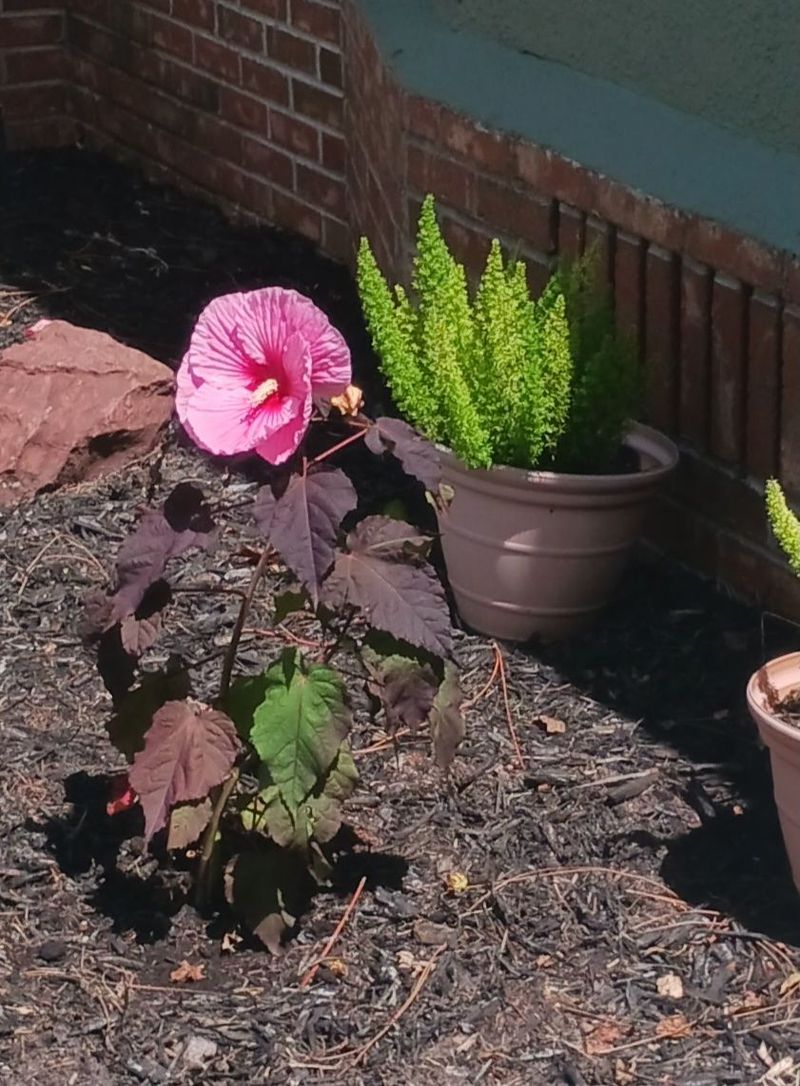
The plant in question here is tropical hibiscus, Hibiscus rosa-sinensis, the glossy-leaved shrub with big flowers in red, orange, pink, and yellow. It is not the same as hardy perennial hibiscus, which dies back to the ground each winter and handles cold far better.
Other hibiscus species also differ, so confirm what you have before using any winter advice, and a Clemson Extension fact sheet can help you tell them apart.
A few buds on the ground do not mean the plant is failing. Bud drop is a stress response, and it can happen while leaves and stems stay healthy.
If the foliage is green and firm and new growth keeps appearing, the plant is still working.
That reassurance has a firm limit. Freezing temperatures can seriously injure or kill a tropical hibiscus, as Smithsonian Gardens care guidance notes.
How a plant recovers depends on the plant itself and on how cold it got and for how long.
One Southern California cultivar study, published by UC ANR, reported that established, healthy plants tolerated brief, slightly subfreezing temperatures and recovered. Treat that as limited evidence, not a promise.
Your cultivar, your site, and the length of the freeze may all turn out differently.
Cool nights can interrupt flowering before frost arrives
Frost is not required to throw a hibiscus off its schedule. Tropical hibiscus generally prefers temperatures above 50°F, and when nights slip below that, or swing sharply from warm days to chilly evenings, the plant may drop buds or stop making new ones.
Smithsonian Gardens and University of Minnesota Extension both describe this pattern.
This is different from freeze injury. Cool-night stress shows up as lost buds and slowed flowering, while leaves stay mostly normal.
Freeze damage looks harsher, with blackened or limp leaves and soft, discolored tips, and it can be serious.
Where you garden changes the picture a lot. Coastal yards often stay mild enough for outdoor growing, while inland valleys can see occasional freezes and sharp day-to-night swings.
Low-desert sites may face cold snaps along with intense heat, a mix that the UC ANR study also points to when it discusses regional differences.
A practical habit is to keep a min-max thermometer near the plant for two weeks. Your own overnight lows will tell you more than a regional forecast.
No single temperature or strategy fits every California garden.
Protect plants when a frost threatens
When a frost warning lands in the forecast, act the same afternoon. UC ANR frost guidance suggests moving potted sensitive plants next to a sunny building wall, where stored heat radiates out after dark.
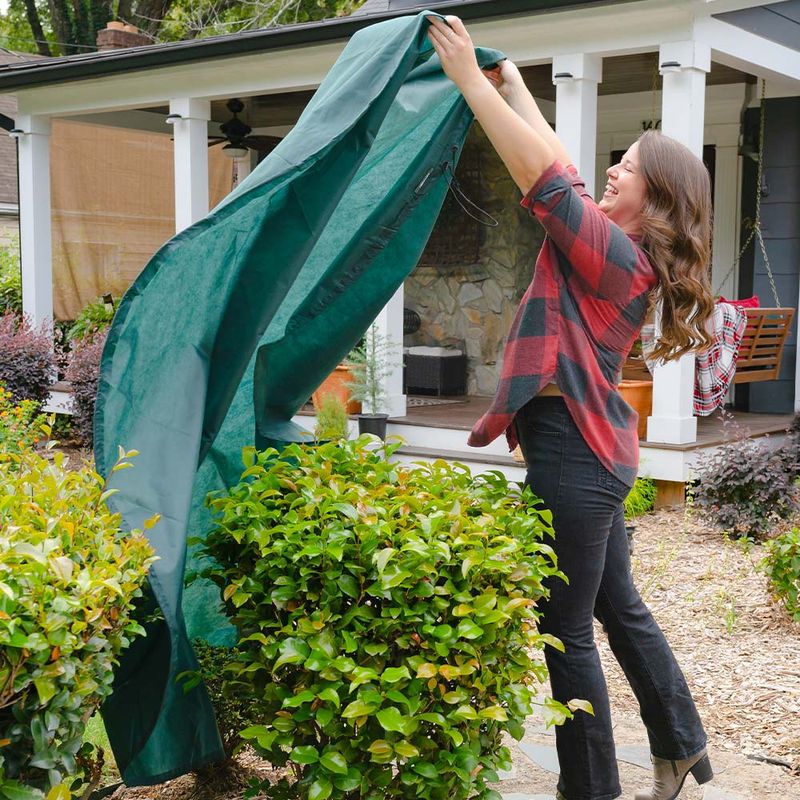
Near sunset, cover the plant. A frost cloth or old bedsheet works, and a few stakes or a tomato cage can hold the fabric up so it does not rest on the leaves.
Covers that sag onto foliage can weigh it down and let cold pass straight through at the touch points.
Remove the cover the next morning once temperatures rise. Leaving it on can trap moisture and block the light the plant needs during the day.
For an in-ground shrub, cover the whole canopy and let the fabric reach the soil so some ground warmth stays underneath. Check the cover again before bed if wind picks up.
Be candid with yourself about what this does. Covering is short-term protection for a light, brief frost.
It does not guarantee that a tropical hibiscus will survive a hard or prolonged freeze. If your area gets those, a frost-free spot for a container is the safer bet.
Shift potted hibiscus to winter care
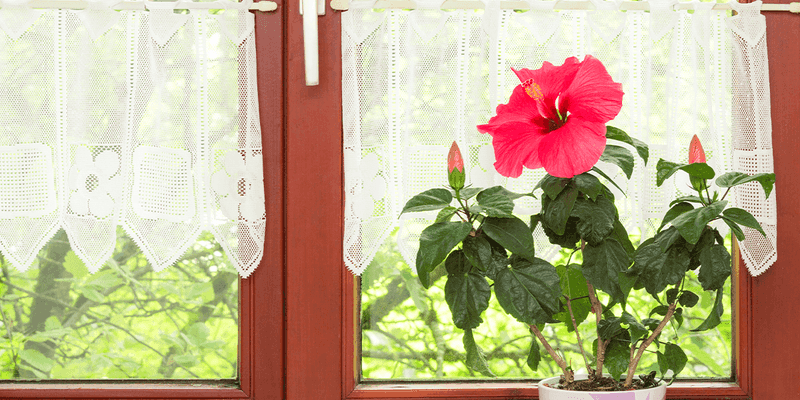
Container plants have one big advantage: you can move them. Plan to bring a potted tropical hibiscus indoors, or to a protected, frost-free spot, before nighttime temperatures regularly fall into the low-to-mid 50s°F.
That is container guidance, not a universal safe-temperature line, and University of Maryland Extension covers the general overwintering routine.
Before the pot crosses the threshold, look it over. Check the undersides of leaves, the stem joints, and the soil surface for whiteflies, aphids, scale, or other hitchhikers.
Rinsing the foliage and removing any fallen debris keeps problems from spreading to your houseplants.
Indoors, give it the brightest window you have, ideally south-facing. Light matters because a dim spot can push the plant into leaf drop on top of any bud loss.
Water less than you did in summer. The Smithsonian Gardens care sheet advises keeping the root ball evenly moist but never waterlogged.
Check the top inch of soil and empty the saucer after each watering.
None of this is a rule for hibiscus planted in the ground. Coastal in-ground plants may stay outside most winters, while inland and desert gardeners may rely on covers or a decision to replant.
Your site sets the plan.
Check water, feeding, and buds for other causes
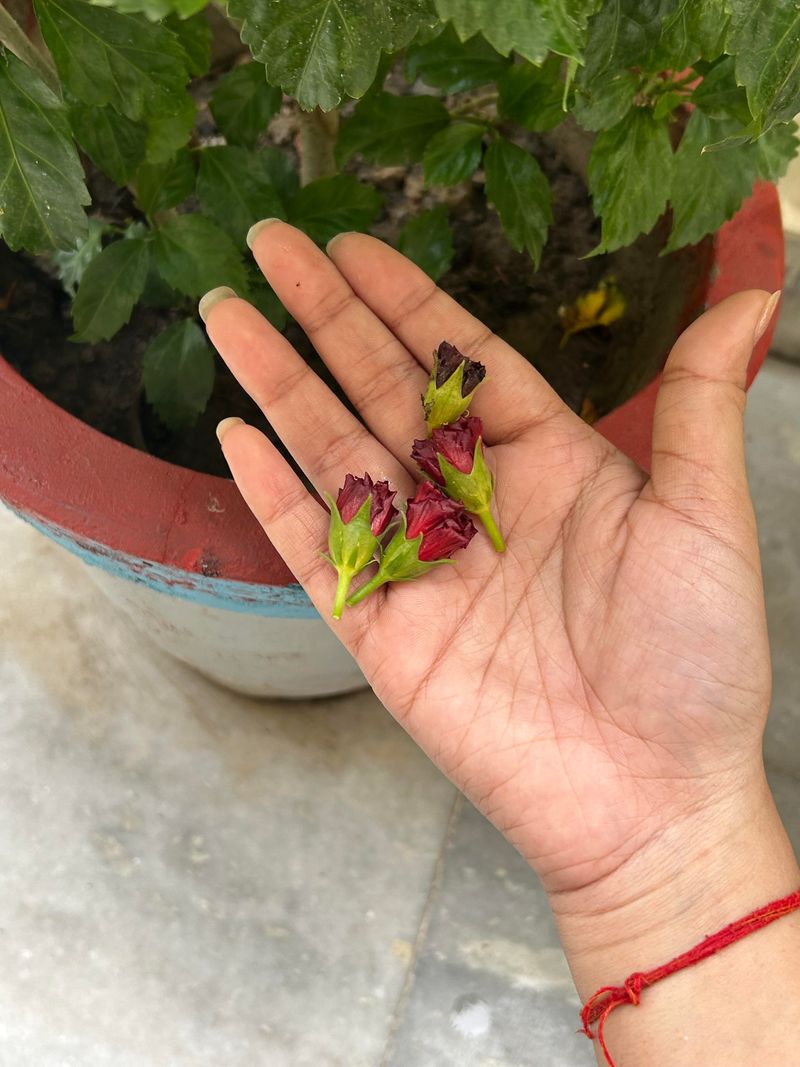
If buds keep falling even after nights warm up, stop blaming the weather and start investigating. A UF/IFAS Extension article on hibiscus bud drop lists several suspects beyond cold, including overwatering, drought, excess nitrogen, alkaline soil, heat, nematodes, and bud-feeding insects.
Start with water. Aim for a root ball that is evenly moist but drains well, since too much and too little can both cause buds to fall.
In cooler weather the plant uses less water than during active summer growth, so scale back and check the soil by hand before each drink.
Next, look at feeding. A fertilizer heavy in nitrogen can push leafy growth at the expense of flowers, and the same UF/IFAS source names it as a possible bud-drop contributor.
Check the label and favor a balanced or lower-nitrogen product if you feed at all.
Then examine the buds. Pick up fallen ones and gently open a few, and look at unopened buds still on the plant for chew marks, holes, or small grubs inside.
The UF/IFAS hibiscus bud weevil publication lists collecting and destroying dropped buds as a cultural control, so bag them rather than composting.
Hold off on spraying. Some pests develop inside the bud, where a spray may not reach, and treatment should follow a confirmed identification, local expert advice, and the product label.
Inspection and cleanup come first. Varieties also differ in how readily they hold buds.
Support recovery and future flowering without guarantees
Next summer’s flowers depend on a chain of things: whether the plant survives the winter, whether it puts out new growth, and whether it gets suitable light and care. One cold spell or one protective action does not settle it, which is why the steps in this article support your chances rather than ensure a result.
Hibiscus flowers on new wood, and UC IPM notes that full sun and regular water support good flowering. Aim for a spot with plenty of light once it is growing again, and keep watering steady as spring warms.
Pruning is a choice here. Cutting back removes the wood that would have carried buds, so blooms can be delayed while the plant regrows, and there is no promise it will flower earlier or heavier afterward.
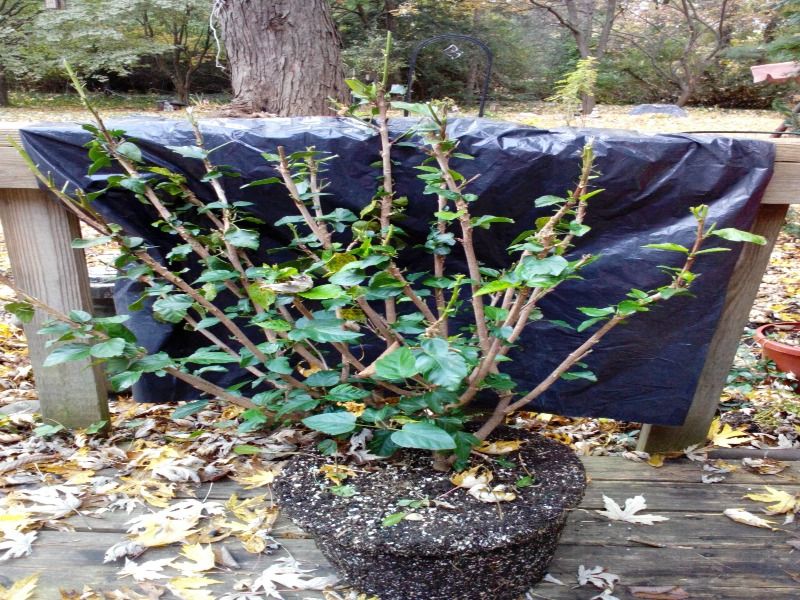
If cold has hit, UF/IFAS Extension advises waiting before cutting, because damaged-looking stems may still be alive and you can see what recovers.
Scratch a stem lightly: green underneath suggests living tissue, while brown and dry suggests dead wood. Leaf and stem injury also does not prove the roots are gone, as the UC ANR cultivar study shows for recovering plants after slight freezes.
A fallen bud is a cue to look closer at light, water, feeding, and pests. A shrub that drops a few buds in October may still be putting its energy where it counts.