
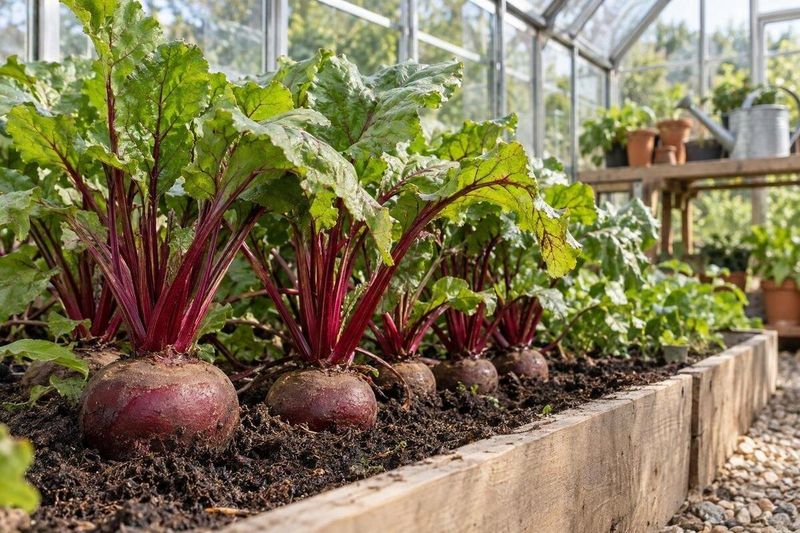
You pull a beet from the row and find a root barely bigger than a marble. Beet seeds are sneaky, because one seed can sprout a whole huddle of seedlings that shoulder each other for space.
If your bed never got thinned, there are still smart steps you can take now. Here is what thinning can do, what it cannot, and how to time your next planting for your part of the South.
Crowding can limit roots, but it does not explain every woody beet
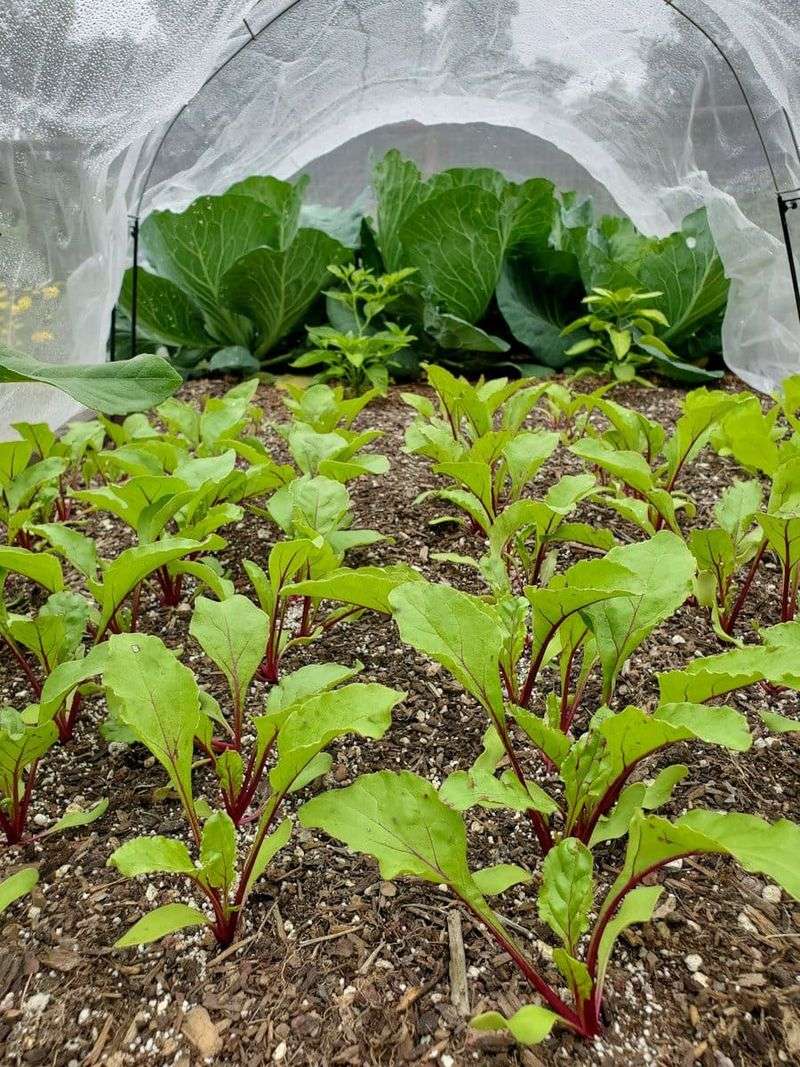
Picture a row where beet tops are packed shoulder to shoulder. Underground, the roots are fighting for the same soil, water, and light-fed energy.
That kind of overcrowding is linked to poor root development, so a bed that was never thinned can easily end up with disappointing, undersized beets.
Small and woody, though, are two different problems. Virginia Tech Extension lists woody texture separately from crowding, with causes such as high temperatures, a lack of water, and roots that have grown too large.
A tiny beet can be tender, and a big one can be tough.
That is why this guide sticks to practical steps rather than promises. Thinning a crowded bed may ease the competition that is still going on, and you will see how to do it with little root disturbance.
It cannot rescue every root, and it cannot undo woodiness that heat or dry spells have already caused. Think of it as a smart fix for one common mistake, not a cure-all.
Beet seed clusters can produce crowded rows
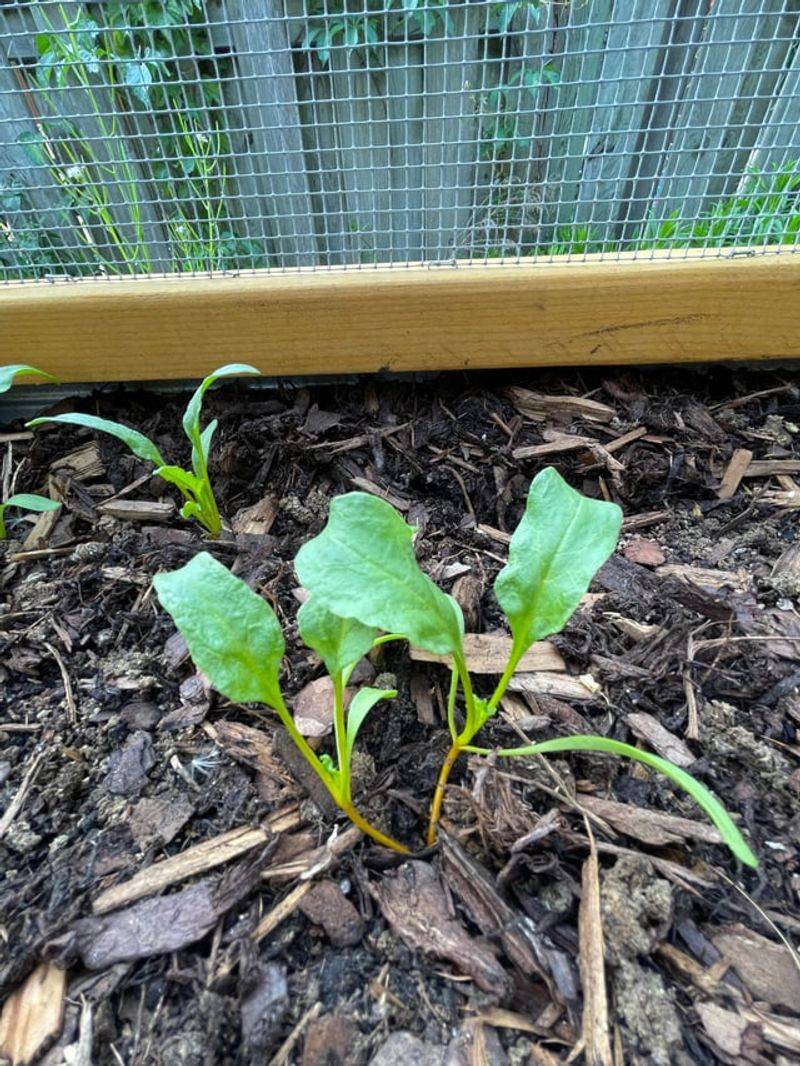
Even a careful sower can end up with a jammed row. What gardeners call a beet seed is really a rough little cluster, and a cluster can send up several seedlings right next to each other.
Not every cluster does, but plenty of them do, so a neat line of seed can turn into a thick green ribbon.
Spacing guidance helps you picture the goal. UF/IFAS recommends thinning sprouted seedlings to about 2 to 4 inches apart.
Iowa State suggests acting when seedlings are around 3 inches tall and keeping the stronger ones. Check your seed packet too, since variety directions can differ a bit.
Why does space matter so much? A beet is a swelling root, and each one needs room to bulge out.
Seedlings jammed together share the same patch of soil and moisture, so each gets a smaller slice. If you spot clumps of two, three, or more stems rising from a single spot, that is a clear sign your bed is crowded.
Thin crowded rows to reduce ongoing competition
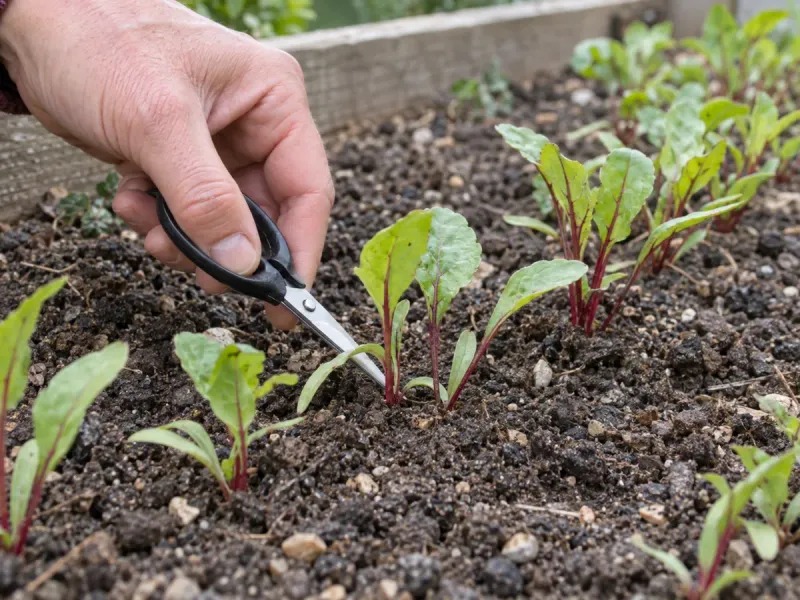
Start by walking the row and choosing the sturdiest plants. Aim to leave them roughly 2 to 4 inches apart, and follow your variety’s instructions if they give a number.
Take out the weakest, smallest, or most tangled plants first.
To keep neighbors undisturbed, snip unwanted seedlings at the soil line instead of yanking them. NC State Extension gives this advice for thinning seedlings, since pulling can tug on the roots of the plants you want to keep.
Water gently afterward so the soil settles.
Now for the honest part. Utah State Extension advises thinning crowded beets for better root size, but nothing shows that late thinning will reverse small roots or bring them to full size before harvest.
What it can do is reduce the competition that is still happening. Treat it as a sensible correction, and check your variety’s spacing on the UF/IFAS beet page if you need a Florida reference point.
Protect the roots left in the bed
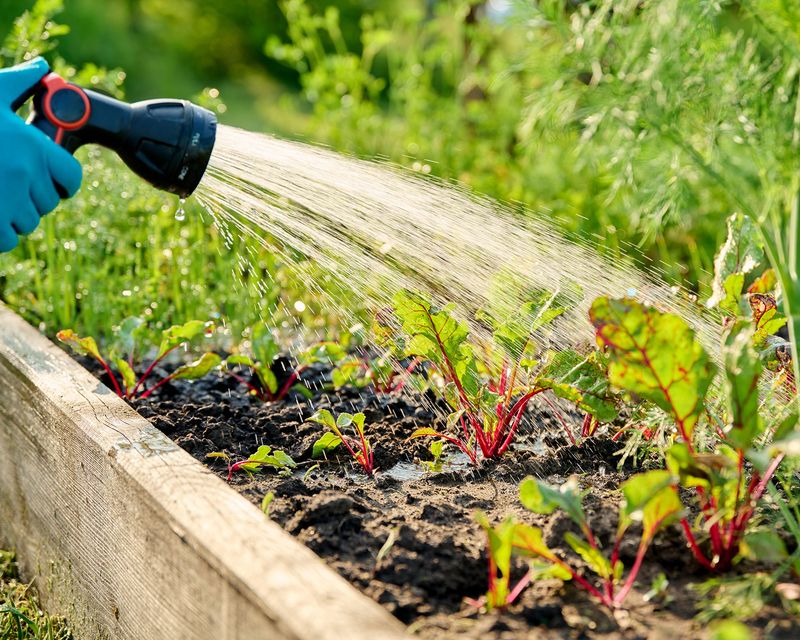
Once the extra plants are gone, the survivors need steady care. Keep the soil evenly moist, because swings between soggy and bone dry stress roots.
Utah State Extension recommends uniform moisture and cautions against root pruning. In hot Southern beds, a thin layer of mulch can help hold moisture.
Weeds are the next concern. Texas A&M AgriLife Extension notes that weeds compete with beets for moisture and that deep cultivation can injure the roots.
Pull small weeds by hand, or scratch the surface only shallowly with a hoe.
Treat all this as good everyday care, not a cure for woody texture. Skip extra fertilizer unless a soil test points to a need.
Texas A&M also notes that beets are sensitive to boron deficiency, but it advises testing the soil or calling your county Extension office first. Borax is not a routine fix.
Use tender thinnings and judge roots by size and condition
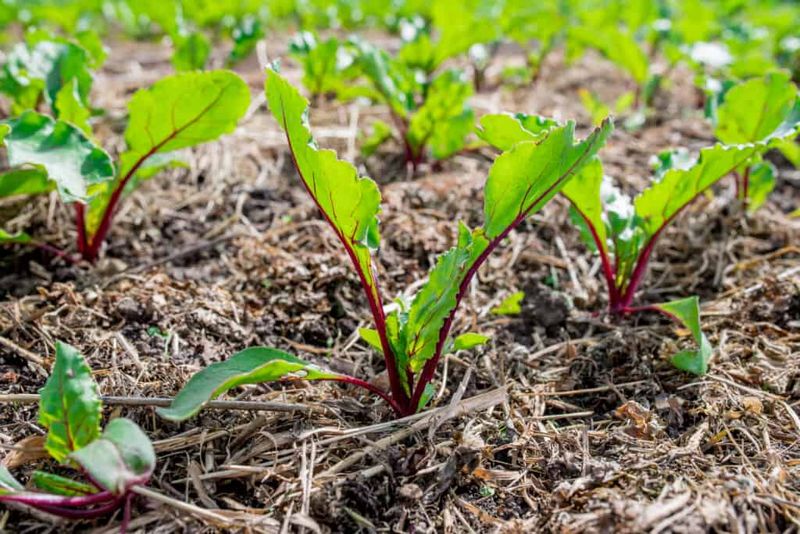
Those seedlings you snipped are not waste. Tender thinnings make good greens for salads, sandwiches, or a quick saute.
Small roots that look worth eating can go to the kitchen too, since Illinois Extension notes that beets can be harvested at several stages, including as thinnings.
For the beets staying in the bed, judge them by size and condition rather than assuming the worst. A small root is not automatically woody.
Gently brush back some soil at the shoulder and look at how big it is, and whether the skin looks firm and smooth.
Size does matter at the other end. Illinois Extension says beets larger than about 3 inches are often fibrous and woody, but that is a rule of thumb, not a universal cutoff.
A good test is to pull one and slice it. If the center is crisp and tender, keep harvesting.
If it is stringy or tough, move on to the next one.
Plan future sowings around local timing and spacing
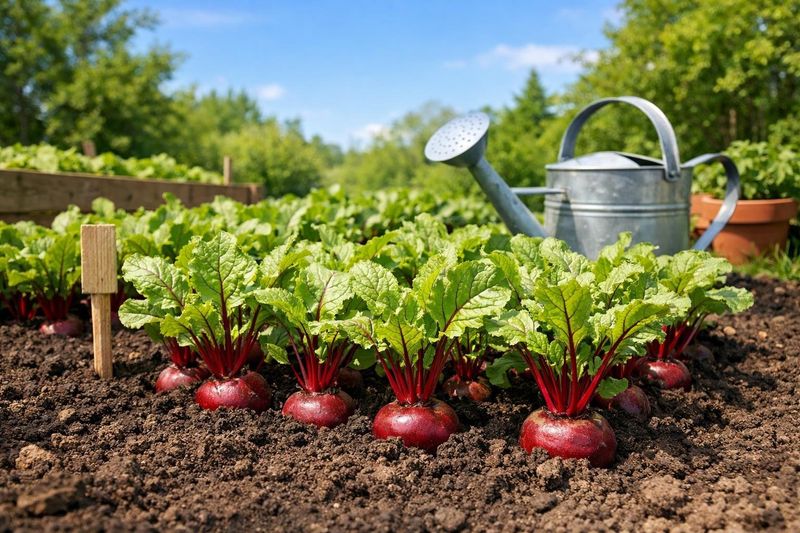
Next round, build thinning into the plan. Once seedlings sprout, cut them back to roughly 2 to 4 inches apart, following your variety’s directions.
Many extension guides put harvest around 50 to 80 days after sowing, but that is only a guide, and timing shifts with variety and weather, as Utah State Extension and Virginia Tech both suggest.
Timing also depends on where you garden. UF/IFAS lists planting windows of August to February in North Florida, September to February in Central Florida, and October to January in South Florida.
Texas A&M AgriLife Extension says beets can grow through winter in many South Texas areas. So fall is not a deadline for everyone.
Late thinning can lower competition, but it cannot promise full-size roots or reverse woody texture. A well-spaced sowing in the right window is the better bet.