
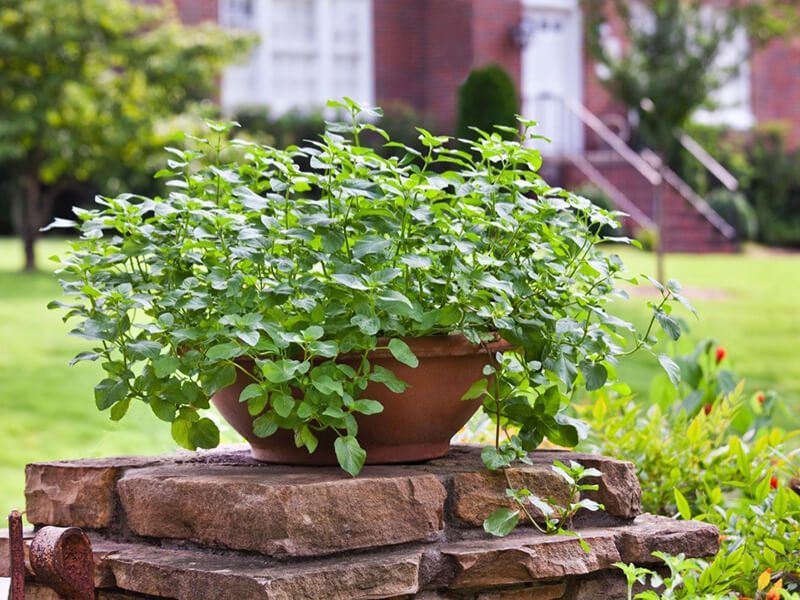
A few pots near the back door can put fresh flavor within reach all winter. Florida’s cooler months suit many kitchen herbs better than its hot, sticky summers.
These nine choices make good use of a small patio, whether you want leaves for soup, tacos, or a quick dinner. Give them the right light, harvest lightly while they grow, and have a plan for the occasional cold night.
1. Parsley
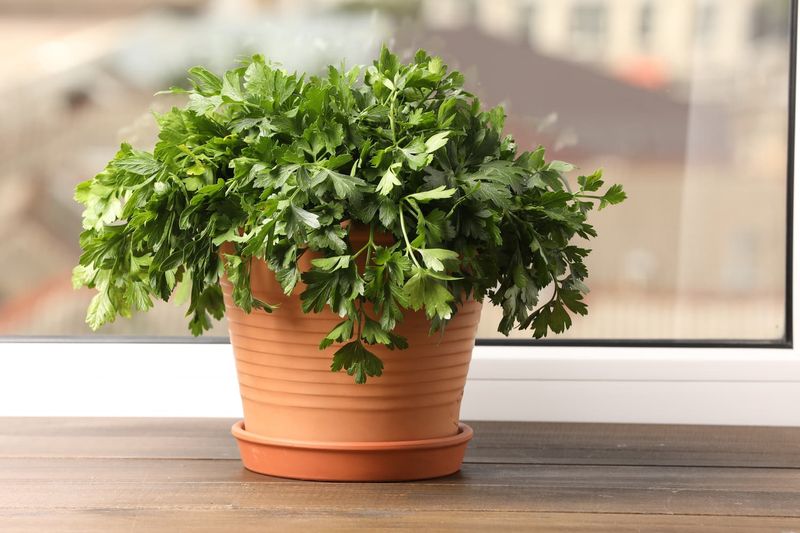
A handful of chopped leaves can wake up a whole pot of soup, and parsley keeps that everyday flavor close to the kitchen. Flat-leaf types are easy to chop, while curly parsley adds a tidy, ruffled edge to a small patio display.
Start with a nursery transplant in fall or winter if you want an earlier harvest. Seeds can take several weeks to sprout, so a healthy young plant saves waiting time.
Choose a container about 10 to 12 inches deep with drainage holes, and fill it with fresh potting mix rather than sandy yard soil. Give it morning sun and roughly four to six hours of direct light, with some afternoon shade on unusually warm South Florida days.
Water when the surface begins to dry, keeping the root zone evenly moist but never swampy. Cut the outer stalks near the base and leave the center growing, taking no more than about one-third at once.
Parsley handles cool weather well, though pots need shelter during a hard freeze. If black swallowtail caterpillars appear, consider keeping an extra plant for them rather than spraying.
2. Cilantro
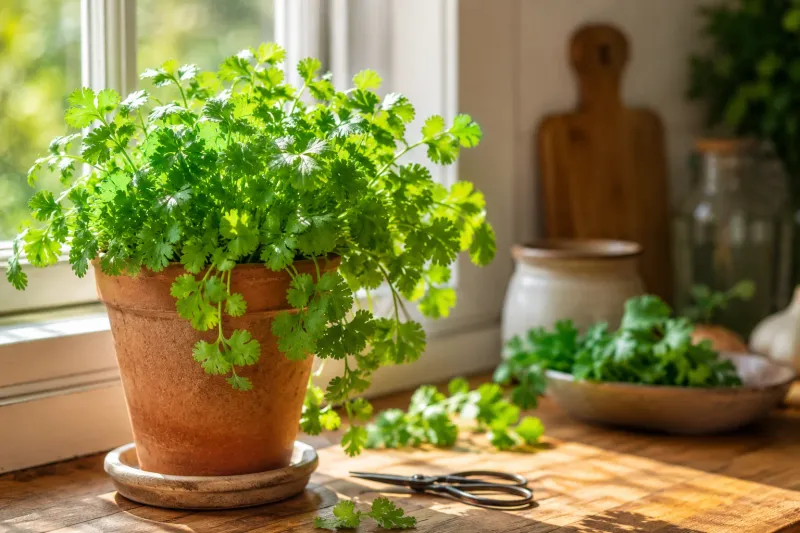
Taco night gets a lot easier when the garnish is growing outside your door. Cilantro earns its place because Florida’s cool season offers a much better growing window than the long, hot summer.
Sow seeds directly into a pot at least 8 to 10 inches deep. Avoid crowding the seedlings, and place the container where it receives morning sun with protection from strong afternoon heat during warm spells.
The trick is to grow more than one batch. Sow another small pot every two to three weeks while conditions stay cool, so younger plants can take over when older ones begin flowering.
Snip the larger outside leaves once plants are established, leaving the small central growth untouched. Keep the mix lightly moist and use a modest amount of fertilizer according to the container label.
Even slow-bolting varieties eventually send up flower stalks as temperatures rise and days lengthen. That is normal, not a watering failure, and the flowers can feed visiting insects.
For steady winter picking, rely on fresh sowings rather than expecting one plant to last the entire season.
3. Dill
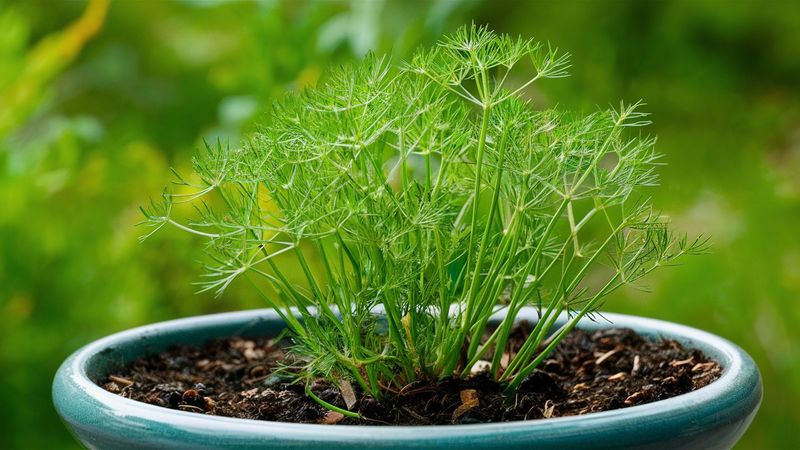
Feathery foliage brings a little softness to a patio full of solid pots and straight railings. Dill also delivers a flavor that parsley and cilantro cannot replace, especially with fish, potatoes, eggs, and yogurt sauces.
Pick a compact variety if space is tight, but still give its roots room. A pot around 12 inches deep, set in a sunny spot sheltered from gusty wind, makes a useful starting point.
Direct sowing usually works better than disturbing a large transplant’s roots. Keep the seedbed moist until seedlings emerge, then thin them so each plant has space and moving air around its stems.
Once growth is strong, cut small amounts of the side foliage rather than removing the main growing tip. Avoid stripping a young plant, since those delicate leaves supply the energy it needs to recover.
Dill is an annual, so repeat sowings help extend your harvest through Florida’s cooler months. Flowering slows leaf production, although the yellow flower heads offer food for beneficial insects.
Watch for black swallowtail caterpillars before harvesting. An extra pot gives you room to share without giving up every sprig intended for dinner.
4. Chives
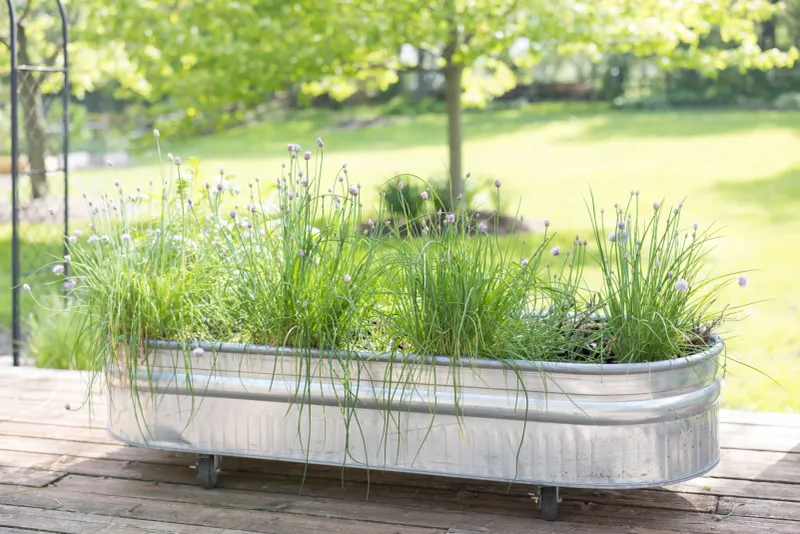
Kitchen scissors are about all you need to turn a clump of chives into a topping for baked potatoes or scrambled eggs. Their narrow, upright leaves take up little space, making them especially useful on a crowded patio shelf.
Buy an established clump for quicker cutting instead of starting with seed. Common chives have hollow leaves and a mild onion taste; garlic chives have flatter leaves and a stronger garlic flavor.
Use an 8- to 10-inch pot with drainage holes and a loose potting mix. A location with four to six hours of sun generally supports useful growth during Florida’s mild winter weather.
Snip a small bundle about 2 inches above the soil, leaving plenty of green growth behind. Let the clump refill before making another large cut, and expect slower recovery during chilly or cloudy stretches.
Water when the top inch of mix feels dry, then let extra water drain away. A light feeding during active growth helps replace nutrients lost through frequent watering.
Some chives slow down or rest in colder North Florida weather, so winter harvests are not equally steady everywhere. Move the pot into a bright, sheltered spot when frost threatens.
5. Mint
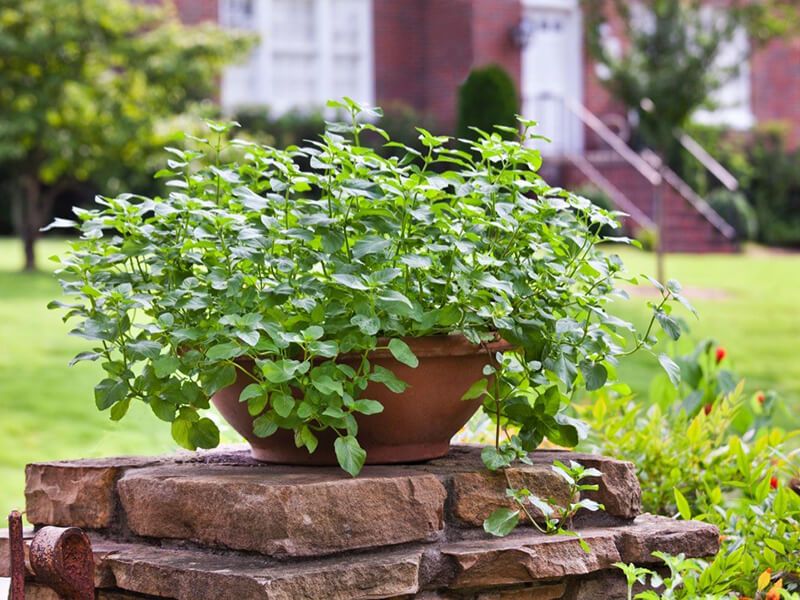
One mint plant can turn an ordinary glass of water into something worth lingering over on the patio. Spearmint is a useful kitchen choice for tea, fruit, sauces, and cold drinks, with plenty of soft tips to pinch during mild weather.
Give it a pot of its own. Mint spreads through creeping stems and roots, so sharing a planter usually means its neighbors lose space.
A wide container about 10 to 12 inches across gives a young plant room to fill out. Set it in morning sun or bright partial shade, especially in South Florida, where winter afternoons can still feel warm.
Keep the potting mix evenly moist without leaving the container standing in water. Mint needs more consistent moisture than rosemary or thyme, which is another reason not to combine them.
Harvest by cutting stems just above a pair of leaves to encourage branching. Rotate your cuts around the plant instead of repeatedly stripping one side.
Check beneath the pot for escaping runners, and trim them before they reach nearby soil. If a mature plant becomes root-bound and weak in the middle, divide it and replant a healthy section in fresh mix.
6. Thyme
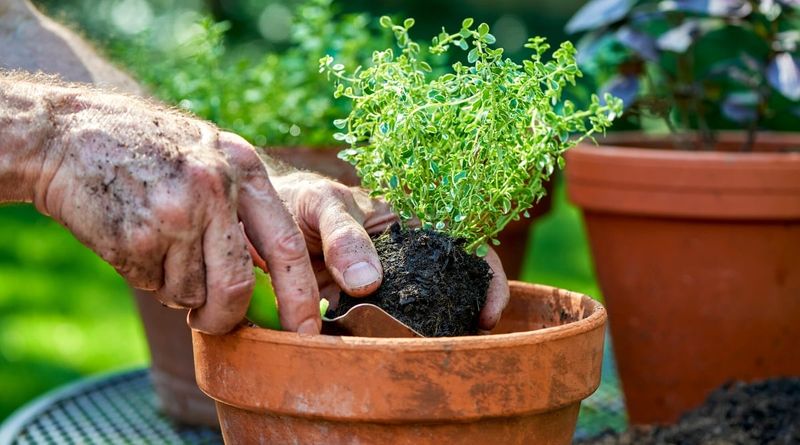
Tiny leaves can carry a surprising amount of flavor, which makes thyme a smart choice when every inch matters. A few sprigs season roasted vegetables, beans, or chicken without requiring a large harvest.
Choose common culinary thyme or lemon thyme from a nursery rather than an ornamental variety selected mainly for ground cover. Start with a pot roughly 8 to 10 inches wide and at least 8 inches deep.
Its biggest winter need is good drainage, not constant attention. Use a loose container mix, keep drainage holes clear, and never leave the pot soaking in a full saucer.
Give thyme a bright position with about six hours of direct sun when possible. On a roofed patio, move it toward the sunny edge rather than leaving it deep in shade.
Let the upper layer of mix dry before watering thoroughly. Clip tender green tips and leave the older woody framework intact, since bare wood may not refill well.
Florida’s cooler, less humid stretches often make thyme easier to manage than summer weather does. Harvest lightly during slow growth, and move the container out of prolonged winter rain if the mix remains wet.
7. Oregano
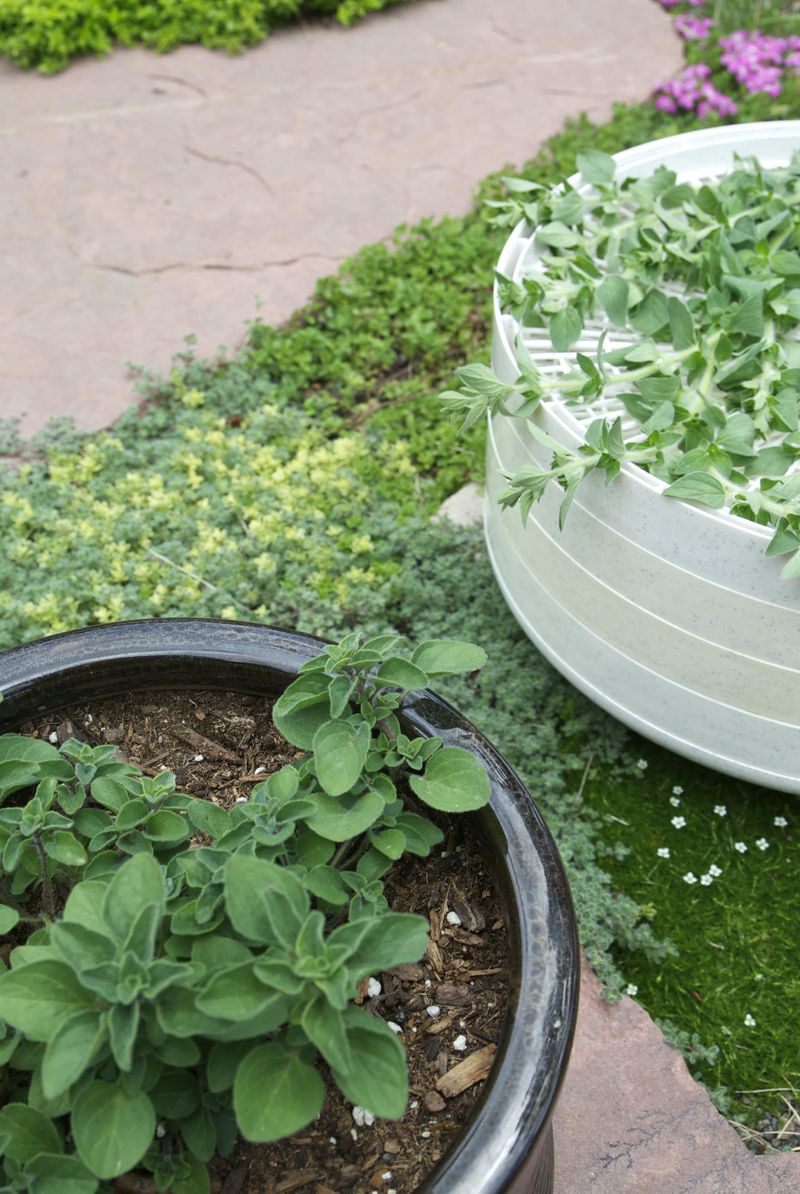
Pizza sauce is a good reason to save room for a plant that grows outward rather than straight up. Greek oregano forms a leafy mound, giving a small container garden a useful trailing edge as well as a strong kitchen flavor.
Check the plant label before buying, since herbs sold as oregano do not all taste alike. Greek oregano is a reliable choice for the familiar flavor used in tomato sauces and Mediterranean cooking.
Plant it in a container around 10 to 12 inches wide with freely draining potting mix. Give it a sunny winter position and enough room that neighboring leaves do not press tightly against it.
Water thoroughly when the top inch or two of mix has dried, adjusting for cool weather and rain. Constantly soggy roots cause more trouble than a brief dry surface.
Once stems have several sets of leaves, pinch or cut just above a leaf pair. Regular light trimming encourages branching and gives you tender shoots rather than long, sparse stems.
Remove flower buds if leaf harvest is your priority, or leave a few blooms for visiting insects. Established plants can supply repeated small cuttings, but let new transplants settle in before taking a kitchen-sized bunch.
8. Rosemary
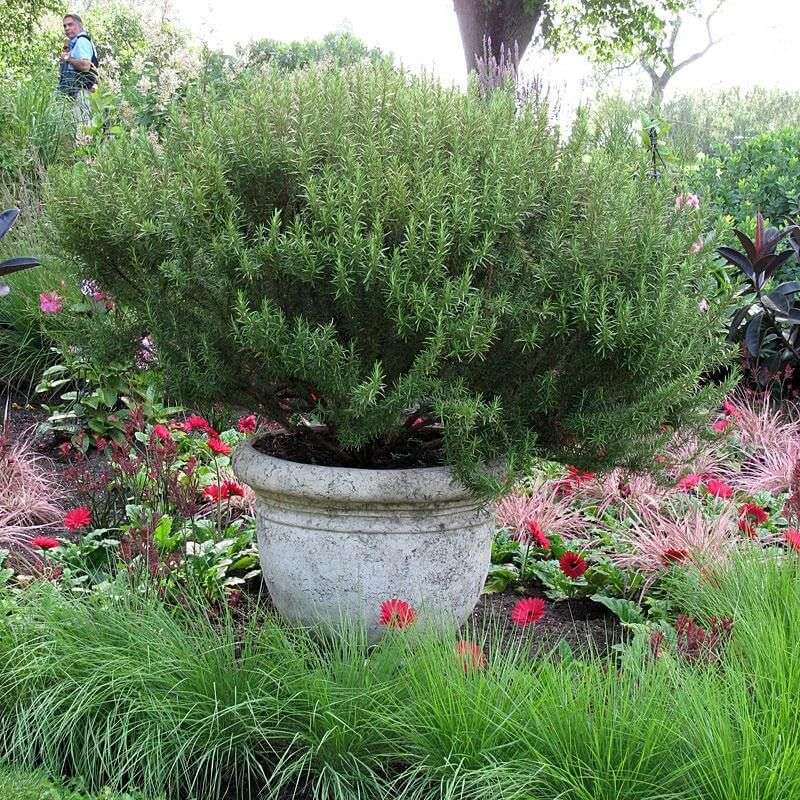
A sturdy rosemary plant gives a tiny patio the look of a miniature evergreen shrub. Its needlelike leaves bring bold flavor to roast potatoes, bread, and grilled food, so a short cutting usually goes a long way.
Start with a healthy nursery plant and choose a compact variety when possible. A container about 12 to 16 inches across provides more root space and dries less abruptly than a tiny decorative pot.
Put it in your sunniest practical location, ideally with six or more hours of direct light. Keep some space around the branches, since crowded, damp foliage is a poor fit for Florida’s humid spells.
Use well-drained potting mix and water deeply only after the upper few inches have dried. Empty any saucer after watering, and do not follow the same frequent watering schedule used for mint.
Snip soft green tips above leafy growth, avoiding heavy cuts into old, bare wood. A young plant needs time to build size before it can support regular harvests.
Rosemary tolerates cool weather, but container roots are more exposed than roots in the ground. During a North Florida freeze, move the pot to a sheltered location and protect it as needed.
9. Sage
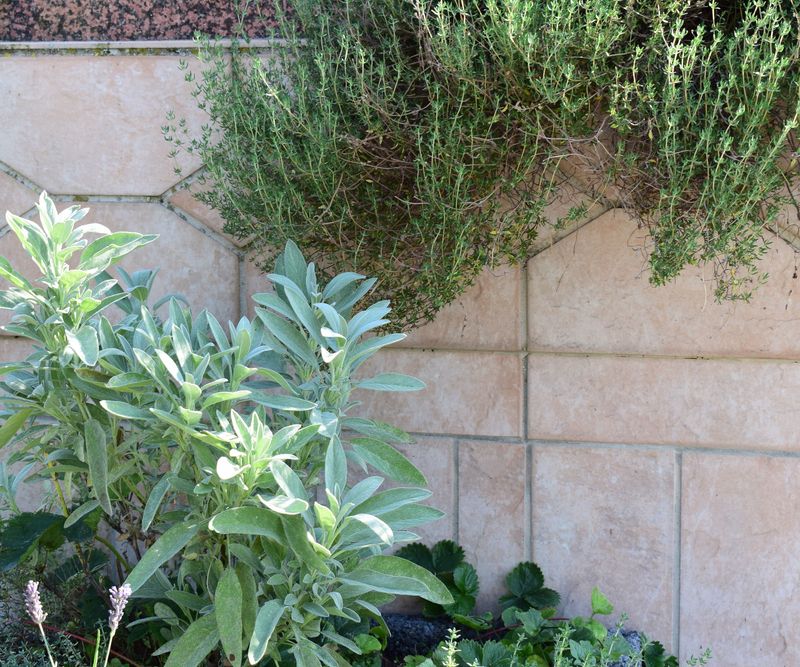
Soft, gray-green leaves make sage look good even before it reaches the frying pan. Common culinary sage adds a savory note to beans, squash, poultry, and brown butter, filling a flavor gap the other patio herbs leave open.
Shop by botanical identity when labels are unclear: culinary sage is Salvia officinalis. Ornamental salvias and plants called Texas sage are not interchangeable kitchen herbs.
Give a young plant a container about 10 to 12 inches across and a sunny position with open airflow. Florida’s cooler months offer a useful growing window, but persistent moisture can still damage the roots.
Let the top inch or two of potting mix dry before watering, then allow the excess to drain completely. Keep it separate from thirstier herbs so you can manage its moisture needs without compromise.
Pick a few mature leaves or trim tender stem tips once the plant is established. Leave plenty of foliage behind, and avoid cutting deeply into bare woody stems.
Expect modest portions rather than weekly handfuls from a small plant because sage grows more slowly than mint. Combined with the faster leafy herbs, it rounds out a compact winter garden without needing much space.