
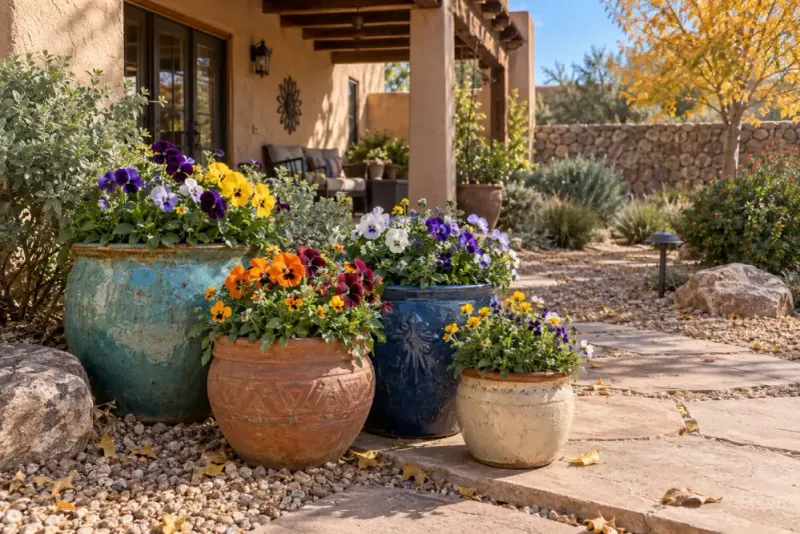
Fall chores sound simple: plant, mulch, feed, and cut everything back. But a Texas yard in October can feel nothing like a yard in a cold northern state.
Soil, grass type, and the date of your first freeze all change what a smart chore looks like. Here is how to test any fall tip before it goes into your garden.
Texas fall gardening has no single calendar
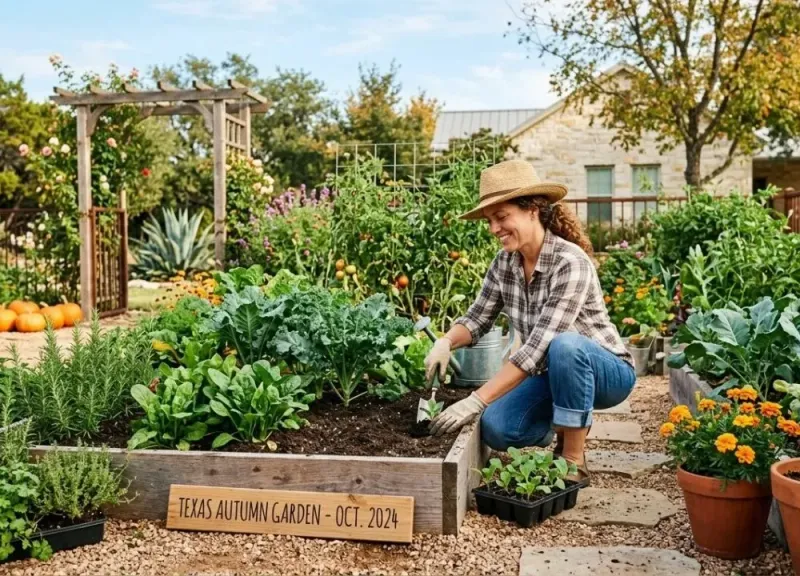
Texas is not one gardening climate. A gardener in the Panhandle may see frost weeks before a gardener near the Gulf Coast, and the two should not follow the same schedule.
Any fall tip that gives one date for the whole state deserves a second look.
Regional guidance shows how big the gaps are. AgriLife’s fall vegetable guide splits Texas into five regions, each with its own planting dates by crop.
Lawn fertilizer cutoffs also differ by city, as AgriLife’s lawn fertilizer FAQ shows.
Cold-climate advice is not wrong everywhere. Some of it simply needs adjusting for your region, your plant type, and your local frost risk.
Vegetable gardens, landscape beds, fruit trees, and warm-season turf each run on their own clock, so ask which one a tip is talking about before you act on it.
What can you plant before winter?
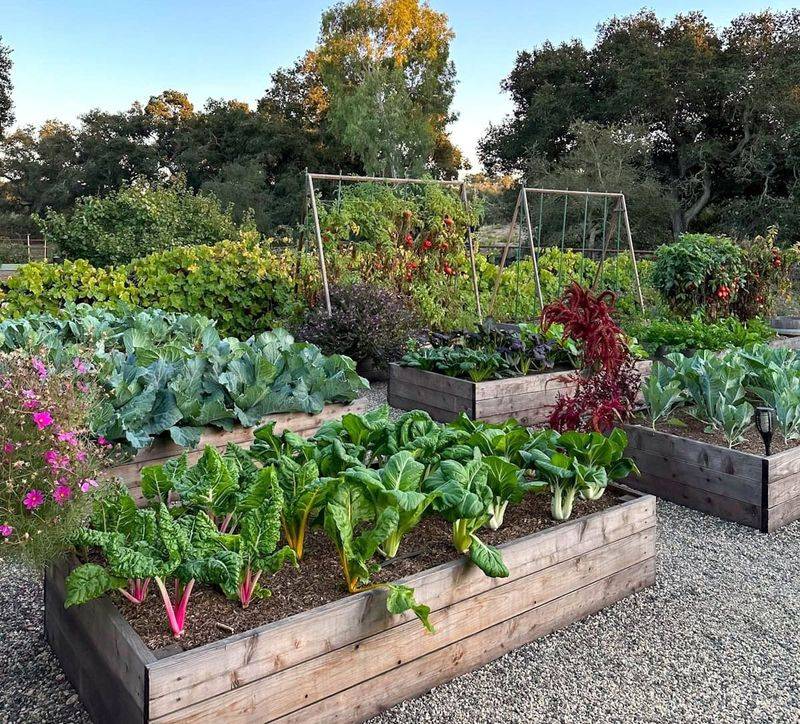
Some advice says to stop planting once fall arrives. In Texas that would waste one of the best planting seasons of the year.
Many vegetables go in during late summer and fall, and the right date depends on where you live.
AgriLife divides Texas into five regions for its fall vegetable planting guide. Fall broccoli, for example, starts as early as July 15 in Region I and runs to November 1 in Region V.
That is a gap of more than three months for a single crop.
Find your region on the calendar, then work backward from your expected first freeze. The Texas home vegetable gardening guide is a good companion for crop details.
Your county Extension office can help you pin down local freeze dates.
Fruit trees run on a different schedule. According to a 2026 AgriLife article, December through February is best for most fruit trees.
Early winter planting gives roots time to settle in before spring growth begins.
Citrus and other frost-sensitive subtropical trees are the exception. Wait until the danger of frost has passed before planting them.
Mulch helps when depth and timing fit the bed
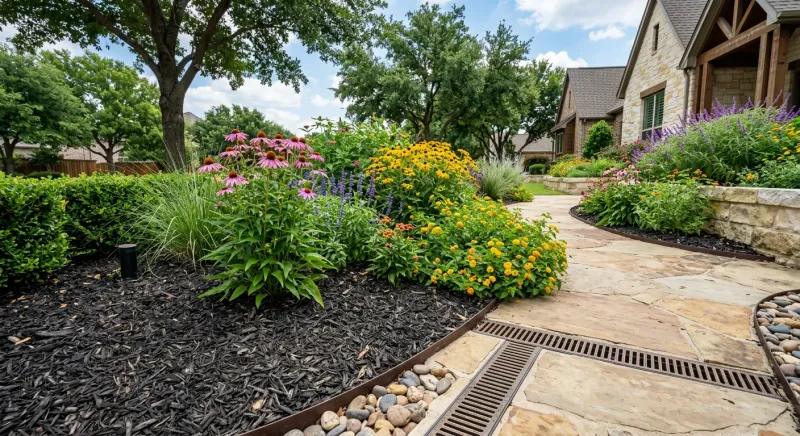
Mulch earns its place in Texas yards. It conserves water, moderates soil temperature, reduces weeds, and helps new plantings establish, according to Texas A&M guidance.
The real questions are how much, where, and why.
One Texas landscape resource suggests about 2 to 3 inches in flower beds. Texas A&M’s leaf management plan supports mulching with shredded leaves.
Another source, a Texas A&M chapter on landscape refuse, recommends about 3 inches under trees and shrubs. It warns that thicker layers can encourage roots to grow up into the mulch.
Keep mulch from piling against trunks and stems. Pull it back a few inches so the bark can stay dry.
Volcano-shaped mounds around a tree are a habit worth breaking.
Cold-climate mulching rules often have a different purpose. A University of Minnesota page tells gardeners to mulch perennials and bulbs after the soil freezes to protect them from freeze-thaw cycles.
That is a narrow tip for a specific problem, not a rule for Texas beds. Here, mulch is mostly about water and heat, so match the depth and material to your site.
Clay beds need soil-wide improvement
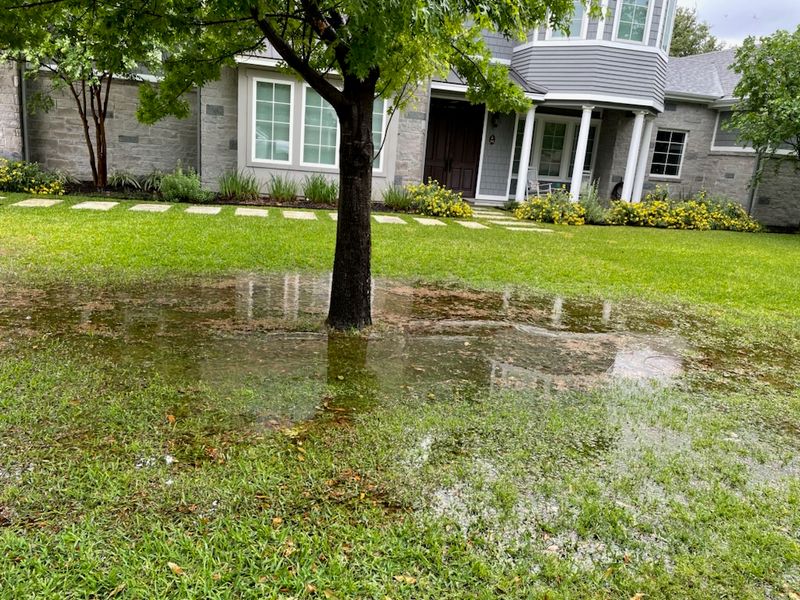
Not every Texas yard has clay, but where it exists, it can be a challenge. AgriLife’s soil preparation guide explains that clay holds extra water and limits air in the soil.
Organic matter helps improve workability.
A quick check can tell you what you have. Squeeze a handful of moist soil.
If it forms a sticky ribbon and a hole you dig fills with water after rain, drainage is likely a concern.
Resist the urge to dig one big hole and fill it with rich amended soil. That hole can act like a bowl and hold more moisture than the surrounding ground.
Roots may stay wet while the native soil around them stays dense.
For landscape beds, a better plan is to amend the whole bed. Texas A&M’s compost guidance supports this approach.
Work compost into the full planting area so the soil changes gradually from bed to surrounding ground.
Soils vary across the state, so there is no single clay fix. Look at your own drainage and ask your county Extension office what suits your site.
Warm-season lawns need a local nitrogen cutoff
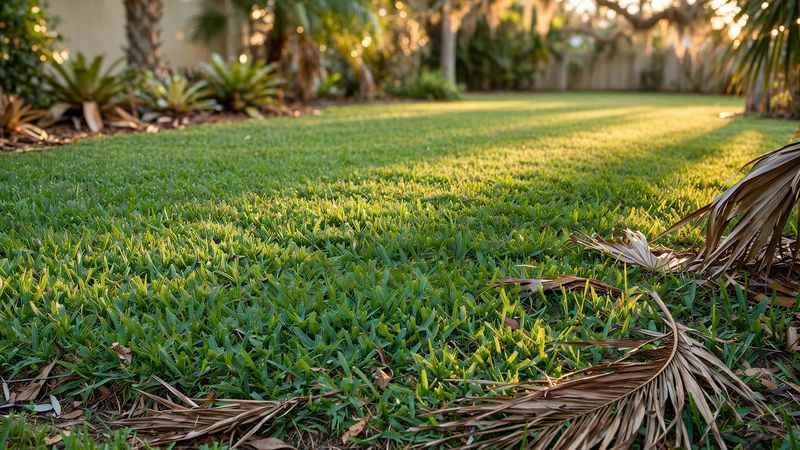
Cool-season lawn calendars often say to feed heavily in late fall. Texas turf is mostly warm-season grass, such as Bermuda, St. Augustine, and zoysia, and it heads toward dormancy as temperatures drop.
Late nitrogen is not automatically a gift.
According to AgriLife’s warm-season lawn publication, any final nitrogen application should come at least six weeks before the expected first frost. It also recommends modest rates and basing nutrients on soil-test results.
If a test shows your lawn does not need nitrogen, skip it.
Cutoff dates vary widely. The AgriLife lawn fertilizer FAQ lists September 15 in Amarillo and November 1 in several southern locations.
A gardener in Amarillo who follows a Houston date would feed far too late.
Timing matters because of the risks. Texas A&M turfgrass preparation guidance warns that excess late nitrogen can increase disease pressure, winter weeds, and water pollution.
So find your local cutoff, get a soil test, and treat that final feeding as optional rather than required.
Prune plants according to their needs
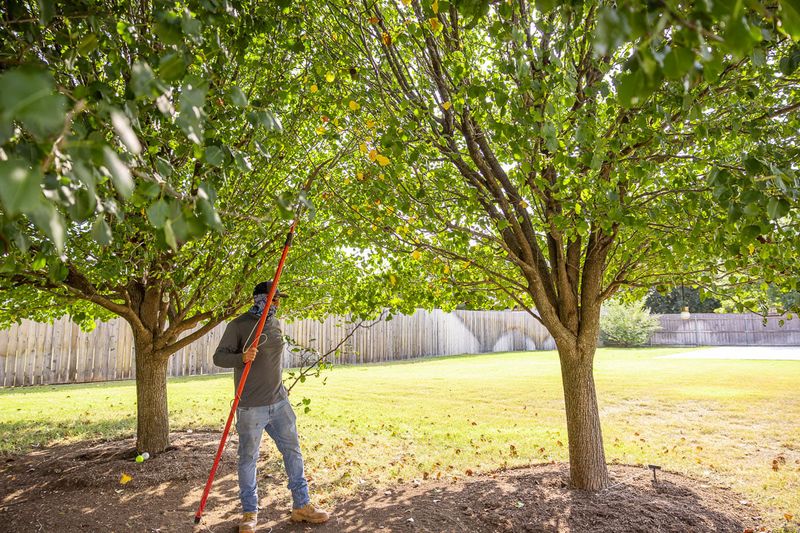
A tidy bed is tempting in fall, but cutting everything to the ground can backfire. Pruning at the wrong time may remove next year’s flowers.
Each plant has its own best window.
The Texas A&M pruning guidance ties timing to bloom habit. Many spring-flowering shrubs, such as azaleas, should be pruned right after they bloom.
Some summer-flowering shrubs are pruned in late winter.
If you prune a spring bloomer in fall, you are likely cutting off buds that already formed. Learn what you have, and check when it flowers, before you pick up the shears.
Diseased material is different. Remove it rather than leaving it in the bed, since it can keep problems going.
A University of Minnesota page on managing plant diseases in the home garden covers removing infected plant parts as part of cleanup.
Bag diseased clippings instead of composting them. For everything else, let the plant’s needs set the date, not the calendar’s cleanup urge.
Make the final fall decision locally
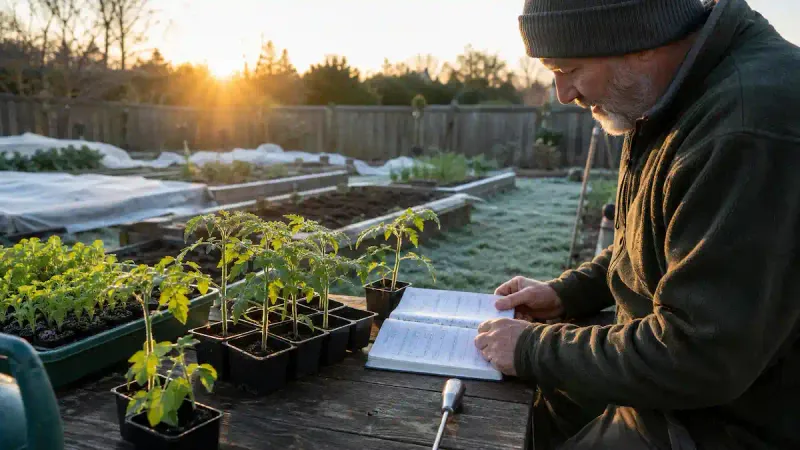
Before acting on any fall tip, run through four quick checks. Ask what it covers: vegetables, fruit trees, beds, or turf.
Check your regional planting calendar and frost risk, and look at your bed’s soil and drainage.
For lawns, confirm any nitrogen plan against AgriLife’s lawn guidance, and time cuts to each plant’s pruning needs.
Good advice is advice that fits your yard. Your county Extension office can tell you what that means on your street.