
Every spring, flats of petunias and impatiens fill garden center carts, and by August many of them are crispy, moldy, or gone. North Carolina throws a lot at plants: sticky red clay, muggy nights, and dry spells that can last for weeks.
The good news is that plenty of flowers already grow wild here and handle all of it without much fuss. Late September is a great time to plant them, so their roots can settle in before winter and reward you next year.
1. Purple Coneflower (Echinacea purpurea)
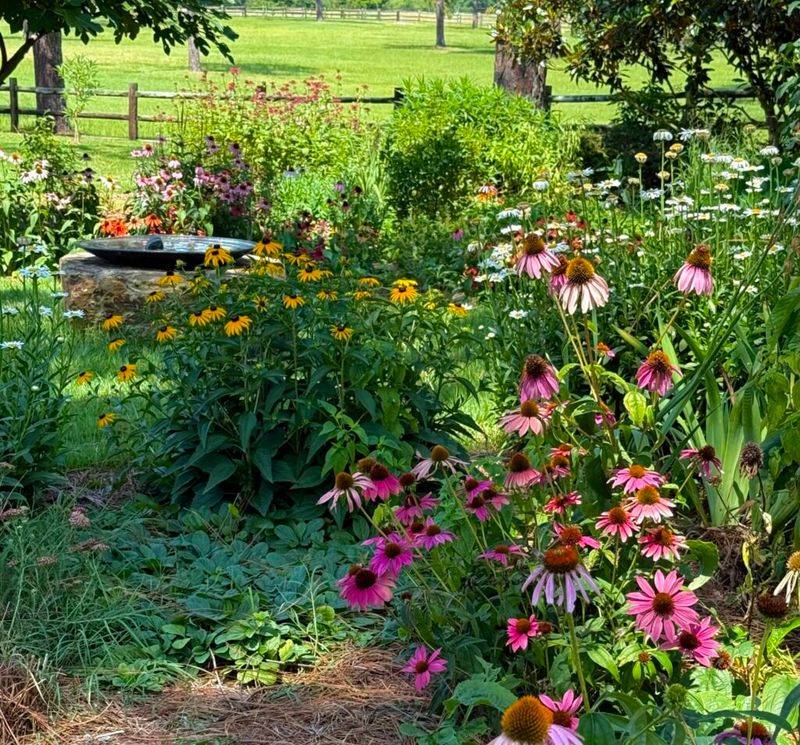
Picture a July afternoon in Raleigh when the petunias have flopped and the hanging baskets need water twice a day. Out in the border, the coneflowers are standing tall like nothing happened.
That toughness comes from deep, fleshy roots that dig into clay and pull moisture from below the surface.
Purple coneflower is native to parts of the Southeast and grows well across the Piedmont and coastal plain. In the mountains, it often does fine too, as long as the spot drains reasonably well.
Give it full sun and skip the rich potting mix, since overly fertile soil can make stems lean.
Leave the seed heads standing this fall. American goldfinches pick at them through winter, and you get free birdwatching from the kitchen window.
Planting a few now gives roots several cool months to grow before summer stress returns.
2. Black-Eyed Susan (Rudbeckia hirta and R. fulgida)
Ask any longtime North Carolina gardener what bloomed through the worst drought they remember, and black-eyed Susan comes up fast. It is the kind of plant that seems to enjoy being ignored.
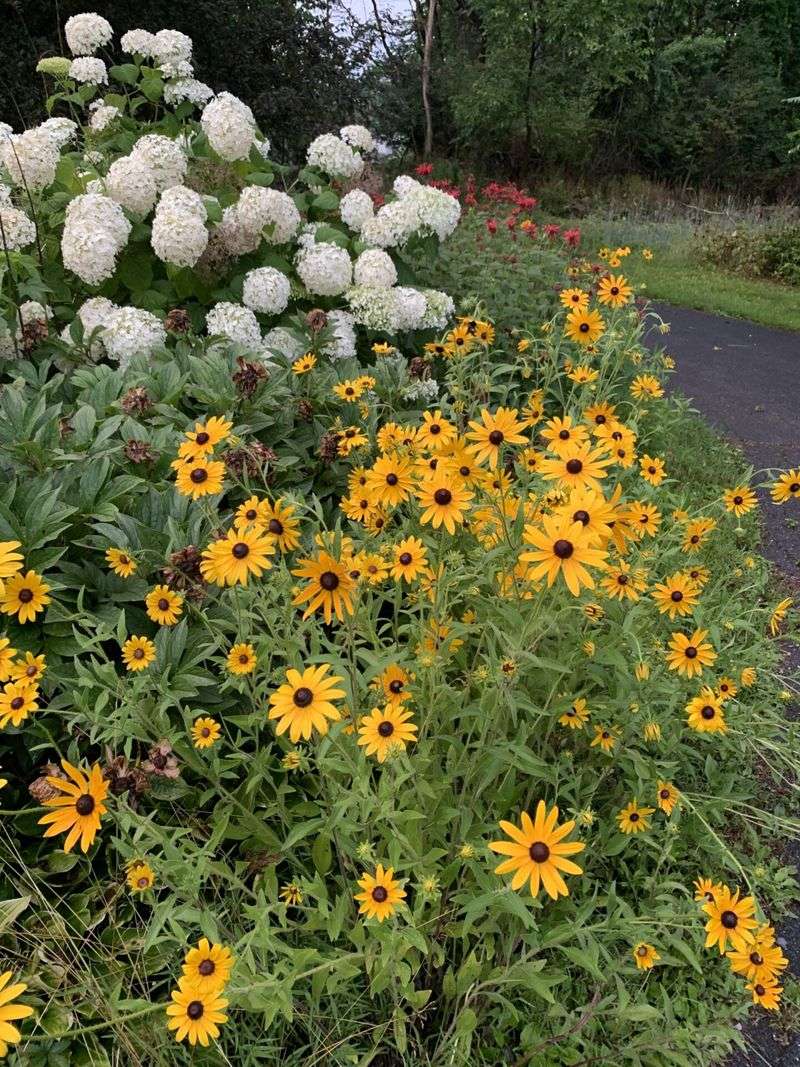
Golden petals with dark centers line roadsides from Murphy to Manteo for good reason.
Two types are worth knowing. Rudbeckia hirta is short-lived but reseeds freely, filling gaps on its own.
Rudbeckia fulgida spreads slowly as a true perennial and tends to hold up better in heavy clay.
Both shrug off the muggy air that leaves many bedding annuals spotted with fungus. Tuck them along a mailbox, a driveway edge, or a sunny slope where hoses do not reach.
Bees and small butterflies visit steadily, and the seeds may help feed birds into winter.
3. Butterfly Weed (Asclepias tuberosa)
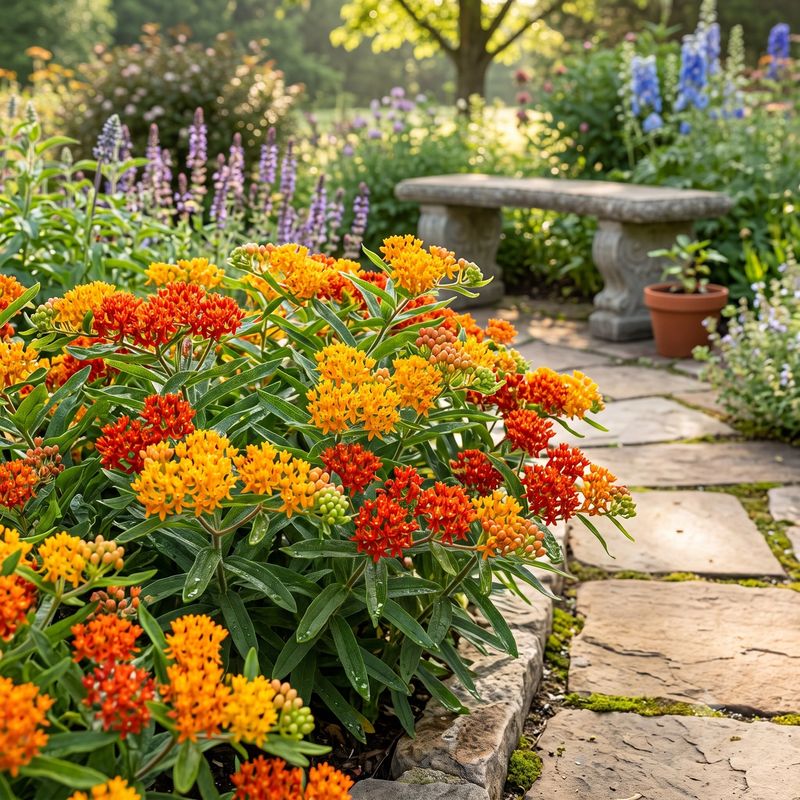
Bright orange and almost glowing, butterfly weed looks too flashy to be this tough. Its secret is a long taproot that can reach well below the dry topsoil.
Once established, it rarely needs a drop of extra water.
Here is the catch: it hates soggy feet. In heavy Piedmont clay, plant it on a slight mound or a slope so winter rain drains away.
Sandy coastal plain soils suit it beautifully.
Monarchs use this milkweed as a host plant, so expect some chewed leaves from striped caterpillars. That is a win, not a problem.
Because the taproot resents moving, buy small plants and choose a permanent home the first time.
One quirky detail: butterfly weed is often slow to wake up in spring. Mark its spot so you do not dig it up by accident in April.
4. Narrowleaf Sunflower (Helianthus angustifolius)
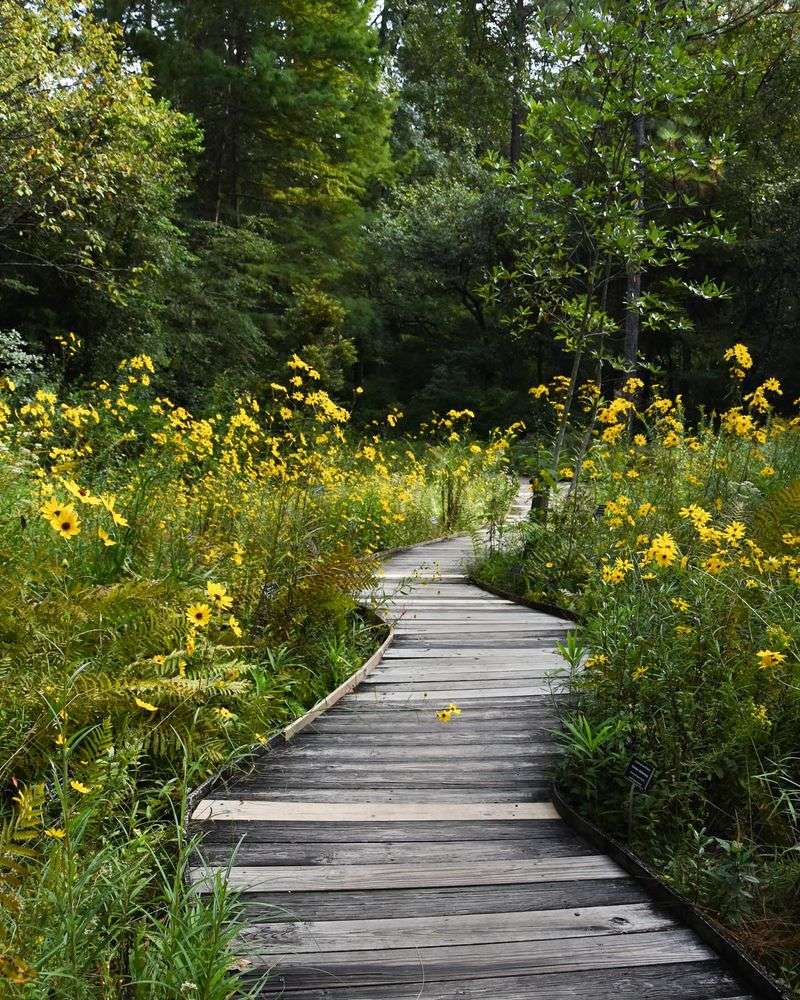
Got a low spot where water sits after storms, then bakes hard in August? Most annuals give up there.
Swamp sunflower treats it like home.
Native to wet pine savannas and ditches in eastern North Carolina, this plant handles both soggy clay and dry spells once rooted. It grows tall, often five to eight feet, and explodes with yellow daisies in late September and October.
That timing makes it a showstopper right now, when summer annuals look tired.
Cut stems back by about half in early June if you want a shorter, bushier plant. Pollinators crowd the flowers in fall, giving late-season bees a valuable food source before cold weather.
5. Wild Bergamot (Monarda fistulosa)
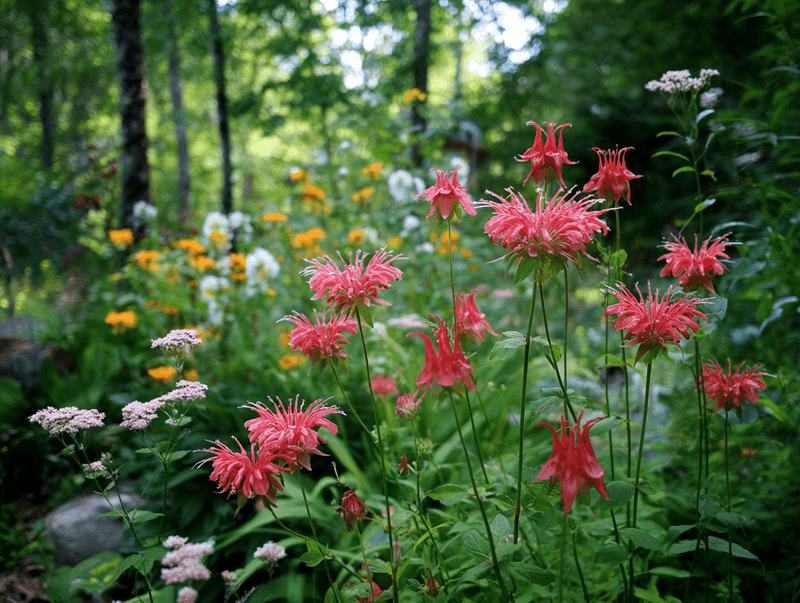
Brush past wild bergamot and the air smells like oregano and mint. Native folks and early settlers brewed tea from its leaves, which explains another old name, bee balm.
Today, it earns its place by drawing bumblebees by the dozen.
Many garden-center bee balms struggle with powdery mildew in humid Southern summers. Wild bergamot, the native species, tends to handle sticky air better, especially with decent spacing for airflow.
Some leaf dusting can still show up late in the season, but it rarely slows the blooms.
It grows well in mountain and Piedmont gardens and tolerates clay and dry spells. Plant it now and it will spread into a soft lavender patch within a couple of years.
6. Goldenrod (Solidago spp.)
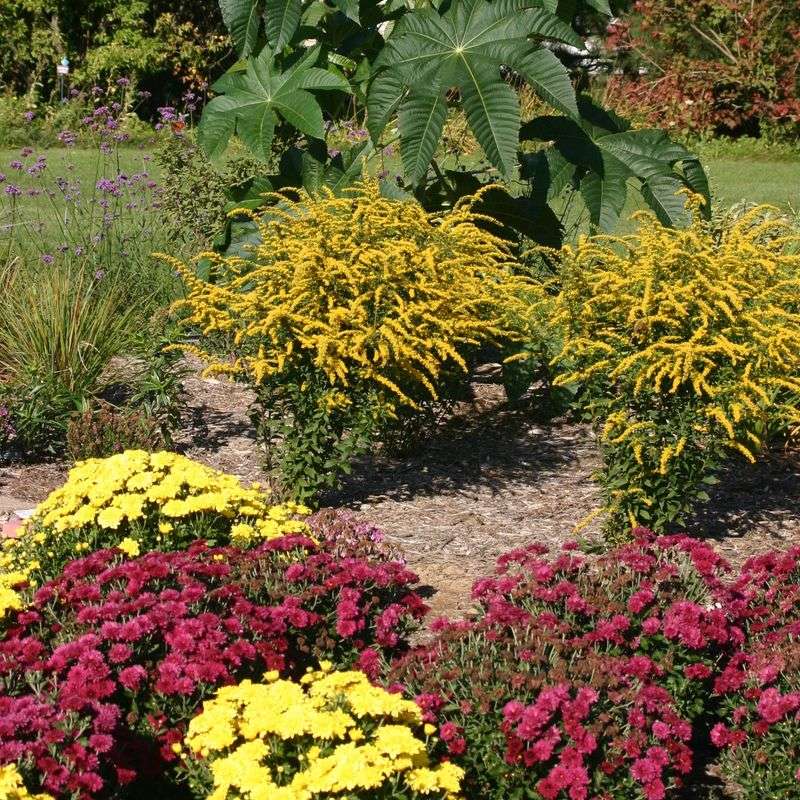
Goldenrod has a bad reputation it does not deserve. The pollen is heavy and sticky, carried by insects instead of wind, so ragweed is usually the real allergy culprit.
Once you know that, it becomes one of the best fall plants in the state.
North Carolina has many native species. For neat yards, try clumping types like Solidago rugosa Fireworks or Solidago sphacelata Golden Fleece, which stay tidy instead of running wild.
Clay, drought, and steamy weather barely register. In late September, its gold sprays feed migrating monarchs and native bees topping off before winter.
It is a simple swap that may support far more wildlife than a tray of mums.
7. Aromatic Aster (Symphyotrichum oblongifolium)
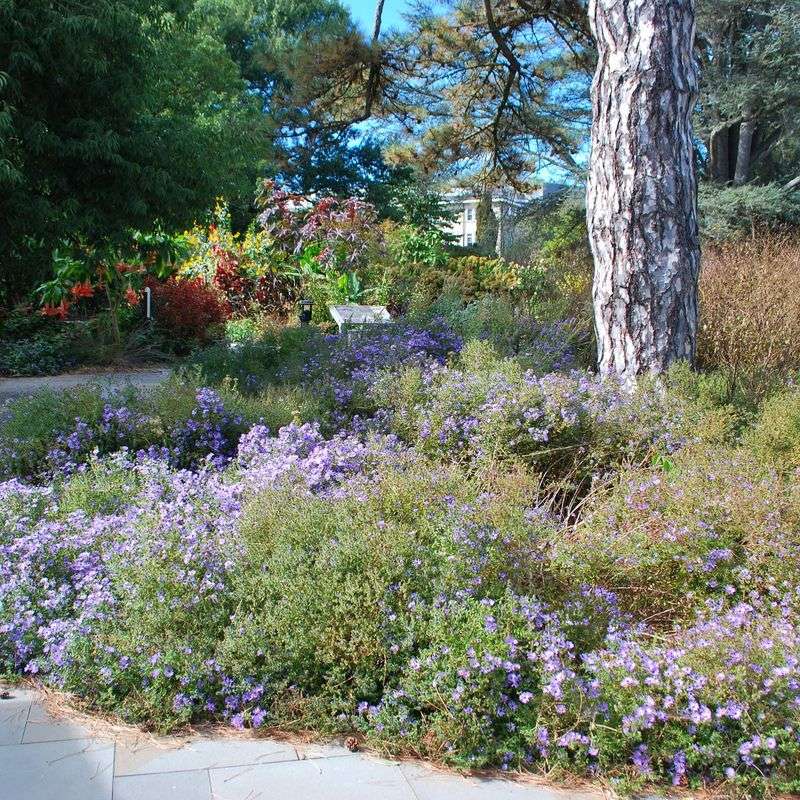
Late October, a cool morning, and a cushion of violet flowers buzzing with bees. That is aromatic aster at its peak, long after most of the garden has quit.
Compact and mound-shaped, it suits front borders and walkways better than the floppy asters of old. Its leaves give off a faint scent when crushed.
Lean, dry, rocky, or clay soils suit it fine, and it actually stays tidier without fertilizer.
Pair it with goldenrod for a classic purple and gold fall combination. Plant it now while nurseries still carry blooming pots, and you will see the payoff immediately and again every autumn.
8. Blanket Flower (Gaillardia pulchella)
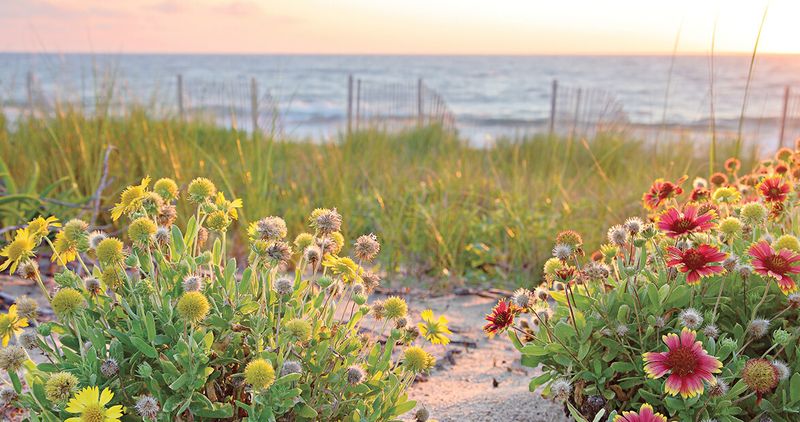
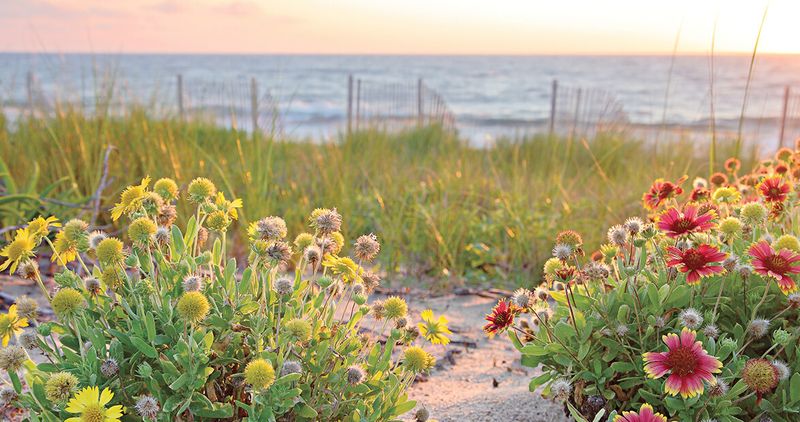
Salt spray, sand, and blazing sun would wreck most bedding plants. Blanket flower practically grins through it.
Along the Outer Banks, it pops up in dunes with red and yellow blooms that look like tiny campfires.
Gaillardia pulchella is native to coastal areas, making it a strong pick for coastal plain yards. It blooms from early summer into fall with almost no help.
In heavy Piedmont clay, give it a raised or gravelly spot, since wet winter soil can shorten its life.
Short-lived plants often reseed, so let a few flowers go to seed. You will find new seedlings next spring, a free refill that impatiens never offer.
9. Cardinal Flower (Lobelia cardinalis)
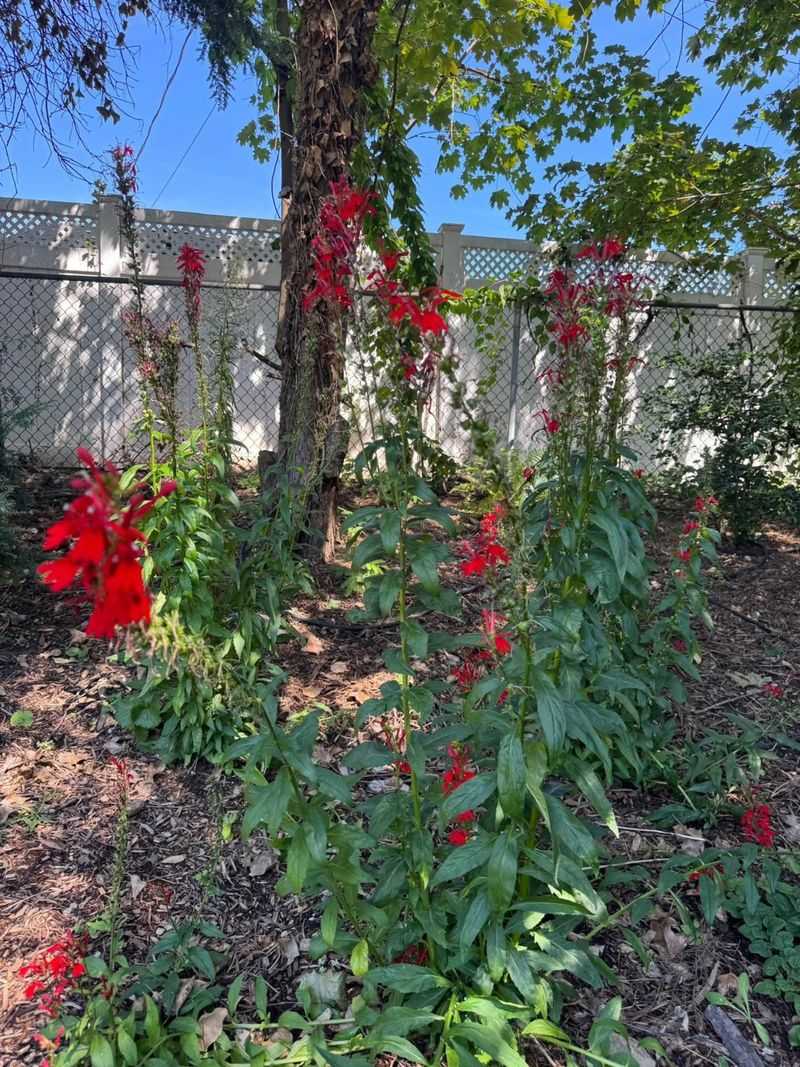
Few sights beat a ruby-throated hummingbird zipping into a spike of scarlet blooms. Cardinal flower delivers that show from late summer into early fall.
Its red is so intense it almost looks painted.
Unlike the drought lovers on this list, cardinal flower likes moisture. That makes it the answer for wet clay, downspout zones, and rain gardens where water lingers.
It handles humidity well and grows wild along streams in all three NC regions.
Keep the base uncovered by heavy mulch in winter, since the leafy rosettes need light. Plants can be short-lived, but they often reseed in damp ground.
10. Lanceleaf Coreopsis (Coreopsis lanceolata)
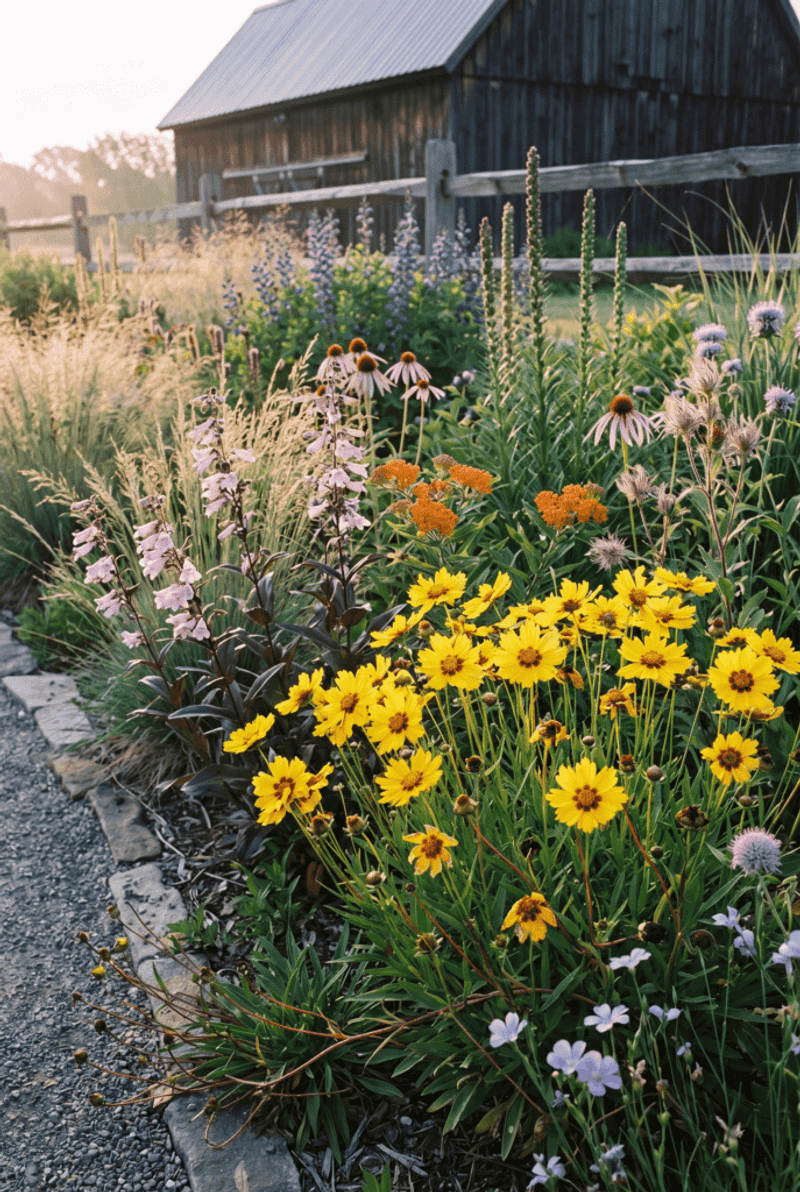
Bare clay slope that nothing wants to grow on? Lanceleaf coreopsis is the fixer.
Coreopsis was even named Florida’s state wildflower, but it is just as at home in North Carolina fields.
Cheerful yellow daisies open in late spring, filling the gap before summer bloomers start. Deadhead spent flowers and you can stretch the show for weeks.
It thrives in poor, dry soil and tends to sulk if pampered.
Fall is an ideal time to sow seed or set out plants across the state. Roots anchor into cool soil, which can help hold slopes against winter rains.
Come May, you get a bright wave of color for almost no effort, and the next generation of native bees gets a meal.
Start small: pick three plants from this list for one sunny bed this weekend, and watch which ones thrive in your corner of North Carolina.