
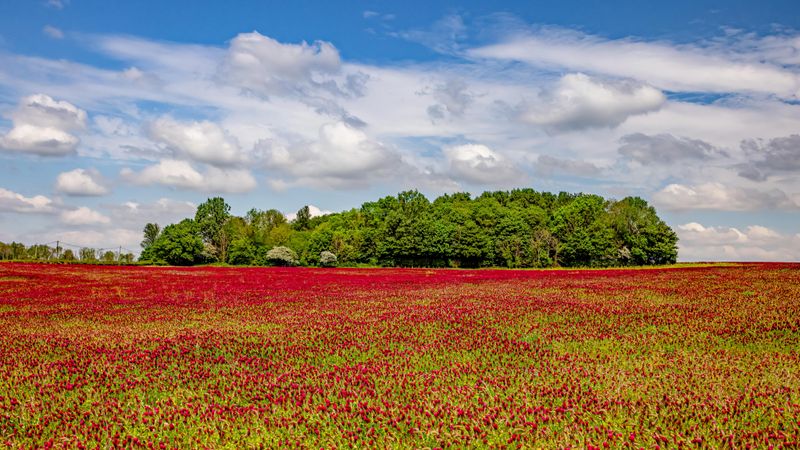
Once the garlic is out, that empty bed can sit bare all winter, open to heavy rain, weeds, and tired soil. Crimson clover is one cover crop Southern gardeners often try in that gap.
It can cover the ground and may add some nitrogen for a later crop, though it is not a magic trick for bigger tomatoes. Here is how to decide if it fits your bed and how to handle it from sowing to spring.
Why leave a living cover in an empty bed?
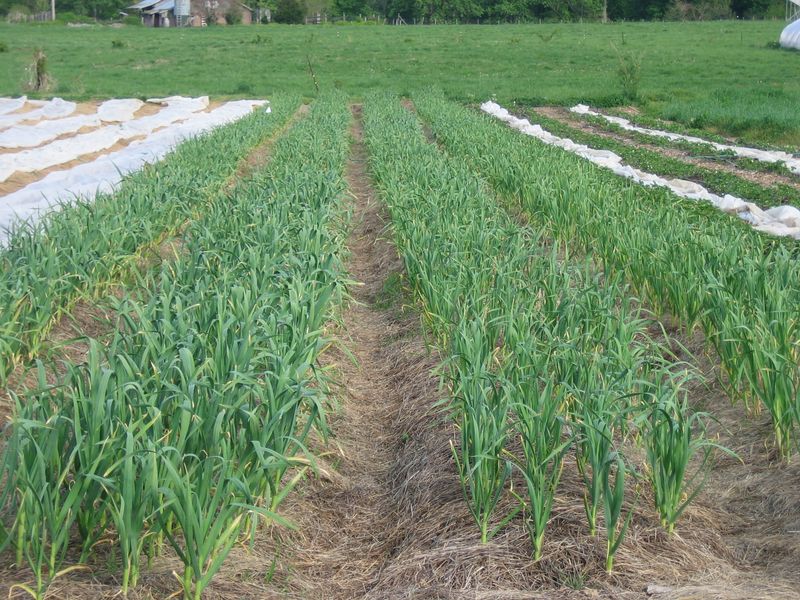
Bare soil after garlic is easy to ignore, but it takes a beating. Heavy rain can wash it away, and weeds move in fast.
A living cover can help protect that soil during the fallow months, and it is also used to suppress weeds and recycle or add nutrients.
The key word is established. A thick, even stand does the job, but a thin or late-sown patch leaves gaps, so do not count on it to shield the whole bed.
Success depends on good seed contact, timing, and how you manage the cover later.
Crimson clover is one option among several. USDA’s cover crop chart lists it alongside grasses and other legumes.
Think of it first as winter ground cover, with any later benefit as a possible bonus rather than a promise.
How can crimson clover contribute nitrogen?
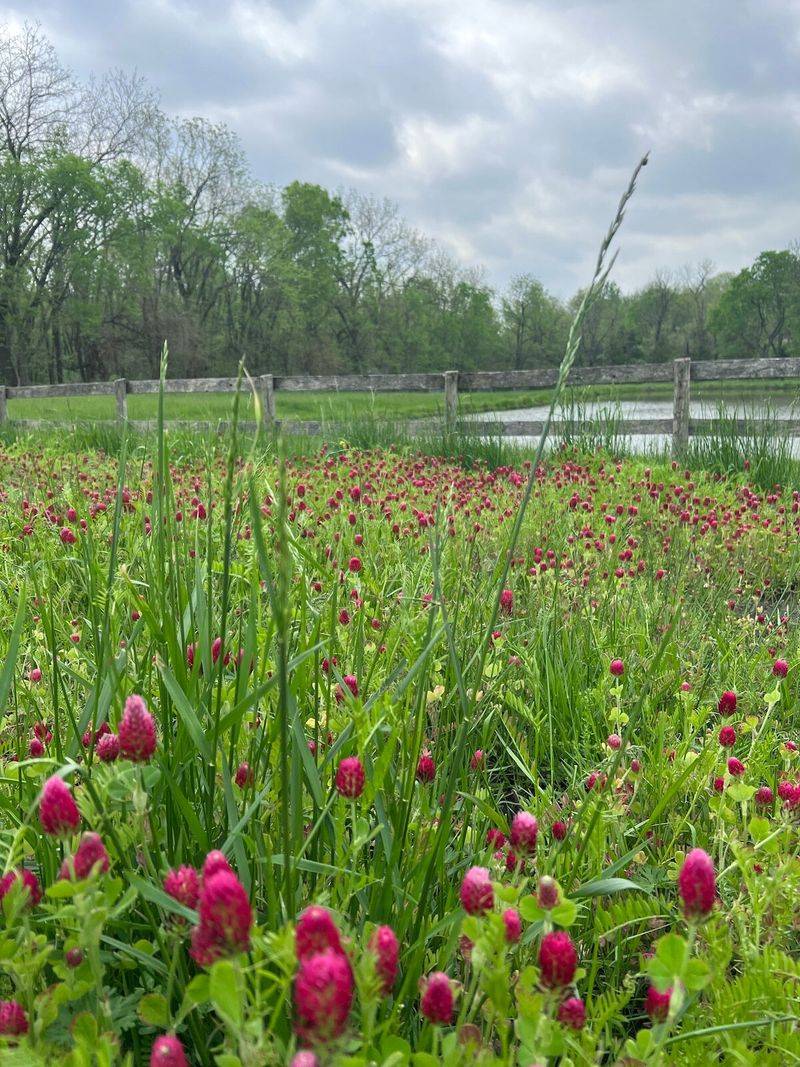
Crimson clover is a legume, and legumes team up with soil bacteria that live in small nodules on their roots. Those bacteria can pull nitrogen gas from the air and convert it into a form the plant uses.
That is the basic reason gardeners talk about clover and nitrogen. NC State Extension explains this nitrogen fixation in detail.
Here is the catch. Nitrogen inside living clover is locked in the plant, so nearby tomatoes or peppers cannot simply tap it.
A later crop may use some of it only after you terminate the clover and the residue breaks down.
How much nitrogen builds up, and when it becomes available, varies with how well the clover grew, whether nodules formed, and how the residue is handled. Extension guidance on nutrient cycling shows that release timing is hard to predict.
No gardener can count on a set amount for a home bed.
Planting dates depend on where you garden
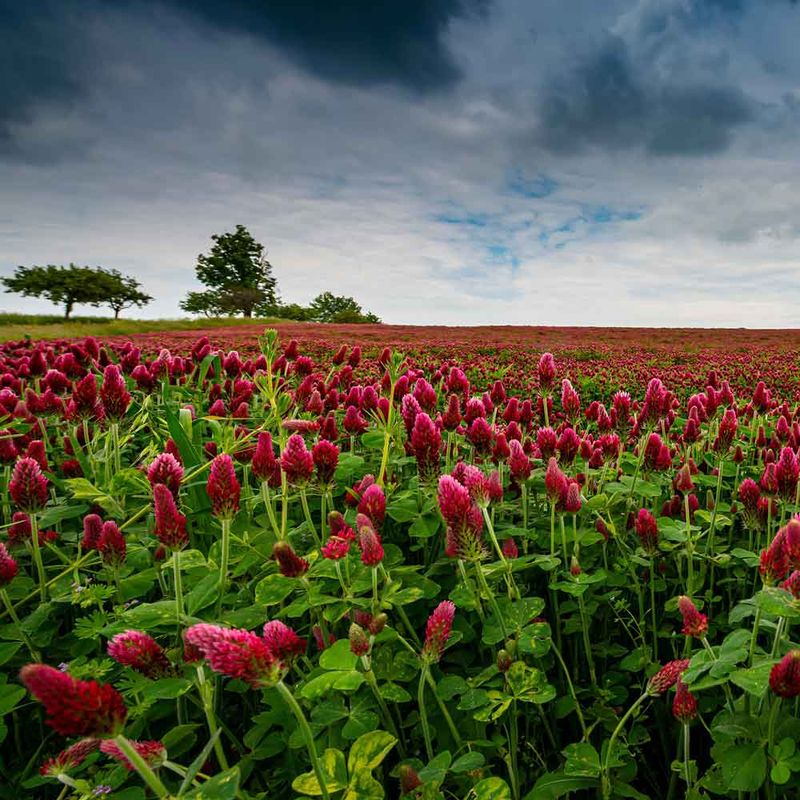
Florida and Texas do not share one calendar. UF/IFAS lists October 1 to November 15 as the planting window for crimson clover in Florida.
Texas A&M’s AggieClover program gives late September through late October for a prepared clover seedbed. It lists later dates for overseeding into existing grass.
Both sets of dates come from regional, forage-oriented guidance.
So there is no single deadline for every Southern garden, and you should not sow just because the weather feels autumnal. Check your county Extension office for dates that fit your area, especially if you garden outside Florida or Texas.
If you plan to sow differently than a prepared seedbed, such as overseeding, ask about that method too.
Give the seed shallow, firm soil contact
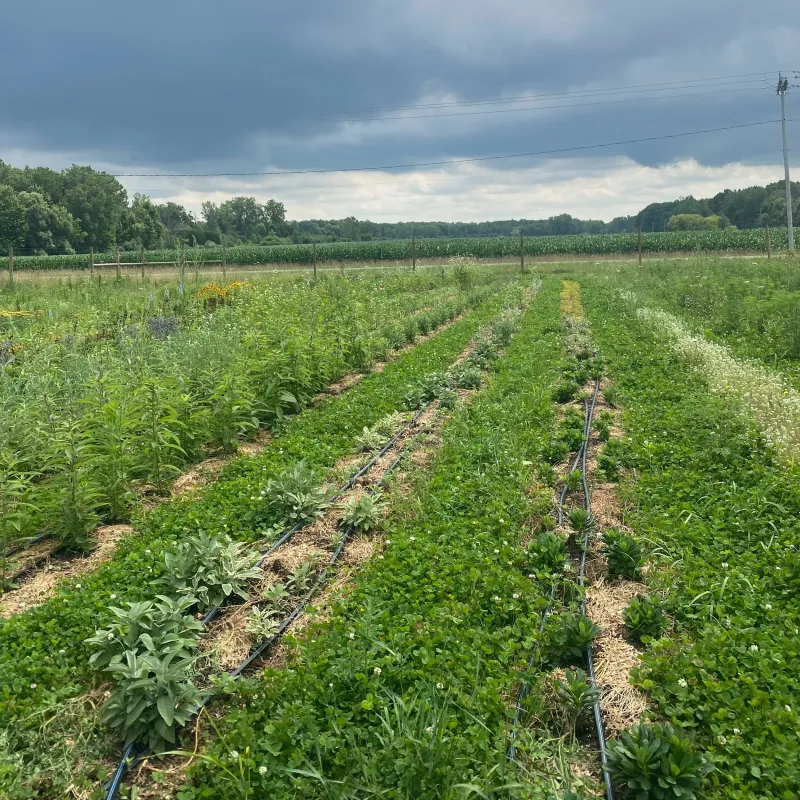
Clover seed is small, so it does not want to be buried. USDA’s chart gives a quarter to half inch depth.
Rake the bed smooth, scatter the seed, rake lightly, then press it in with a board or your feet so every seed touches soil.
For a regional reference, Texas A&M lists 16 to 20 pounds per acre. That works out to roughly 0.6 to 0.7 ounces per 100 square feet.
Treat it as a starting point and follow your seed label, since rates change for broadcast versus drilled seed. The same guide describes good drainage and pH 6.0 to 7.0, which are Texas-specific recommendations, not rules for every yard.
Texas A&M also advises inoculating seed with the right Rhizobium strain, especially where clover has not grown before. Inoculant supports the nitrogen-fixing partnership.
Check whether crimson clover fits this bed
Before you open the seed packet, run a quick check. Can you sow within your local window, keep the bed weeded, and water seed in if fall turns dry?
Cover-crop benefits depend on establishment and management, so a bed you cannot tend may not suit one.
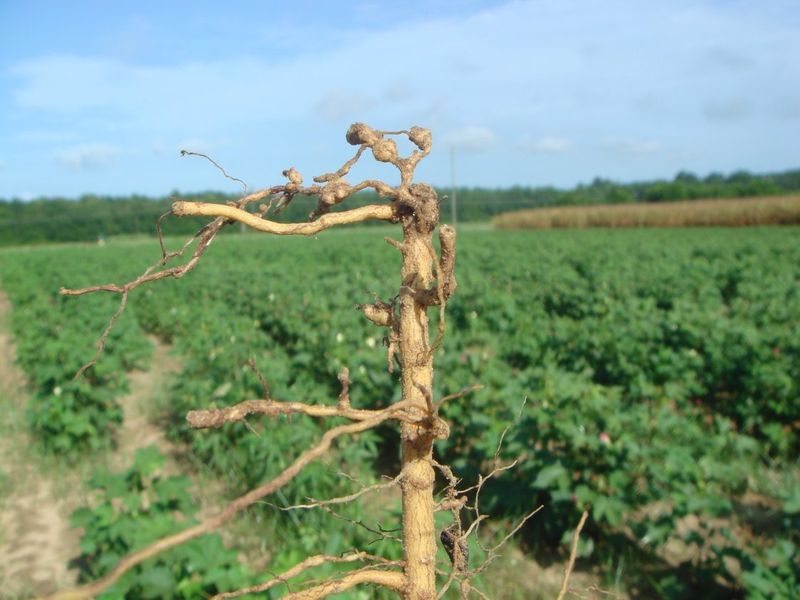
Also think about pests. Mississippi State Extension notes that crimson clover can host root-knot nematodes.
If you already know this bed has a nematode problem, check local crop-rotation guidance before planting clover there. Your county Extension office can point you to options.
If you have never had trouble, you can still ask what is common in your area.
Plan spring termination before tomatoes return
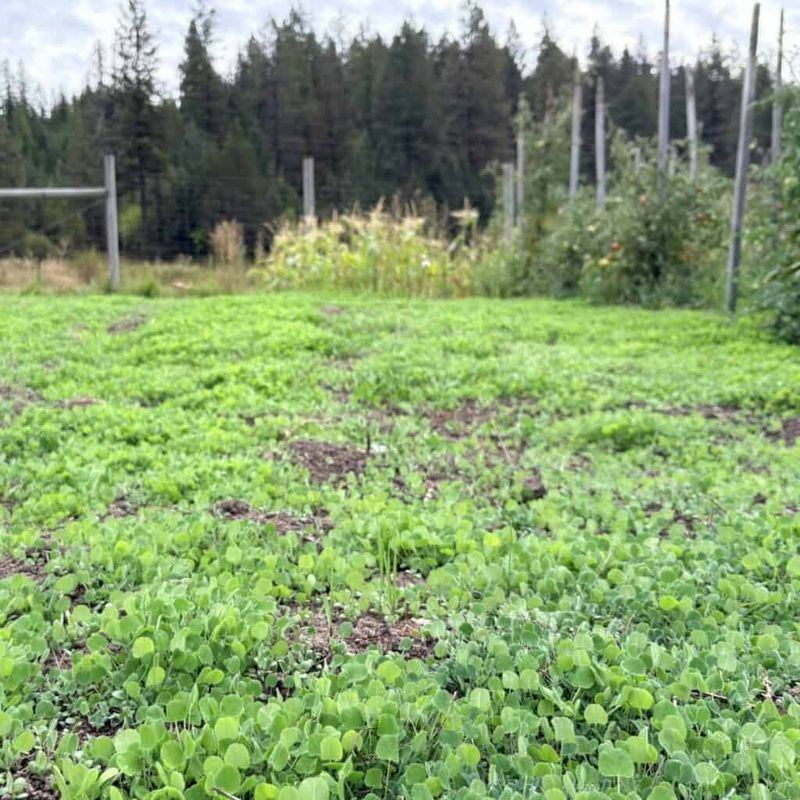
Decide how you will end the clover before you sow it. Mowing and incorporating it into the soil are both options, as covered in Purdue’s home garden cover crop guide.
The best choice depends on your bed and on whether you will set out transplants or direct-seed.
Transplants can go into a mowed mat with a little clearing. Small seeds usually need a cleaner, turned seedbed.
Timing matters because residue has to rot before it releases nitrogen. Some release can happen before the next crop can use it, and it may not match crop demand, as NC State Extension describes.
Terminate early enough to give the residue time to break down.
Also see Nebraska Extension’s nutrient guidance. You may still need a balanced soil test and a normal fertilizer plan.
Treat a bigger tomato harvest as no sure thing
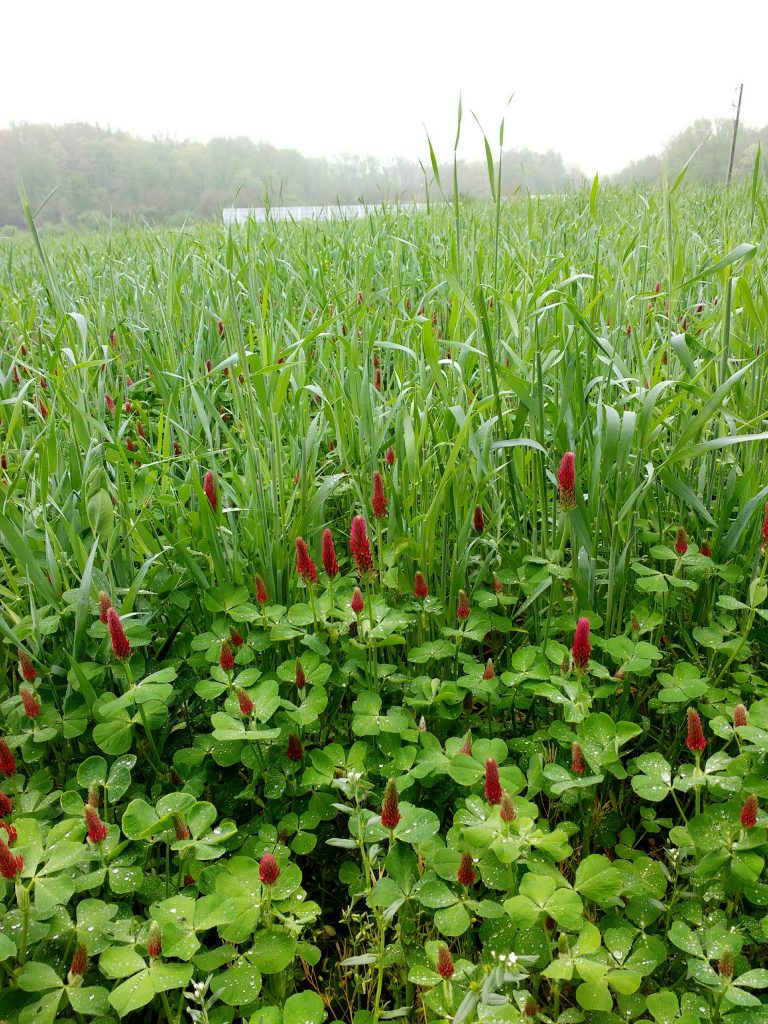
A gardener’s hope is easy to understand: more nitrogen, bigger plants. The data is less tidy.
A field-scale Alabama no-till tomato study from USDA’s Agricultural Research Service found no consistent yield advantage from crimson clover. Tomato yields after it were lower than after rye and plastic mulch across the study years.
That trial did not test peppers, and it was not run in a backyard bed. It cannot tell you what your plants will do, but it does caution against expecting a sure gain.
There is a difference between a possible nitrogen contribution and a proven bump in fruit size or yield. Soil, weather, variety, and watering all play large roles.
Nitrogen estimates also come from different settings, so do not turn one number into a promise for your garden.
Use local guidance to make the decision
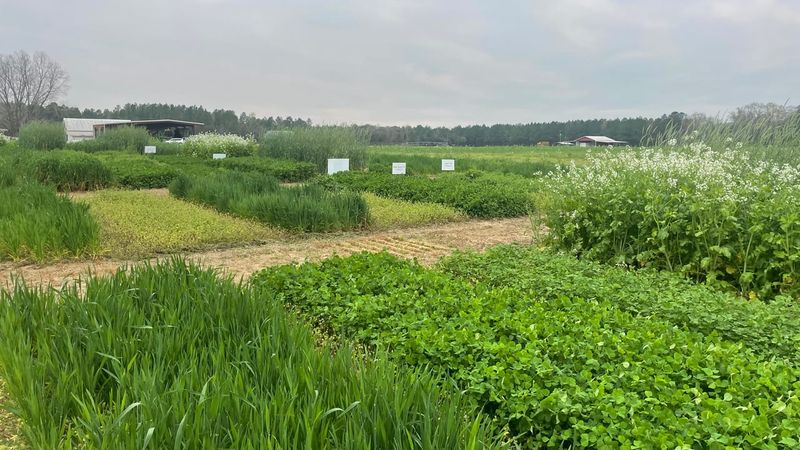
If your local timing and bed conditions fit, crimson clover is a sensible way to cover an otherwise empty bed. Plan your spring termination, and keep your hopes realistic about nitrogen.
It may contribute some, but it does not guarantee bigger tomatoes or peppers. Call your county Extension office before you buy seed.
A green bed beats a bare one, even when the payoff is quiet.