
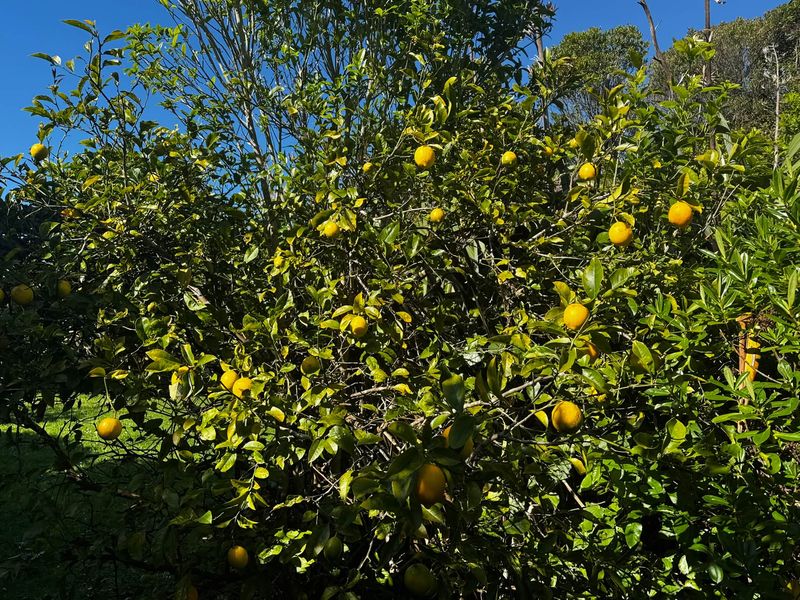
You walk out to your Meyer lemon tree, and the fruit is full and plump, but the peel still has a green tint. Is it ready, or should you wait?
Peel color is only one piece of the puzzle, and it can send you in the wrong direction. A few simple checks, ending with one quick taste, will tell you what your lemons are really up to.
Can a Green Meyer Lemon Be Ready?
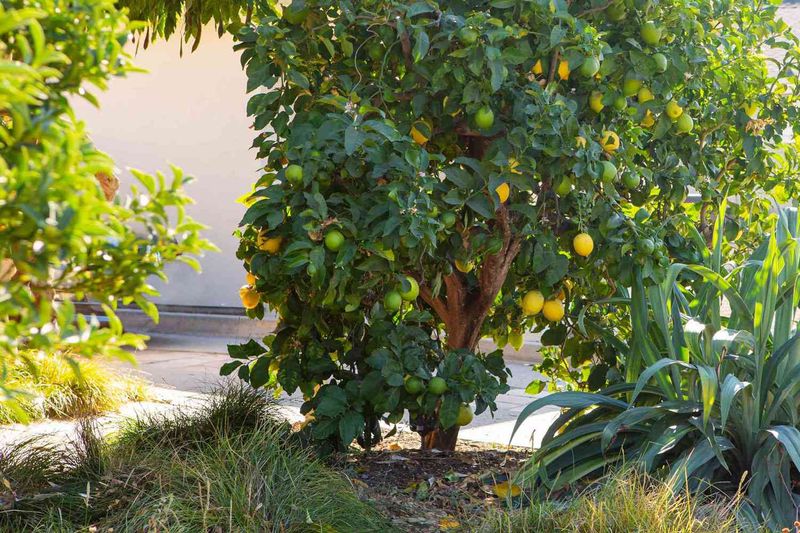
Green peel sends a confusing message. It does not prove a Meyer lemon is unripe, and it does not prove the fruit is ready either.
Color is just one clue, and it often tells an incomplete story.
Part of the confusion comes from weather. According to UC ANR guidance on harvesting Meyer lemons, cool weather speeds up color change in the peel.
Warm conditions can do the opposite, since UF/IFAS explains that heat can inhibit the peel’s color break. So a lemon in a warm spot may stay greenish even when the inside has matured, while a yellow lemon may still taste sharper than you hoped.
That means peel color is not a direct measure of flavor. A greenish lemon is not a lost cause, and a golden one is not a guarantee.
Think of color as a reason to look closer, not a final answer.
The practical fix is simple. Instead of guessing from the outside, pick one fruit and taste it.
UF/IFAS recommends sampling citrus to judge readiness, and that advice fits Meyer lemons well. You are not being urged to pull every green lemon off the tree.
You are simply giving yourself a better way to decide.
Full Size Is a Signal to Start Checking
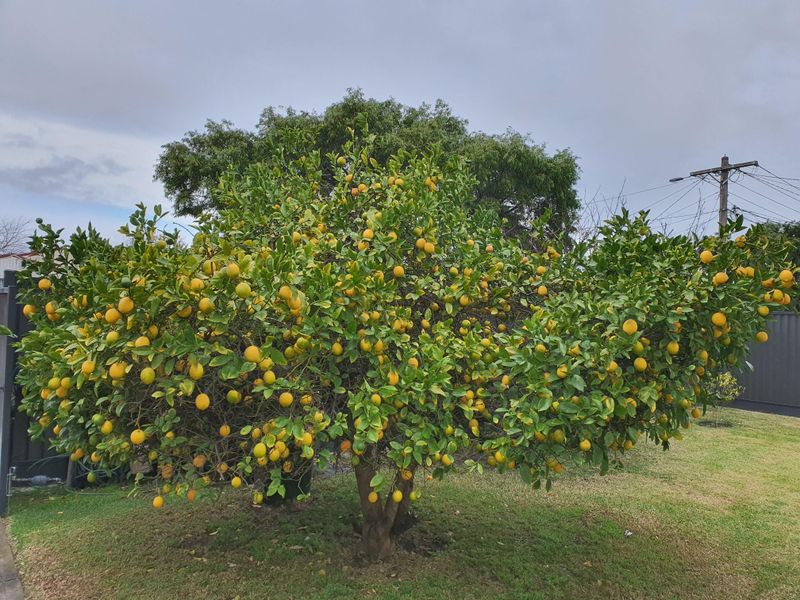
Once a Meyer lemon looks full-sized for your tree, it is time to pay attention. Size tells you the fruit has done most of its growing.
It does not tell you how the juice will taste.
No handy measurement exists for home gardeners here. UF/IFAS advises checking fruit once it reaches full size and then sampling it, but it gives no number to hit.
The UC Riverside Citrus Variety Collection describes Improved Meyer fruit as medium-sized, which is a description, not a picking rule.
Fruit size also varies with tree age, watering, and how heavy the crop is. A lemon from a heavily loaded branch may look smaller than one from a lightly loaded tree and still be just as ready.
So treat size as a starting gun. When a lemon looks about as big as the others you have enjoyed before, move on to the next checks: peel, feel, and fragrance.
Then finish with a taste, which does the real work.
Color, Firmness, and Fragrance Add Context
Three senses can help you narrow things down before you cut anything open. Each one is a supporting clue, and they work best as a team.
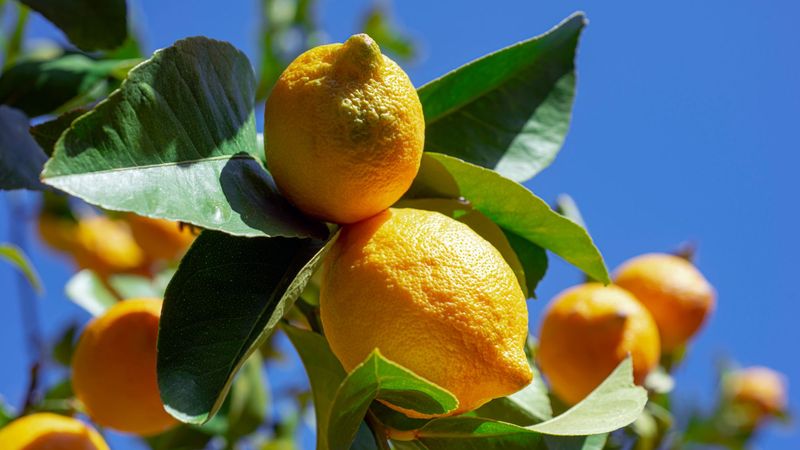
Start with the peel. UC ANR describes harvest-ready Meyer lemons as deep yellow to orange, firm with a slight give, and fragrant.
A Meyer is known for that warm, almost orange-tinged yellow, so a rich color is a good sign.
Next, give the fruit a gentle squeeze. A ready lemon should feel firm but yield just a little under your fingers.
Rock-hard fruit may need more time, while a fruit that feels mushy or hollow has probably gone too far.
Finally, bring the lemon to your nose. A sweet, floral citrus scent suggests the oils in the peel are active.
Scratch the skin lightly with a fingernail if the aroma is faint.
Here is the catch. A lemon can look golden, feel right, and smell wonderful and still taste sharper than you like.
None of these clues promises good flavor. They tell you which fruit deserve a taste test first, so you can skip the ones that clearly are not there yet.
Taste One Lemon Before Harvesting More
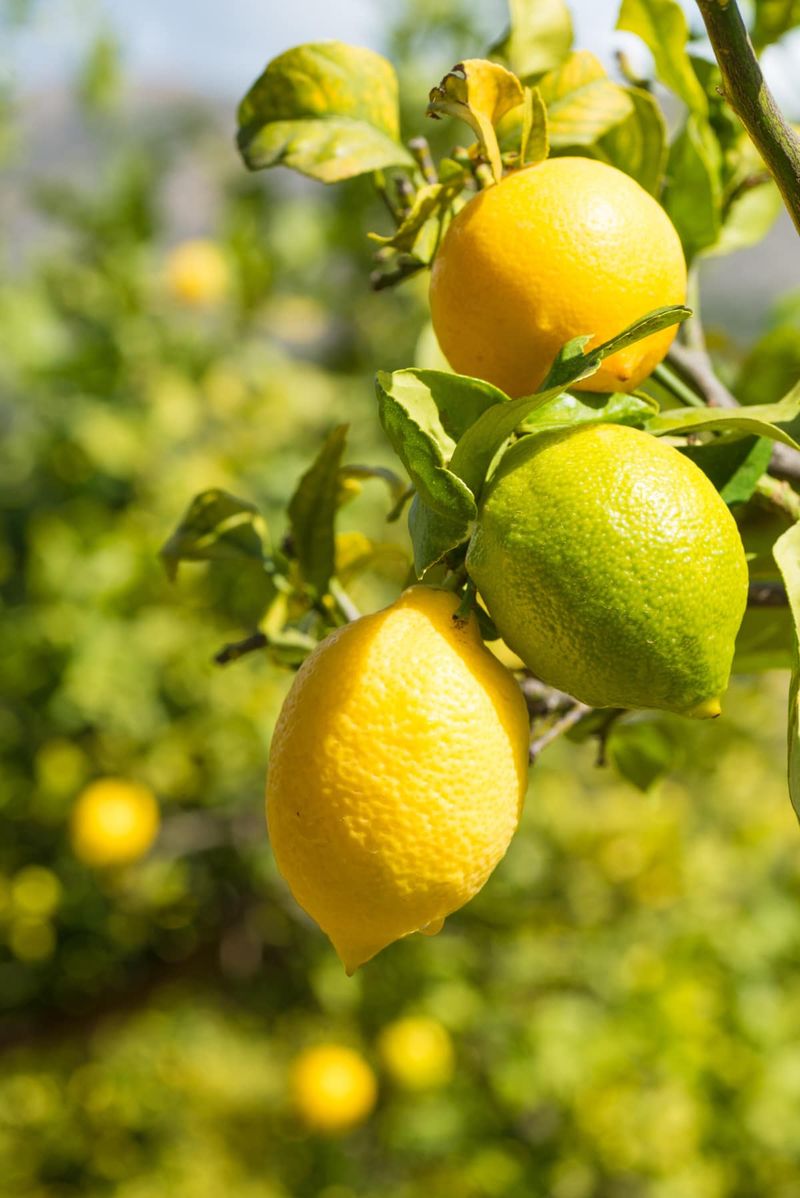
Here is the check that beats every other. Pick one lemon that looks like a typical fruit on the tree, cut it open, and taste it.
Do this before you fill a basket.
Taste is the method that UC ANR recommends over rind color for citrus, and UF/IFAS gives the same advice. A green lemon may turn out to be usable, though it can be more acidic.
Not every green fruit will taste alike, so one sample is a snapshot, not a verdict on the whole tree.
There is a good reason to test on the tree. Meyer lemons do not gain better flavor or maturity once they are picked.
A sharp lemon will not sweeten on your kitchen counter, so picking early in hopes of improvement does not work.
Use your own palate as the judge. Meyers are often described as milder than other lemons, and deep yellow to orange fruit is typically closer to that flavor, according to UC ANR’s Meyer lemon guidance.
If the taste suits your cooking, harvest more. If it makes you wince, leave the rest where they are and try again later.
A Tree Can Hold Lemons at Different Stages
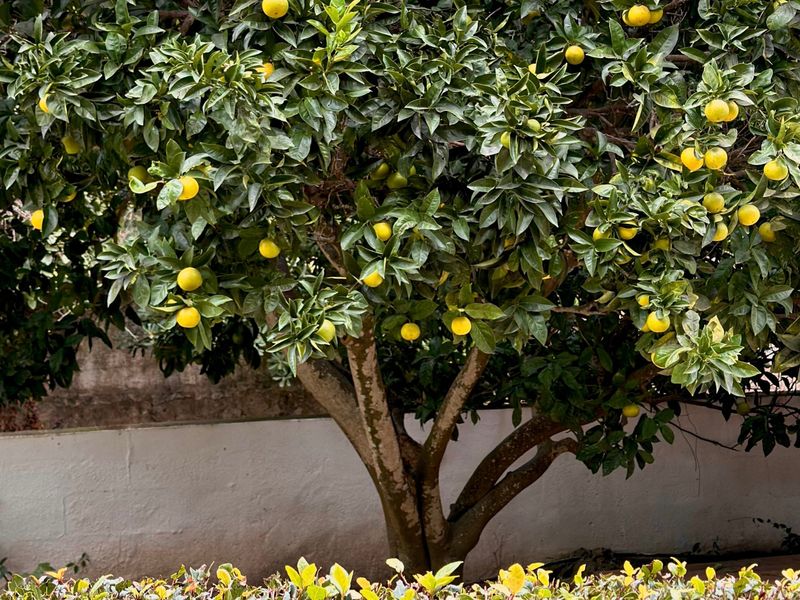
Look closely at a healthy Meyer tree and you may spot blossoms, tiny green fruit, and golden lemons all at once. That mix is normal.
The tree is not running on a single clock.
According to UC ANR, Meyer fruit can be at different stages on the same tree, and the tree may flower and fruit more than once when conditions allow. Waiting until every lemon turns yellow could mean waiting a very long time, and some fruit might pass its best in the meantime.
So judge each lemon on its own. Walk around the tree and pick out the fruit that looks the most developed, then taste one.
A sample from the sunny south side may not match a lemon from shaded inner branches.
If your sample tastes too sharp, do not worry. Leave the other fruit on the tree and try again.
UF/IFAS suggests waiting a week or two before retesting. A quick note on your phone about which branch you sampled makes the next round easier.
Harvest What You Need, but Don’t Wait Indefinitely
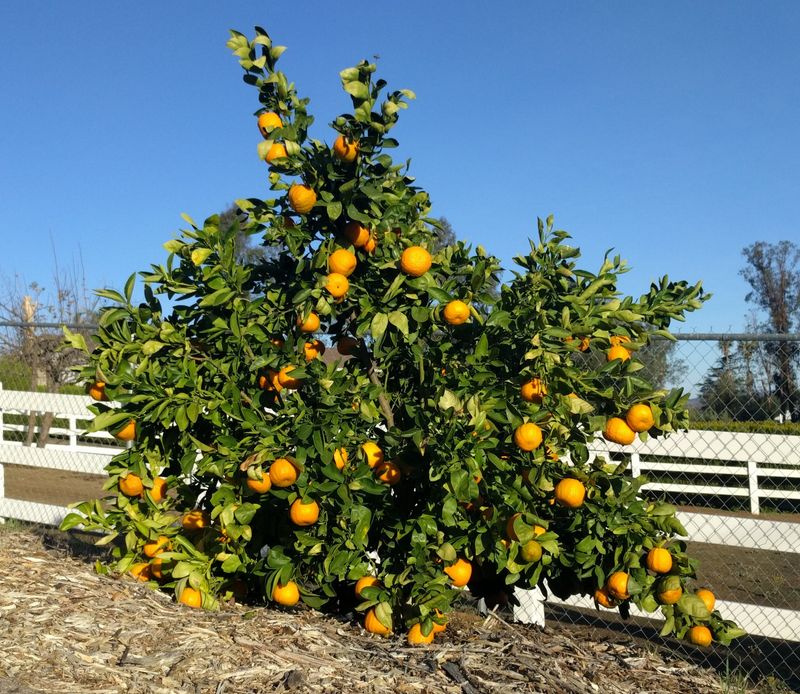
Once a sample passes your taste test, pick the lemons you plan to use and leave the rest. Citrus can hang on the tree for a while, which makes the tree a handy storage spot.
But UC ANR notes that fruit left too long can become overmature and may develop off flavors.
That means green peel is not a reason to wait forever, and a few stubborn green lemons should not hold up your whole harvest. Taste, pick what you need, and recheck the others every week or two.
Timing depends on where you live. For coastal California, UC ANR reports that Meyer trees can carry fruit and flowers year-round, with the heaviest harvest usually in late winter or spring.
That is a coastal pattern, not a rule for every yard in the state.
Frost deserves a thought too. Citrus fruit can be damaged by freezing temperatures, as covered in UC Master Gardener frost guidance for Sacramento County, so a cold forecast may be your cue to pick sooner.
A lemon is ready when it tastes right to you, not when the peel says so.