
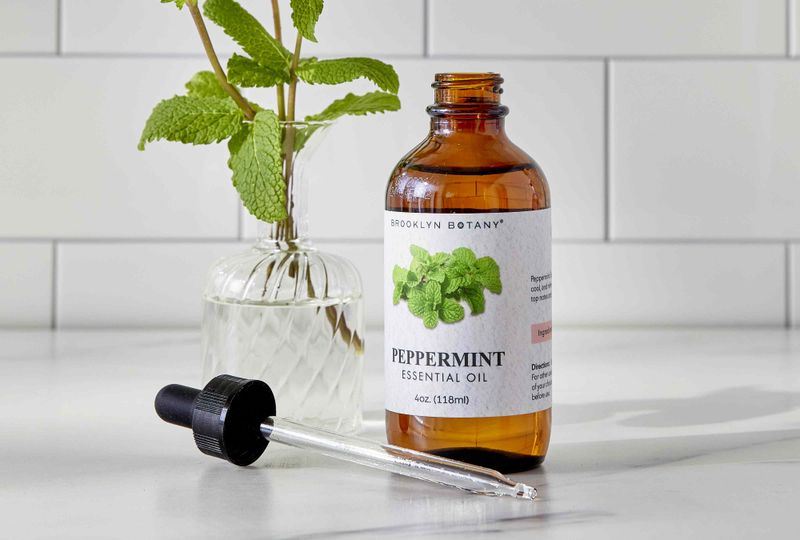
When the weather cools, brown marmorated stink bugs start hunting for a warm place to hide, and your house looks like a five-star hotel to them. Once inside, they cluster on windows, crawl across lamps, and release a nasty smell if you squish them.
The good news is that many common kitchen and cleaning items may help keep them out without harsh chemicals. Here are eight simple repellents you can try today, plus tips for using them around your home and garden.
1. Dish Soap and Water Spray
Grandma’s go-to bug fix still earns its spot at the top of the list. A simple mix of dish soap and warm water can break down the waxy coating on a stink bug’s body, which often makes it hard for the insect to breathe.
To make it, add about one tablespoon of plain dish soap to a quart of warm water in a spray bottle. Shake gently so it does not foam over.
Spray bugs directly when you spot them on window frames, door edges, or porch walls.
Another handy trick is the soapy bucket method. Fill a small container with sudsy water and knock bugs into it with a stick or card.
Because they tend to drop when disturbed, many fall straight in without releasing much odor.
Keep in mind that soap spray works mainly on contact, so it will not keep new bugs from arriving. Use it as a cleanup tool rather than a shield.
Skip heavily scented or degreasing formulas on plants, since they may scorch leaves on tomatoes, peppers, or tender ornamentals during warm Southern afternoons. Test a small area first and rinse foliage if you notice spotting.
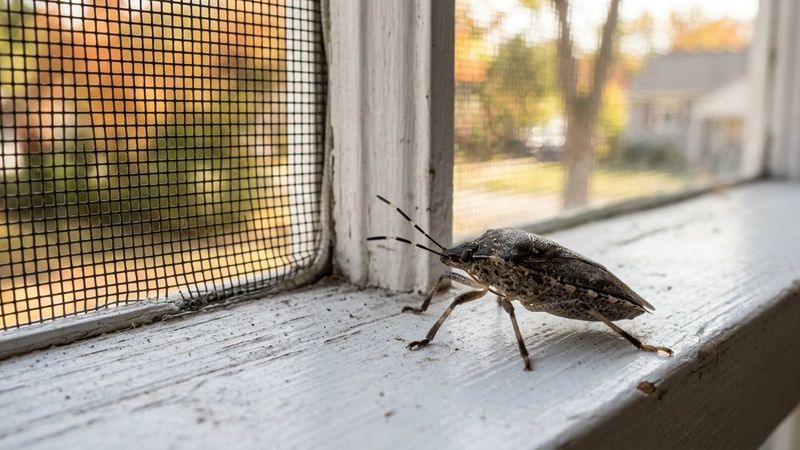
2. Peppermint Oil
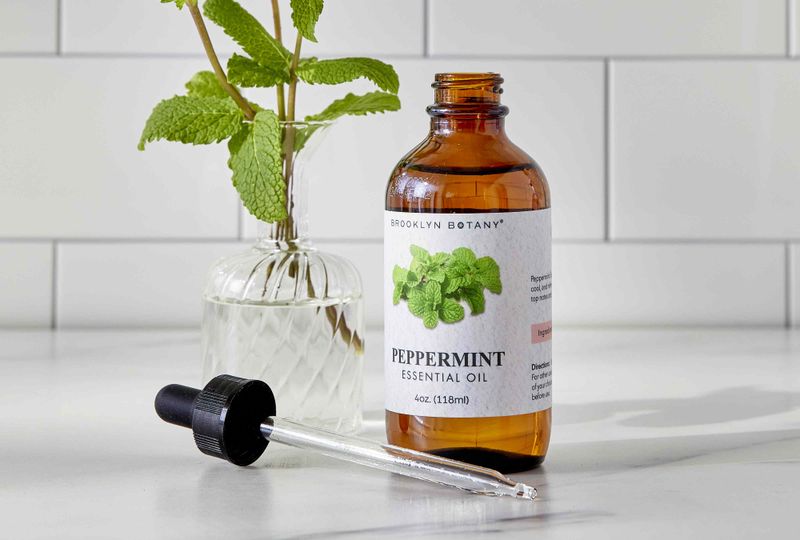
Fresh, cool, and a little sharp, peppermint is a scent most people love. Stink bugs, on the other hand, seem to find it overwhelming.
Many gardeners report that strong mint odors may discourage bugs from settling near entry points. Mix roughly ten to fifteen drops of peppermint essential oil into two cups of water, add a small squirt of dish soap to help it blend, and pour it into a spray bottle.
Mist the solution around window sills, door frames, attic vents, and the gaps where cables enter your walls. Those cracks are the sneaky highways bugs use each fall.
Reapply every few days, because the scent fades quickly, especially in humid Florida and Texas weather.
Here’s a fun bonus: your entryway will smell like a candy shop instead of a bug hideout. Just be careful if you have cats, since concentrated essential oils can be harmful to them.
Keep sprays away from pet bowls and bedding.
Peppermint will not wipe out an invasion on its own. Think of it as a polite but firm sign telling bugs to move along, and pair it with sealing cracks for the best chance at keeping them out.
3. Garlic Spray
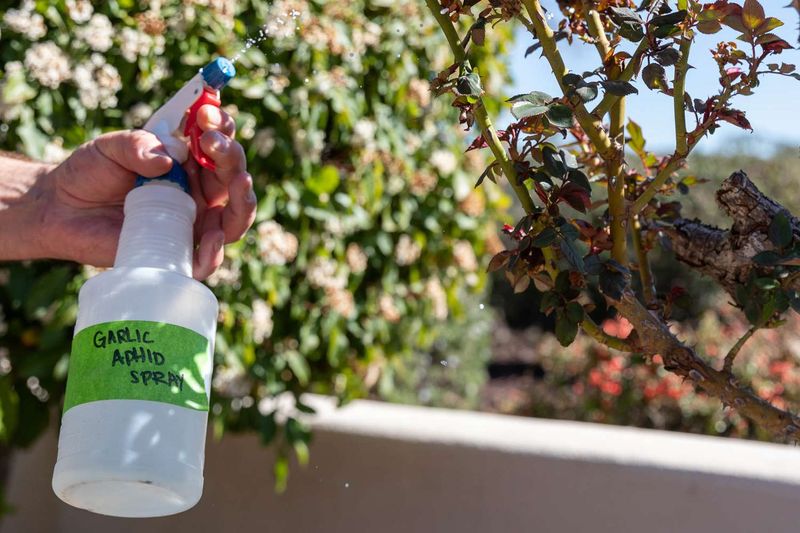
Vampires are not the only creatures that dislike garlic. Stink bugs appear to avoid its pungent sulfur compounds, which makes garlic a clever, cheap option straight from your pantry.
Crush four or five cloves and soak them in two cups of hot water overnight. Strain out the pieces, pour the liquid into a spray bottle, and add a few drops of dish soap.
The result smells strong, but that is exactly the point.
Garlic spray shines in the vegetable patch. Stink bugs love to pierce tomatoes, peppers, and okra, leaving cloudy, spongy spots under the skin.
A light misting on stems and leaves may help reduce feeding before the bugs ever think about heading indoors.
Around the house, spritz along foundation edges, porch steps, and window screens. Reapply after rain or heavy dew, since the smell washes away fast.
One honest warning: your porch may smell like an Italian kitchen for a day or two. Most folks consider that a fair trade.
Avoid spraying edibles right before harvest unless you enjoy garlic-flavored peppers, and rinse produce well before eating.
4. Diatomaceous Earth
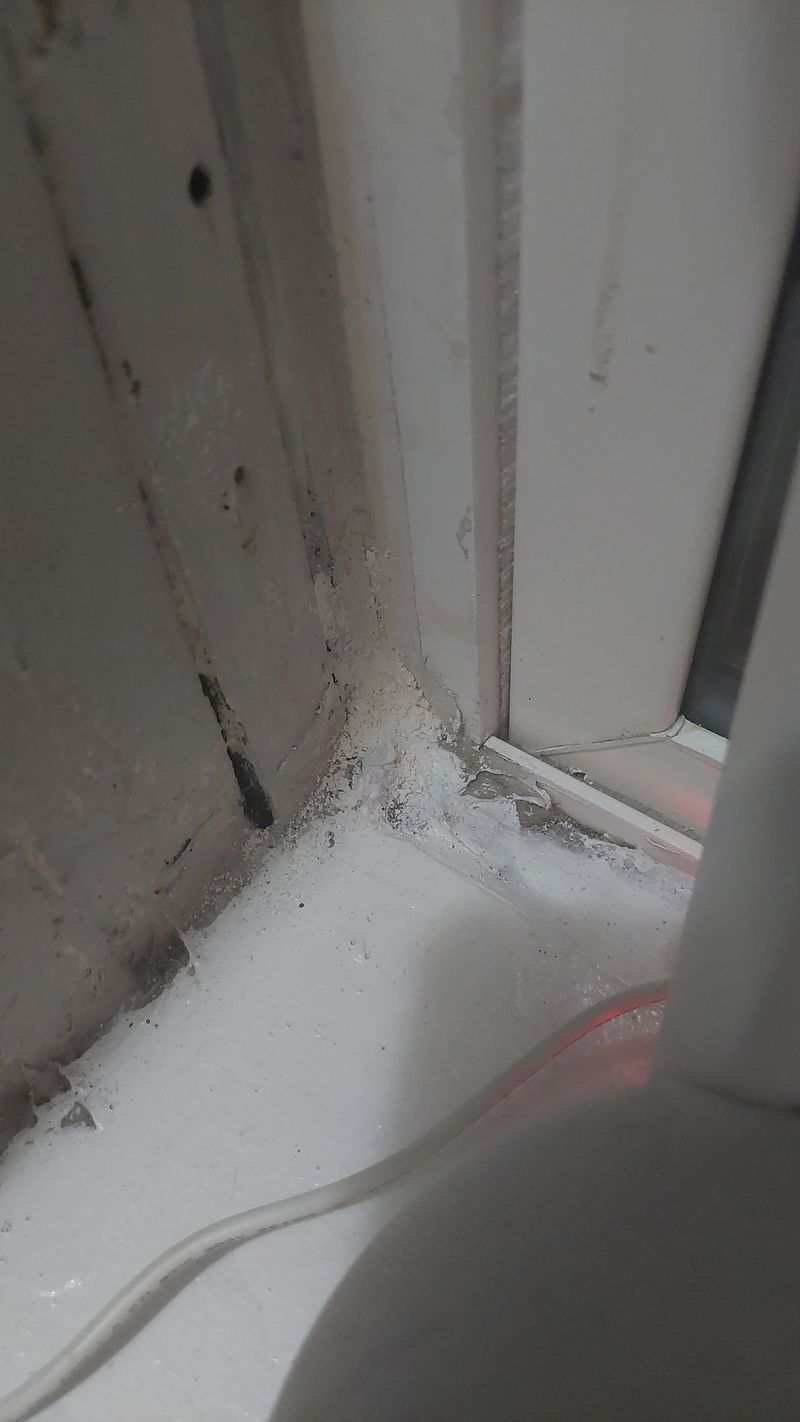
Under a microscope, diatomaceous earth looks like a pile of tiny broken glass. To us it feels like soft flour, but to insects it is a rough obstacle course.
Made from the fossilized shells of ancient algae called diatoms, food-grade diatomaceous earth can scratch an insect’s outer layer and dry it out over time. Bugs that crawl through it may slowly lose moisture and die.
Sprinkle a thin line along window sills, door thresholds, baseboards near drafty spots, and attic entry points. A light dusting works better than a big pile, because bugs tend to walk around heaps.
Did you know? The same powder has been used for decades to protect stored grain from beetles.
Results are not instant. Diatomaceous earth acts slowly and loses its power when wet, so it fits best in dry indoor spots instead of soggy outdoor beds during humid Southern months.
Always choose the food-grade type, not the pool-filter version.
Wear a simple dust mask while applying, since the fine powder can irritate lungs. Once it settles, it is low risk around kids and pets.
5. Neem Oil
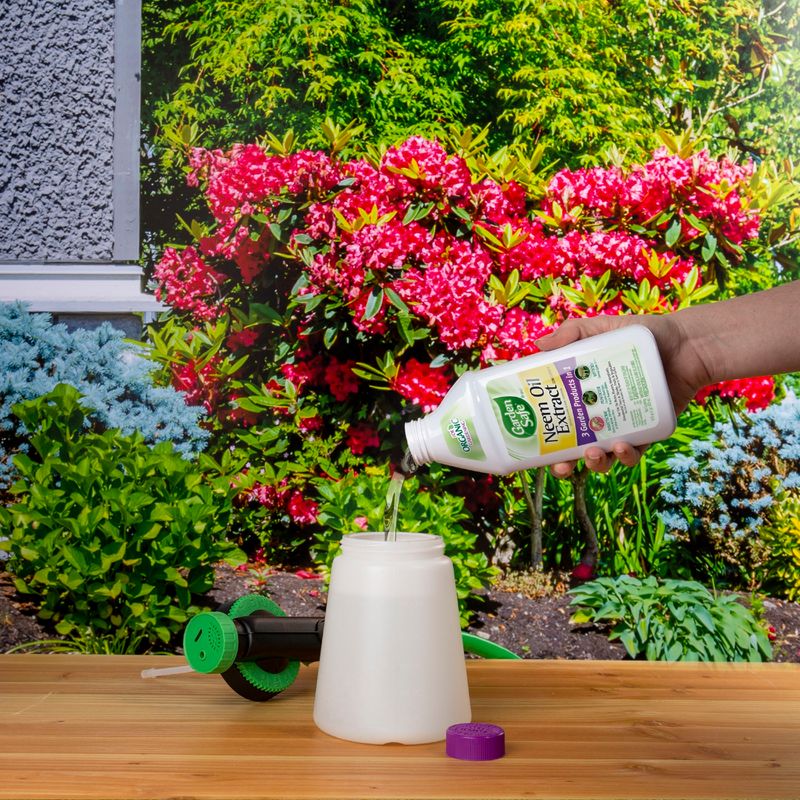
Gardeners in India have trusted neem for centuries, and it has earned a loyal following across Southern vegetable beds too. Pressed from the seeds of the neem tree, the oil is a natural plant-based product with a nutty, garlicky smell.
Neem may interfere with how insects feed and grow. Young stink bug nymphs seem especially sensitive, which makes it most useful in the garden before bugs mature and start eyeing your siding.
Mix about two teaspoons of neem oil and one teaspoon of mild dish soap per quart of warm water. Spray tomatoes, peppers, beans, and fruit trees in the early evening, coating the undersides of leaves where nymphs like to hide.
Repeat every seven to fourteen days.
Avoid spraying during the heat of a Florida or Texas afternoon. Oil on leaves under hot sun can cause leaf burn.
Evening spraying also protects bees, which are less active then.
Neem is a long game, not a quick knockout. Fewer healthy bugs in your yard this summer could mean fewer uninvited guests clinging to your curtains come winter.
6. Hot Pepper Spray
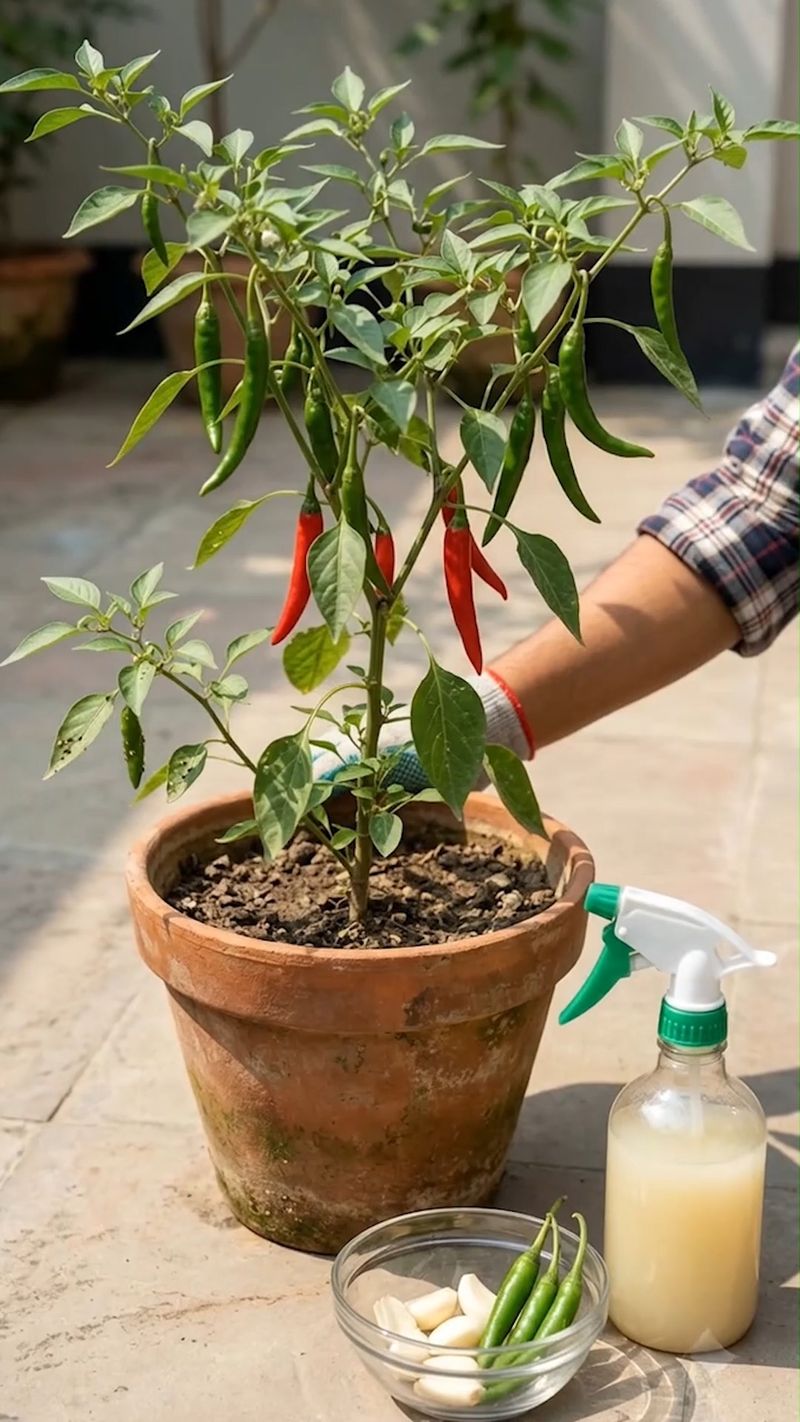
If you have ever rubbed your eyes after slicing a jalapeño, you know how fierce capsaicin can be. That same fiery compound may make your yard a less welcoming place for stink bugs.
Blend two hot peppers, or two tablespoons of cayenne powder, with a quart of water. Let it sit overnight, strain it through a coffee filter, and add a few drops of dish soap so it sticks to surfaces.
Spray around door frames, porch railings, window screens, and the outside of garden beds. Many Texas gardeners already grow plenty of hot peppers, so this is a smart use for extra fruit at the end of the season.
Safety comes first with this one. Wear gloves and keep the spray far from your face, kids, and pets.
A breezy day can send a mist right back into your eyes, which is not a mistake you make twice.
Test on a few leaves before treating whole plants, since strong mixes may spot foliage. Hot pepper spray can help discourage bugs, but it fades after rain, so plan to reapply regularly through fall.
7. Dryer Sheets
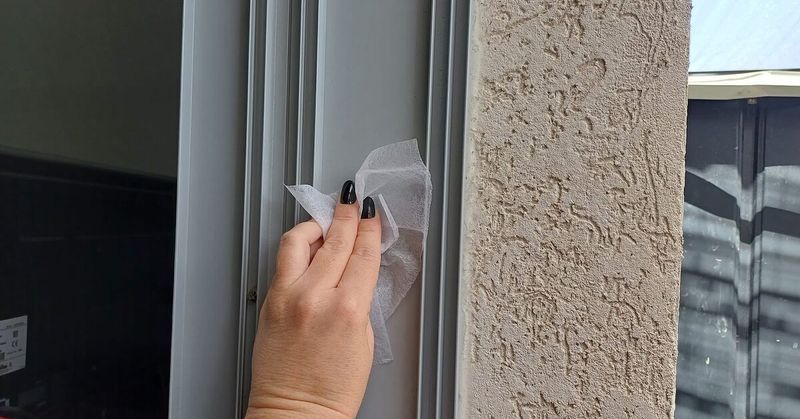
Here’s a laundry room secret with a surprising second job. Some homeowners swear that strongly scented dryer sheets help keep stink bugs from hanging around window screens and doorways.
The theory is simple. Those perfumes may confuse or bother bugs searching for a cozy crack to crawl through.
Rub a sheet across window screens, door frames, and the edges of attic vents, or tuck a few sheets into spots where bugs often gather.
Honestly, the science here is thin. Results vary from house to house, and dryer sheets will not stop a determined swarm.
Still, they cost pennies, require zero mixing, and leave your home smelling like fresh laundry instead of cilantro-scented bugs.
Replace sheets every week or two as the fragrance fades. Choose a strong scent, since unscented versions offer nothing for this purpose.
Keep sheets out of reach of curious pets and toddlers, who might chew on them. For a better shot at success, combine dryer sheets with caulking cracks and repairing torn screens.
Think of them as the friendly doorman, not the security guard.
8. Homemade Light Trap
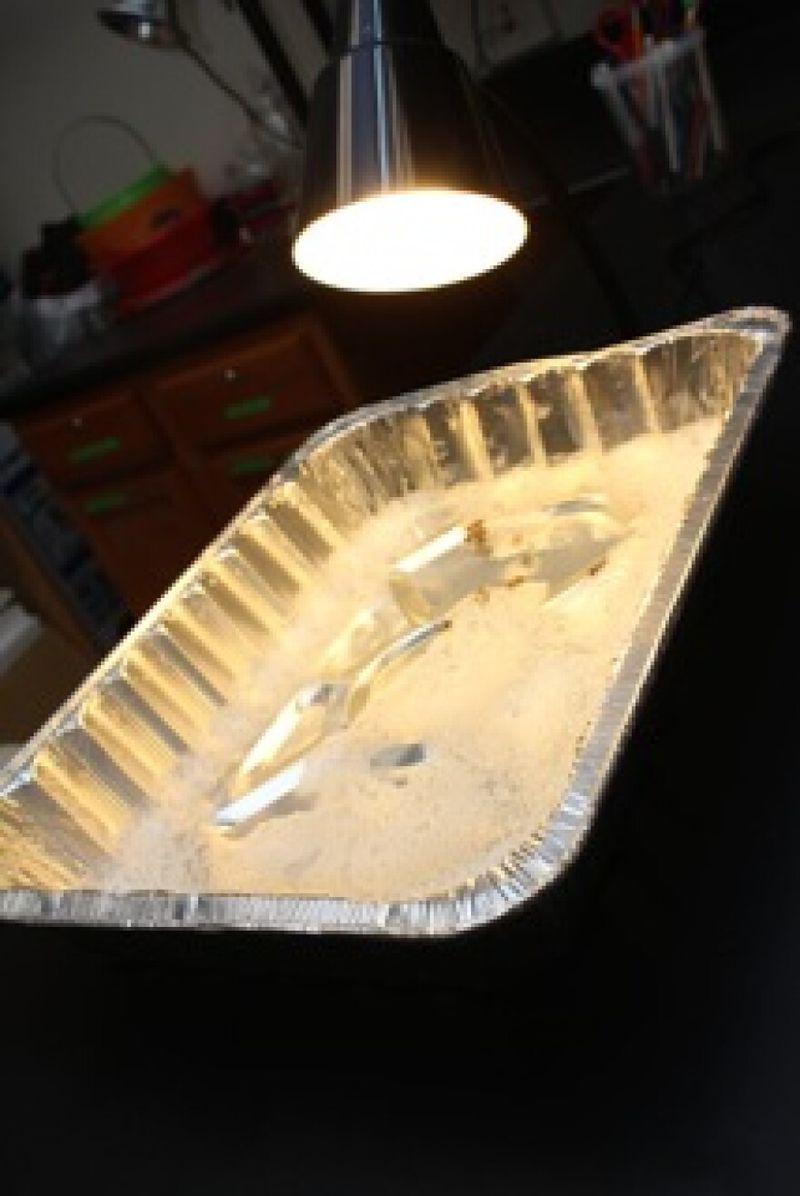
Picture a dark room, one glowing lamp, and a shallow pan waiting below. That little nighttime setup may catch more stink bugs than you expect.
Stink bugs that slip indoors are drawn to light, especially on warm winter days when they wake up and wander. You can use that habit against them with items already in your kitchen.
Fill a disposable aluminum pan or baking dish with water and a generous squirt of dish soap. Place it under a desk lamp or night light in the room where bugs show up most, like an attic, garage, or sunny bedroom.
Turn off every other light before bed.
By morning, you may find several bugs floating in the pan. The soap stops them from climbing back out, and you never have to touch or crush them, so there is no smell.
Empty the pan outside and refill as needed. Traps work best alongside prevention, such as sealing gaps and fixing screens before cool weather hits.
A tidy, chemical-free trap like this can turn a stressful bug season into a quiet, manageable chore.