
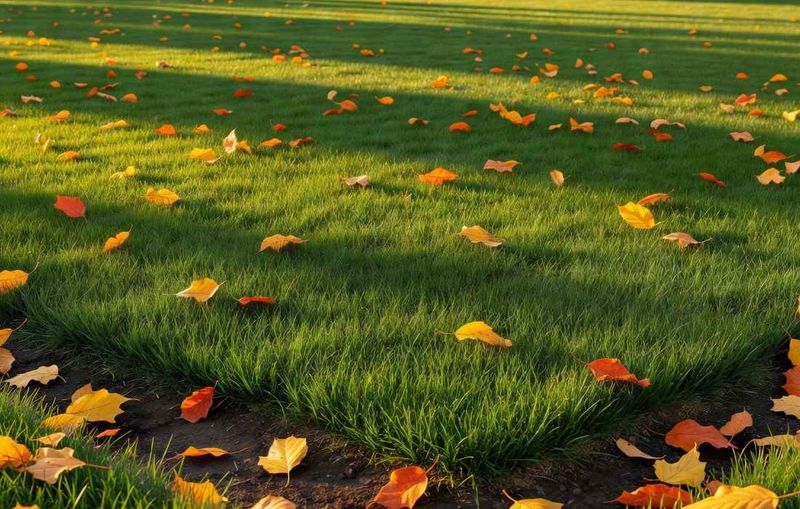
Fallen leaves can look pretty on a lawn, but a deep blanket of them can cause trouble for the grass underneath. The good news is that you have more than one way to handle them, and the right choice depends on how many leaves you have.
Your grass type, local weather, and mower all play a part too. A quick look at your yard will tell you what to do next.
Judge the leaf cover, not just the calendar
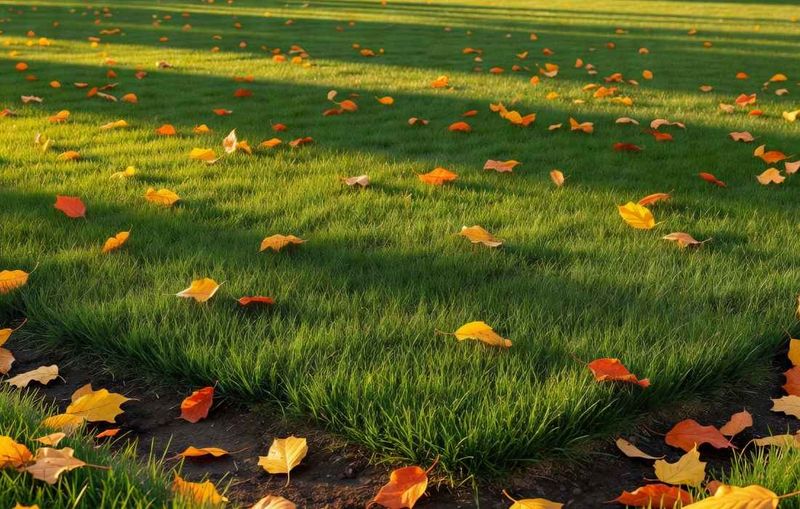
Walk out to the lawn and look down. If you can see plenty of green grass and only a few leaves are scattered around, you are in good shape.
Small leaf pieces that sift down between the blades usually do not need to be raked.
Now look for the trouble spots. Iowa State Extension advises mowing thin, dry leaf cover into small bits, and managing the layer when little or no grass shows through.
A good picture to keep in mind is a lawn where leaves hide most of the turf, especially under oaks, sweetgums, or maples where leaves collect in drifts.
Not every visible leaf is a problem. A few leaves on St. Augustine, Bermuda, or Zoysia are normal in fall.
The issue is a mat of whole leaves that covers the grass, and that is the layer worth acting on.
Why a thick layer can stress turf
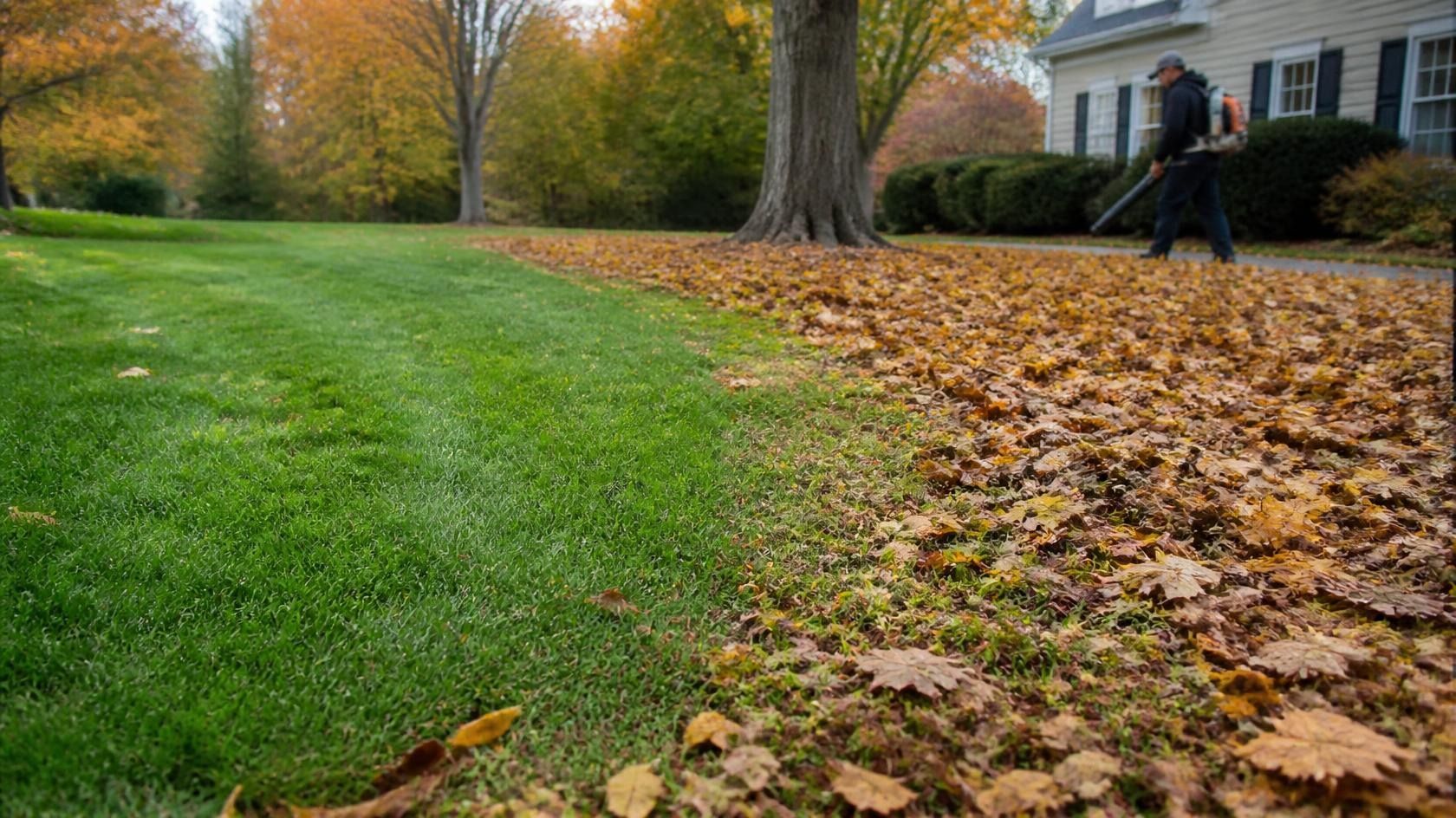
Grass needs light to make food, and it likes airflow around its leaves. A thick layer of whole leaves can block sunlight and hold moisture against the turf.
UGA Extension notes that leaves blocking light and trapping moisture can harm turf, which is why heavy cover deserves attention.
Putting the risk in proportion helps. In a Wisconsin field trial described by the WinterTurf project, heavy unmulched leaf cover caused serious damage.
Most of those plots recovered, though more weeds showed up as the grass filled back in.
That study took place in Wisconsin, with cold-climate turf and winter conditions. It does not give a leaf-depth limit for Florida or Texas lawns.
Think of it as a sign that thick cover can cause trouble, not a promise that your lawn will be lost.
Late October is a reminder, not a Southern deadline
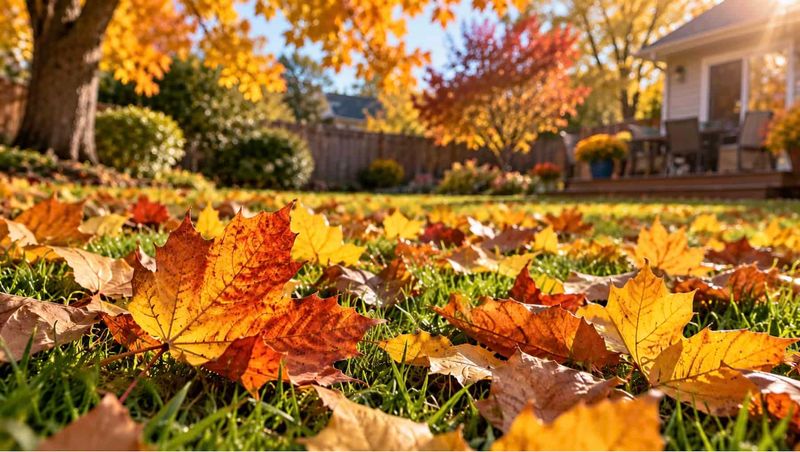
Leaf drop does not run on one schedule across the South. Oaks in Florida may hold leaves into winter, while trees farther north let go earlier.
Pick your timing from what the lawn and the leaves are doing.
Grass growth matters too. UF/IFAS explains that mowing frequency in Florida depends on grass species, season, weather, and growth, and some north Florida lawns may not need mowing in winter.
UGA guidance says warm-season turf there keeps growing until the first hard freeze.
So check the yard every week or two. If the grass is still growing and leaves are thin, mow them in.
If leaves are piling up and hiding the turf, deal with the extra after the next dry spell, whatever the date says. Local extension offices can help with timing for your area.
Mulch a thin, dry layer safely
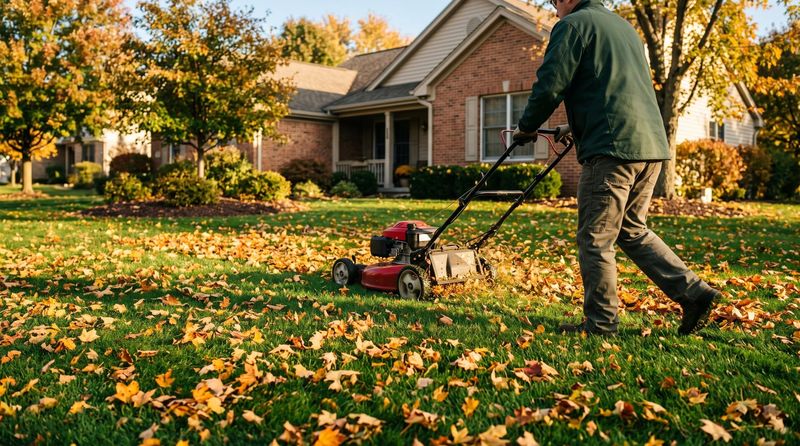
Dry, light leaf cover is the best case for mulch mowing. Texas A&M AgriLife recommends mowing a light covering right into the lawn.
When you finish, look at the turf: the pieces should be small and fall between the grass blades, with little leaf material left on top.
If the layer is thicker but still manageable, Iowa State suggests making multiple passes. A mower can only process so much at once, as Virginia Tech Extension cautions, and very wet leaves strain the machine and mulch poorly.
Wait until the turf is dry, and pick up sticks and other debris first. Florida guidance says to avoid mowing wet turf and to keep the mowing height recommended for your grass species.
Eye protection and a mask are smart when dust and flying bits are a concern.
Rake or collect what the mower cannot handle
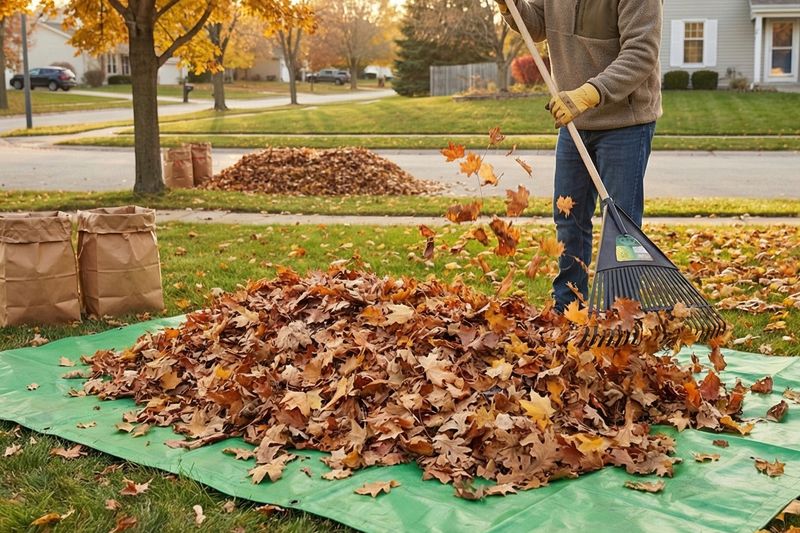
Some leaf piles are simply too much for a mower. When the layer hides the grass, or the leaves are soggy and heavy, forcing the machine through them gives poor results.
Raking is the plain, reliable answer here.
Iowa State’s guidance points to managing the layer when little or no grass is visible, and Virginia Tech’s advice reminds us that a mower has limits. A tarp makes the job easier: rake onto it and drag the load to its destination.
A leaf blower or a mower with a bagger can also work if you have one.
You do not have to clear every leaf. Rake the heavy drifts and leave a light scattering, then mow it when conditions are dry.
If a pile is in a spot like a low corner where leaves keep blowing in, check it again after the next windy day.
Put removed leaves to use beyond the lawn
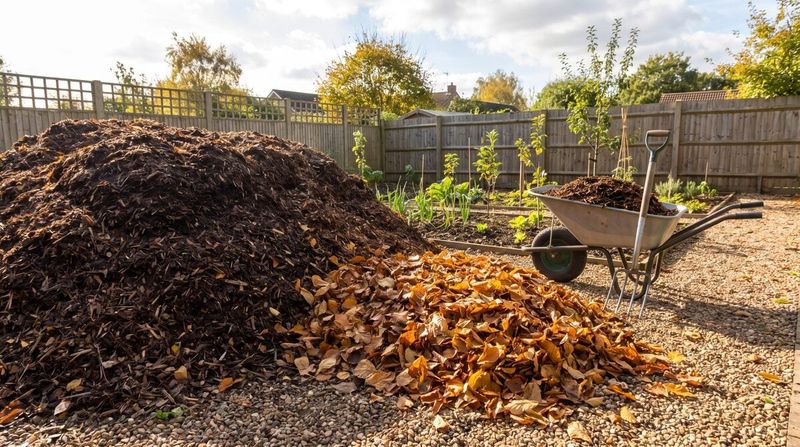
Leaves you pull off the turf are useful elsewhere. Texas A&M describes shredded leaves as landscape mulch, so they can go around trees, shrubs, and in beds.
You can also add them to a compost pile, which turns them into crumbly material for the garden over time.
Whole leaves have a place too. UGA Extension describes leaf litter as overwintering habitat, and suggests moving leaves when they cannot stay where they fell.
A garden bed or wooded edge can hold a loose layer while the lawn stays clear of heavy cover.
None of this is a rule. Compost if you like, mulch beds if they need it, or leave a corner natural.
You do not need to clear every leaf or keep every leaf. A tidy lawn and a leafy bed can sit side by side.