
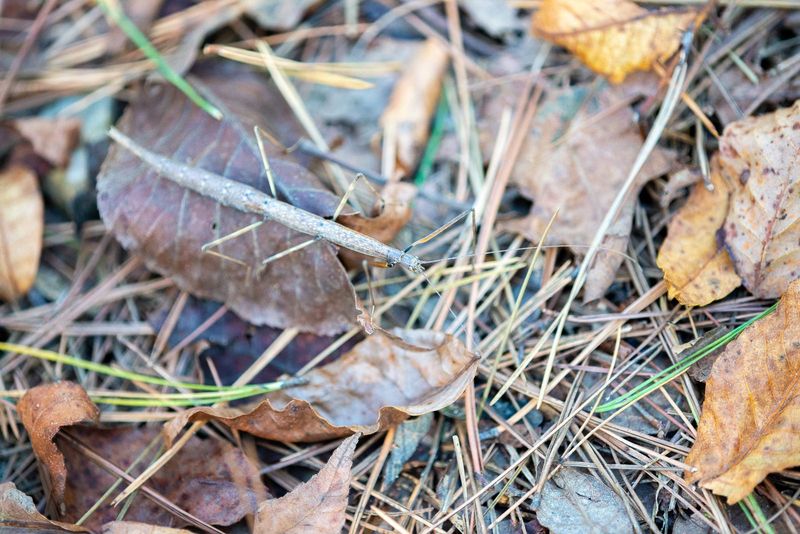
Snakes are masters of hiding, and a fall garden bed full of mulch, leaves, and fading plants can look like a perfect home to them. In Florida, Texas, and across the South, warm autumn days keep snakes active long after summer ends.
You might never spot one, but they almost always leave small signs behind. Knowing those clues helps you stay safe, protect pets, and decide whether your new neighbor is a helper or a worry.
1. Shed skins tucked into mulch or shrubs
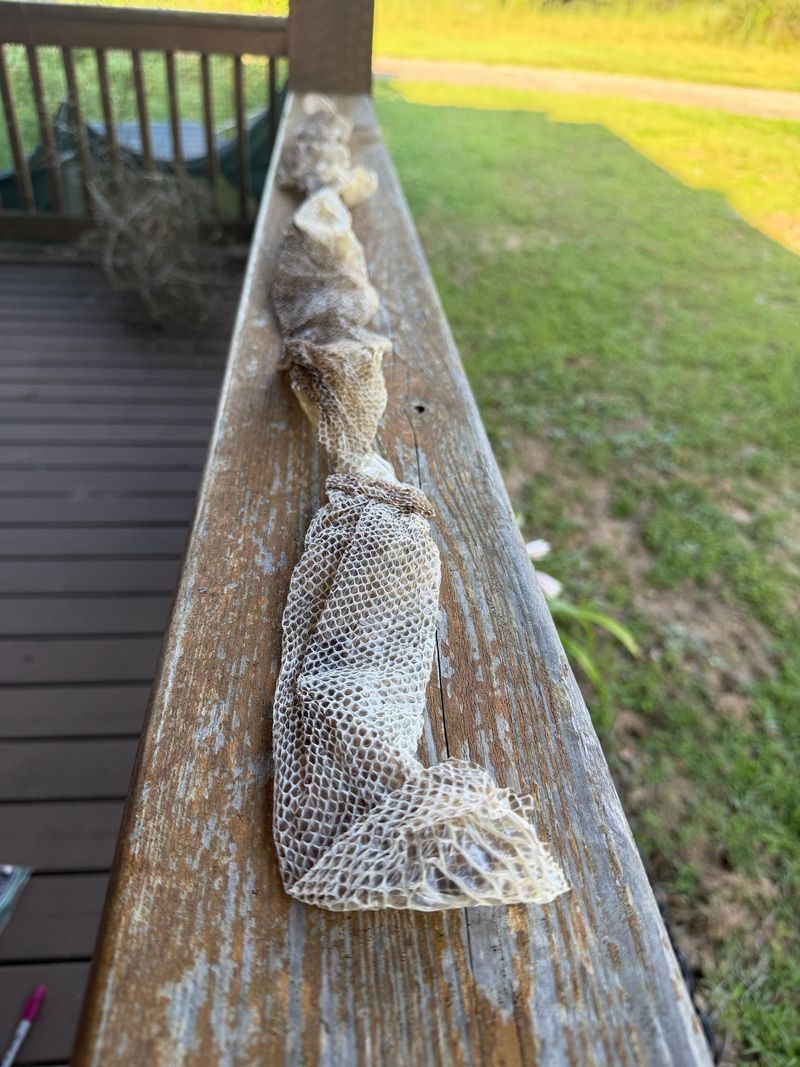
Few garden finds stop you in your tracks quite like a long, papery tube draped across the mulch. A shed skin is the closest thing to a signed guest book a snake will ever leave.
Snakes rub against rough surfaces to peel out of old skin, so look near rocks, woody stems, and dense shrub bases.
Fall is a busy shedding time in the South, because snakes are still eating well before cooler weather slows them down. In Texas and Florida, many species may shed several times a year.
Finding one skin often means the snake has been around long enough to feel comfortable.
A quick tip: a fully intact shed can sometimes help identify the species. Patterns on the scales, the shape of the head section, and the overall length give helpful hints.
Wear gloves, slip the skin into a bag, and compare it with a regional field guide or ask your county extension office.
Size matters too, though not perfectly. Skins stretch as they come off, so the actual snake is usually a bit shorter than the shed.
Still, a big skin is a good reason to move slowly and watch where your hands go while tidying beds.
2. Smooth S-shaped tracks in soft soil
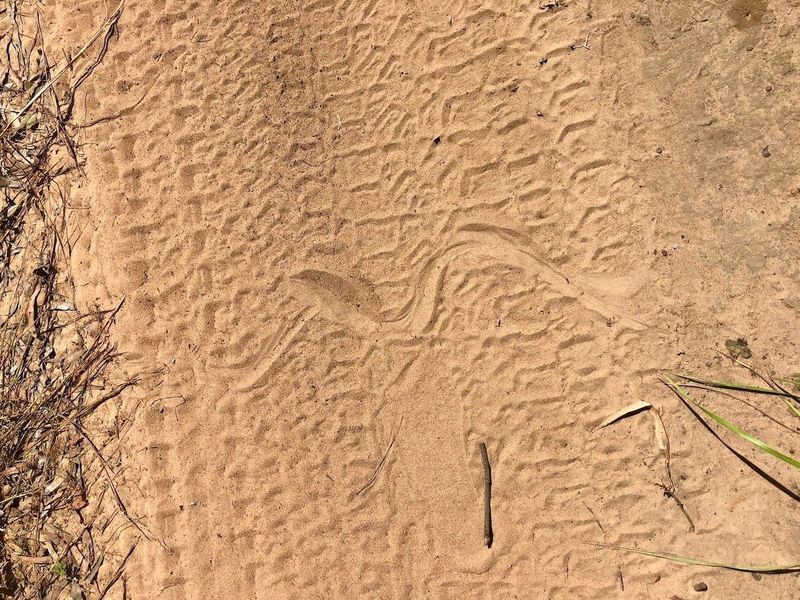
Picture a ribbon dragged slowly through sand, and you have a good idea of what a snake trail looks like. After a fall rain, freshly turned soil and dusty paths become perfect canvases for these wavy marks.
Unlike footprints from rabbits or squirrels, snake tracks have no toe prints at all.
Look closely along bed edges, between vegetable rows, and near the base of raised bed walls. Snakes often follow edges because they feel safer with cover on one side.
A trail that repeatedly crosses the same spot may point to a regular travel route.
Morning is the best time to check. Dew and overnight moisture hold impressions crisply, while afternoon sun and wind tend to erase them quickly.
Southern gardeners clearing summer tomato and pepper beds for fall greens often notice these trails first, since the soil is newly exposed.
Tracks alone can’t tell you the species, and other things like dragged hoses or worms may leave similar lines. Treat them as one piece of a puzzle.
If you see a trail plus a shed skin or droppings nearby, you can feel more confident a snake has made itself at home.
3. Droppings with a telltale white tip
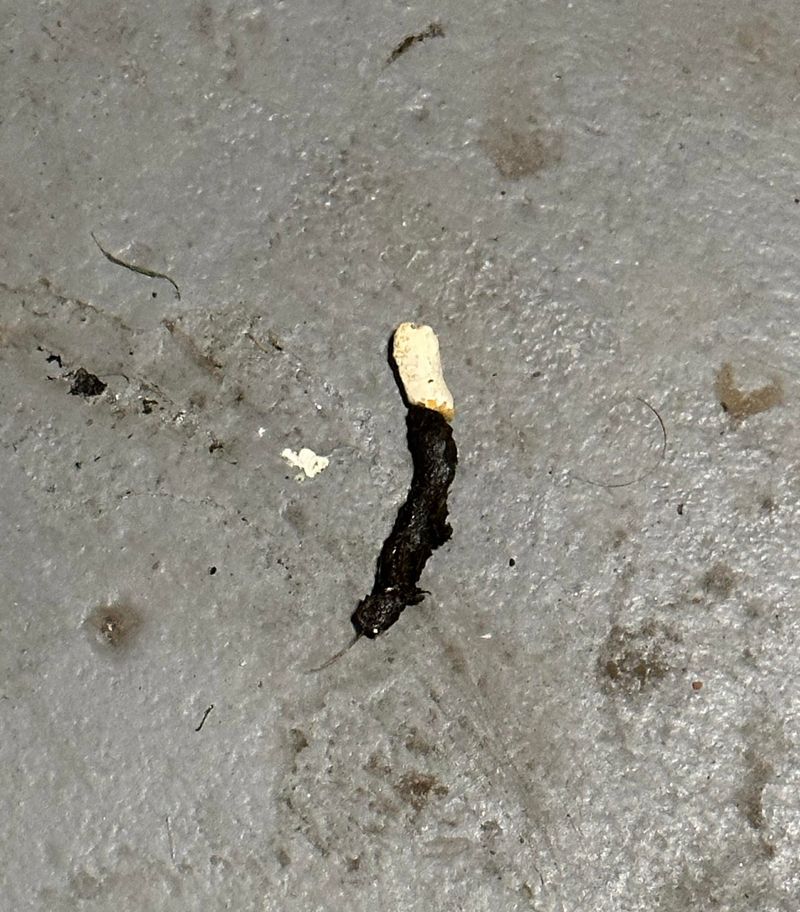
Nobody plans to become a poop detective, yet droppings are one of the most reliable signs out there. Snake scat usually looks dark and tubular, often with a chalky white cap on one end.
That white part is uric acid, which is how snakes get rid of waste without using much water.
You may also spot bits of fur, tiny bones, or insect parts mixed in. Those leftovers offer a peek at the menu.
Fur often suggests mice or voles, which are frequent visitors to Southern gardens in autumn as they hunt for seeds and shelter.
Check flat surfaces like stepping stones, the tops of landscape timbers, and spots near sheds. Snakes like to bask on warm surfaces during cool fall mornings, and they sometimes leave a little evidence behind.
Bird droppings can look similar, so here is a handy difference: bird waste is usually more splattered and runny. Snake scat holds its shape.
Always use gloves or a shovel when cleaning it up, since reptiles may carry salmonella. A quick rinse of the area with a hose afterward keeps things tidy and safe for kids and pets.
4. Fewer mice, voles, and chewed crops
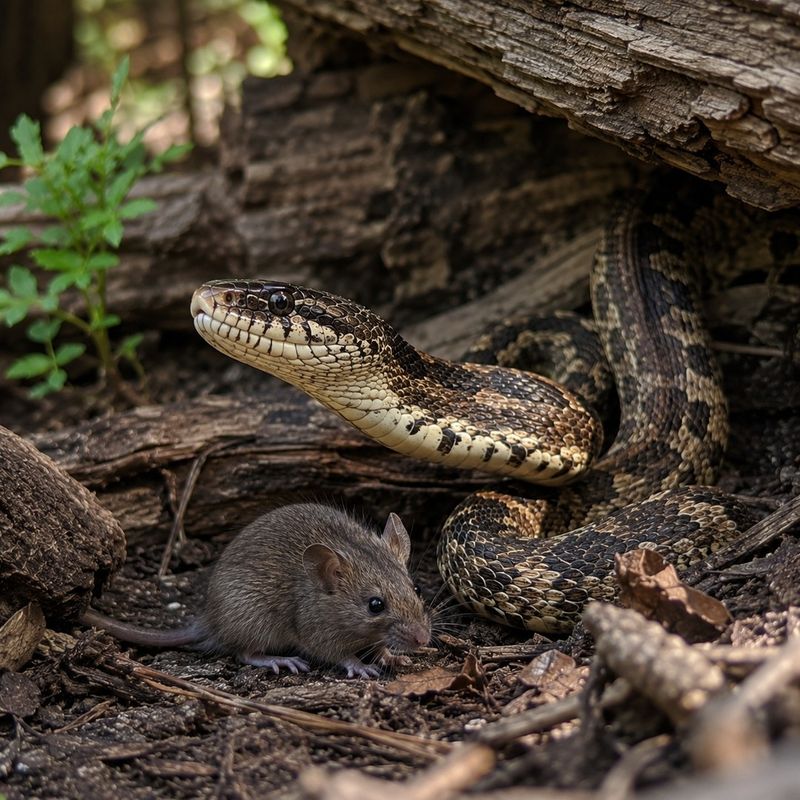
Sometimes the biggest clue is something that suddenly goes missing. If your fall lettuce, sweet potatoes, or stored squash stopped getting nibbled, a quiet predator may have stepped in.
Rat snakes, corn snakes, and kingsnakes are common across Texas and Florida, and rodents are a favorite meal.
Gardeners often notice vole tunnels going quiet or fewer mouse droppings in the shed. That change can happen within a few weeks of a snake settling nearby.
It is not proof by itself, since weather, cats, and owls can also reduce rodents, but it is worth paying attention to.
Here is where the friend-or-foe question gets interesting. Many Southern snakes are harmless to people and may help protect your edibles by keeping rodent numbers in check.
A single rat snake can eat a surprising number of mice over a season.
So before you panic, think about what kind of help you might be getting. Learning to recognize the venomous species in your area, like copperheads or coral snakes, lets you make calm, informed choices.
Harmless visitors can often be left alone to do their quiet pest patrol work.
5. Perfectly round holes near bed edges
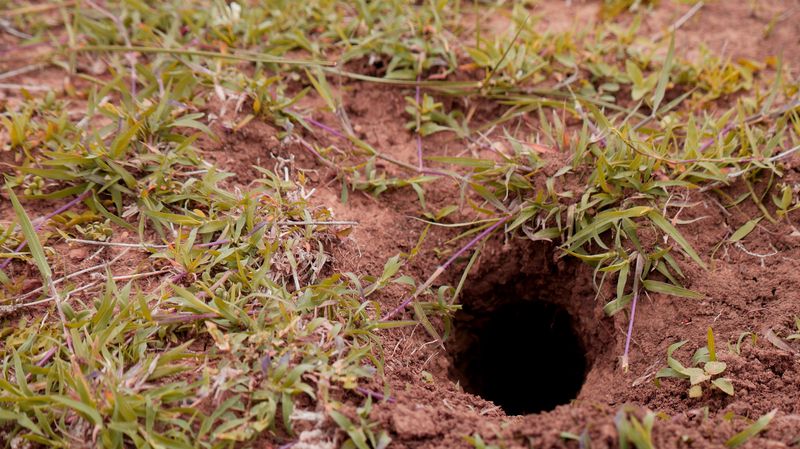
Here is a fun fact many people find surprising: snakes almost never dig their own burrows. They borrow.
A round, clean-edged hole about the width of a quarter to a golf ball, with no fresh dirt pile, may be an old rodent tunnel a snake has claimed.
Fall is when these holes start getting more traffic. As nights cool, snakes look for snug spots to rest, digest, and eventually wait out the chill.
In much of the South, winters are mild enough that snakes may pop out on warm days all season.
Watch for smooth, polished edges around the opening. Repeated slithering can wear soil and roots down until they look almost buffed.
Cobwebs across a hole suggest nobody has used it lately, while a clear entrance hints at recent activity.
Avoid sticking hands or tools into these holes. Instead, gently place a light layer of flour or fine sand near the opening and check the next morning for tracks.
If you would rather not host a guest, wait until you are confident it is empty, then fill it firmly with soil and gravel to discourage new tenants.
6. Flattened or disturbed leaf litter
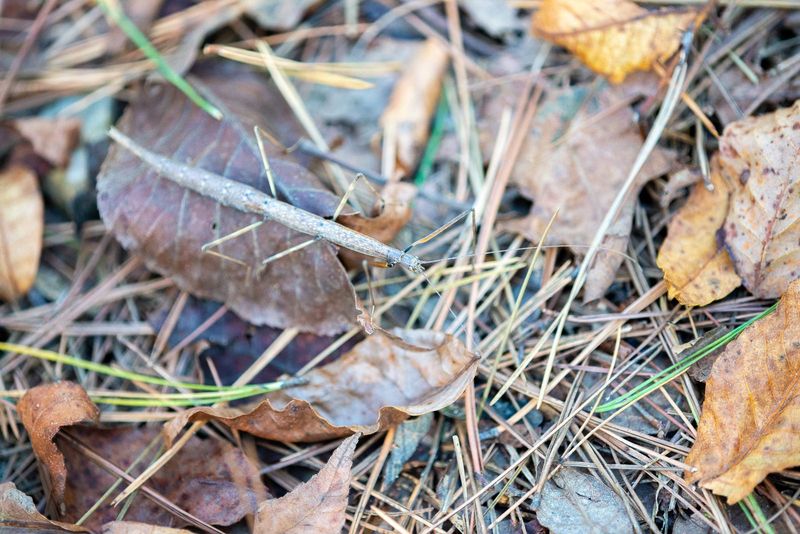
Ever raked a bed and found a neat, pressed-down circle in the leaves? That little nest-like dip might be a snake’s favorite napping spot.
Coiled snakes flatten leaf litter and pine straw into oval or round impressions, especially in sheltered corners.
Southern fall gardens are full of perfect hiding places. Thick mulch, piles of oak leaves, spent tomato vines, and stacks of pots all trap warmth and moisture.
Snakes love that mix because it keeps them comfortable while staying out of sight from hawks and curious dogs.
Look under shrubs along the foundation, beside compost bins, and at the back of perennial borders. A matted patch that stays put while the surrounding leaves blow around is a solid hint.
Sometimes you will notice a faint musky smell too, which some species release when disturbed.
If you want fewer surprises, thin mulch to about two or three inches and pull it back slightly from walkways. Clearing cluttered piles may help reduce shelter options without harming garden health.
Use a rake or long-handled tool, not your hands, whenever you clean these cozy corners, and step heavily so any resident has time to leave.
7. Unusual pet and bird behavior
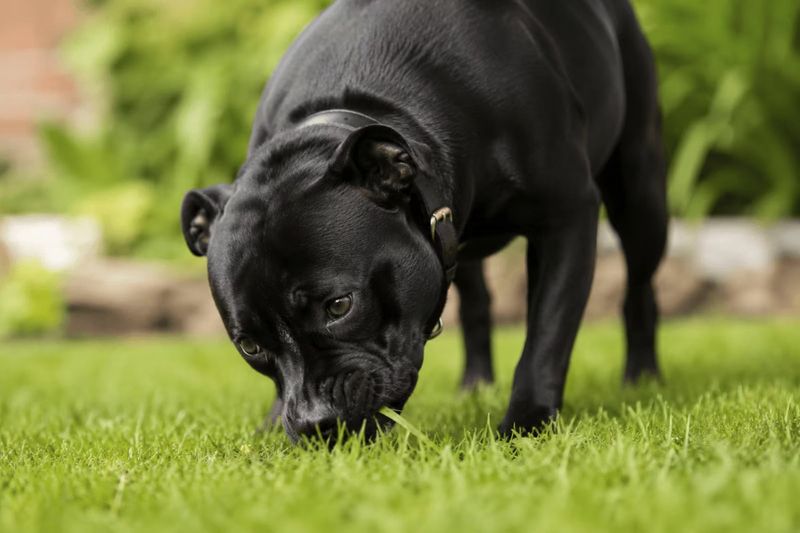
Your dog barking at the same shrub every evening may be telling you something important. Pets and birds often notice snakes long before people do.
A cat crouching beside a bed, a dog sniffing obsessively along a border, or chickens gathering and fussing can all be early warnings.
Birds are especially good alarm systems. Mockingbirds, blue jays, and Carolina wrens may scold loudly and dive toward one spot.
If that racket keeps returning to the same area of your garden, a snake could be resting below.
Take these signals seriously, particularly with curious dogs. Copperheads and rattlesnakes live in parts of Texas and Florida and are active in fall.
Keeping pets leashed near dense beds and calling them away from fixated spots may lower the risk of a painful bite.
Once you suspect a location, observe from a safe distance with binoculars or check back on a sunny afternoon. You might finally catch a glimpse and identify your visitor.
If it turns out to be venomous or sits too close to doors and play areas, contact a licensed wildlife removal service rather than handling it yourself. Calm awareness keeps everyone safer.