
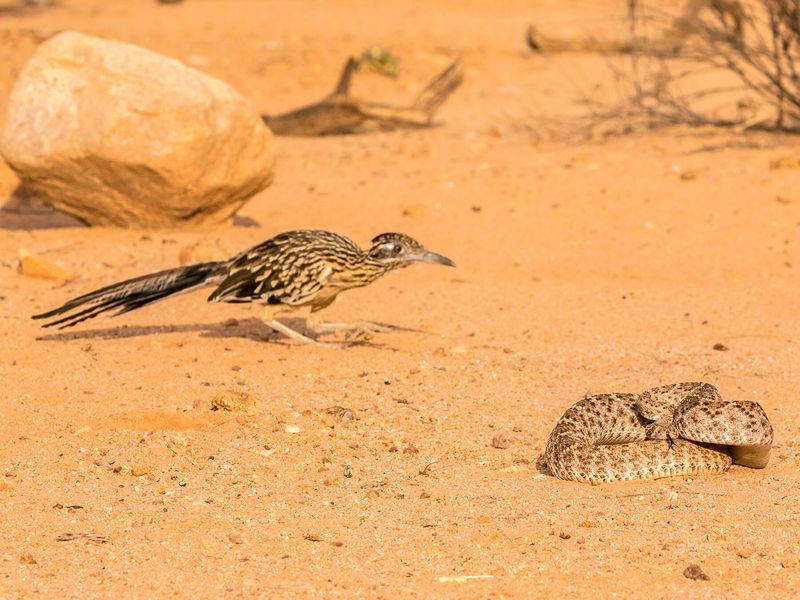
That long-tailed bird sprinting across your driveway is a Greater Roadrunner, and it is always on the lookout for a meal. Texans often hear that roadrunners gobble up grasshoppers, scorpions, and snakes.
Some of that is backed by research, and some of it is wishful thinking. Here is what the studies show, what they do not, and how to make your yard friendlier to wildlife while still protecting your home.
Grasshoppers stand out in the diet evidence
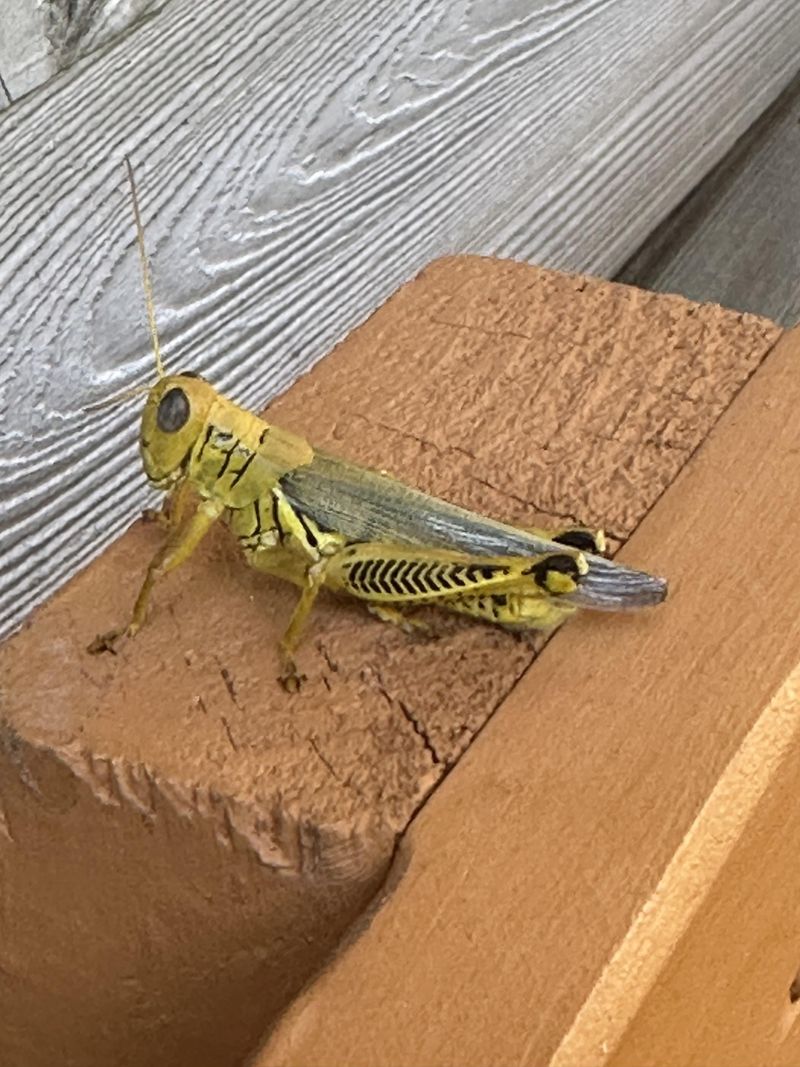
If you want one pest that clearly shows up on the roadrunner menu, pick grasshoppers. In a South Texas stomach-content study summarized by Texas Parks and Wildlife, grasshoppers turned up in more than 93% of the stomachs researchers examined.
That number describes those sampled birds in that part of the state. It is not a forecast for the roadrunner that visits your yard in Central Texas.
A later project points the same direction. In a 2022 Southwestern Naturalist study of mesquite-thornscrub birds, invertebrates made up 95.9% of 6,834 identified food items, chiefly grasshoppers and beetles.
Again, that figure belongs to the samples collected in that study.
So what do these results tell you? They show that grasshoppers are a documented food for Greater Roadrunners, and that insects can make up most of what a bird eats in some places and seasons.
They do not show that a roadrunner hunts in your yard every day, or that your grasshopper numbers will drop because one passes through.
Think of it like spotting a mockingbird eating a berry. It tells you the berry is on the menu, not that your shrub is being stripped.
If you see a roadrunner snapping up a grasshopper near your vegetable beds, enjoy the show. Keep your usual garden routines in place, since a single bird visiting now and then is a bonus and not a pest plan.
Scorpions appear in the diet, but their role is uncertain
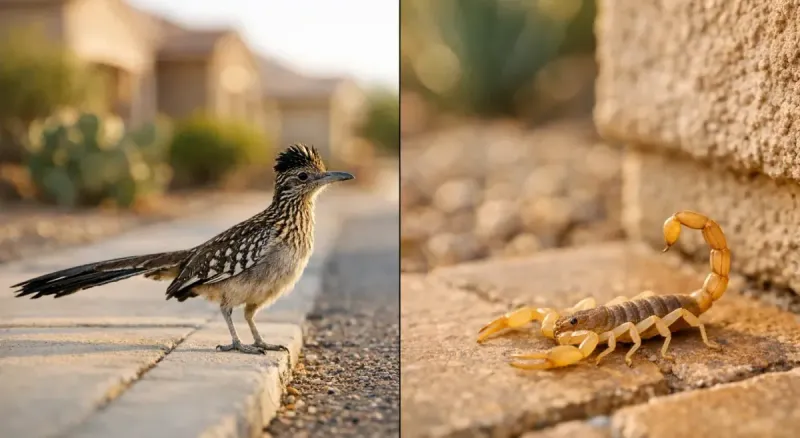
Scorpions are the part of this story that grabs Texas homeowners, so it helps to be precise. The South Texas stomach study recorded scorpion remains among the many prey items it found.
The same study singled out grasshoppers as especially common, which tells you scorpions were not the headline food.
Roadrunners do fall within the range of animals that scorpions are listed with. The Cornell Lab of Ornithology life history account includes scorpions among documented foods.
That confirms a roadrunner can and does eat them at least sometimes.
What nobody can tell you from those sources is how often it happens. There is no number for a Central Texas bird, and no basis for calling scorpions a major or regular part of the diet.
A species account listing a food is like a restaurant menu listing a dish. It says the dish exists, not how many people order it.
For your home, the practical meaning is simple. A roadrunner may snack on a scorpion if it finds one outdoors, but you cannot count on that to keep scorpions away from your walls, garage, or patio.
Treat any scorpion meal as a lucky bit of wildlife behavior and handle scorpion worries with steps aimed at the house itself, which a later section covers.
Roadrunners eat more than insects
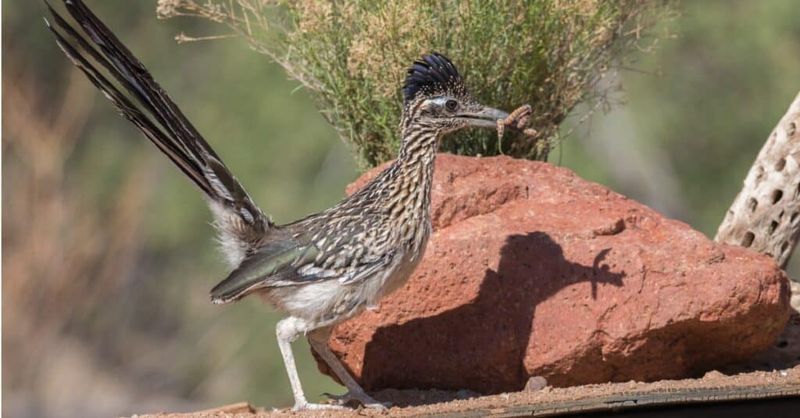
Picture a bird that will eat nearly anything it can catch, and you have the roadrunner. Biologists call it an opportunistic omnivore.
According to the Cornell Lab species account, its documented foods include insects, small mammals, reptiles, frogs, birds, eggs, and carrion, and in winter it also eats some plant material.
That wide menu matters for how you think about the bird. A roadrunner is not picking out only the animals you happen to dislike.
It takes what is available, and what is available changes with the season and the weather.
Some of that prey is wildlife people value. The South Texas study recorded reptiles, including Texas horned lizards, along with birds and mammals.
It also reported that the amount of vertebrate prey shifted with conditions. If you have nesting songbirds or lizards in your landscape, they can end up on the menu too.
None of this makes the roadrunner a bad neighbor. It is simply a wild predator doing what wild predators do.
Just skip the label of a selective pest hunter, because the diet research paints a picture of a flexible feeder instead. Watching one patrol your yard can be a treat, as long as you accept the whole bird, including the parts that do not fit a tidy pest-control story.
Diet evidence does not establish yard-level pest control
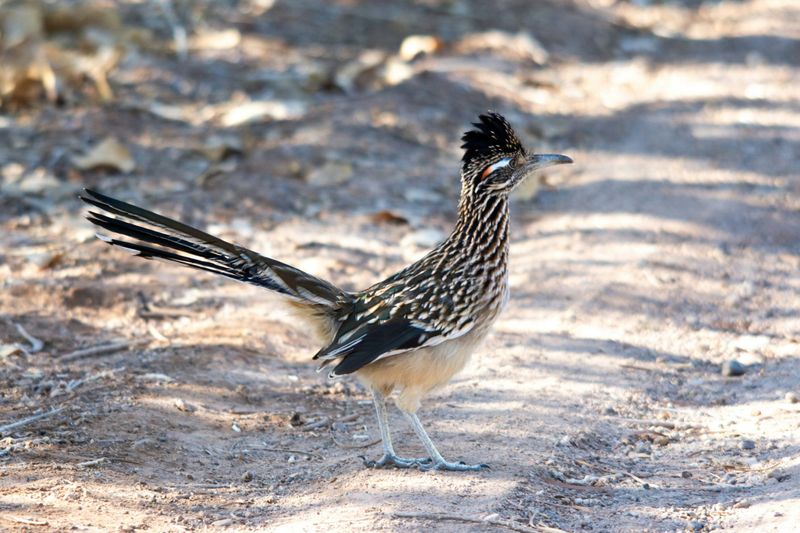
There is a big gap between a bird eating something and a bird controlling something. Diet studies tell us what roadrunners ate in particular places during particular sampling periods.
They do not measure what happens to pest numbers in a homeowner’s yard.
Take the number that gets repeated most. The authors of the 2022 South Texas study estimated that a roadrunner at their site eats at least 34,639 prey items per year.
That figure comes from a site-based calculation. It is not a general rate for every roadrunner, and it is not a count of pests removed from yards.
The same authors found that diet varied with prey availability and weather. In a dry year, a bird may lean on different foods than in a wet one.
That variation is one more reason a single big number cannot be turned into a promise.
The study also noted that snake eating was less common than popular belief suggests, so do not count on a roadrunner to protect people or pets from snakes either.
No cited research shows dependable control of scorpions, grasshoppers, rodents, or other household pests. Your best move is to appreciate a roadrunner as wildlife, keep your own pest plan in place, and judge results by what you see in your own yard.
Offer open ground and nearby cover
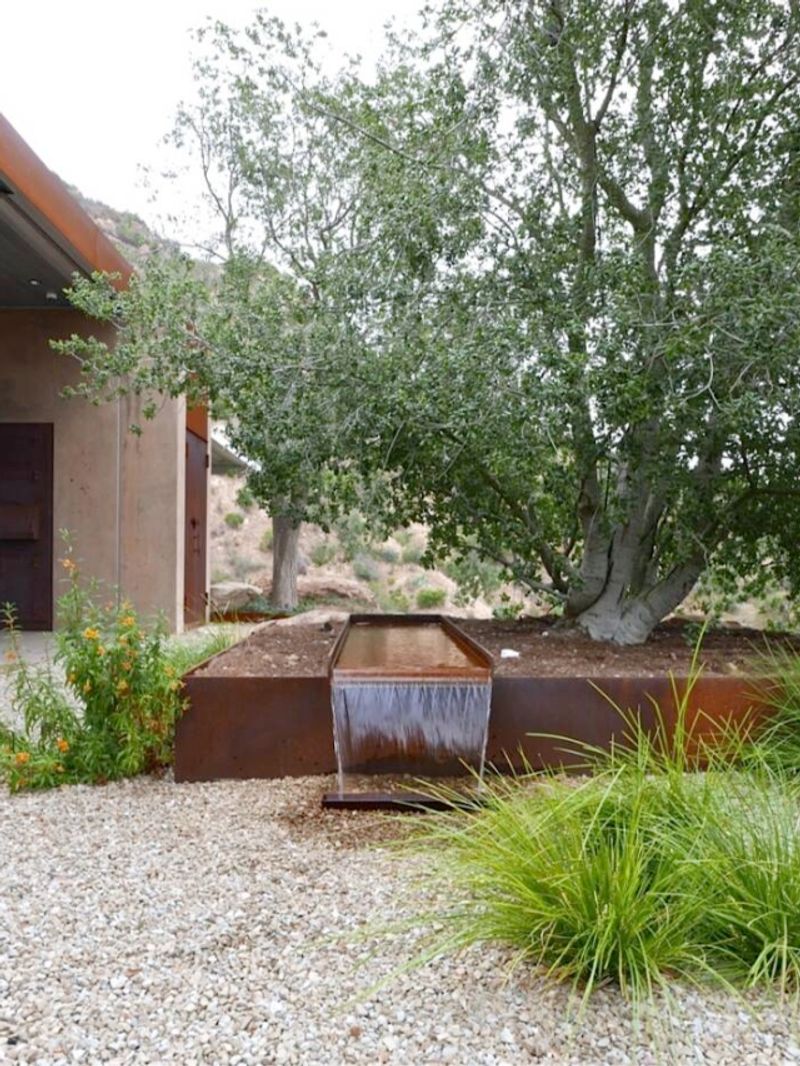
Roadrunners like a yard with a bit of room to run. The Texas Breeding Bird Atlas account describes a mix of open ground or low vegetation for foraging, plus sturdy shrubs or small trees for cover, roosting, and nesting.
It also reports roadrunners in some urban and suburban yards.
Here is how to turn that into something practical. Leave part of your lot as bare soil, thin native grasses, or low groundcover instead of wall-to-wall turf or dense beds.
Then add or keep sturdy shrubs or small trees nearby, such as native shrubs or a small oak, so a bird has somewhere to duck out of sight.
Be realistic about the payoff. This is habitat, not a guarantee.
The atlas describes suitable structure, and it does not promise visits, so no planting plan can promise that a roadrunner will show up or stay.
Water is a reasonable extra. During hot, dry Texas stretches, Texas Parks and Wildlife habitat guidance recommends shallow water features and regular cleaning to limit algae and mosquitoes.
Think of that as general bird-friendly advice. It has not been shown to be a roadrunner-specific lure, though it may help the other birds in your yard.
Keep scorpion management separate from bird habitat
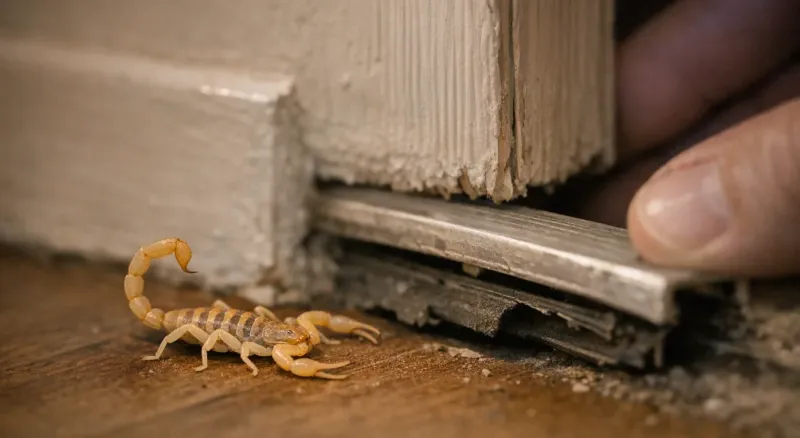
Hoping a roadrunner will handle your scorpions is a bad bet for your family. Plan on managing scorpions at the house itself, and treat any bird help as a rare bonus.
Habitat for wildlife and protection for your home are two different jobs.
For the home side, Texas A&M’s bark scorpion action plan recommends exclusion and cleanup. That includes sealing entry gaps and removing loose stones, debris, and construction materials near buildings.
These are recommended measures for reducing scorpion hiding spots and entry points. They do not come with a guarantee of protection.
Keep the two lists apart in your head and in your yard. The open ground, shrubs, and shallow water described earlier belong out in the landscape.
The cleanup belongs along your foundation and walls. Do not leave rock piles, debris, or stacked building materials beside the house hoping to lure birds, since that conflicts with Texas A&M guidance and can give scorpions places to hide.
Finally, watch roadrunners from a distance. Texas protects indigenous birds from being killed, taken from nests, picked up, or possessed, as laid out in the Texas Parks and Wildlife nongame species rules.
Do not handle, take, or keep one.
A roadrunner is best enjoyed as a sharp-eyed neighbor on the move, and your caulk gun is the real scorpion tool.