
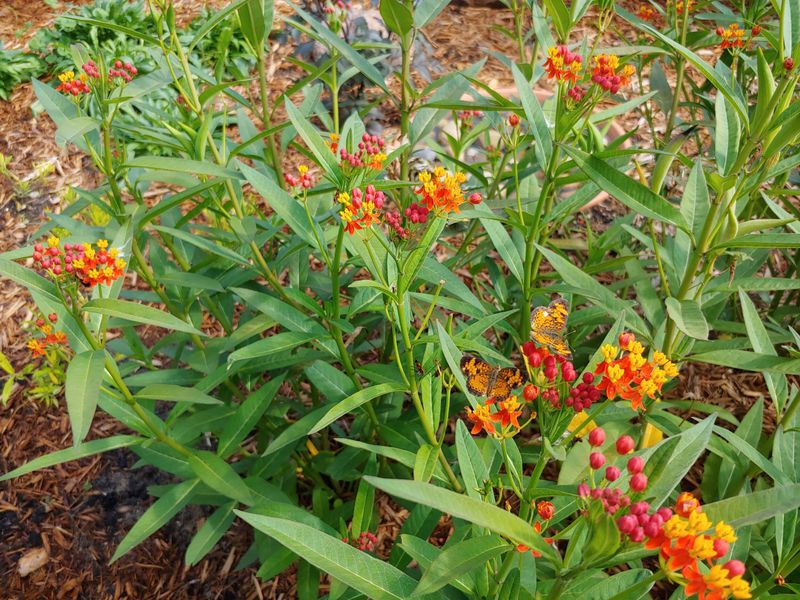
Two popular butterfly plants in Florida yards, tropical milkweed and common lantana, are now assessed by UF/IFAS as invasive. Each one gets its own assessment, and these are expert findings, not a new state law or ban.
The two plants need different fixes, and neither one means tearing out your whole butterfly garden. With Christmas a few weeks away, now is a good time to make a simple plan.
Check the label before deciding what to do
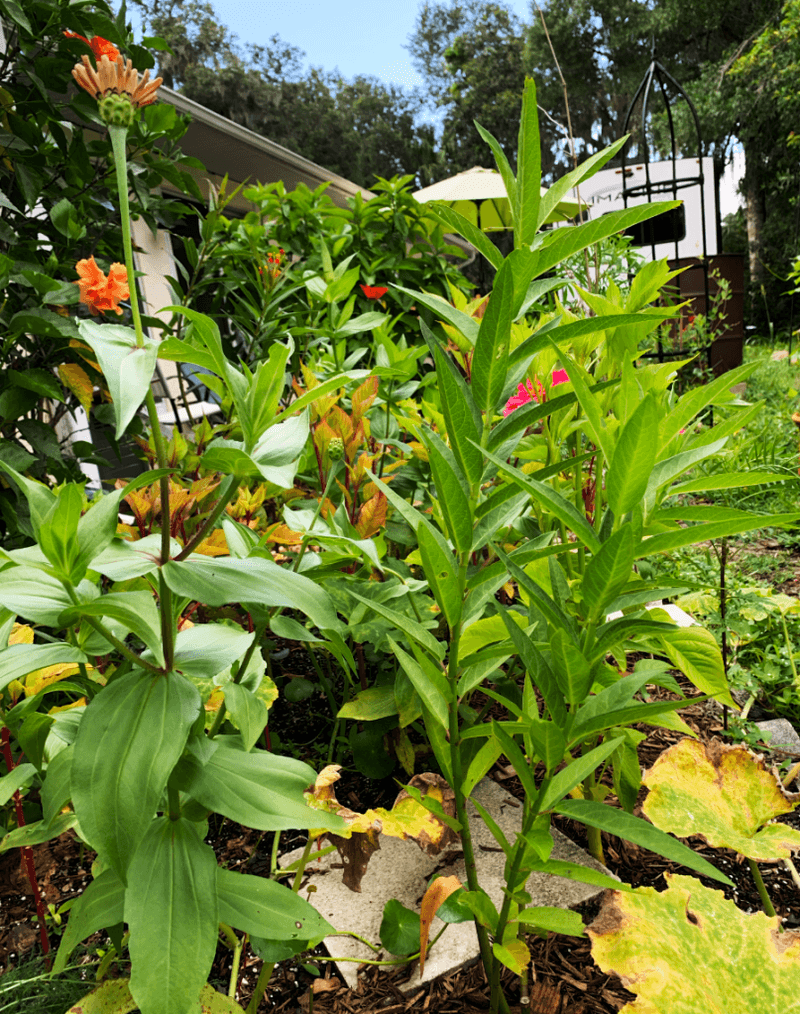
Start with the plant tag or the botanical name. Tropical milkweed, Asclepias curassavica, has long, narrow leaves and red flowers with yellow parts.
UF/IFAS Gardening Solutions warns that it is sometimes sold simply as milkweed or butterfly weed. Native butterflyweed, Asclepias tuberosa, looks different because its flowers are mostly orange-yellow.
UF/IFAS assesses each plant separately. The tropical milkweed assessment rates it invasive in all three Florida regions.
The common lantana assessment lists it as invasive statewide under the name Lantana strigocamara. These are assessment findings from university scientists.
They are not a new state law, a ban, or a regulatory designation.
Lantana labels can be confusing. Many sources call the common plant Lantana camara, which UF/IFAS treats as a misapplied synonym.
Florida also has native lantanas, and UF/IFAS lantana guidance recognizes some sterile cultivars as alternatives, so the word lantana alone does not tell you a plant is invasive. For background on how the assessments work, see this UF/IFAS explanation.
Once you know what you have, pick your path. Tropical milkweed calls for a seasonal cutback.
Common lantana calls for a longer removal plan.
Cut tropical milkweed back now and keep it down until spring
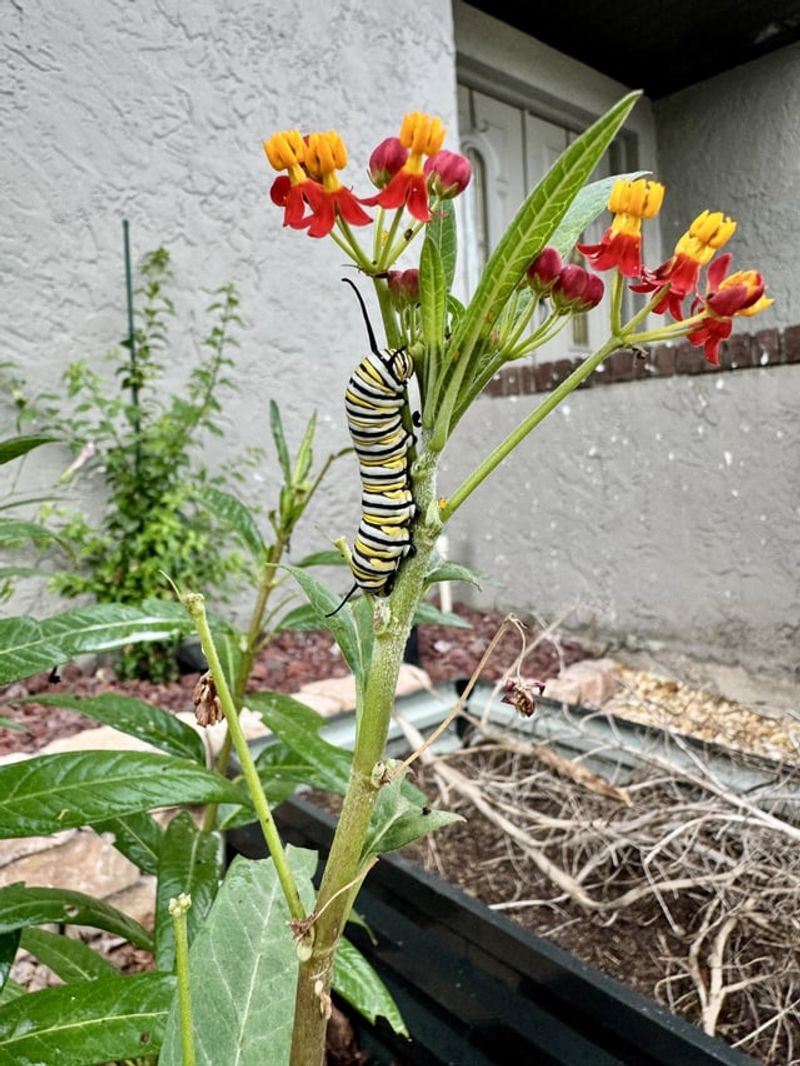
If tropical milkweed is growing in your yard, the job is simple and quick. UF/IFAS recommends cutting it back in late October.
The cutback mimics how native milkweeds die back in fall and removes plant tissue that may be contaminated.
Today is November 22, 2026, so late October has already passed. If you have not cut yours yet, do it now rather than leaving it green through winter.
Trim the stems down to a few inches above the ground and bag the clippings.
Then keep it cut back until spring. In much of Florida the plant will try to regrow during warm spells, so check it every few weeks and snip off new shoots.
The UF/IFAS assessment supports this same approach for existing plants.
This step is specific to tropical milkweed. Lantana does not respond the same way, and it gets its own plan in a later section.
If you would rather replace the milkweed entirely, you will find soil-matched options below.
Why tropical milkweed still raises monarch concerns
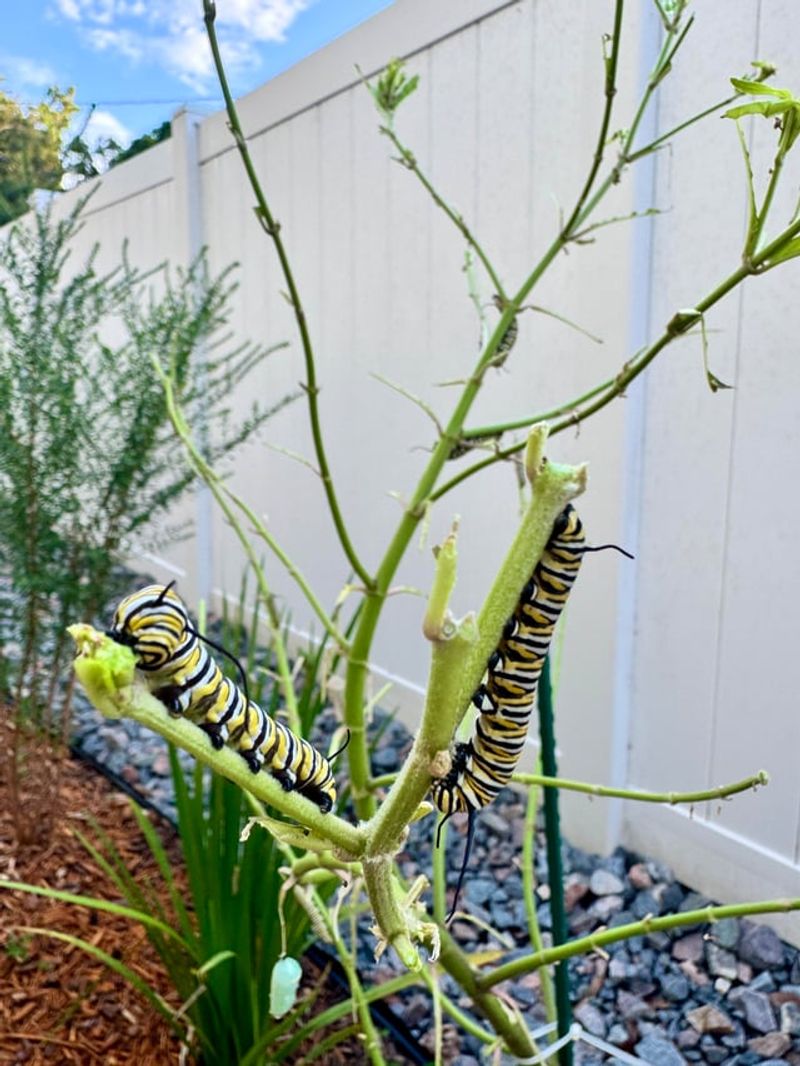
Monarch caterpillars do eat tropical milkweed, which is why so many gardeners planted it. Hosting caterpillars, though, does not settle whether it is the best choice for Florida.
UF/IFAS explains that its evergreen growth may encourage monarchs to breed year-round or disrupt their migration.
It may also allow more parasite transmission. Parasites can build up on leaves that stay green all winter, which is part of why the cutback matters.
UF/IFAS Gardening Solutions raises the same concerns.
These are concerns that researchers have raised. They are not proof that the plant stops migration, drives monarch declines, or harms every monarch.
Scientists also disagree about its overall conservation value, so you will see experts on different sides.
For a home gardener, the practical meaning is clear. A plant that is cut back for winter acts more like a native milkweed, and a native milkweed that fits your yard avoids the question altogether.
Cutting common lantana may not remove it
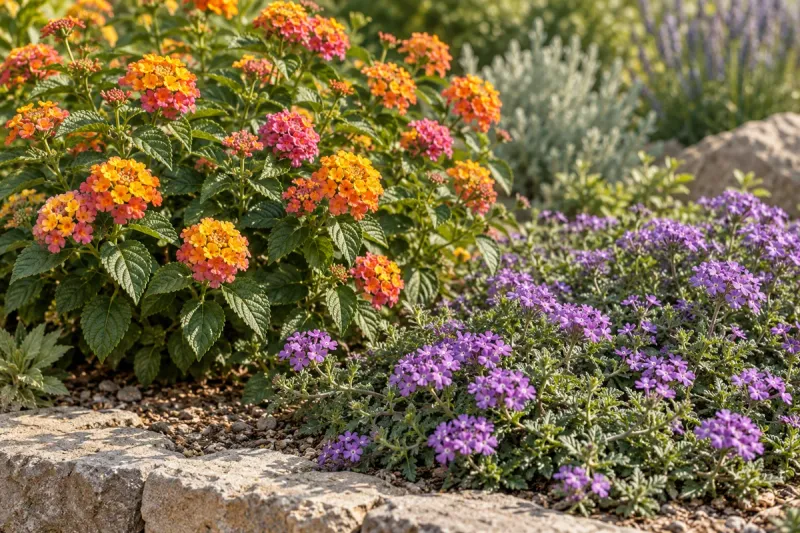
Common lantana is a tougher project than milkweed. Small seedlings pull out by hand, especially after rain when the soil is soft.
Established shrubs are hard to dig out because the root system is large.
Cutting or mowing alone is not a reliable fix. According to the UF/IFAS homeowner guide to lantana, plants can regrow, and follow-up control is necessary.
Even cutting it more than once does not guarantee it will be gone.
Plan on a few rounds of work. Cut the shrub back, watch for new growth, and deal with each flush of regrowth and each new seedling as it shows up.
Bag cuttings instead of piling them in the yard.
If you are thinking about an herbicide, read and follow the product label closely. UF/IFAS does not give a one-size-fits-all chemical recipe, so call your county Extension office for advice that fits your site.
The UF/IFAS invasive plant removal guidance is a useful starting point.
Keep children and pets from eating any part of the plant.
Choose replacements that fit your yard
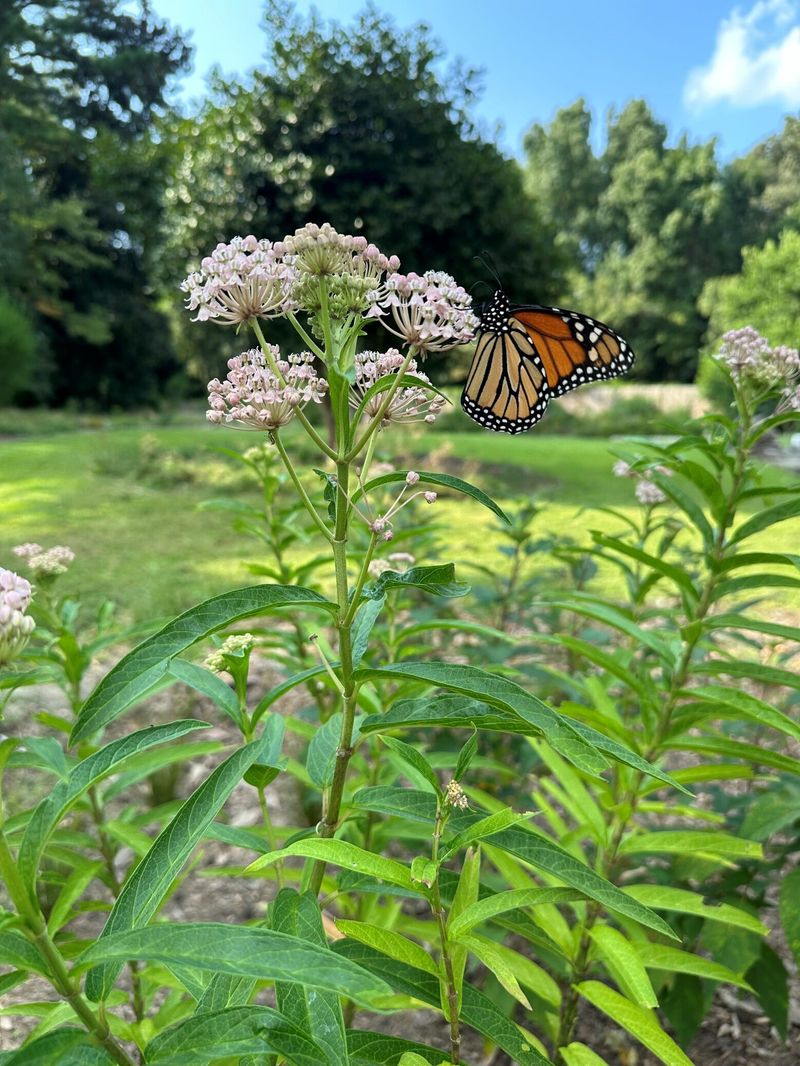
Replacing a plant works best when the new one suits your soil. For lantana, Florida has natives to consider, including Lantana depressa and Lantana involucrata.
UF/IFAS lantana guidance lists them.
Native lantanas are a different choice from sterile lantana cultivars. UF/IFAS identifies specific named sterile cultivars as alternatives to the invasive varieties, and its assessment process is how those cultivars were evaluated.
Check the exact cultivar name on the tag instead of trusting a general lantana label.
For milkweed, match the species to your moisture. UF/IFAS advice pairs butterfly milkweed with dry, sandy soil, swamp milkweed with moist-to-wet soil, and aquatic milkweed with wetter conditions.
You can read more about each species in the UF/IFAS native milkweeds guide.
A sandy, fast-draining front bed suits butterfly milkweed. A low spot that stays soggy after summer storms suits swamp milkweed.
None of this means clearing out every plant that attracts butterflies. You are replacing only the particular plants discussed here, and the rest of your pollinator garden can stay.
Make a targeted change before Christmas
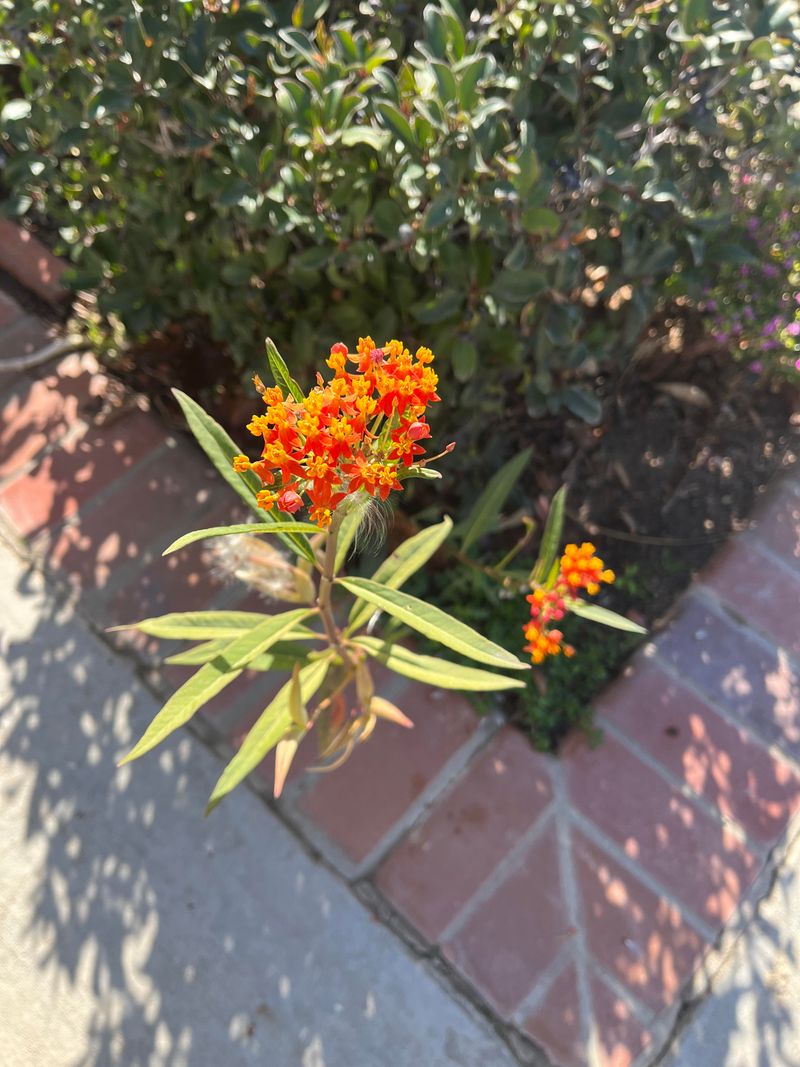
Identify the plant first. If it is tropical milkweed, cut it back now and keep it down until spring.
If it is common lantana, treat removal as a follow-up task, not a one-time trim.
These steps cover two particular plants, not every butterfly magnet in your yard. Native milkweeds and lantanas are waiting to fill the gap.
A short afternoon with pruners now makes spring planting easier.