
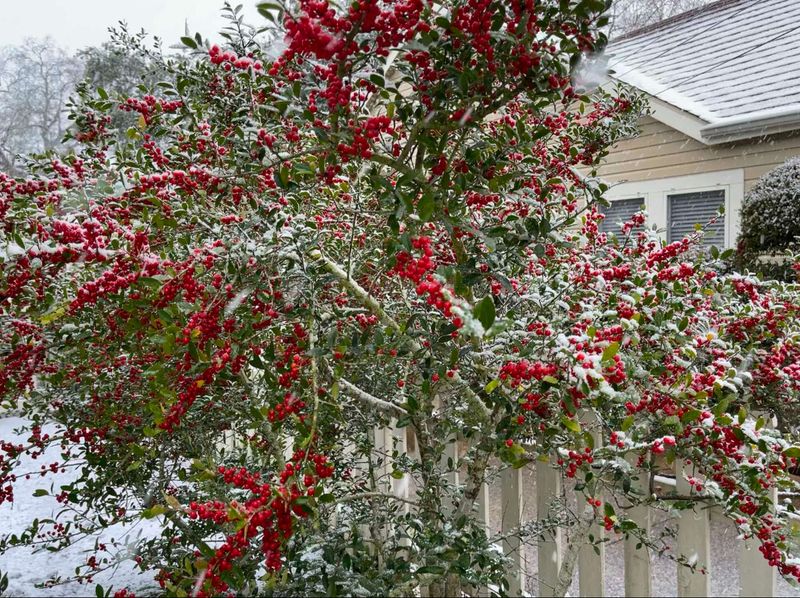
Yaupon holly is the native Florida shrub to plant if you want a berry-covered bush that offers birds natural winter food and cover. Instead of reaching for a feeder first, you can let your yard do some of the work.
A fruiting female yaupon gives birds red berries and thick evergreen leaves to hide in. Here is how to choose the right plant, check whether it fits your part of Florida, and set it up for success.
Yaupon can add winter berries and evergreen cover
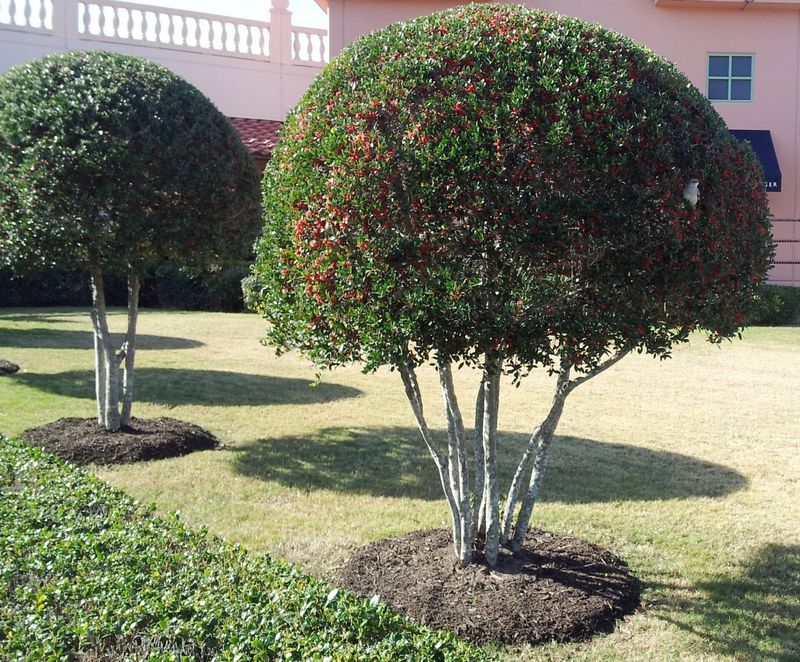
Picture a shrub that stays green all year and then, in cooler months, lights up with clusters of small red berries. That is a female yaupon holly (Ilex vomitoria), a native plant in much of Florida.
According to UF/IFAS Gardening Solutions, the berries on female plants are eaten by birds and other wildlife through the winter.
The leaves are small, dense, and evergreen, so the plant also gives birds a place to perch, shelter from wind, and duck out of sight. Food and cover are two things any bird-friendly yard needs, and a single shrub can offer both in one spot.
It helps to be clear about what that means. A yaupon is a resource your garden can provide.
It is not a guarantee that a certain bird will show up in your yard, or that berries will hang on the branches for a set number of weeks. Fruit depends on the plant being female, being pollinated, and growing well, and birds make their own choices about where to eat.
Think of yaupon as one piece of a larger plan. Pair it with other native plants, a little water, and some leaf litter, and you build a yard with more natural options for wildlife.
The next sections cover what we know about cardinals, how to pick a plant that actually fruits, and how to care for it after it goes in the ground.
Will cardinals use a fruiting yaupon?
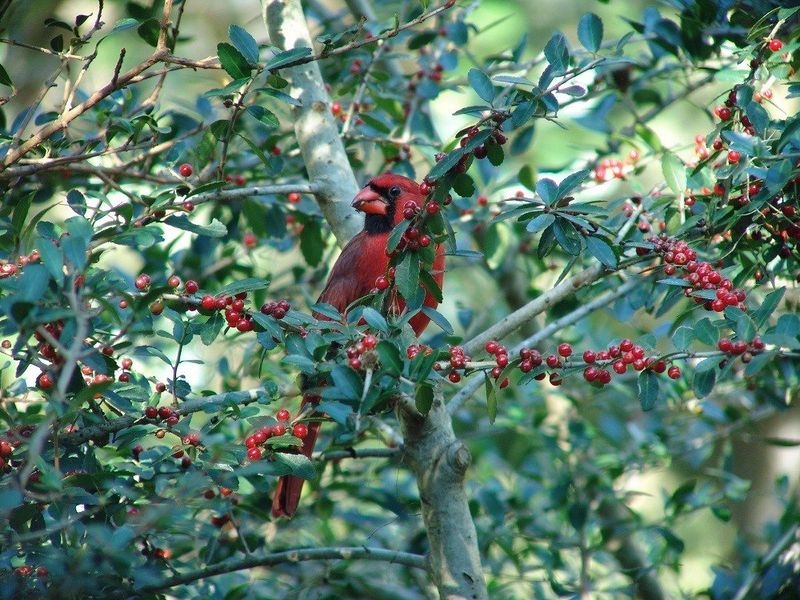
Northern Cardinals are year-round residents in Florida, so the bright red males and tan-and-red females are around when winter berries ripen. UF/IFAS describes them as familiar neighborhood birds, and the Cornell Lab of Ornithology notes that their diet includes both fruit and seeds.
That makes a fruiting shrub a reasonable resource for them to use. Here is the honest gap: the sources reviewed do not specifically say that cardinals eat yaupon berries.
What they do say is that birds in general eat yaupon fruit, and that cardinals eat fruit. Putting those together is a sensible guess, but it is not a confirmed pairing.
So a berry-laden yaupon is a possible food source for cardinals, not a proven way to draw them to your particular yard. Sightings depend on your neighborhood, nearby cover, other food, and the birds themselves.
The same goes for the feeder question. Nothing reviewed shows that a yaupon beats a well-kept feeder or makes one unnecessary.
A native shrub supplies natural food and shelter, and a feeder supplies seed on a steady basis. Many gardeners enjoy using both, and you can watch what your own birds prefer.
As UF/IFAS guidance on yaupon suggests, the plant’s strength is its fruit and habitat value.
Berry production starts with the right plant
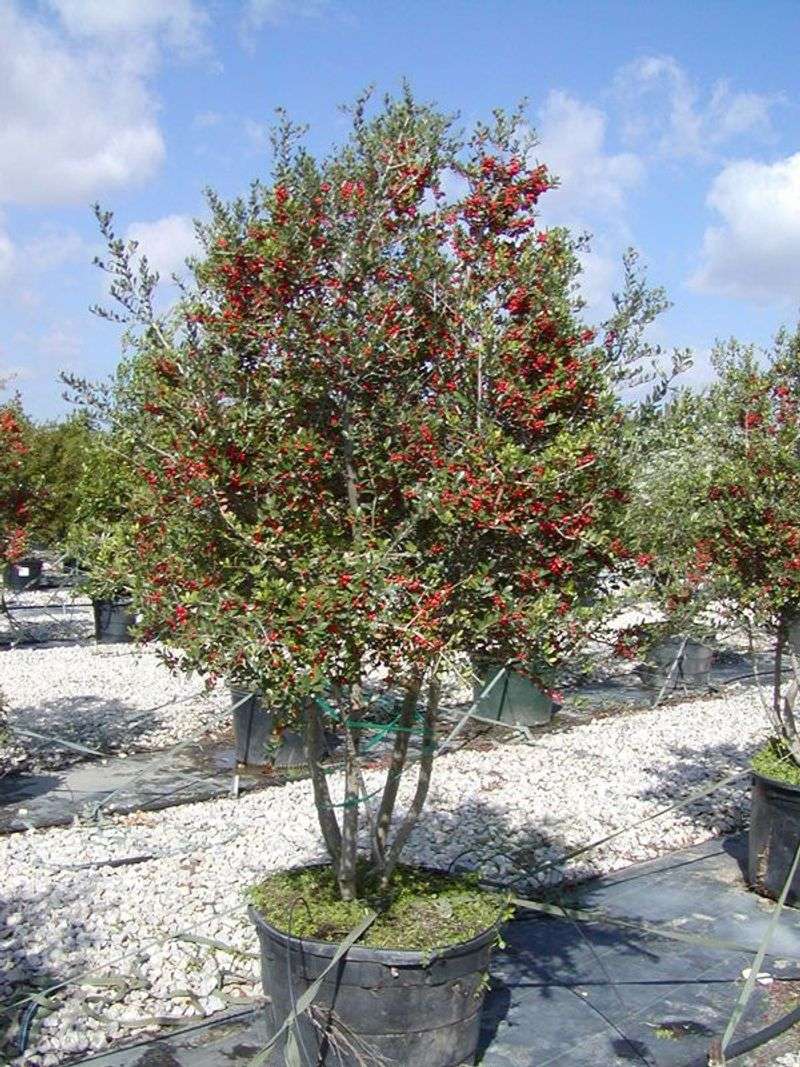
Not every yaupon will ever produce a single berry. According to UF/IFAS Gardening Solutions, only female plants bear fruit, and they need pollen from a male plant to do it.
A lone female with no male nearby may stay bare.
Watch out for dwarf types. As UF/IFAS points out, the popular cultivars ‘Nana’ and ‘Schillings’ are male and berryless.
They make tidy, compact shrubs, but they will not feed birds with fruit.
If berries are your goal, the best move is to shop in person and pick a female that is already carrying berries. That gives you the strongest chance of near-term fruit and lets you see exactly what you are buying.
Ask the nursery staff whether a male plant is growing nearby, or plan to add one yourself.
Keep expectations realistic. A plant bought and planted this month may not fruit this winter, and even a loaded plant has no promised length of time that berries will stay visible.
Weather, bird feeding, and plant health all play a part. Choose the plant carefully now, and think of any berries this season as a bonus rather than a sure thing.
Check your region and site before choosing yaupon
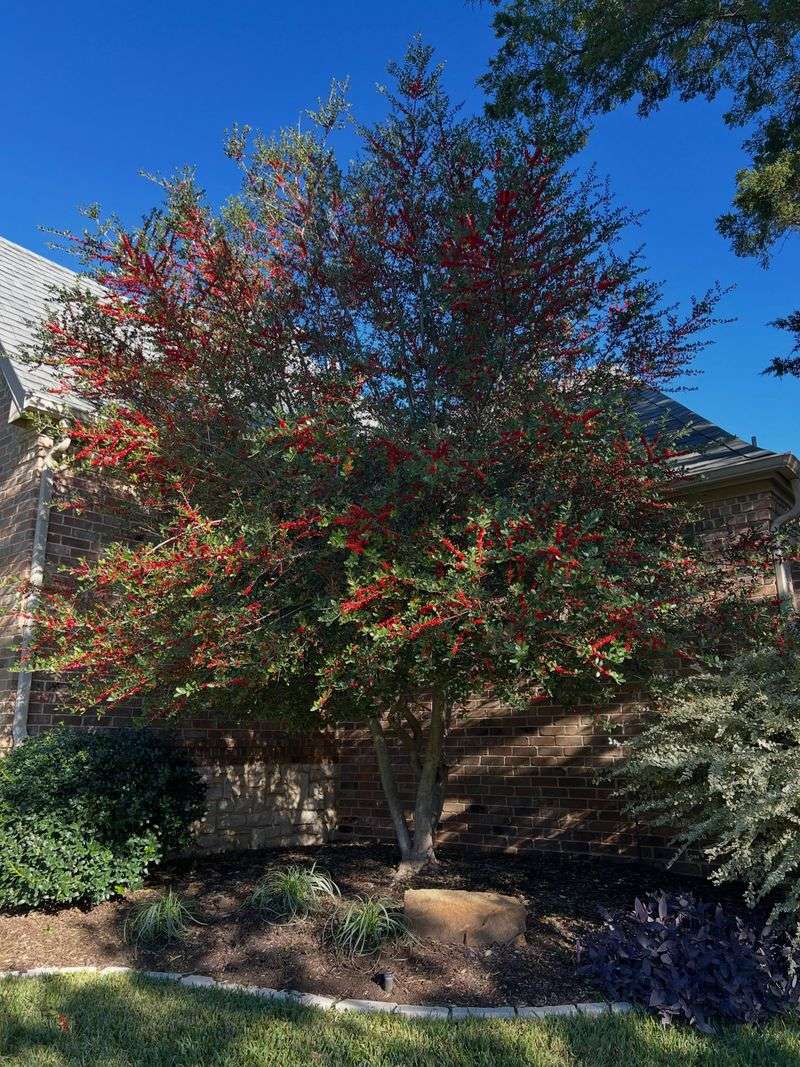
Yaupon is native in much of Florida, but not in every corner. UF/IFAS describes its Florida range as extending south to Lake Okeechobee.
If you live in North or Central Florida, you are well within that zone. If you live farther south, check your local native range and your site conditions before buying.
Site matters too. Look at sun, soil, and drainage in the spot you have in mind, and ask a local extension office or native plant nursery whether yaupon suits your yard.
South Florida readers may hear about dahoon holly (Ilex cassine) as a native option. UF/IFAS lists hollies that grow across the state, and its dahoon holly profile places it in North, Central, and South Florida.
Treat it as a different plant, not a stand-in. Dahoon is usually a small tree rather than a compact shrub, it favors wet sites, and it needs both male and female plants to produce berries.
That is a very different planting plan from a hedge-sized yaupon, so give it room and a spot that stays moist.
Planting begins an establishment period
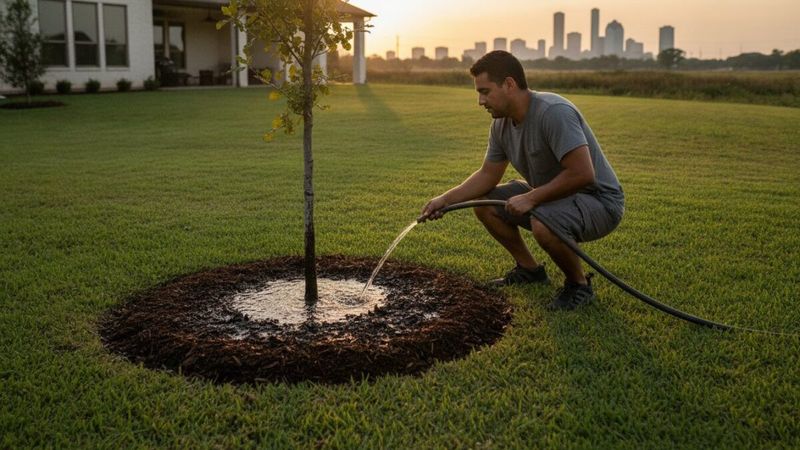
Good news for impatient gardeners: Florida shrubs can go in the ground in any season. The catch is that a new shrub needs time to settle in.
UF/IFAS gives a rough establishment period of 20 to 28 weeks, which means planting this month is the start of a process, not an instant pantry for birds.
During that time, water is the main job. For a three-gallon shrub, UF/IFAS planting guidance suggests one gallon every eight days north of Orlando and every four days south of Orlando.
Treat those numbers as a starting point. Skip a session after a good soaking rain, and follow any local watering restrictions in your county or city.
Sandy soil, full sun, and hot spells can change how fast the root zone dries out, so check the soil with your finger before you water.
Following the schedule helps the plant root in, but it does not guarantee berries or bird visits. Those depend on the plant’s sex, pollination, and the birds’ own choices.
Mulch around the base, keep it off the trunk, and be patient.
Keep holly berries away from children and pets
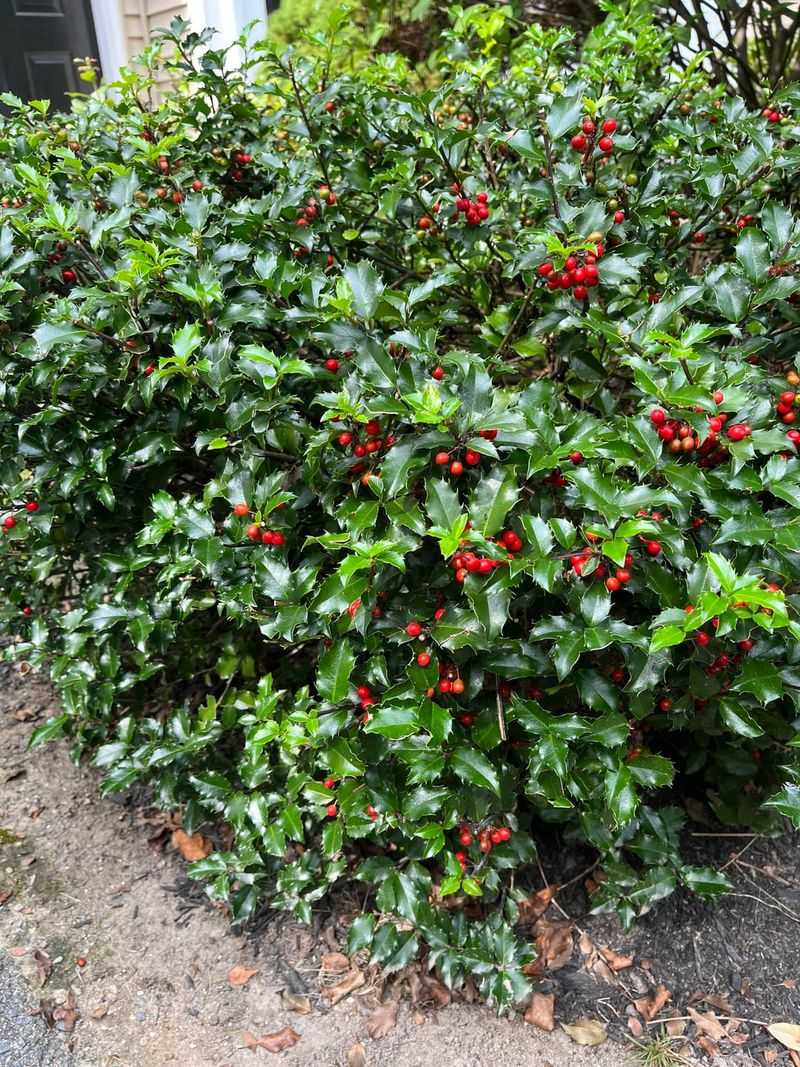
Red berries look cheerful, but they are not snacks. National Capital Poison Center warns that eating holly berries can cause symptoms such as nausea, vomiting, and diarrhea.
That warning applies to holly berries in general. It does not mean every holly species is equally toxic, and this article is not claiming that.
The safe approach is simply to treat berries from any holly as something people and pets should not eat.
If you have small children or a curious dog, think about where you plant. A spot away from play areas, or a fence line, can keep berries out of easy reach.
Rake up fallen berries from walkways and lawn areas.
If someone swallows berries, call a poison center right away. For a pet, contact your veterinarian or a pet poison hotline.
Have the plant name and, if you can, a sample or photo ready.
Choose yaupon for what it can provide
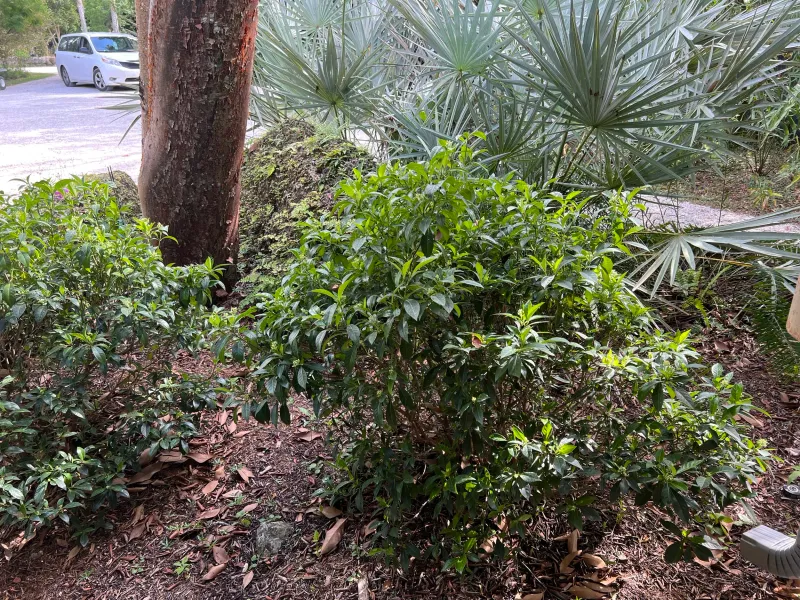
Start with your location, then pick a berried female with a male nearby, and give her months to settle in. Done that way, yaupon holly can supply natural winter food and evergreen cover.
It is not a promise of cardinal visits, and it has not been shown to replace a feeder.
Since cardinals eat fruit and seeds, a good berry shrub gives them one more reason to stop by. Whether they do is theirs to decide.