
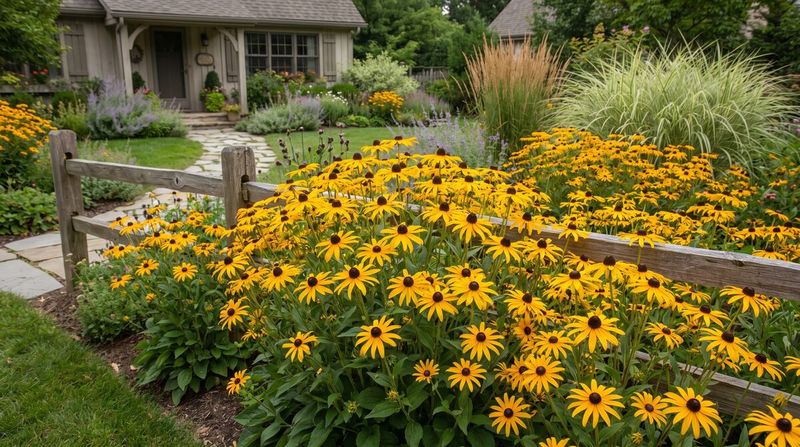
If you garden in North Carolina, you know the red clay that cracks in August and turns to glue after a storm. You can fight it with bags of amendments every spring, or you can let deep-rooted native plants do the slow work for you.
Their roots punch channels into hard ground, feed soil life, and leave behind organic matter as they grow and die back. Late September is a great time to plant many of them, so your soil can start improving before winter even arrives.
1. Switchgrass (Panicum virgatum)
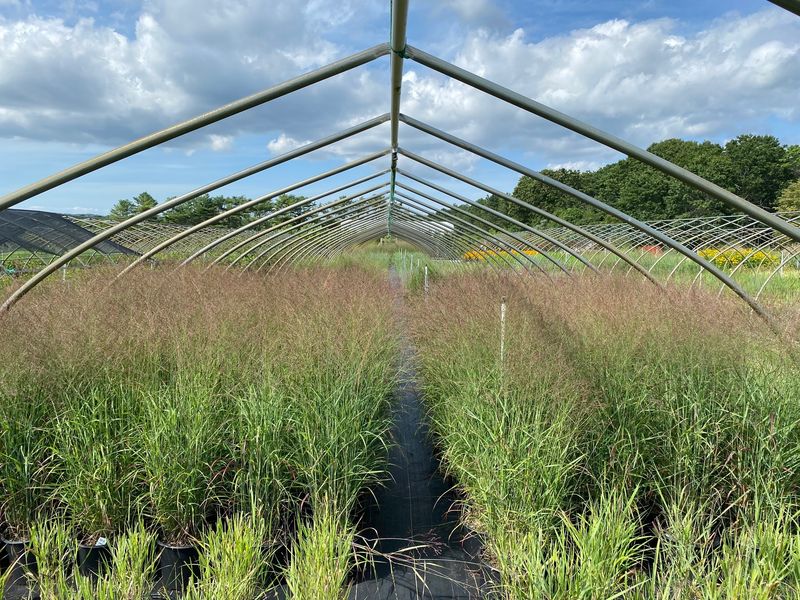
Some switchgrass roots have been measured at around ten feet deep. That is a lot of underground muscle for a grass that looks so airy on top.
Each year, a portion of those roots dies off and decays right where it grew. Over time, that can leave behind channels and organic matter in the subsoil, which may help water soak in instead of running across your yard.
Switchgrass grows wild across all three regions of NC, from mountain meadows to coastal plain ditches. Cultivars like ‘Shenandoah’ or ‘Northwind’ stay tidier for front borders.
Plant it in full sun along a slope or a soggy low spot, and leave the stems standing through winter for birds and overwintering insects.
2. Little Bluestem (Schizachyrium scoparium)
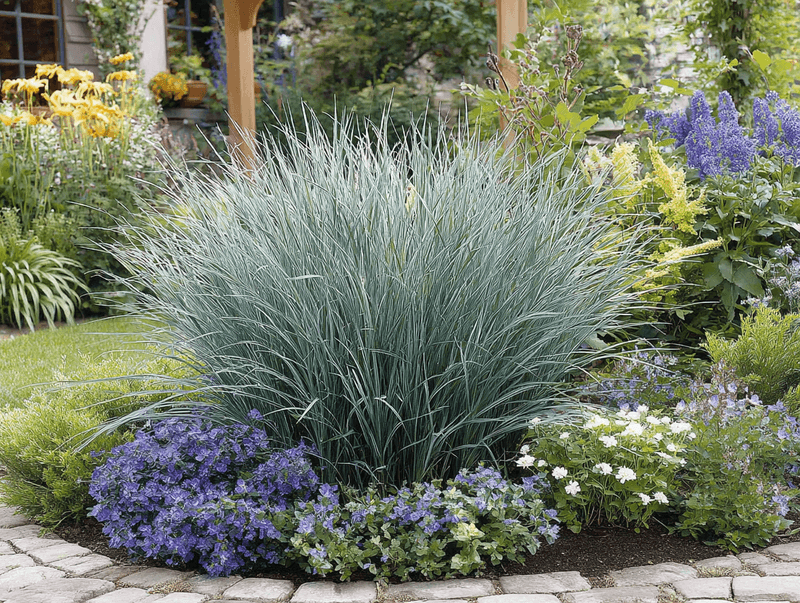
Picture a front walk lined with blue-green grass in summer that turns copper-orange by November. Little bluestem pulls off that show while working hard below the surface.
It forms dense, fibrous roots that hold clay together and resist erosion on banks. Those fine roots also feed fungi and microbes, which can help clay crumble into a looser texture over several seasons.
Best of all, it asks for almost nothing. Skip the fertilizer, since rich soil makes it flop.
Full sun and decent drainage keep it upright, so a sunny slope in the Piedmont is an ideal spot.
3. Wild Blue Indigo (Baptisia australis)
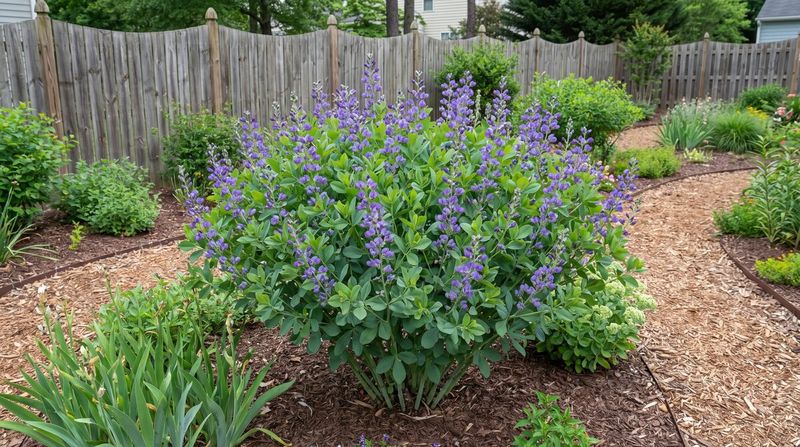
Ever wish a plant could fertilize itself? Baptisia comes close.
As a member of the pea family, it partners with soil bacteria that can pull nitrogen from the air and store it in root nodules.
That relationship may slowly enrich nearby soil, especially as small roots shed and break down. Meanwhile, its thick taproot drives straight down through compacted clay like a stake.
Give it room, because mature plants get shrub-sized and hate being moved. Fall planting works well in NC so roots settle in during cool weather.
In spring, bumblebees swarm the blue flower spikes.
4. Purple Coneflower (Echinacea purpurea)
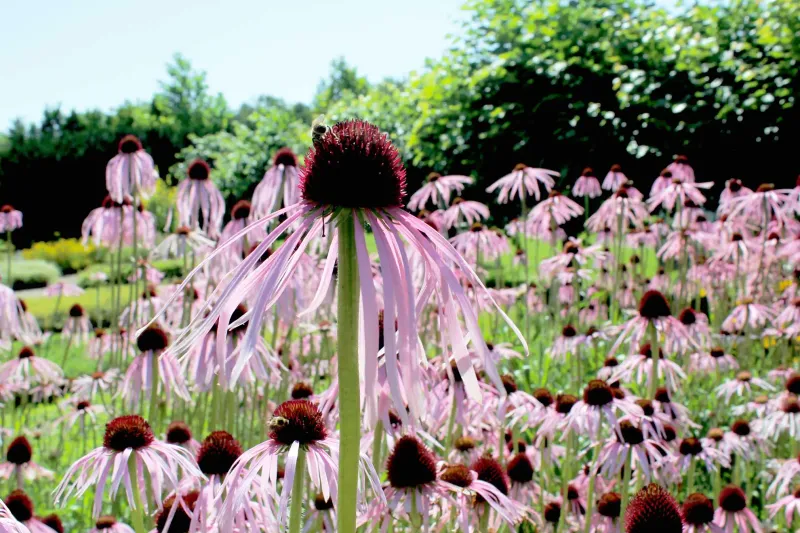
Goldfinches know a good thing. Leave coneflower seed heads standing in fall, and you will probably see them hanging upside down to feast.
Underground, coneflower grows a sturdy, carrot-like root that handles heavy clay better than many garden perennials. It also reseeds gently, so each new plant adds another root pushing into tight ground.
Plant in full sun or light shade anywhere in the state. Cut back nothing until late winter.
The leaves and stems that fall become free mulch, adding organic matter right where your beds need it.
5. Black-Eyed Susan (Rudbeckia fulgida and hirta)
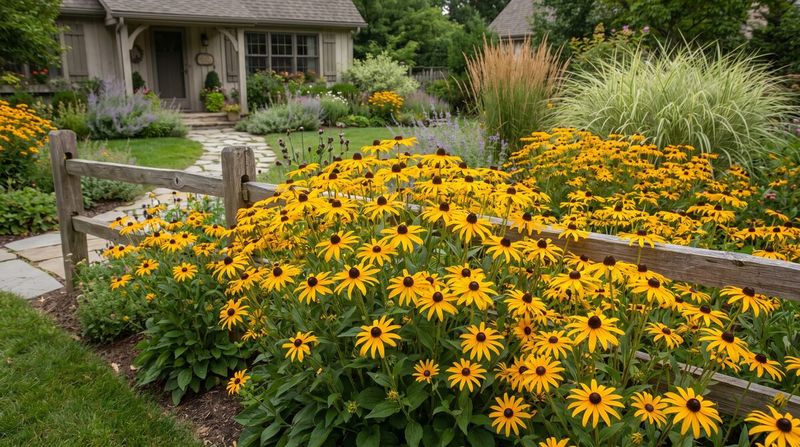
Here is the cheerful workhorse of the list. Black-eyed Susans bloom when much of the garden quits, and they spread to fill bare patches of clay that would otherwise crust over in the sun.
Bare clay is the enemy. Rain pounds it into a hard shell, and nothing soaks in.
A living carpet of Rudbeckia shades the surface, slows raindrops, and adds roots that keep soil life active. Use it along driveway edges or a tough mailbox bed.
Orange coneflower (Rudbeckia fulgida) spreads politely by runners, while the hirta type reseeds itself freely.
6. Joe-Pye Weed (Eutrochium fistulosum)
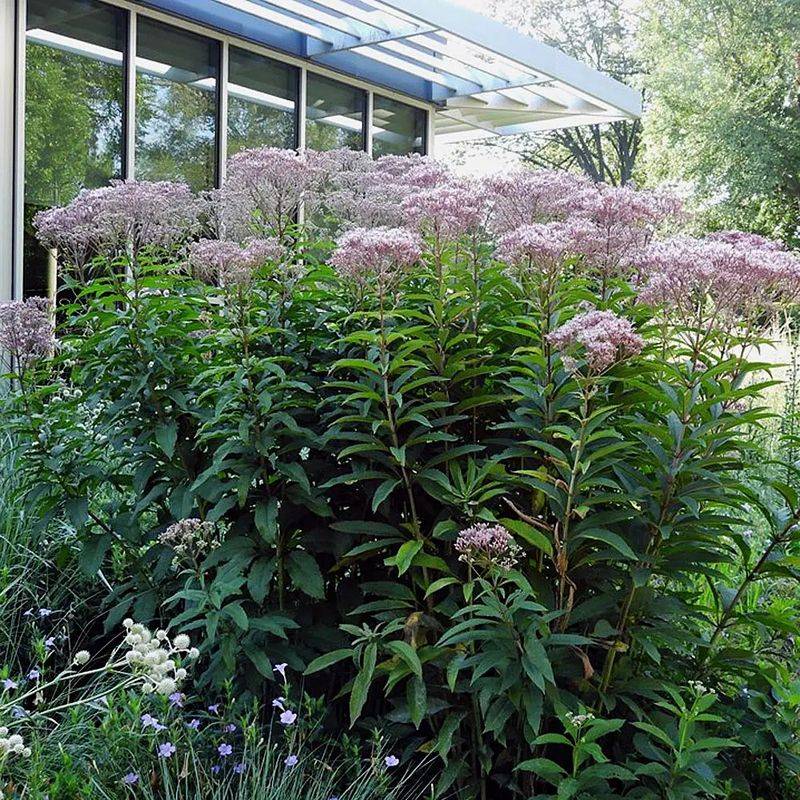
Got a corner that stays soggy after every thunderstorm? Joe-Pye weed thrives in exactly the wet, heavy clay that drowns most plants.
Its tall stems can reach seven feet, and the root mass is just as ambitious. Big roots in wet clay can help break up airless pockets, and the plant drinks heavily, which may help a low spot dry out a little faster.
The pink flower domes attract swallowtails and monarchs by the dozen. Plant it at the back of a rain garden or along a downspout path.
It shines in the Piedmont and mountains, and does fine on the coastal plain with steady moisture.
7. Swamp Milkweed (Asclepias incarnata)
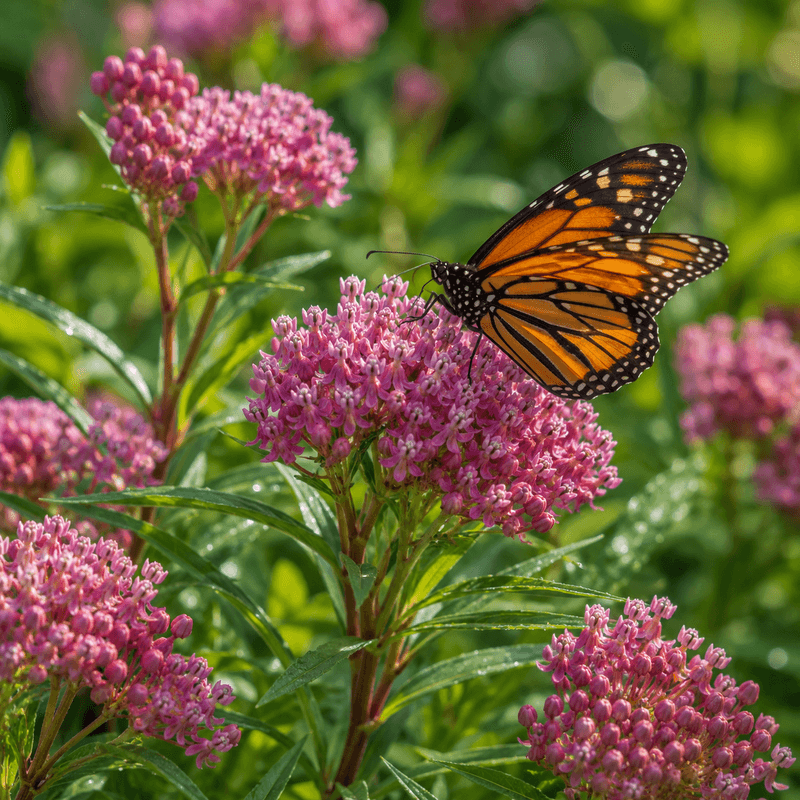
Monarchs passing through North Carolina need milkweed, and swamp milkweed is the one that actually likes clay. Common butterfly weed often sulks in wet ground, but this species does well there.
Its thick roots knit into moist soil, and each fall the stems and leaves die back to feed the ground. Monarch caterpillars chew the foliage, and that is the point.
Tuck it near Joe-Pye weed for a wildlife-heavy wet corner. Collect pods in fall if you want to share seed with neighbors.
8. Partridge Pea (Chamaecrista fasciculata)
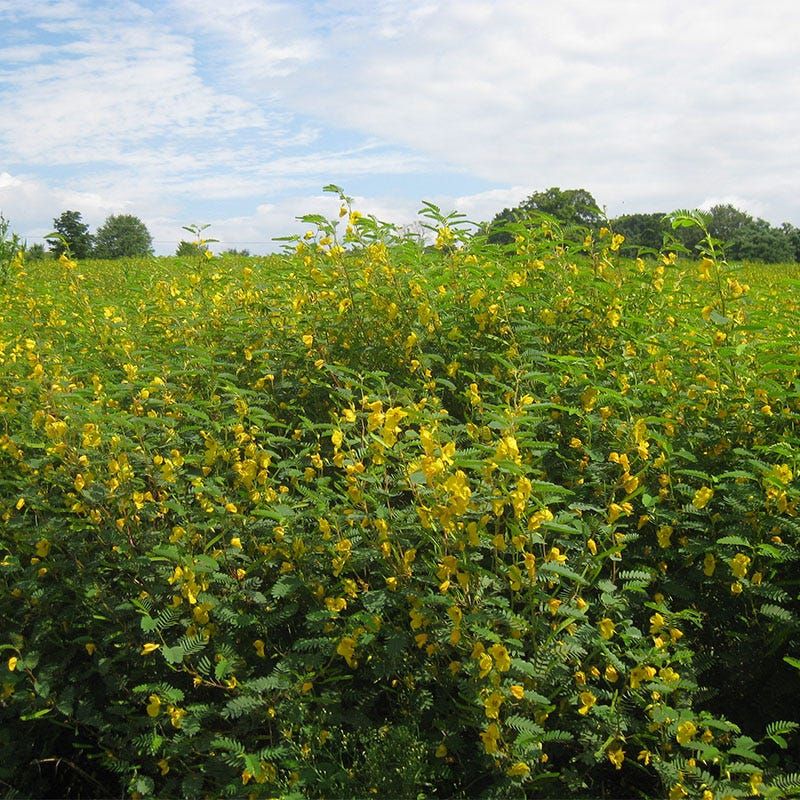
Fun fact: partridge pea leaves fold up when you touch them, a bit like sensitive plant. Kids love it.
This annual native legume is a fast fix for raw, bare clay, like the ground left after construction. It grows quickly from seed, can add nitrogen through its root partners, and drops seeds that feed quail and songbirds.
Think of it as a living cover crop. Sow seed in late winter or spring on scraped slopes, and it often reseeds itself year after year.
As tougher perennials move in, the partridge pea has already started softening the ground.
9. Blue Mistflower (Conoclinium coelestinum)
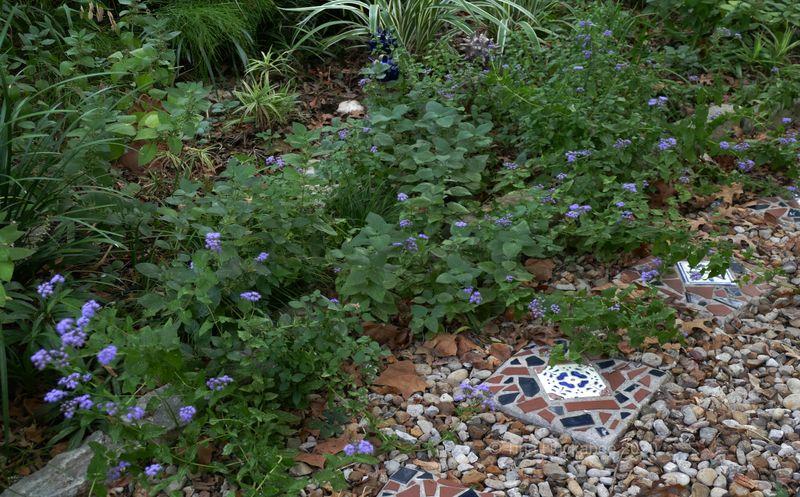
Late September is when blue mistflower steals the show, with fuzzy lavender-blue blooms just as many gardens fade. Skippers and late bees appreciate the timing.
It spreads by shallow runners, forming a mat that covers heavy, damp clay in sun or part shade. That kind of coverage keeps the surface from baking hard and encourages earthworms.
Fair warning, it wanders. Use it where you want a groundcover, such as under a downspout or in a tough side yard, and pull extras in spring.
10. Christmas Fern (Polystichum acrostichoides)
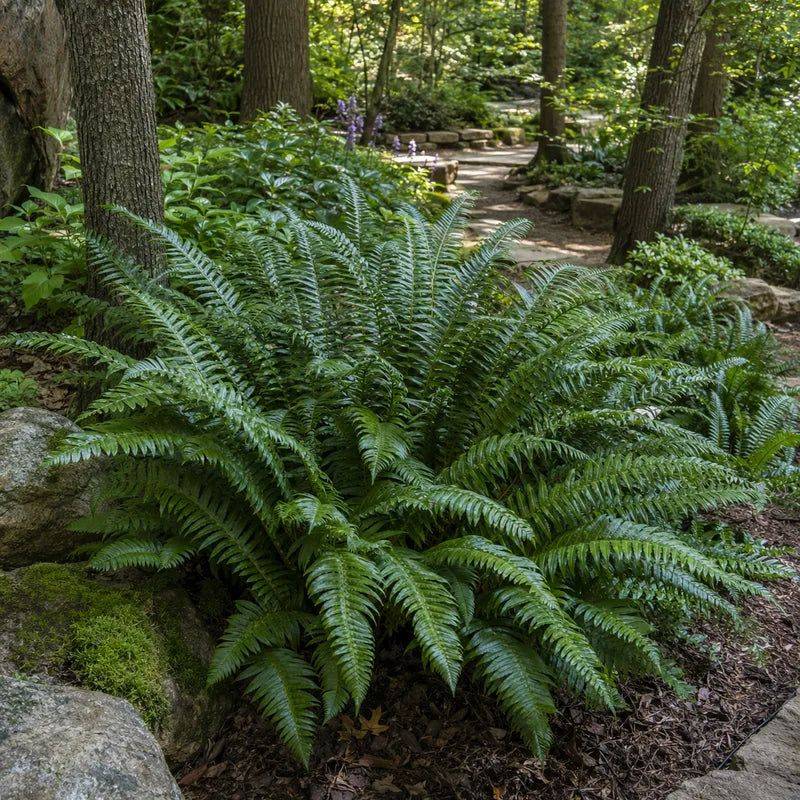
Shady clay is the hardest spot in many NC yards. Grass thins out, and the slope under the oaks starts washing away.
Christmas fern holds that ground. Its clumping roots grip soil on banks, and its evergreen fronds stay green through winter, protecting the surface when deciduous plants are bare.
Old fronds flatten and decay each spring, adding a slow layer of organic matter.
It grows naturally from the mountains to the coast. Plant it now in fall, leave the oak leaves where they drop, and the fern and leaf litter work together year after year.