
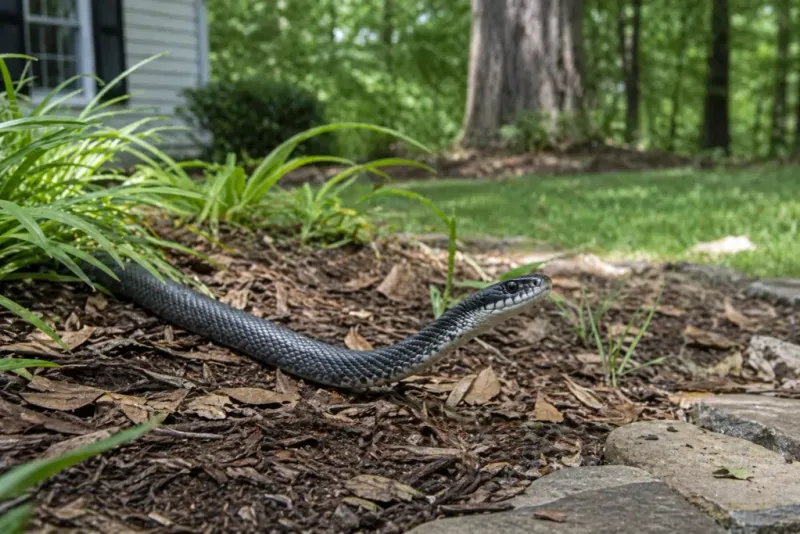
Seeing a long, glossy black snake zip past your back door can make anyone stop in their tracks. In Florida, that snake is often a black racer, a daytime snake that turns up in many neighborhoods.
A focused cleanup near the house can make the area less inviting to snakes in general. Here is a practical plan that works with your yard instead of stripping it bare.
Black racers eat varied prey and use residential areas
Black racers are a familiar sight in Florida neighborhoods, and UF/IFAS identification and ecology guidance notes they live in residential areas and are active during the day. They eat a wide mix of prey, including frogs, lizards, small snakes, mice, rats, and birds’ eggs.
That long menu matters. A racer in your yard does not tell you what brought it there, and it does not mean any one thing, such as mice, is the cause.
Racers also move through many habitats, so a single sighting is just a snapshot of a snake passing through.
Because nobody can say why one particular snake crossed one particular lawn, the smart move is to use general snake-conflict measures near the house. Those steps focus on hiding places and possible food sources close to doors and play areas.
The Florida Museum’s racer profile describes a nonvenomous, quick-moving snake that is common in suburban yards and parks.
So there is no need for a fear-driven overhaul. A small, targeted tidy-up near the back door is plenty, and the rest of your yard can keep its plants and wildlife value.
Prioritize loose boards, brush, and ground-level firewood
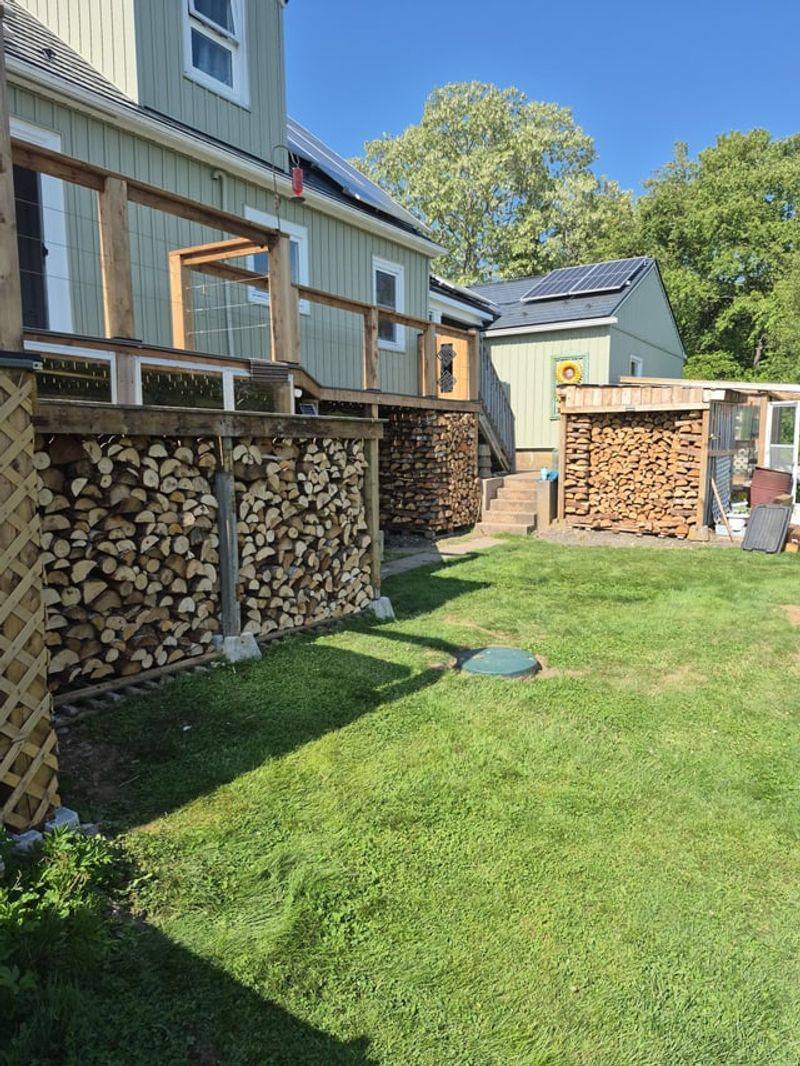
Start with the clutter closest to where people walk and play. UF/IFAS guidance on preventing snake encounters in residential areas suggests moving loose boards, brush and debris piles, and ground-level woodpiles away from doors, buildings, and children’s play areas.
These spots offer shade and shelter that snakes and their prey can use.
Firewood is an easy win. Stack it neatly on a rack instead of leaving it in a heap on the ground, and keep the rack away from the back door if you can.
Next, look at the plants touching the house. Keep grass mowed and trim shrubs or branches so they do not brush against walls, steps, or the patio.
A clear strip around the foundation also makes it easier to spot anything moving through.
Here is the part many people skip: you do not need to clear everything. Brush piles and vegetation can provide useful wildlife habitat, so relocate piles from high-use areas to a back corner instead of removing every one.
The same guidance cautions against mowing right to the edge of lakes or ponds, where it can harm habitat for other wildlife.
Think of it as shifting the clutter, not wiping out the yard. A tidy zone near the house and a wild corner farther away is a fair trade.
Clean up food scraps without assuming there are rodents
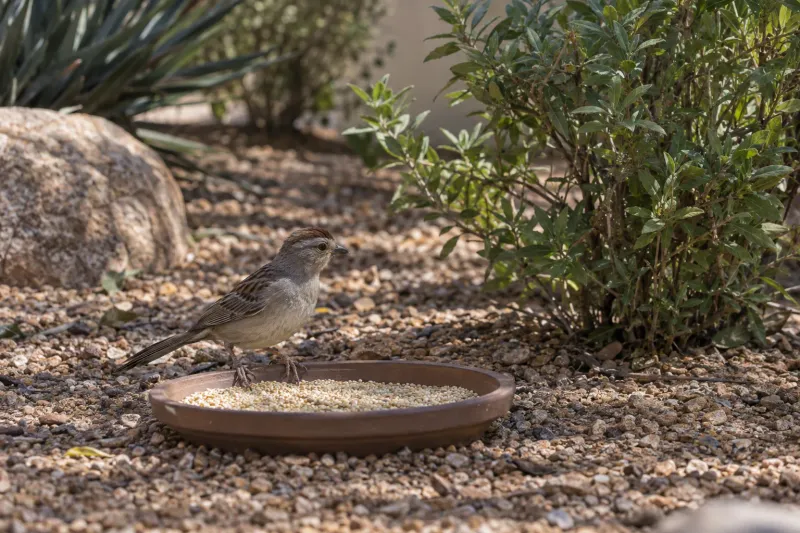
Spilled birdseed and leftover pet food are easy to overlook. The Florida Fish and Wildlife Conservation Commission recommends regularly cleaning them up, because they can draw the animals that snakes eat.
Try a quick routine. Sweep under feeders every few days, bring pet bowls inside after meals, and store seed in a lidded container.
Keep the logic modest, though. Seeing a racer does not prove you have mice or rats.
Racers eat many kinds of prey, as UF/IFAS notes, so a sighting alone cannot tell you what is going on in your yard.
Cleaning up scraps is simply one sensible step among several. It removes a possible attraction and also keeps feeders tidier.
Stick with these basics rather than reaching for unproven pest-control tricks.
Move debris carefully and give snakes space
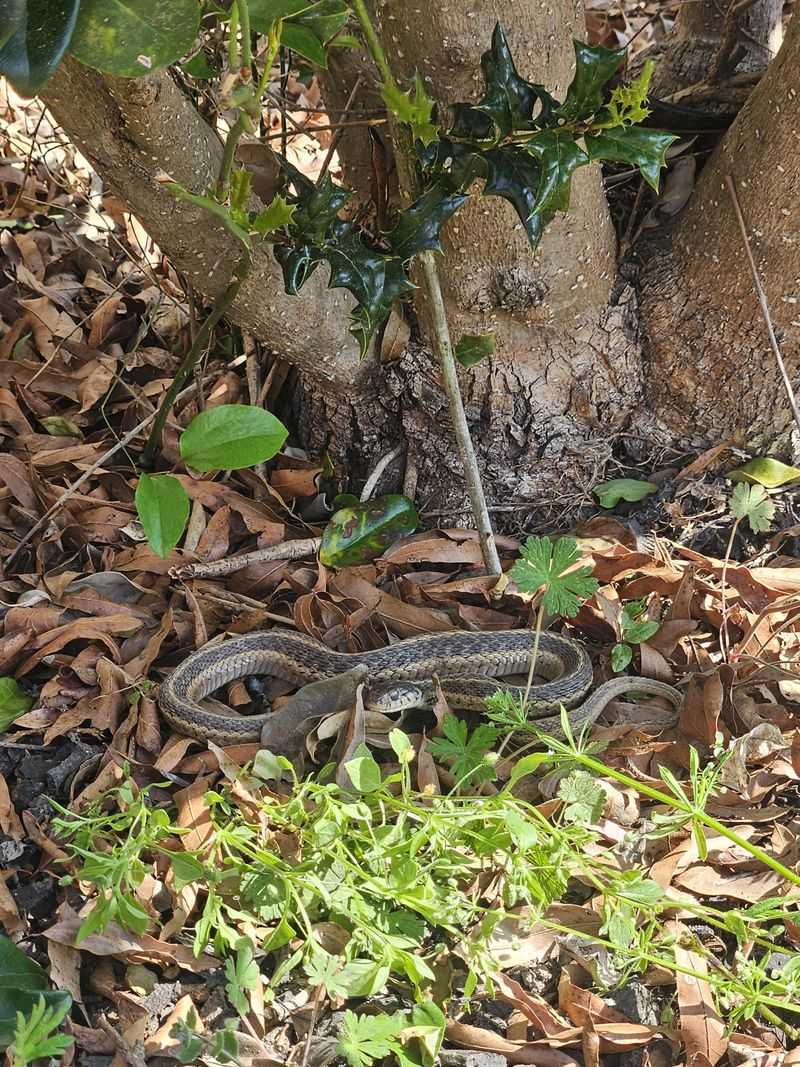
Cleanup goes best with the right gear. Wear boots in tall grass, deep leaf litter, or near rock piles, and put on thick work gloves when you move brush or debris.
UF/IFAS guidance on living with snakes supports these simple precautions.
Lift boards and branches slowly, and keep your hands and feet where you can see them. If a snake appears, stop working and step back.
Let it move on by itself.
Never grab, corner, kill, or casually relocate a snake. Racers are nonvenomous, but the Florida Museum notes they may bite if cornered or handled.
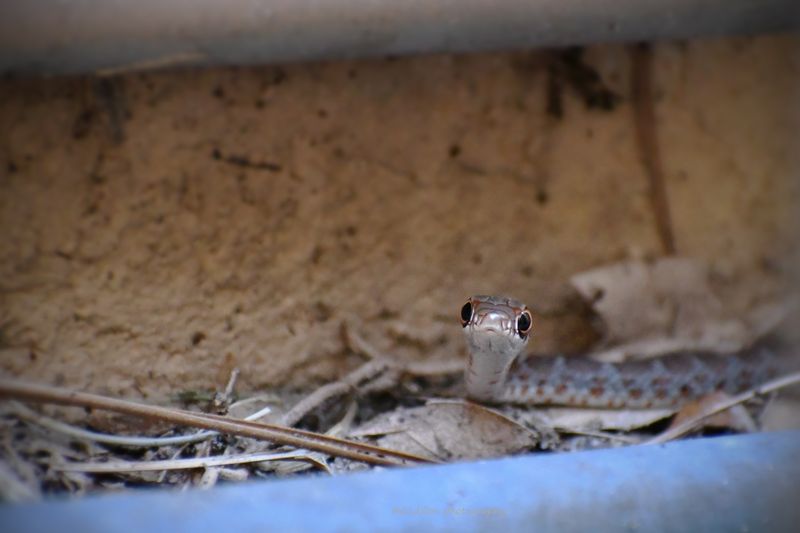
Identification can be tricky. Juvenile racers can be gray with reddish-brown blotches, so they may be mistaken for pygmy rattlesnakes.
Do not move closer to get a better look.
If a snake might be venomous, or you are not sure what it is, call a qualified professional. Taking a photo from a safe distance can help them advise you.
Seal entry gaps separately from cleaning the yard

Yard cleanup and sealing the house are two different jobs. Cleanup changes the outdoor conditions, while sealing helps block a way inside.
To lower the chance of a snake entering, walk the outside of your home and check for gaps under doors and around utility lines, vents, and other openings. UF/IFAS snake guidance and its residential prevention publication both point to closing these openings.
A door sweep, weatherstripping, and caulk or mesh around pipes and vents are common fixes. Check garage doors and screened porches too.
Sealing works alongside a tidy yard but does not replace it. It will not remove outdoor cover, and it cannot promise that snakes will never visit the yard.
It simply helps keep them on the outside of your walls.
Treat fall as a convenient reset, not a guarantee
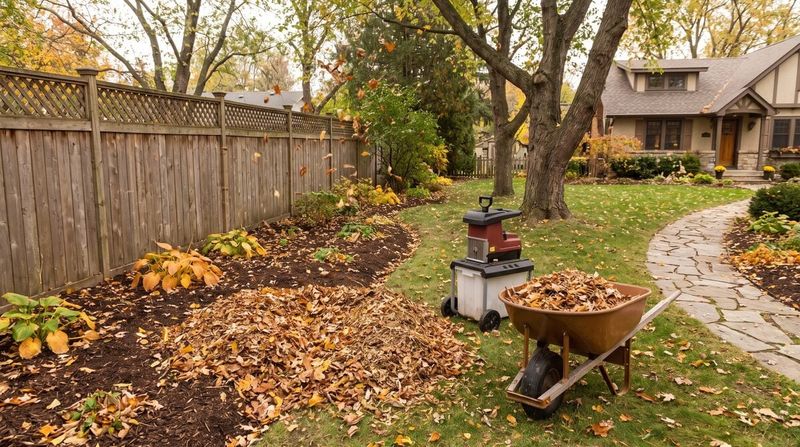
Fall is a handy time for this job because the weather is gentler and many gardeners are already tidying beds. It is not a season proven to make these steps work better.
A southern Florida herpetology review reports racer activity throughout the year in parts of the state, and the pattern varies by location.
Keep the goal small. Tidy the zone right around the house, leave suitable habitat elsewhere, and expect that racers may still pass through.
UF/IFAS says repellents are not a viable means of snake control, so skip them.
Do the cleanup whenever it fits your calendar, and a neat back door becomes a quiet habit.