
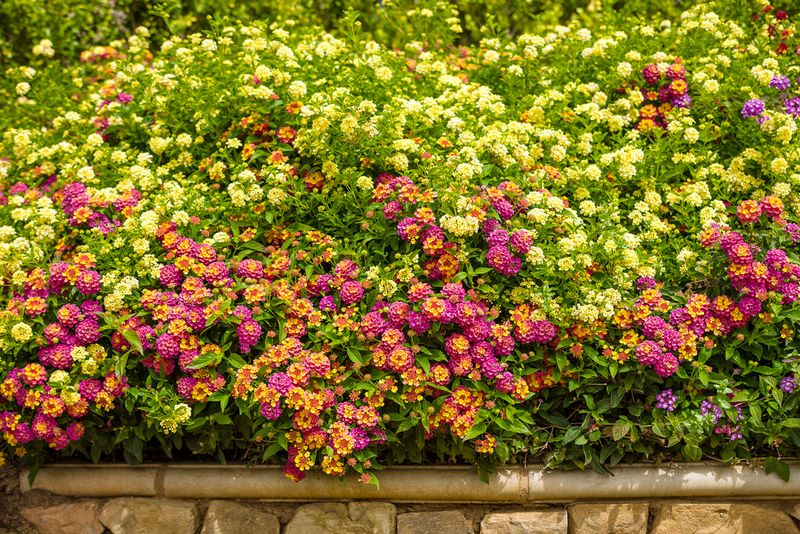
You spot a flat of cheerful lantana at the nursery, the tag looks fine, and the price is right. But in Florida, that one word can hide very different plants.
Some are native, one is classified as invasive, and a few are sterile cultivars that university experts recommend. A quick look at the tag can keep the wrong one out of your cart.
Why the word “lantana” is not enough
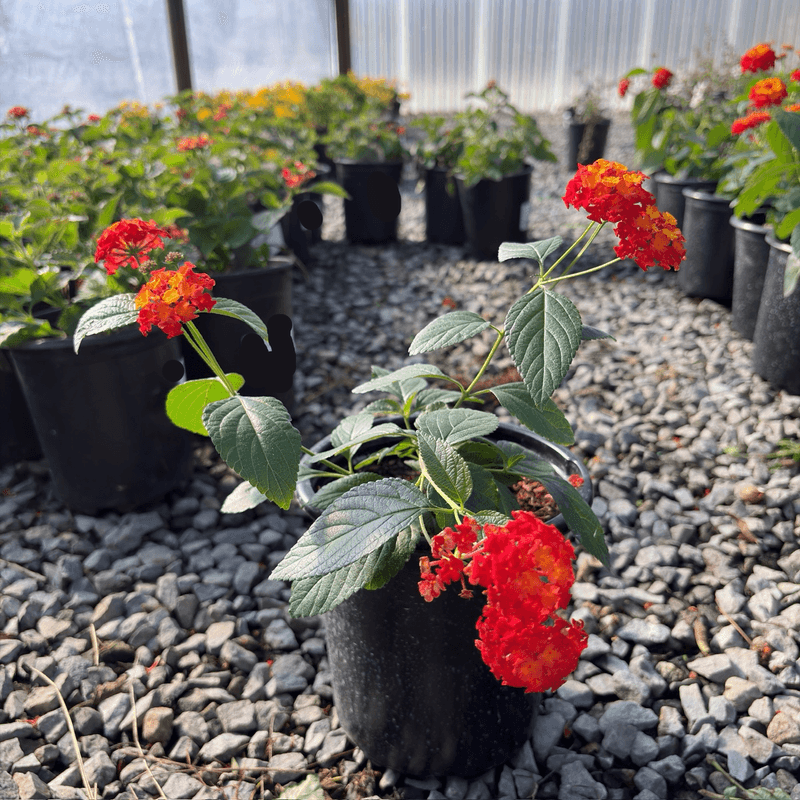
Picture three pots on a nursery bench, all labeled simply “lantana.” One could be a plant UF/IFAS classifies as invasive, another a Florida native, and a third a named sterile cultivar the university recommends. The common name alone does not tell you which one you are holding.
The botanical name is where the answer starts. The UF/IFAS assessment lists the commonly sold nonnative lantana as Lantana strigocamara and classifies it as invasive in Florida.
That is a specific species, not every plant that carries the word lantana.
You may also see Lantana camara on tags, in older books, and on many websites. UF/IFAS Gardening Solutions notes that the Florida Plant Atlas accepts L. strigocamara and treats L. camara as a misapplied name, while many other sources still use L. camara.
Two names in two places do not automatically mean two different plants. It is often the same plant under an older or more familiar label.
So the goal at the nursery is not to memorize every name. It is to look past the friendly common name, find the botanical name or the exact cultivar name, and treat a tag with neither as a reason to ask questions before you pay.
Which Florida lantanas are native?
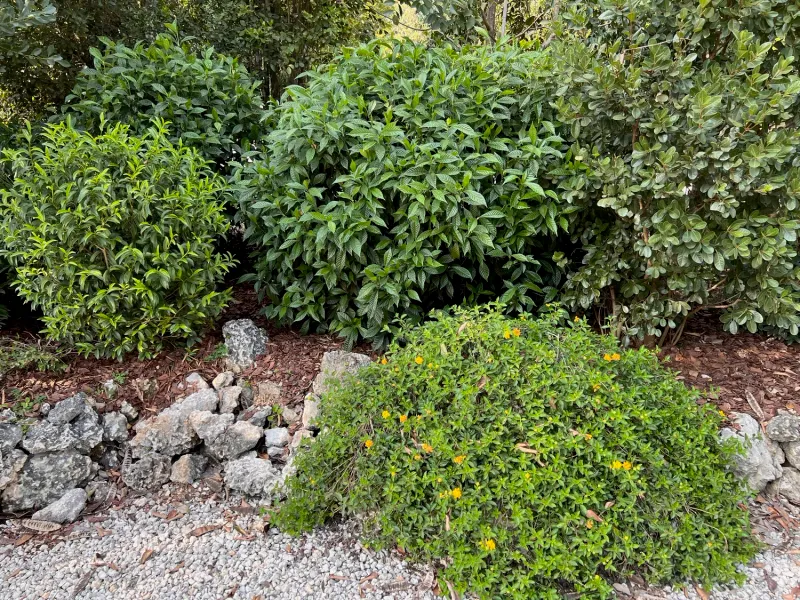
Florida does have its own lantanas. UF/IFAS names L. depressa, known as pineland lantana, and L. involucrata, known as button sage, as native alternatives.
It also notes that these natives are rare even within their South Florida coastal range, and it recommends buying from a reliable native plant nursery.
That rarity matters at the garden center. A native lantana is not something you will find on every big-box bench, so a tag claiming one deserves a closer look.
Identification can be tricky, too. A 2025 Florida Wildflower Foundation profile describes the taxonomy and genetics of lantana as murky and says commercially sold lantana may be hybrids.
The Florida Native Plant Society likewise advises sourcing L. depressa from a native plant nursery because of hybridization concerns.
That does not mean a native-labeled plant is a hybrid. It means a native label alone does not settle the question.
Check that the botanical name reads Lantana depressa or Lantana involucrata, then ask the nursery how the plant was identified and where it came from.
The invasive warning applies to a specific lantana
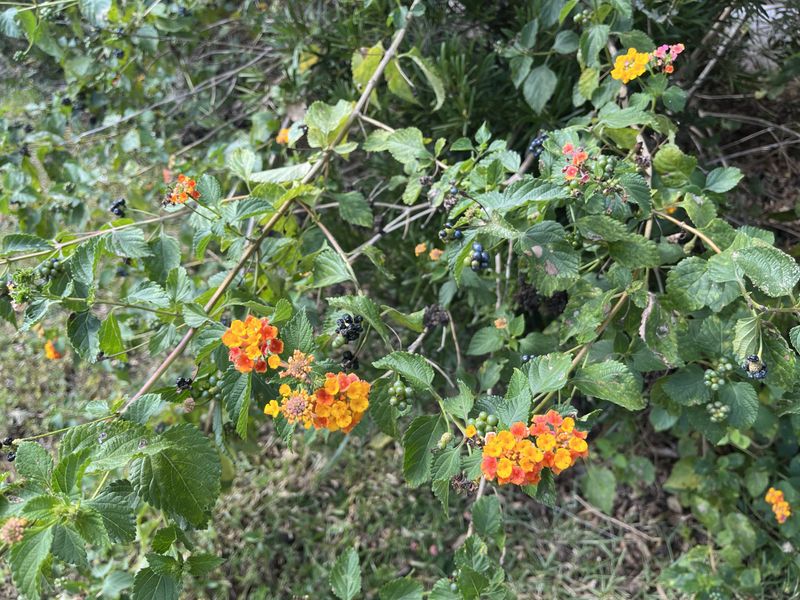
Here is the exact warning: UF/IFAS classifies Lantana strigocamara as invasive and does not recommend it in North, Central, or South Florida. The warning belongs to that species.
It does not cover native lantanas or the named sterile cultivars covered below.
The concern is how the plant spreads. The UF/IFAS homeowner guide says birds eat the fruit and spread the seeds.
The guide adds that seedlings can be hand-pulled, but established plants are hard to remove.
Butterflies and bees on the blooms may tempt you to think a plant is a good choice. UF/IFAS says both native and nonnative lantanas attract pollinators, so a busy plant tells you nothing about which kind it is.
Flower color does not help either, since lantanas come in many color combinations and numerous cultivars have been sold.
One safety note: do not eat any part of a lantana. If someone might have swallowed some, call Florida Poison Control at 1-800-222-1222.
Sterile cultivars offer a separate option
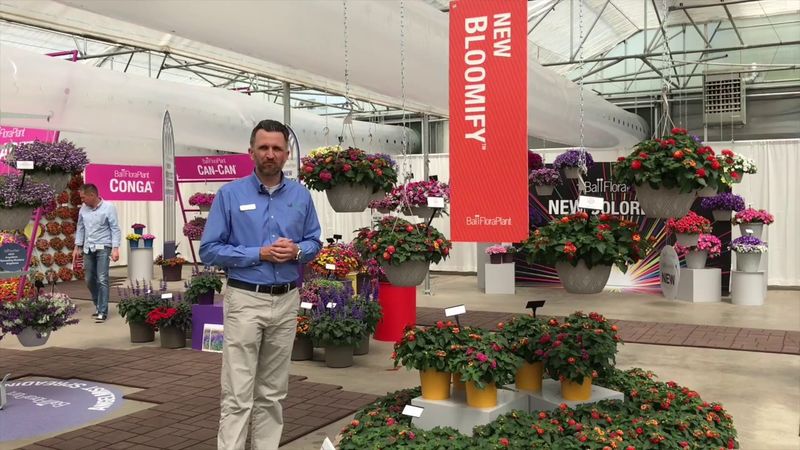
Gardeners who want the classic lantana look have another route. UF/IFAS lists ‘Bloomify Red,’ ‘Bloomify Rose,’ and ‘Luscious Royale Red Zone’ as sterile alternatives to the invasive lantana.
The research is strongest for two of them. A UF/IFAS publication on ‘Bloomify Red’ and ‘Bloomify Rose’ found no viable seeds and little potential for them to hybridize with L. depressa.
UF/IFAS concluded they can be recommended for Florida landscape use.
Two limits keep this honest. First, sterile does not mean native.
These are nonnative plants that have been judged a safe choice. Second, those findings belong to the named cultivars only.
A pot labeled with a different cultivar name, or one that says just “lantana,” has not earned the same status.
When you shop, look for the exact cultivar name in quotes on the tag. If the name is missing or close but not quite right, treat it as unconfirmed.
A reliable purchase starts with more than flower color
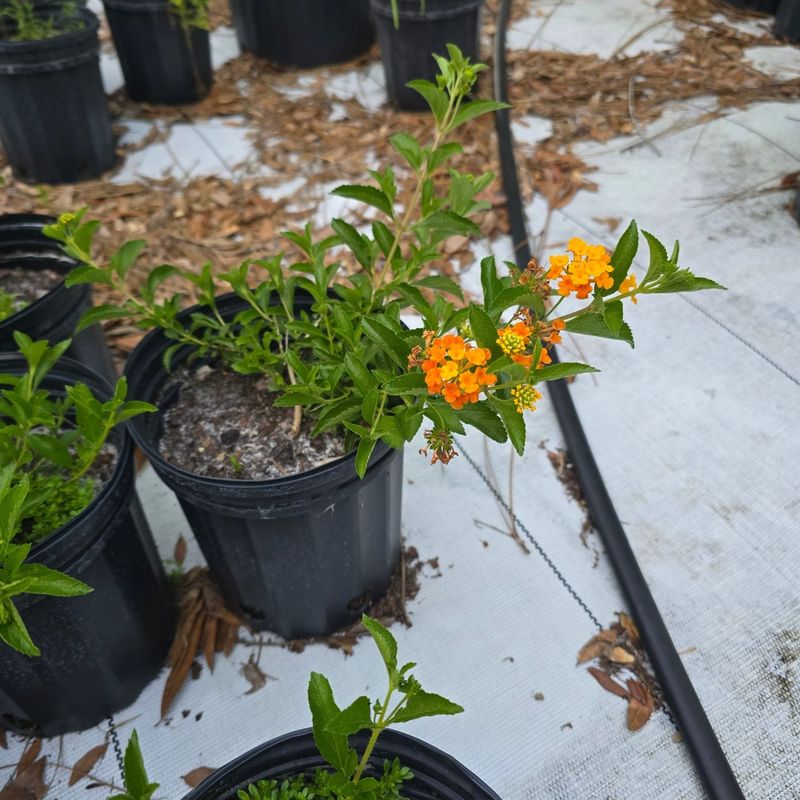
Think of the nursery visit as a three-step check. Start with the botanical name on the tag.
If it says Lantana strigocamara or Lantana camara, that is the species UF/IFAS does not recommend, so leave it on the bench.
Next, if the plant is a nonnative cultivar, match the exact name against the recommended list: ‘Bloomify Red,’ ‘Bloomify Rose,’ or ‘Luscious Royale Red Zone.’ A tag that shows only a color or a catchy brand name is not a match.
Third, if the plant is sold as native, ask how the staff identified it and where the stock came from. The Florida Wildflower Foundation and the Florida Native Plant Society both point to hybridization as a reason to buy from a native plant nursery.
A good grower can answer in a sentence.
Flower color will not settle any of this. The UF/IFAS homeowner guide describes many color combinations, so a yellow-orange bloom could belong to several different plants.
Snap a photo of the tag before you leave so you can check it at home if needed.
Choose the lantana whose identity you can verify
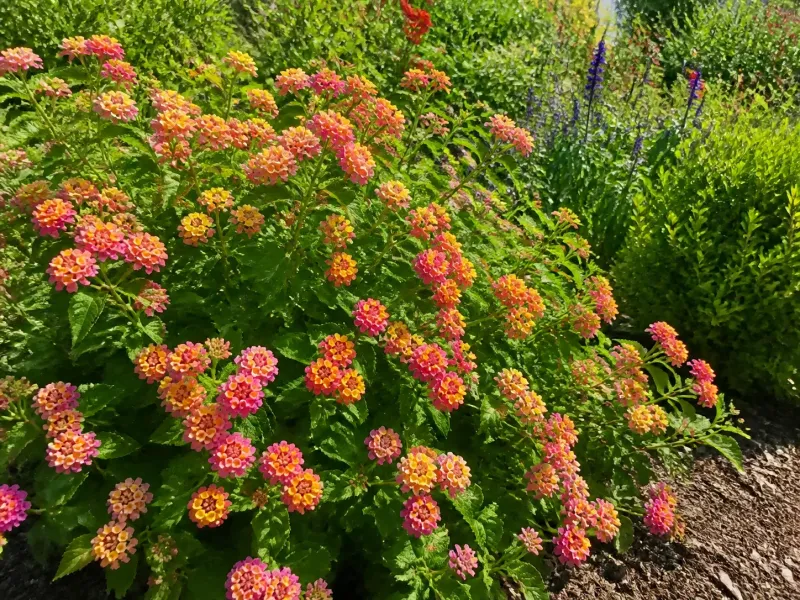
Your options come down to three: a verified native such as pineland lantana or button sage, a named sterile cultivar from the UF/IFAS recommended list, or the species UF/IFAS classifies as invasive, which you should skip.
When a tag is vague, ask the nursery instead of guessing. A butterfly-covered bloom looks lovely, but knowing exactly what you planted is what keeps it from becoming someone else’s weed problem.