
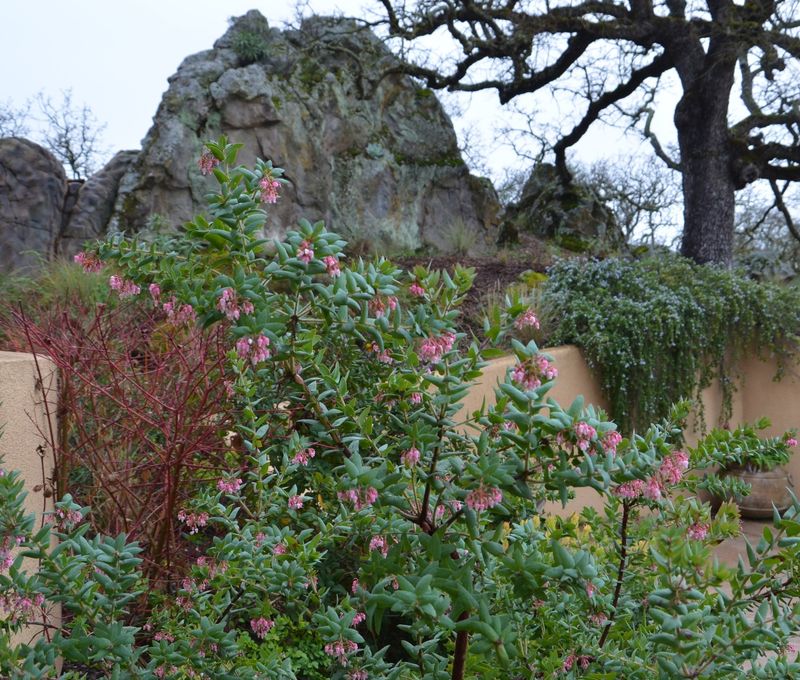
Fall is the secret planting season in California, even though most people wait until spring. When you put native shrubs in the ground now, the winter rains do most of the watering for you while roots spread deep into cool, damp soil.
By the time summer heat arrives, those plants are ready to handle it with far less help from your hose. Here are ten native shrubs worth hunting for at fall plant sales, and why each one earns a spot in a water-wise, wildlife-friendly yard.
1. Toyon
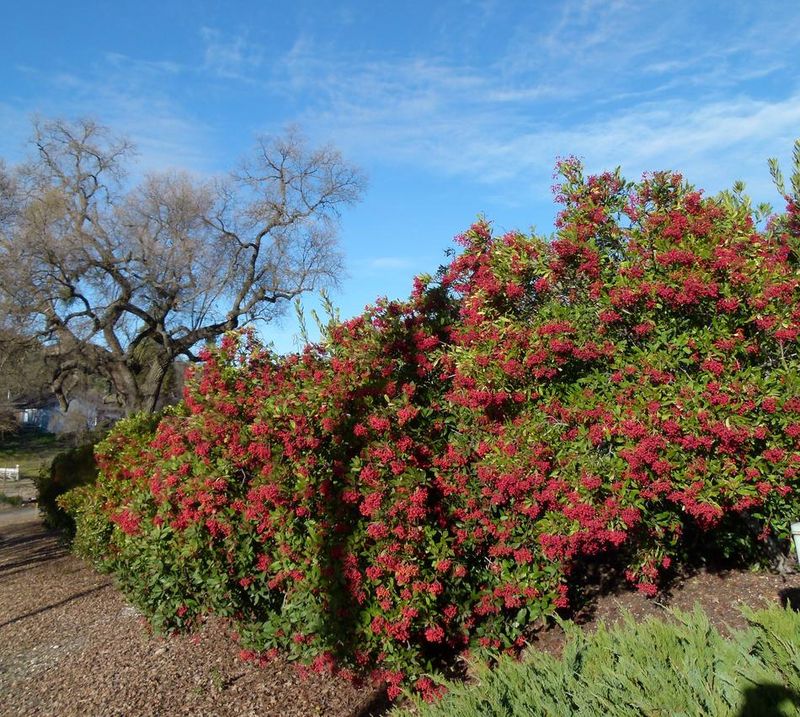
Hollywood is said to have been named after this shrub, which early settlers called California holly. Toyon earns its fame every winter, when it lights up with clusters of red berries just as robins and cedar waxwings come looking for food.
It grows into a large shrub or small tree, often 8 to 15 feet, so give it room along a back fence or as a living screen. Once settled, it can get by on little or no summer water in many parts of the state.
Fall planting matters here because toyon builds a deep root system slowly. A winter of steady rain gives it a strong head start before its first dry season.
2. Ceanothus (California Lilac)
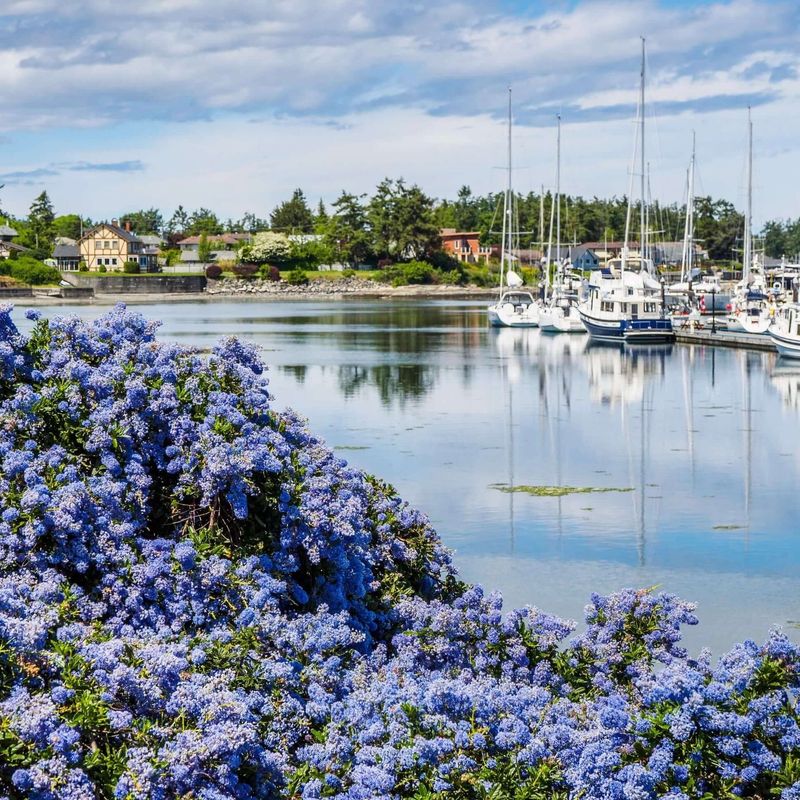
Picture a cloud of electric blue flowers humming with bees in March. That is ceanothus at its best, and it is one of the quickest ways to make a yard feel alive.
There are dozens of varieties, from low groundcovers like ‘Yankee Point’ to tall shrubs like ‘Ray Hartman.’ Most want full sun, good drainage, and almost no summer water once established.
Here is the catch: summer watering can actually shorten its life by encouraging root rot. Planting in fall lets rain establish it naturally, so you can step back and leave it alone when the weather turns hot.
3. Manzanita
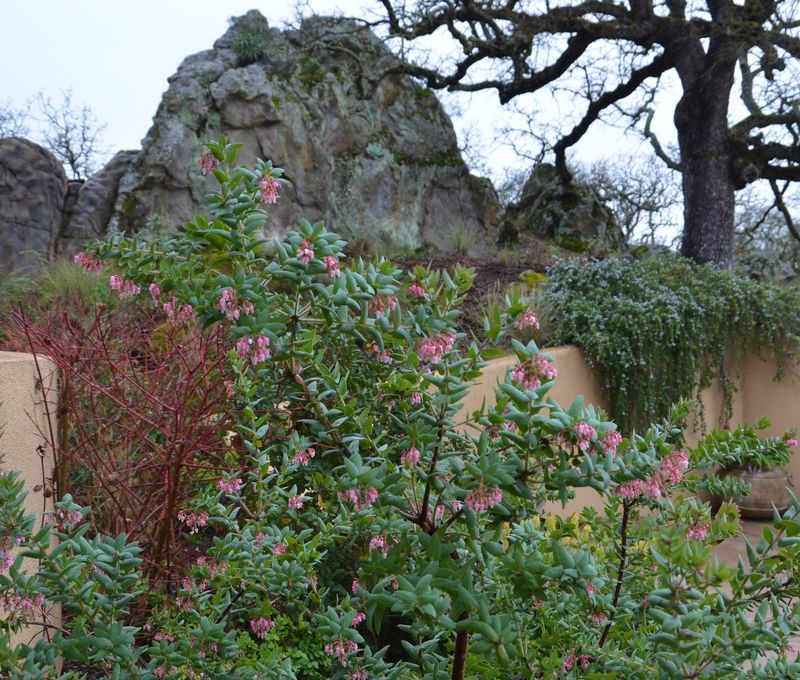
Run your hand along a manzanita branch and you will feel bark as smooth as polished wood. The twisting red stems look like sculpture, even when nothing is in bloom.
In late winter, tiny pink or white bell flowers open and feed early native bees and Anna’s hummingbirds when little else is flowering. Sizes range from flat groundcovers to tree-like forms.
Manzanitas can be fussy as youngsters, so fall planting gives them the best odds. Skip rich amendments, use gravel or bark mulch, and water only sparingly through the first summer.
4. Coffeeberry
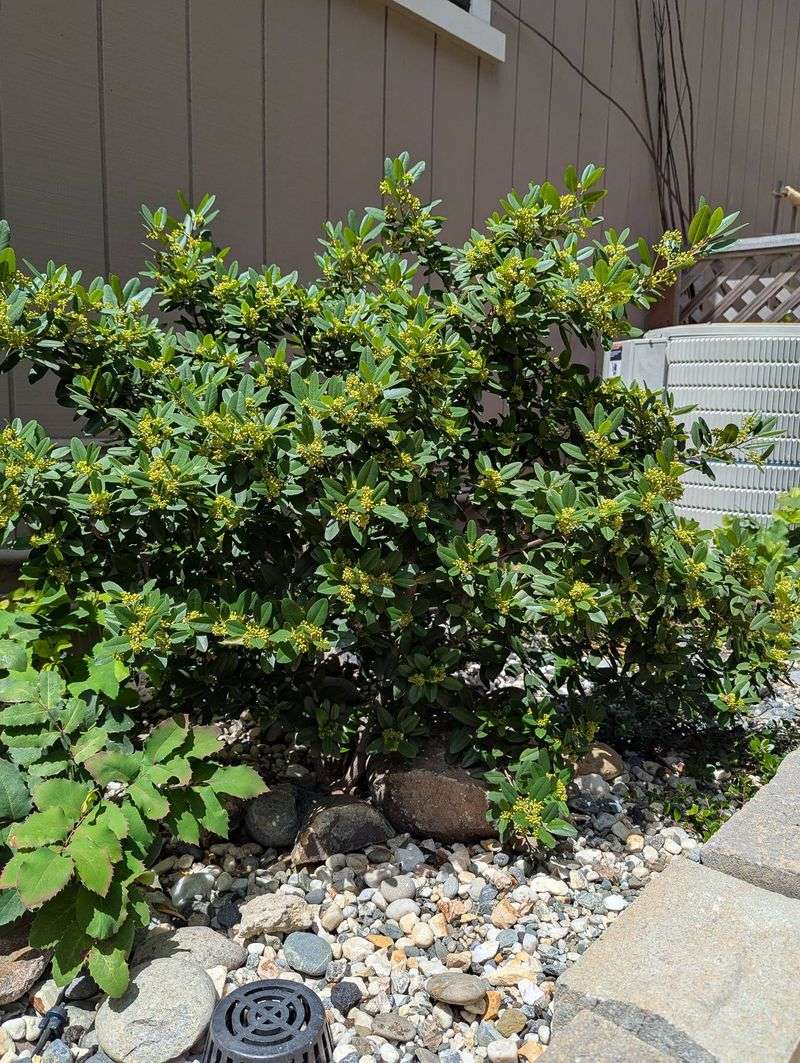
Need a hedge that does not drink like a lawn? Coffeeberry may be the most underrated answer.
Its dense green foliage stays good-looking year round, and it handles sun or part shade, clay or sandy soil. Berries ripen from green to red to nearly black, and birds like thrushes and band-tailed pigeons will pick them clean.
Compact selections like ‘Mound San Bruno’ stay around 4 to 6 feet, which suits smaller suburban lots. It is forgiving enough for first-time native gardeners, especially when it gets a rainy winter to settle in.
5. Cleveland Sage
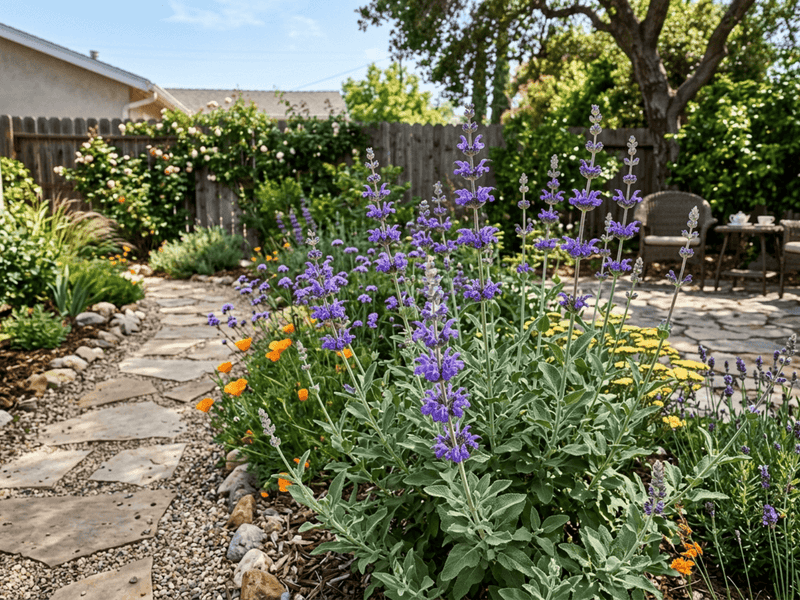
Brush past Cleveland sage on a warm evening and the whole patio smells like a hiking trail. Gardeners often fall for the fragrance before they ever see the flowers.
Those flowers come in stacked purple whorls in late spring and early summer, pulling in hummingbirds, native bees, and butterflies. The gray leaves reflect heat, which helps it thrive in hot inland valleys.
Plant it in full sun with sharp drainage. A light trim after bloom keeps it from getting woody, and seeds left behind can feed goldfinches.
6. Pacific Wax Myrtle
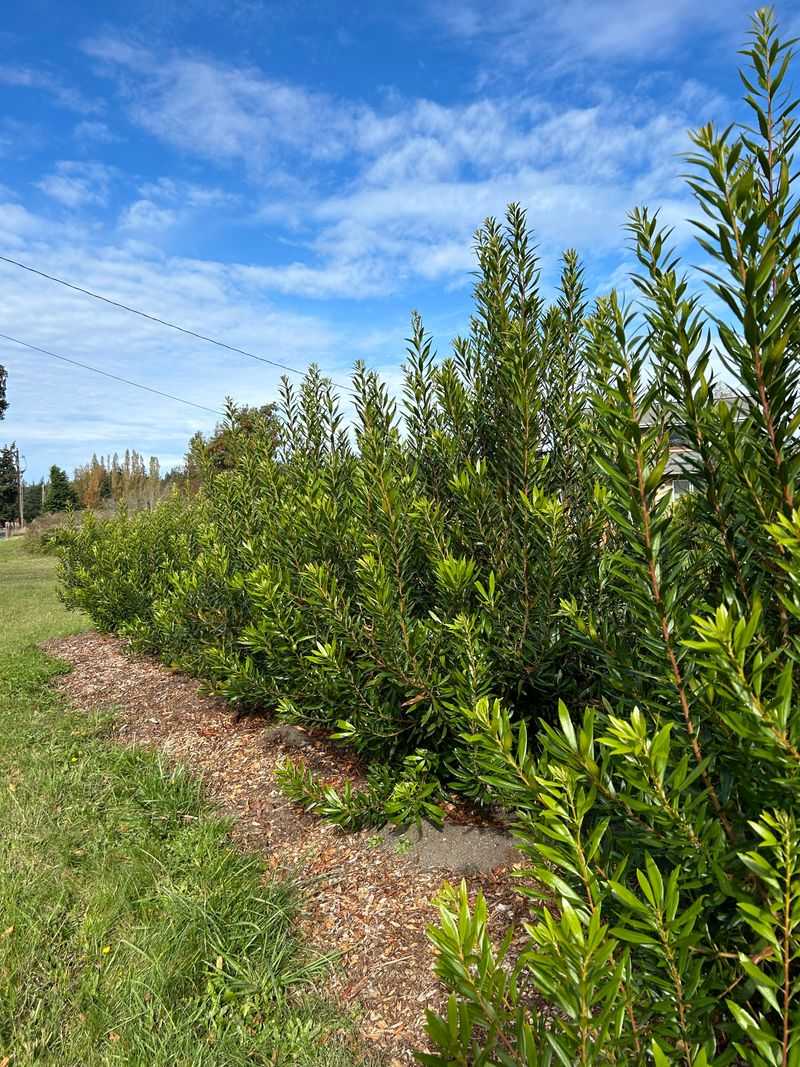
Coastal homeowners tired of thirsty privacy hedges have a strong option here. Pacific wax myrtle grows dense, evergreen, and fast enough to block a neighbor’s view within a few seasons.
It does best near the coast and in areas with some summer fog, where it may need only occasional deep watering. Inland, it usually appreciates a bit more moisture and afternoon shade.
Small waxy fruits feed birds in winter, and the shrub shelters nesting songbirds. As a swap for non-native hedges like privet, it can turn a plain property line into real habitat.
7. Fuchsia-Flowered Gooseberry
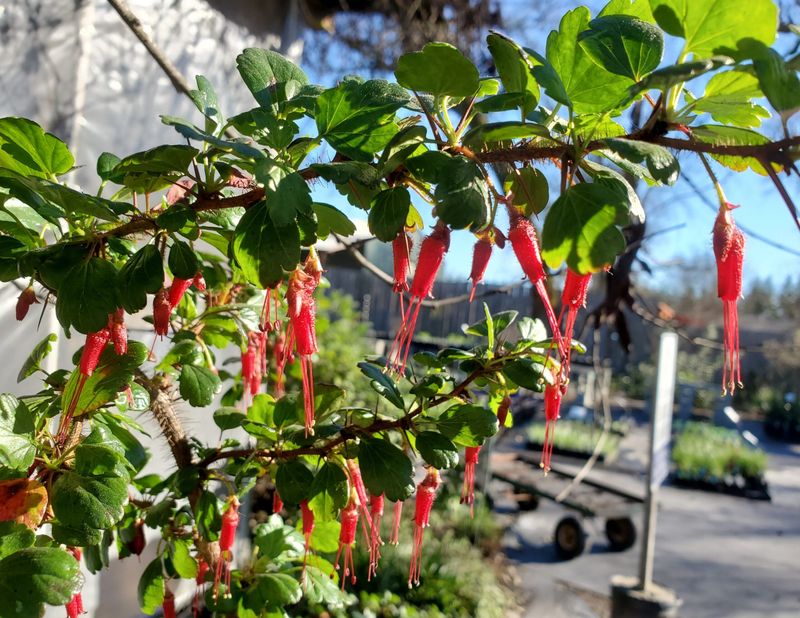
Some shrubs bloom when everything else is asleep. Fuchsia-flowered gooseberry opens dangling red tubes in mid-winter, right when Anna’s hummingbirds are nesting and hungry.
Yes, it has spines, so keep it away from walkways. That prickly habit can also make it a safe hiding spot for small birds.
It handles dry shade under oaks better than many plants, and it often goes summer-dormant, dropping leaves in heat. Do not panic when that happens; it is normal, and fall planting lets it grow strong while it is actively growing.
8. Bush Anemone
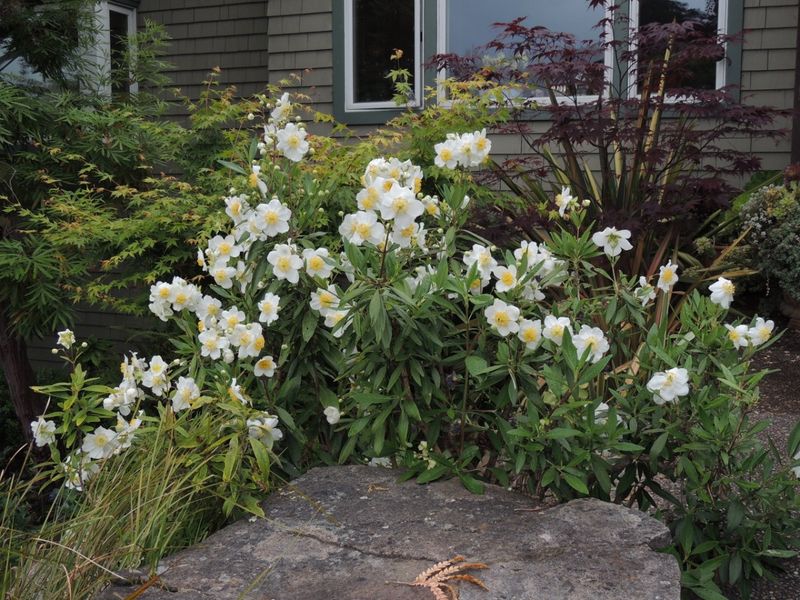
Few people know this shrub grows wild in only a small part of the Sierra Nevada foothills near Fresno. Bush anemone is a rare treasure that looks surprisingly fancy for a native.
White, fragrant flowers with golden centers cover it in late spring, almost like a wild camellia. It stays evergreen and grows roughly 4 to 6 feet tall.
It likes some afternoon shade inland and occasional summer water. Fall plant sales are one of the few places you can reliably find it, so grab one if you spot it.
9. California Buckwheat
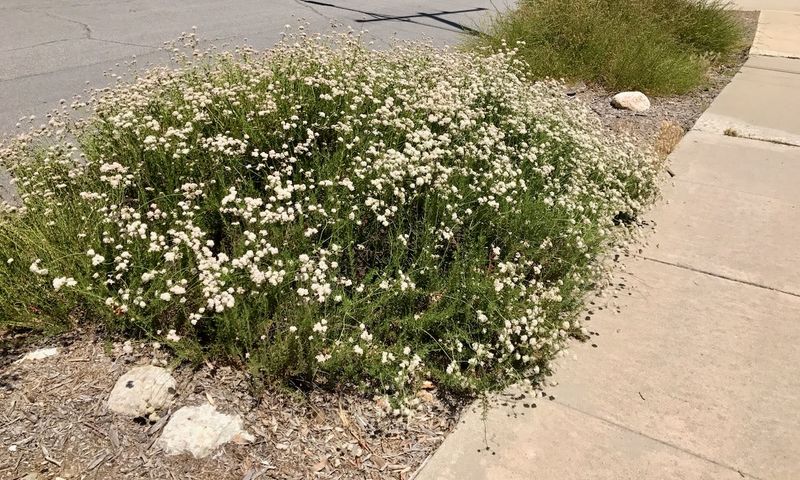
If pollinators held a vote, California buckwheat might win best shrub in the state. Its fuzzy flower heads feed a remarkable range of native bees, butterflies, and beneficial insects through summer.
Blooms open creamy white, then age to pink and rusty brown, giving color into fall. It thrives on very little water and tolerates poor soil.
Because it is affordable and grows quickly, it is a smart way to fill bare spots after lawn removal. For homes in fire-prone areas, keep it trimmed and well spaced from structures, as dry growth can carry fire.
10. Lemonade Berry
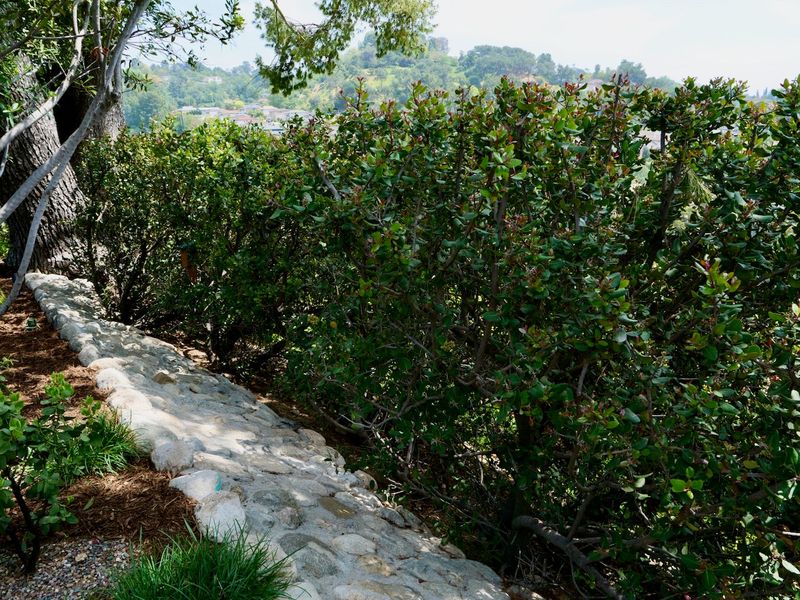
Native Californians once soaked the tangy fruit of this shrub to make a sour drink, which is how lemonade berry got its name. The sticky coating on the berries really does taste tart.
Thick, leathery leaves help it shrug off drought, wind, and salty coastal air. It works well on slopes, where its roots may help hold soil in place during winter storms.
Plant it in fall with plenty of space, since it can spread 10 feet or more. Birds eat the fruit, and the dense branches give cover for wrens and towhees year round.