
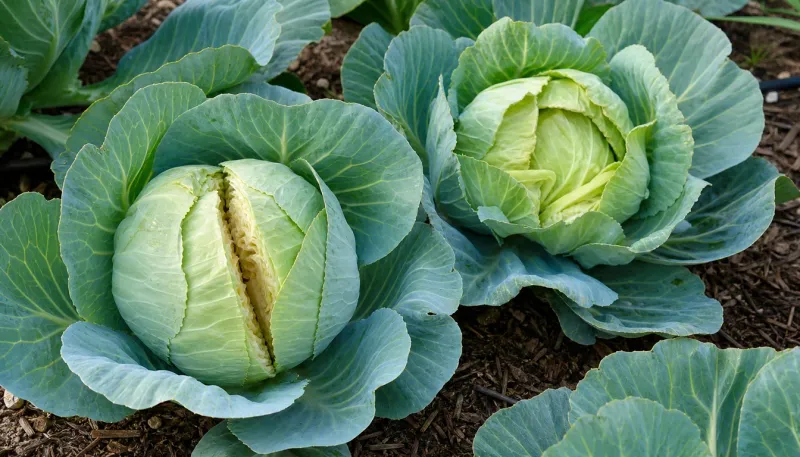
You walk out after a soggy week and find your best cabbage cracked wide open. It is a frustrating sight, especially after months of care.
The good news is that splitting is a known problem with a few practical ways to lower the risk. Here is what is going on inside the head and what you can do this week.
A sudden soak can split a mature cabbage head
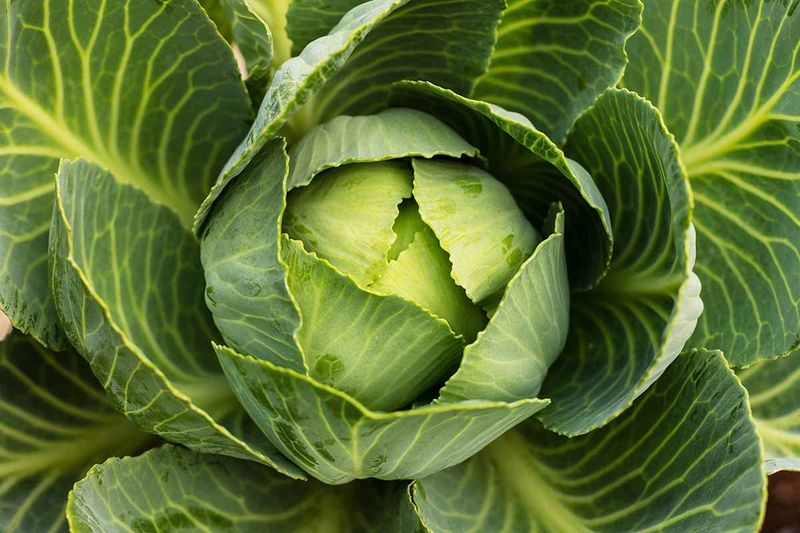
A cabbage head that is nearly mature is still growing on the inside. When a lot of water arrives all at once, especially after a dry stretch, the inner leaves can swell faster than the outer leaves can stretch.
The pressure builds until the outer leaves crack open.
Splitting is a recognized cabbage disorder, not necessarily a disease. Illinois Extension describes it as something that happens to mature heads, and Utah State Extension links it to rain or heavy irrigation following dry conditions.
Rain is one possible trigger, not the only one. Heavy watering, fast growth, and too much fertilizer can also play a part.
Not every head will split after a storm, but a swing from dry to very wet raises the odds, which is why Texas and Florida gardeners with sudden downpours often notice it.
Before more rain, check whether the head is ready
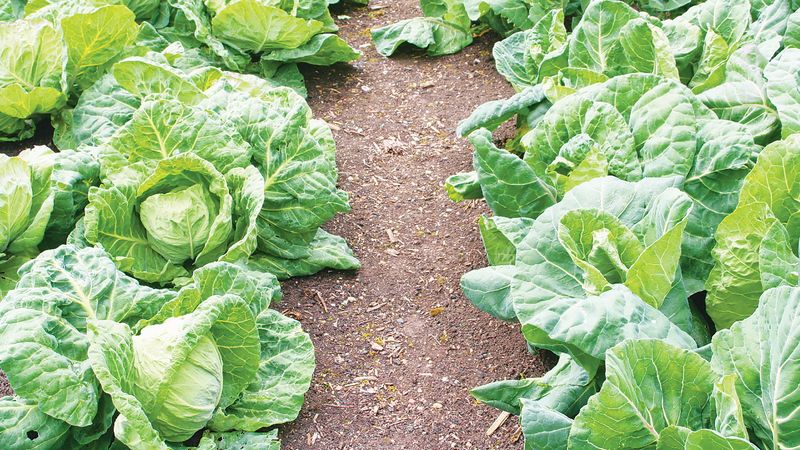
When the forecast shows a heavy rain coming, take a quick walk through the cabbage bed. Press each head gently with your palm.
A head that feels firm and solid is a candidate for harvest, as University of Minnesota Extension recommends cutting mature heads before they crack.
Size is a clue, but it varies by variety. Some small-headed types are done at a modest size, while large storage types keep going.
Iowa State Extension mentions firm, softball-sized heads as a starting point, but your seed packet or plant tag is a better guide for your variety.
Skip the calendar too. Fall planting and harvest dates differ across Florida, Texas, and the rest of the South, so go by how the head feels.
A soft, loose head is still developing and should stay in the ground.
Can twisting roots buy a little time?
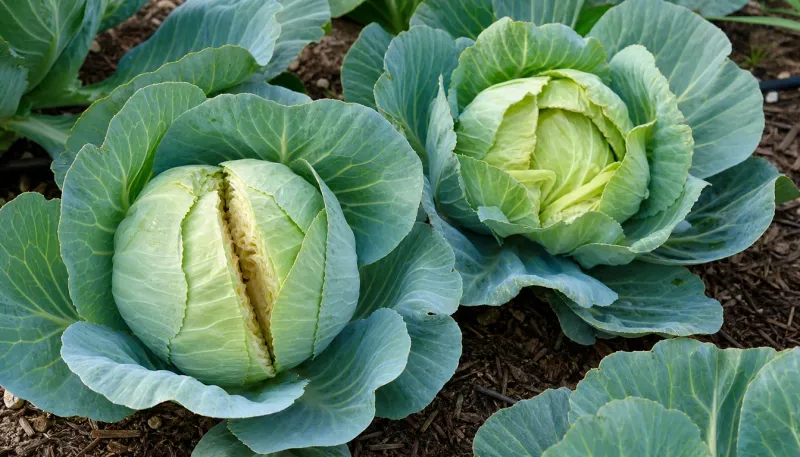
Sometimes a head is mature but you cannot pick it yet. In that case, you can gently twist the plant about a quarter turn.
This breaks some of the roots, which may cut down on water uptake. University of Maryland Extension describes this approach for heads you want to hold briefly.
Texas gardeners may recognize it too, since Texas A&M AgriLife guidance mentions slightly twisting a mature plant when harvest is delayed.
Keep expectations realistic. The twist hurts the plant, and it may lower the risk of splitting but cannot promise the head will stay whole.
Plan to harvest soon afterward.
This trick is only for mature heads. Do not use it on young plants or heads that are still filling out, because they need their roots to keep growing.
Steady moisture helps prevent abrupt swings
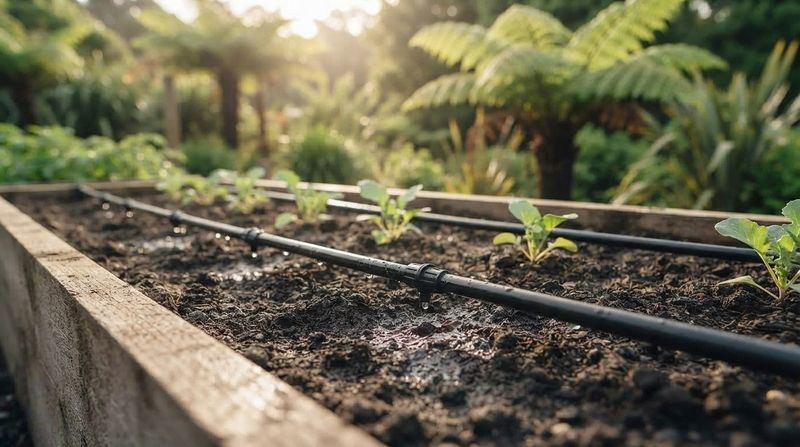
Cabbage does best with a reliable supply of water. Clemson Extension recommends a uniform moisture supply, and that is your main tool for lowering risk.
The goal is to avoid a long dry spell followed by a big drink.
Check the soil a few inches down before you water. A layer of mulch can help the soil hold moisture more evenly between rains or irrigation.
This does not mean you should stop watering once heads form, and you should not stress the plants on purpose.
Other factors can add to the problem. Heavy irrigation and rapid growth may contribute, and Utah State Extension cautions against adding more nitrogen after heads begin forming.
If your plants truly need feeding, check your soil and plant condition before deciding. Just avoid pushing extra lush growth right as heads fill.
Harvest a split head promptly and inspect the damage
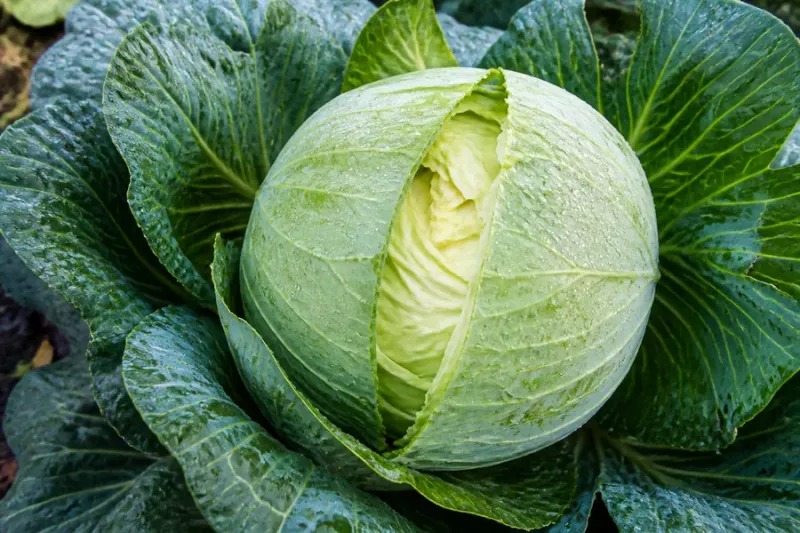
Once a head cracks, the clock starts. The exposed inner tissue can deteriorate, and as Illinois Extension notes, split heads should be harvested promptly.
Cut the head, then look it over closely. Trim away any damaged or decaying parts, including slimy, moldy, or discolored areas.
Use the sound tissue soon, since a split head will not store as well as an intact one. Every split is a little different, so judge each head by what you see rather than assuming it is automatically fine or ruined.
Choose the next step for each head

Walk the bed and sort your heads. A firm, full-sized head is best cut before rain, as Minnesota Extension suggests.
If a mature head must wait, a gentle quarter turn, described by Maryland Extension, may buy a little time.
Keep younger heads on even moisture, and pick and inspect any split head promptly, following Illinois Extension guidance.
None of this is a guarantee, but a few smart choices can save most of your crop.