
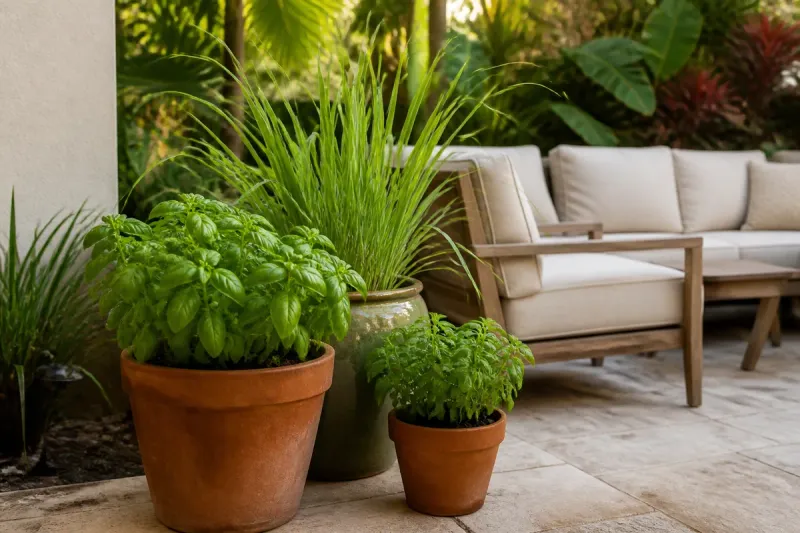
Picture reaching for a few fresh basil leaves on your way inside with the groceries. A pot by the front door puts a fragrant, edible herb right where you pass every day.
Florida gardeners have a real planting window in fall, but cold snaps and mosquito myths complicate the story. Here is how to set up a basil pot that smells great, works in the kitchen, and stays realistic about winter.
Why Keep Basil by the Front Door?
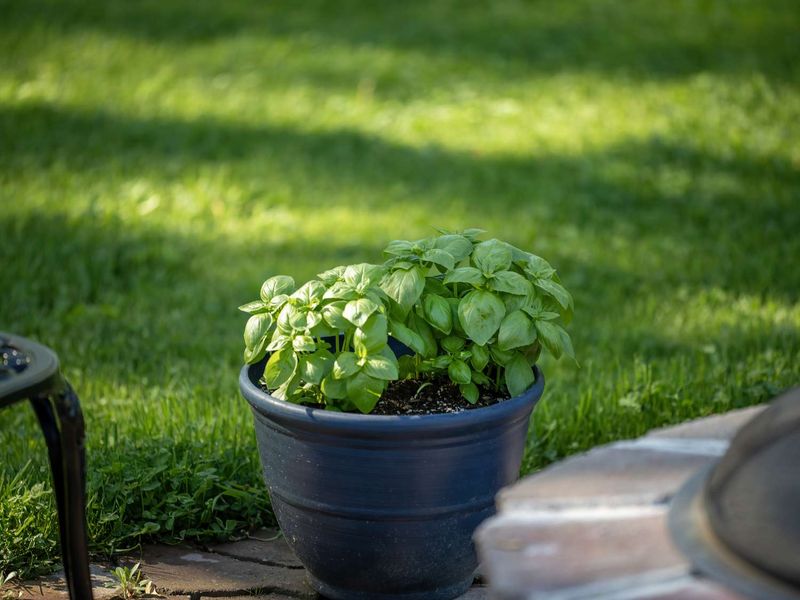
Few herbs greet you like basil. Brush past the leaves and the sweet, peppery scent drifts up, which makes an entry pot a small pleasure for you and for anyone who comes to visit.
The bigger payoff is convenience. When the plant sits a step from the door, a handful of leaves for pasta, tomatoes, or a pizza night is easy to grab without a trip to the back garden.
Basil is a warm-climate herb, and UF/IFAS basil guidance says it grows well in Florida and can be planted in containers in spring or fall, then harvested as needed.
A pot also gives you control. You can turn it toward the light, tuck it closer to the house when the weather turns, and keep it tidy enough to look good beside a welcome mat.
This article makes a modest promise: fragrance and fresh leaves within arm’s reach. It does not claim that this placement is a Florida trend, and it does not treat basil as pest control.
Those questions get a straight answer later, along with the cold-weather limits that every Florida basil grower should know before planting.
Choose the Pot and Growing Spot
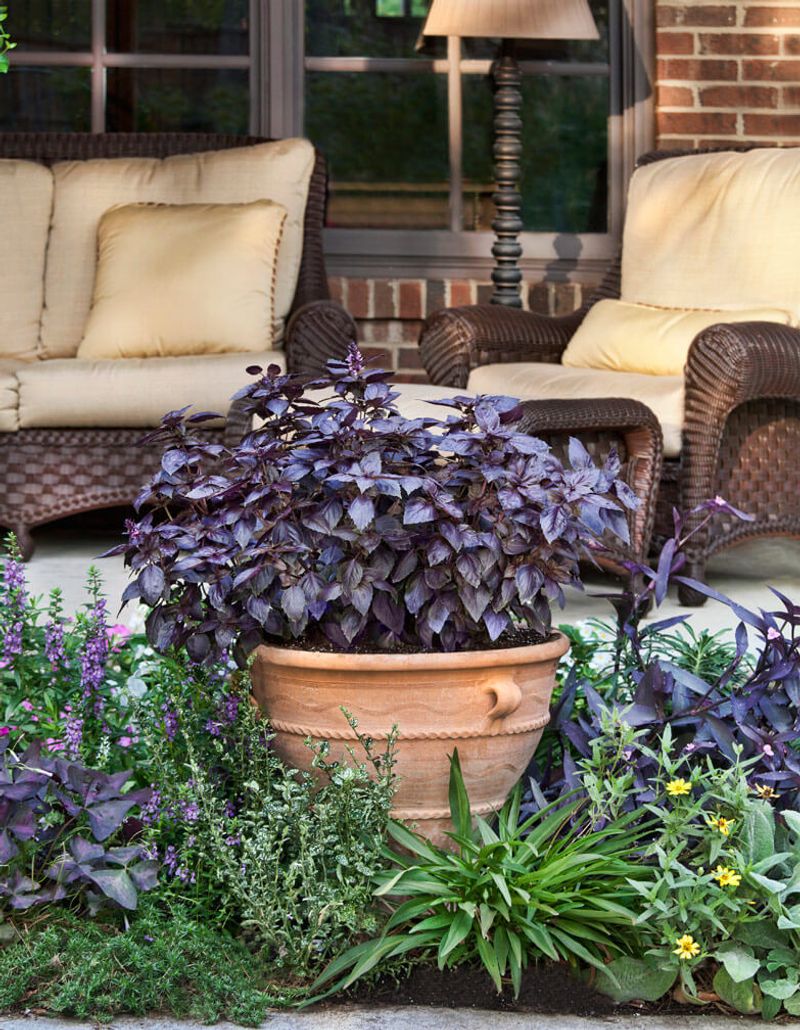
Start with light. UF/IFAS recommends sun with some afternoon shade, moist but well-drained soil, and notes that containers or raised beds help with drainage.
A door that gets bright morning sun and softer light after lunch is a good match.
Pick a pot with drainage holes. Florida downpours can swamp a container fast, and soggy roots do basil no favors.
Fill it with a quality potting mix rather than yard sand, which dries out too quickly in a pot.
Size and variety matter too. Compact types such as ‘Dwarf Greek’ and ‘Spicy Globe’ are named by UF/IFAS as container-friendly, and they are only examples.
Plenty of other basils will grow in a pot if you give them room.
Downy mildew is a known basil problem in Florida. UF/IFAS advises good air movement and less leaf wetness, so do not crowd the pot against a wall or among other plants.
Water at the soil line instead of spraying the foliage, and keep the leaves dry when you can. Some basil types are less susceptible than sweet basil, so ask your local nursery.
Check the soil with a finger. If the top inch feels dry, water.
If it is damp, wait a day.
Plant in Fall and Harvest as Needed
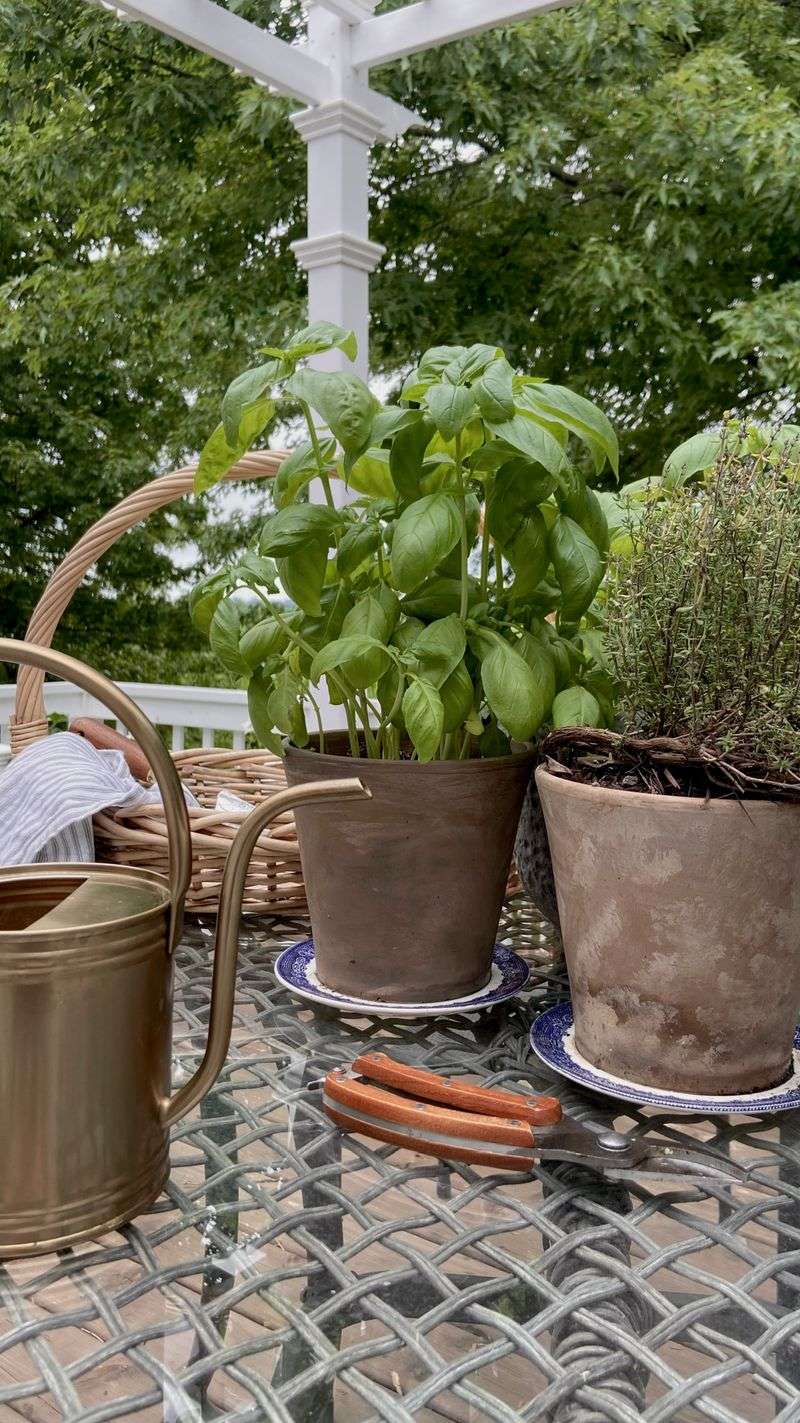
Fall is a good time to start. UF/IFAS lists it, along with spring, as a planting window for basil in Florida.
Set out a nursery transplant and the plant has time to fill in while days are still warm.
Harvest as you cook rather than all at once. Snip a few stems just above a pair of leaves, and the plant will branch out instead of growing tall and leggy.
Flower buds are worth watching, too. According to UF/IFAS, pinching them off directs the plant’s energy toward leaves, which is what you want for the kitchen.
That routine fits a doorway pot well. Each trip in or out is a chance to pinch a bud, check the soil, and take a few leaves for dinner.
Little and often keeps the plant bushy.
One caution: planting in fall does not promise a steady supply all winter. Basil is a warm-season plant, and how long it keeps producing depends on where you live in Florida and what the weather does.
Treat fall as the start of a good run, not a guarantee. Keep a few extra seedlings or a windowsill pot in mind if you cook with basil often.
Prepare for Cold Snaps
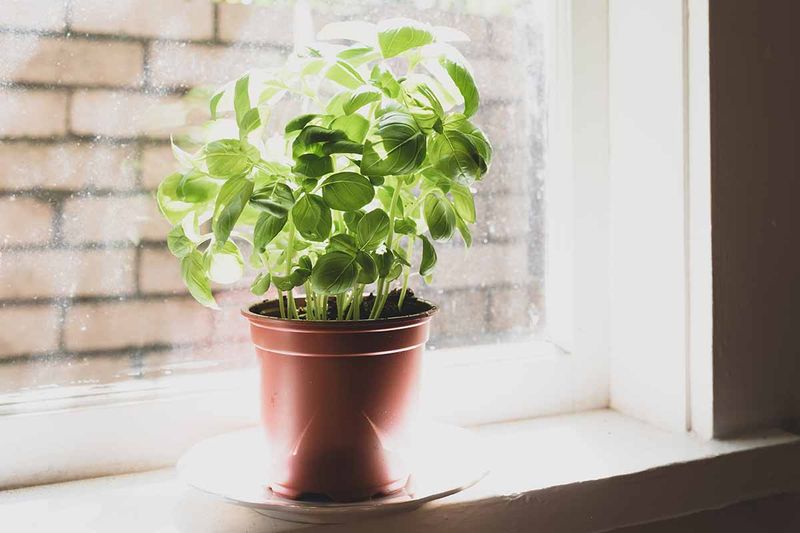
Florida winters are mild in many places, but not uniformly frost-free. A pleasant December week can still be followed by one sharp cold night, and basil does not forgive that easily.
UF/IFAS describes basil as cold-sensitive, and leaves on many varieties can blacken and drop when temperatures fall below 40 degrees F. Your own forecast matters more than the season’s general reputation.
A mild winter overall tells you little about a single cold snap.
This is where a pot helps. You can slide it against a warm wall, under an eave, or indoors for the night.
For general cold-night steps, see UF/IFAS advice on preparing the landscape for cold weather, which covers covering plants and sheltering containers.
Plan ahead. Watch the forecast, water the pot before a cold night, and keep a frost cloth or old sheet handy.
Remove covers when it warms up the next day.
Moving the pot gives you flexibility, not a promise. Even a sheltered plant may be damaged or stop growing, so expect that some winters will cost you leaves or the whole plant.
Basil Is Not a Mosquito Repellent
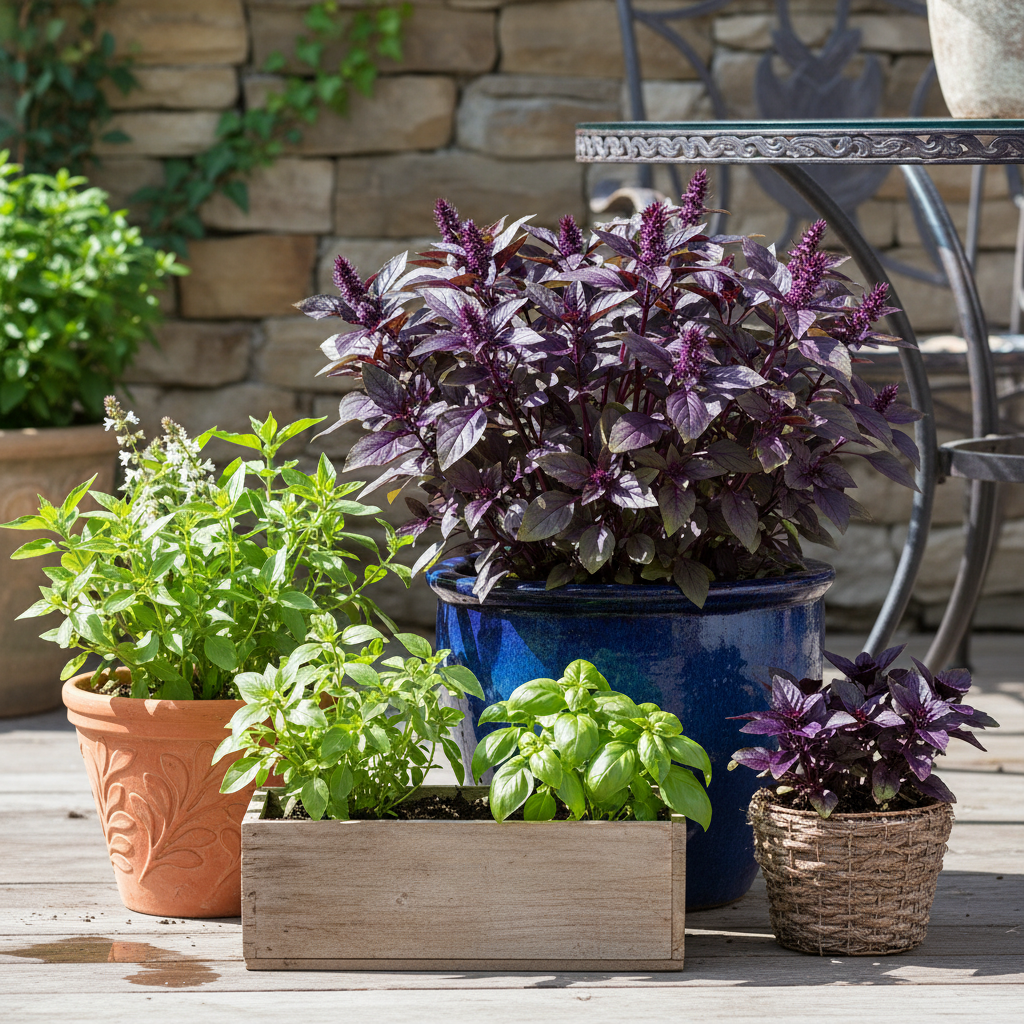
Here is the plain answer: do not count on a living pot of basil to repel mosquitoes or flies. Studies that show plant oils affecting insects are mostly lab tests of oils or crushed material.
Clemson Extension notes that these studies did not test landscape plantings, and scent fades outdoors.
Extension sources agree. NC State Extension says claims that porch plants keep mosquitoes away lack scientifically based test results.
The sources reviewed for this article do not show meaningful protection from a potted plant.
Two jobs are easy to mix up. One is preventing bites, and the other is reducing places where mosquitoes breed.
For bites, CDC guidance recommends EPA-registered repellents, plus door and window screens. It also says the effectiveness of nonregistered repellents is unknown, so do not rub basil leaves or oil on your skin as a substitute.
For breeding sites, remove standing water. Your basil pot matters here.
Use a pot with drainage, and never leave water sitting in the saucer. CDC advises emptying and scrubbing items that hold water weekly, or turning them over, covering them, or discarding them, and that includes flowerpot saucers.
For a wider plan around the home, see UF/IFAS mosquito reduction guidance.
Enjoy the scent, but let screens, repellents, and dry saucers do the real work.
Keep the Promise Practical
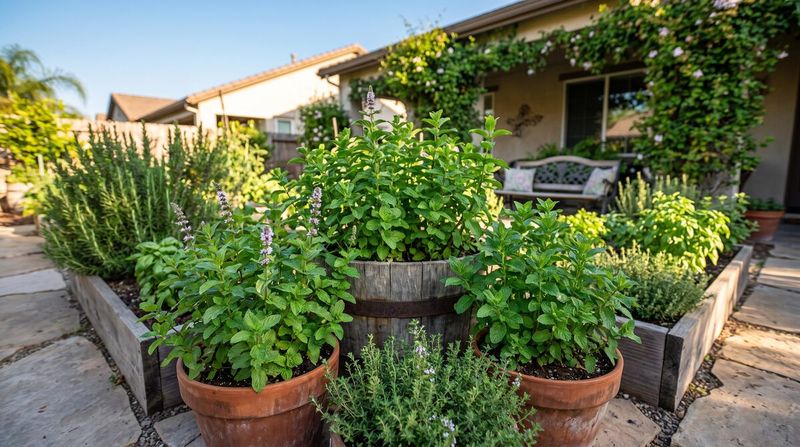
A basil pot by the door earns its spot with fragrance and handy leaves. Whether the plant keeps going depends on your care and on how winter behaves.
UF/IFAS basil advice covers the basics.
For mosquitoes, stick with CDC-backed measures like EPA-registered repellents, screens, and dumping standing water.
Think of basil as a doorstep seasoning shaker that happens to smell wonderful.