
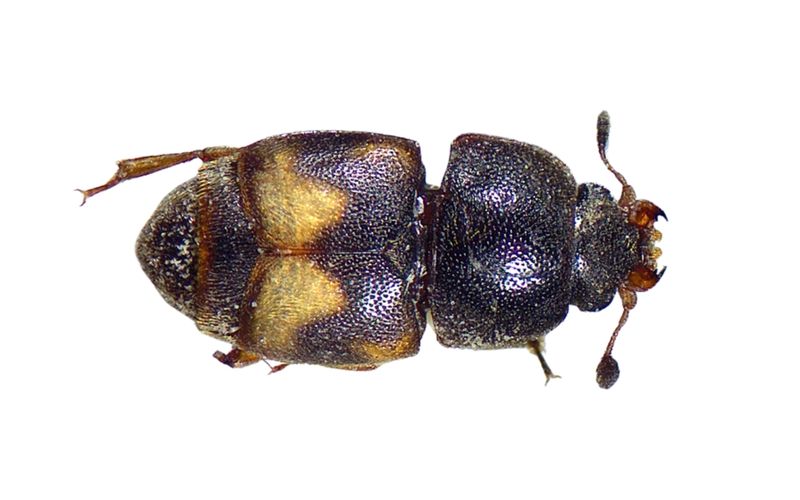
Ever pick a fig that looked perfect outside, then found it sour and mushy inside? Tiny beetles are one likely reason, and they show up as figs get close to ripe.
They are easy to miss because they are smaller than a grain of rice. A few simple habits in your California yard can cut down the trouble, even if they cannot end it.
The likely culprit is not the green figeater
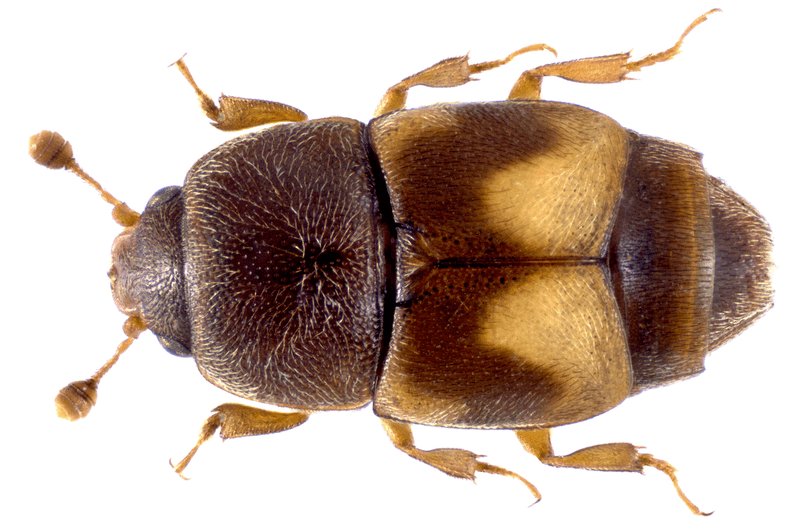
Gardeners often blame the wrong insect. A likely cause of some fig damage is a driedfruit or sap beetle, usually a Carpophilus species.
Adults are brown or black, sometimes with lighter spots, and measure only about 1/10 to 1/5 inch long, according to UC IPM guidance on driedfruit and sap beetles.
Now picture something far bigger. California’s green fruit beetle, also called the figeater beetle, is a flashy metallic-green scarab roughly 3/4 to 1 1/3 inches long.
It chews into maturing soft fruit, and you can usually spot it in plain sight. Its grubs live in decomposing organic matter, not inside figs, as described in UC IPM’s green fruit beetle page.
The two insects behave differently, so their control measures are not interchangeable. If you see a chunky green beetle on a split fig, do not assume tiny sap beetles are responsible, and do not borrow one pest’s advice for the other.
Damage alone cannot confirm the culprit, so look closely at the insects you actually find.
How beetles can contribute to souring
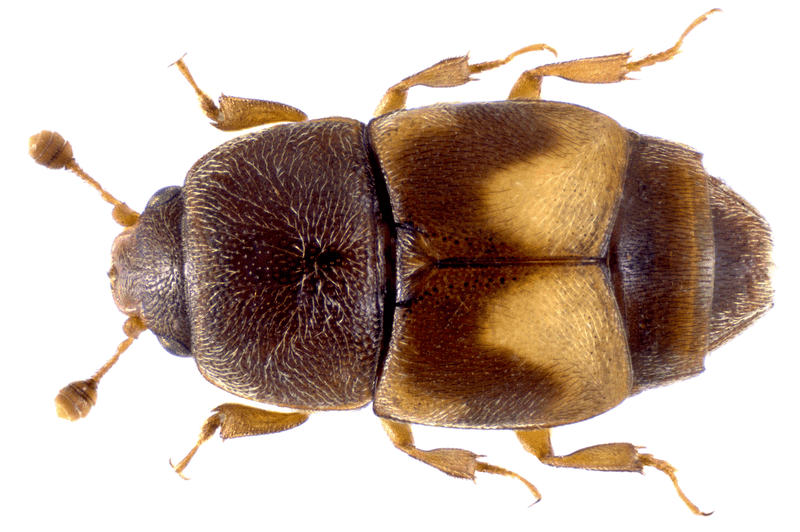
Figs are most vulnerable as they approach maturity. At that stage the fig’s eye, the small opening at the bottom, can let tiny beetles slip inside.
Once there, they feed in the fruit and can carry yeasts and other organisms that cause spoilage.
The result is often souring. Fruit can soften, start to ferment, and break down into a sloppy pulp, a pattern described in UC IPM’s sour rot guidelines for figs.
Ripe or rotting fruit can also support eggs and larvae, so a fig that has started to go bad may attract even more beetles, as noted in UC’s home and landscape pest notes.
Keep in mind that a sour fig is not automatically proof of beetles. And a fig that is mushy inside is not necessarily hollowed out by an insect.
Beetles can infest the inside and contribute to spoilage, but other causes can produce similar symptoms. Check for tiny beetles or small white larvae before you decide what happened.
Other pests can damage figs from within
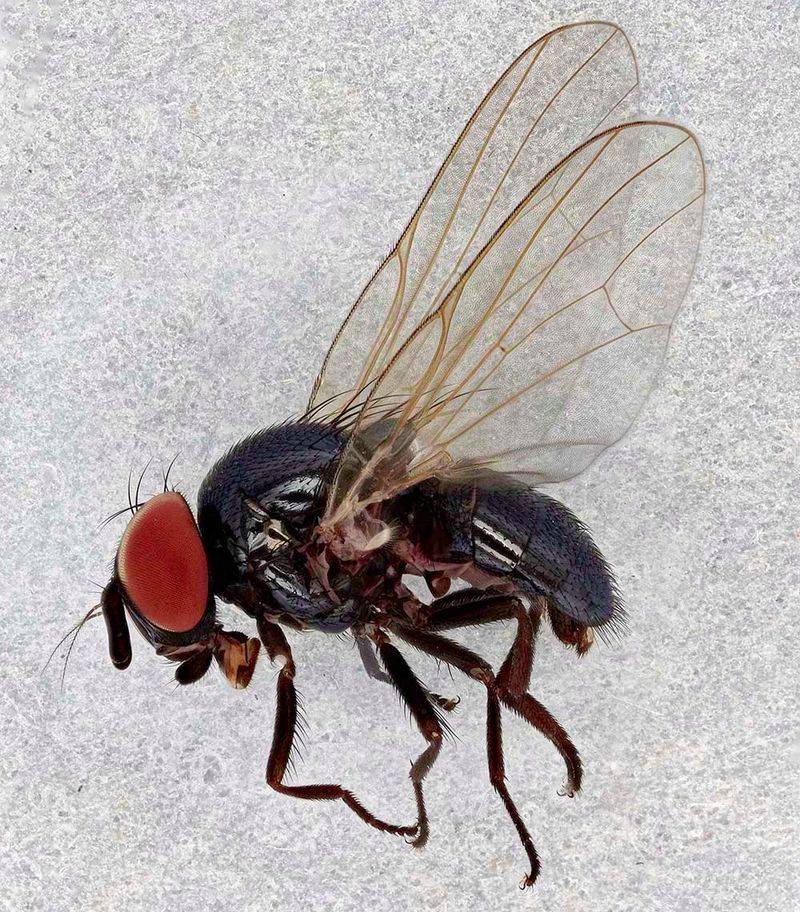
Not every wormy fig comes from a sap beetle. The black fig fly is a separate invasive pest, and its larvae feed inside figs and can cause real damage.
It has been a particular concern in Southern California.
According to UC ANR’s black fig fly article, this fly attacks unripe or unpollinated fruit. UC recommends removing and destroying infested fruit.
So finding larvae in a fig is a clue, not a final answer. If you live in a county where black fig fly is known and you suspect it, contact your local UC Cooperative Extension office.
They can help confirm the pest and explain what to do next.
Harvest ripe figs and remove culls promptly
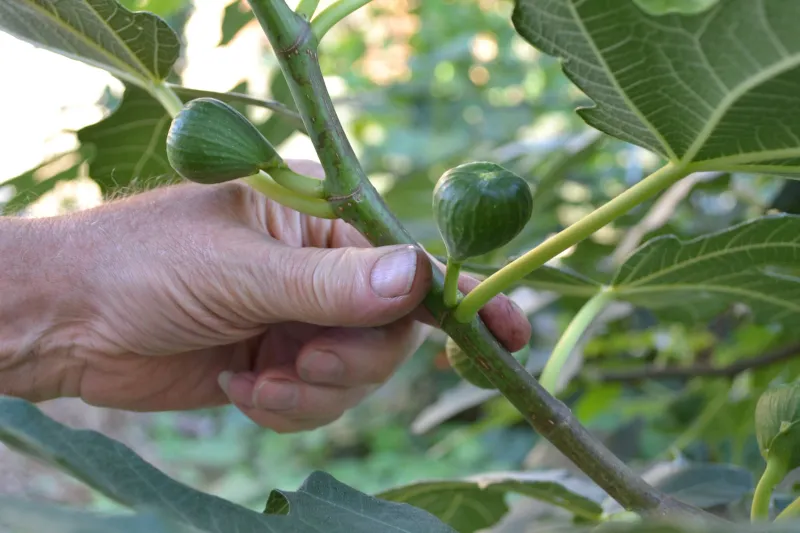
Your best move is also the simplest: pick ripe figs promptly. Fruit left hanging past ripeness gives beetles a place to feed and lay eggs.
UC advice in the driedfruit and sap beetle pest notes points to quick harvest and cleanup as the core response.
Walk the tree and the ground beneath it often during ripening season. Pick up fallen fruit, and remove damaged or leftover figs, including the ones tucked deep in the canopy.
A weekend check can save a lot of fruit.
Do not leave culls in an open pile or bucket. UC Cooperative Extension suggests keeping them in tightly closed garbage cans or bags until disposal, as explained in this UC Cooperative Extension blog post.
Cleanup reduces food and breeding sources, but it is not a guarantee. Beetles have many host plants, and adults can fly in from elsewhere.
Expect fewer problems, not zero.
Try bait trapping only as an added measure
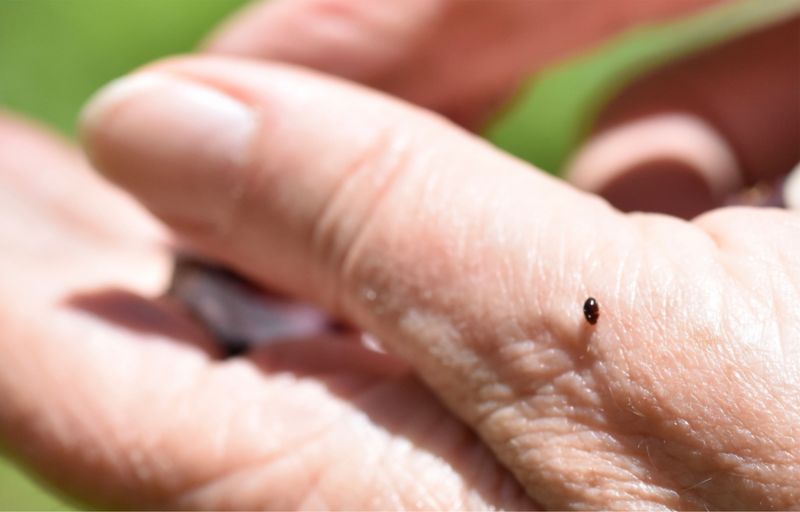
A homemade trap can be an extra tool before the season gets going. UC describes a bait trap using fermenting or cull fruit and water, set up in an inverted-cone container, in its home and landscape guidance.
Beetles are drawn to the smell, crawl in, and have trouble getting out.
Timing matters. UC’s fig guidelines for driedfruit beetles say bait traps may help reduce populations when they are set before ripening begins.
Setting one out after figs are already soft gives beetles a competing meal of your actual crop.
Treat traps as partial help, not a fix. They may lower numbers, but they will not catch every beetle.
Keep picking promptly and cleaning up fruit, and let the trap play a supporting role.
Some varieties may be less affected
If you are planning a new tree, variety can play a role. Figs with smaller eyes tend to be less affected, since there is less of an opening for beetles to use.
UC IPM names Mission as usually less affected in its fig guidelines, and it also notes that Tina appears less susceptible.
Still, no variety is immune. The same guidance states that all commercial varieties are susceptible, and a UC Cooperative Extension blog post makes a similar point about eye size.
Think of variety as a small advantage, not armor. If you already have a favorite tree with a wide-open eye, you do not need to pull it out.
Prompt picking and cleanup matter more for the tree you already own.
A last-minute spray is not a simple fix
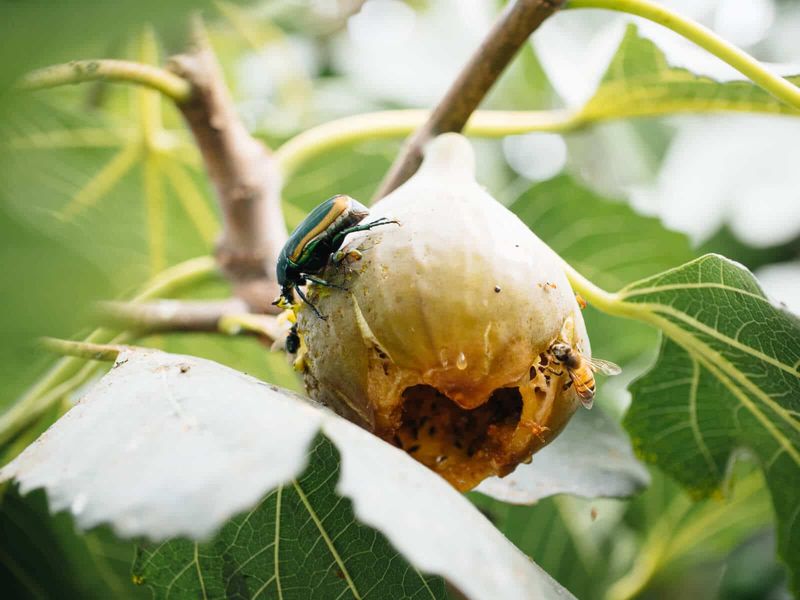
When figs start going sour, reaching for a sprayer is tempting. Unfortunately, sprays may not reach beetles that are already inside the fruit.
Harvest waiting periods can also complicate any treatment when figs are ripening and you want to eat them, as discussed in this UC Cooperative Extension post.
A spray also does not make infested fruit safe or pleasant to eat. A fig that has already soured stays soured.
If you are thinking about any pesticide, start with the product label and follow current California requirements. The state’s Department of Pesticide Regulation community guide explains how labels and rules apply.
For most home trees, cleanup and quick picking are lower-risk starting points.
Focus on steps that reduce risk
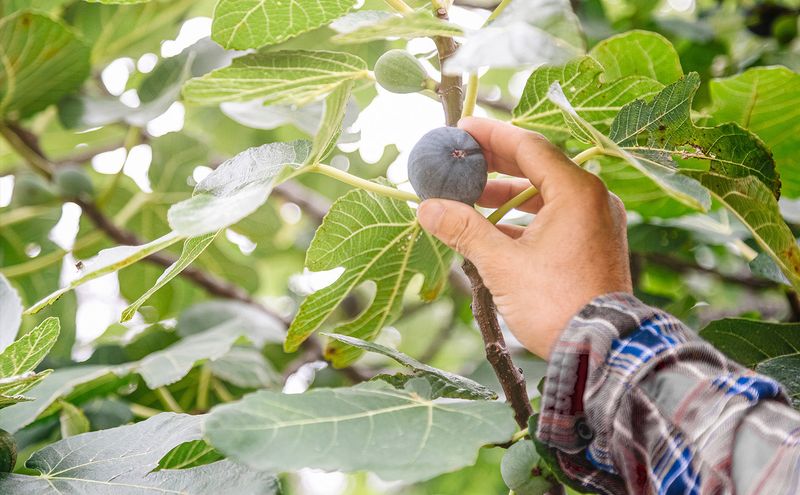
Start with quick picking and a thorough cleanup under the tree. Add a pre-ripening bait trap if you want an extra layer, as suggested in UC’s fig guidelines.
These habits can reduce problems, though some beetles will still find your tree.
A fig tree can feed beetles or feed you, and the difference is often a few days of timing.