
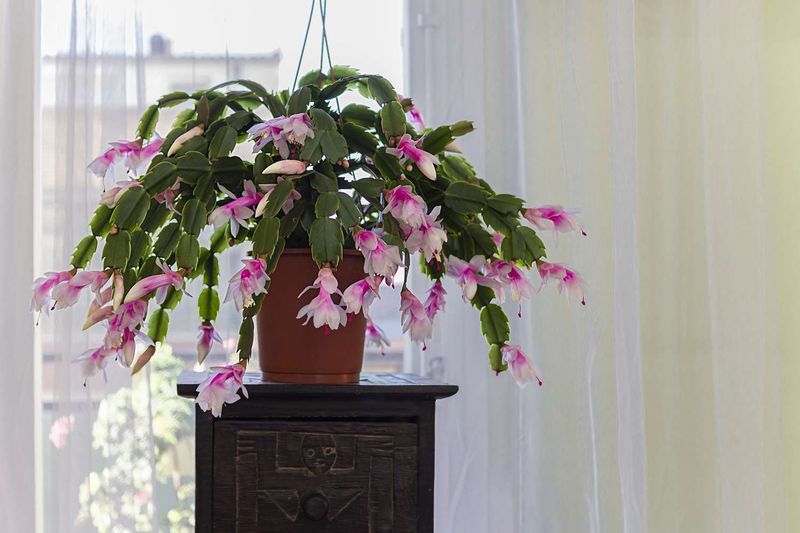
The last flower has dropped, and your Christmas cactus suddenly looks a little plain. What you do next matters, because the weeks after blooming set the tone for a healthy plant.
Many gardeners hear that one easy trick brings the blooms back, but the real story has a few more steps. Here is a practical plan for the months ahead, from the first quiet weeks to the fall nights that get buds started.
What should change after the last flower fades?
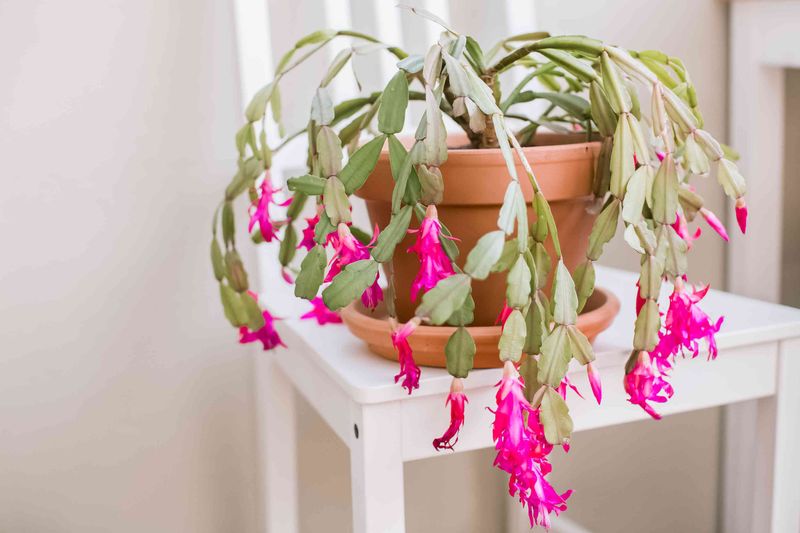
Once the last bloom drops, give the watering can a little less work. Water less often, but do not stop altogether.
Check the potting mix with your finger, and water when the top layer feels dry instead of on a fixed schedule.
Keep this lighter routine going until you spot new growth, usually small, pale green segments at the stem tips. Illinois Extension guidance describes reducing watering after flowering, then returning to regular watering once growth resumes.
At that point, let the mix dry somewhat between waterings, and never leave the pot sitting in a saucer of water.
Some sources suggest a set dry rest, but a fixed stretch with no water is riskier than simply watching the soil. A plant that gets too dry can shrivel, and one that stays soggy can rot.
UF/IFAS also warns against excess water.
This step is good routine care, and it keeps the plant in shape. It does not promise flowers next winter, because those depend on conditions that come later in fall.
A tropical cactus still needs air around its roots
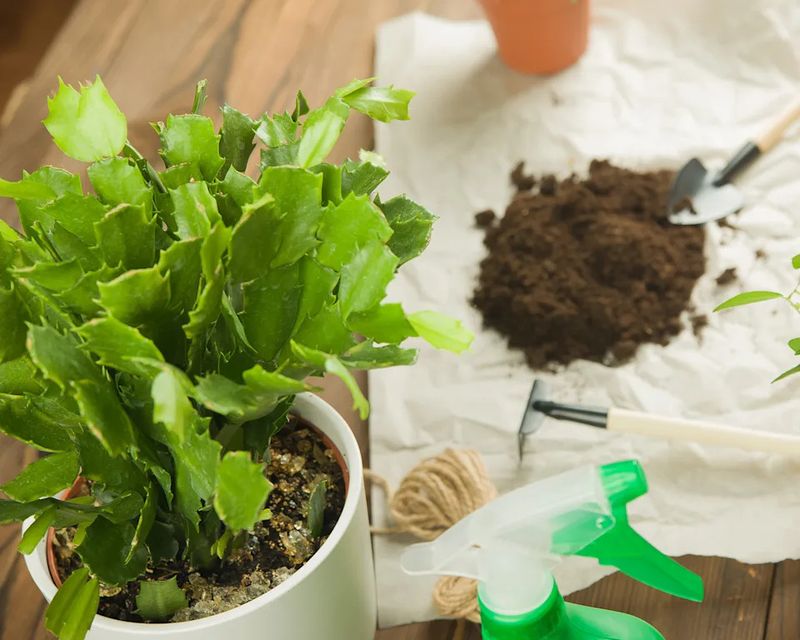
Despite the name, a holiday cactus is no desert dweller. In the wild it grows on tree branches in tropical forests, which makes it an epiphyte.
Its roots like air movement and a mix that drains fast, not a heavy lump of wet soil.
A loose potting blend with some bark or perlite works well, and the pot needs drainage holes. Iowa State Extension describes these plants as tropical rather than desert cacti.
That is why bone-dry conditions are a mistake here.
Soggy, dense soil is the real trouble. When the mix stays wet for long stretches, roots can rot, and the first signs are limp, discolored segments that look thirsty even though the soil is damp.
If you see that, lift the plant out and check the roots for mushy, dark spots.
For light, pick a spot with bright, indirect light, such as a window with a sheer curtain. Illinois Extension also points to bright, indirect light for good growth.
Harsh afternoon sun can scorch the segments.
Pruning can add potential flowering tips
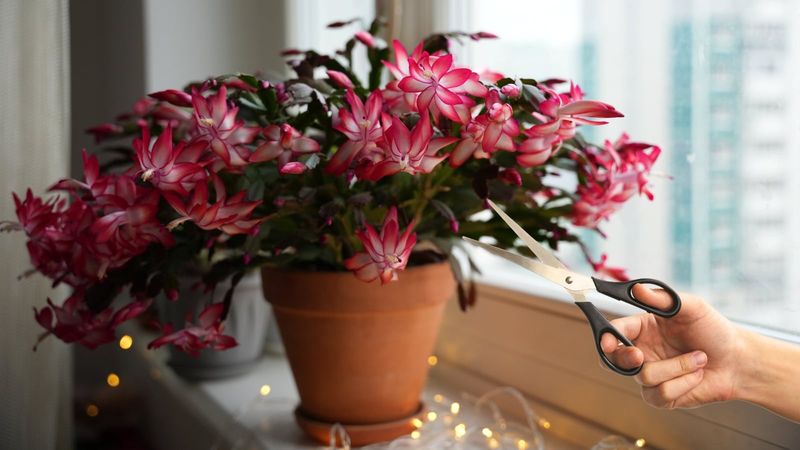
Pruning is optional, but it can make a leggy plant fuller. After the bloom ends, or in late spring and early summer, twist off a segment or two from the stem tips.
Each cut tends to produce branching, so you end up with more tips.
More tips can mean more places for flowers to form. Even so, pruning does not guarantee a heavier bloom, since the plant’s health and fall conditions still play a big part.
UF/IFAS advises against pruning past mid-summer.
Gentle twisting works better than cutting for many gardeners, since the joints separate cleanly. Illinois Extension notes that this kind of trimming after bloom can encourage branching, and the University of Arkansas Extension offers similar advice.
Skip it if the plant looks balanced already. Trimmed pieces can be rooted in moist, well-drained mix if you want extra plants to share with a neighbor.
Fall darkness and cooler nights set the bloom stage
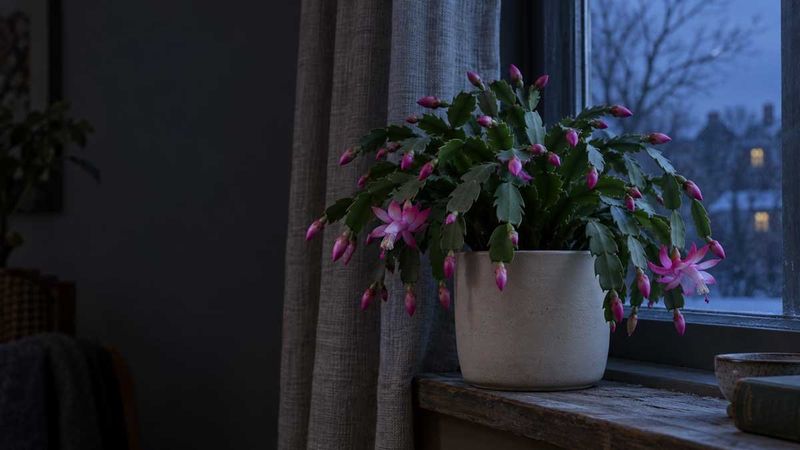
Here is where flowers really get started. In fall, long, uninterrupted nights and cooler temperatures act as the main cues that tell the plant to form buds.
Your gentle watering after bloom supports a healthy plant, but it does not replace these signals.
UF/IFAS says a Christmas cactus typically needs at least 12 hours of darkness. Iowa State says many cultivars need 14 to 16 hours, while some may set buds with 12.
So treat the numbers as a range that varies by source and plant, not one fixed recipe.
Light at night can interfere. A lamp, a hallway light, or a bright television glow may break up the dark period, so choose a spot where nights stay truly dark.
Temperature matters too, and sources give different ranges. Illinois Extension also points to day length and temperature as key cues.
Cooler nights are the general rule, and warm conditions can hold buds back.
Where can a warm Southern home keep the plant?
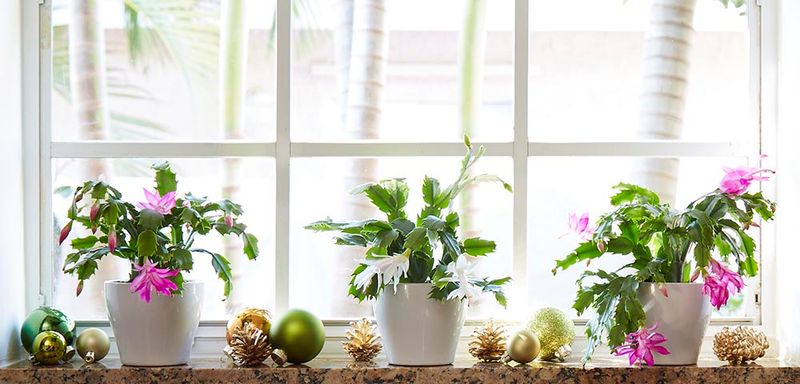
Homes across Florida and Texas vary a lot, so check your own spaces instead of guessing. A room that stays warm into the evening may make it harder for buds to form.
Iowa State notes that temperatures above 70 degrees F can prevent flowering under short days.
Try a cooler, darker room, such as a spare bedroom you rarely light at night. A thermometer left there for a few evenings will tell you more than any rule of thumb.
Florida readers in warmer areas have another option. UF/IFAS says the plant can be grown outdoors where freezing is not a risk.
Choose a spot with bright, indirect light, like under a covered porch or a tree canopy, and keep it out of harsh direct sun.
That outdoor option is for suitable Florida locations only. It does not apply to all of Texas or the wider South, where cold snaps can arrive without much warning.
Bring the plant in whenever a freeze is forecast.
Steady conditions help protect developing buds
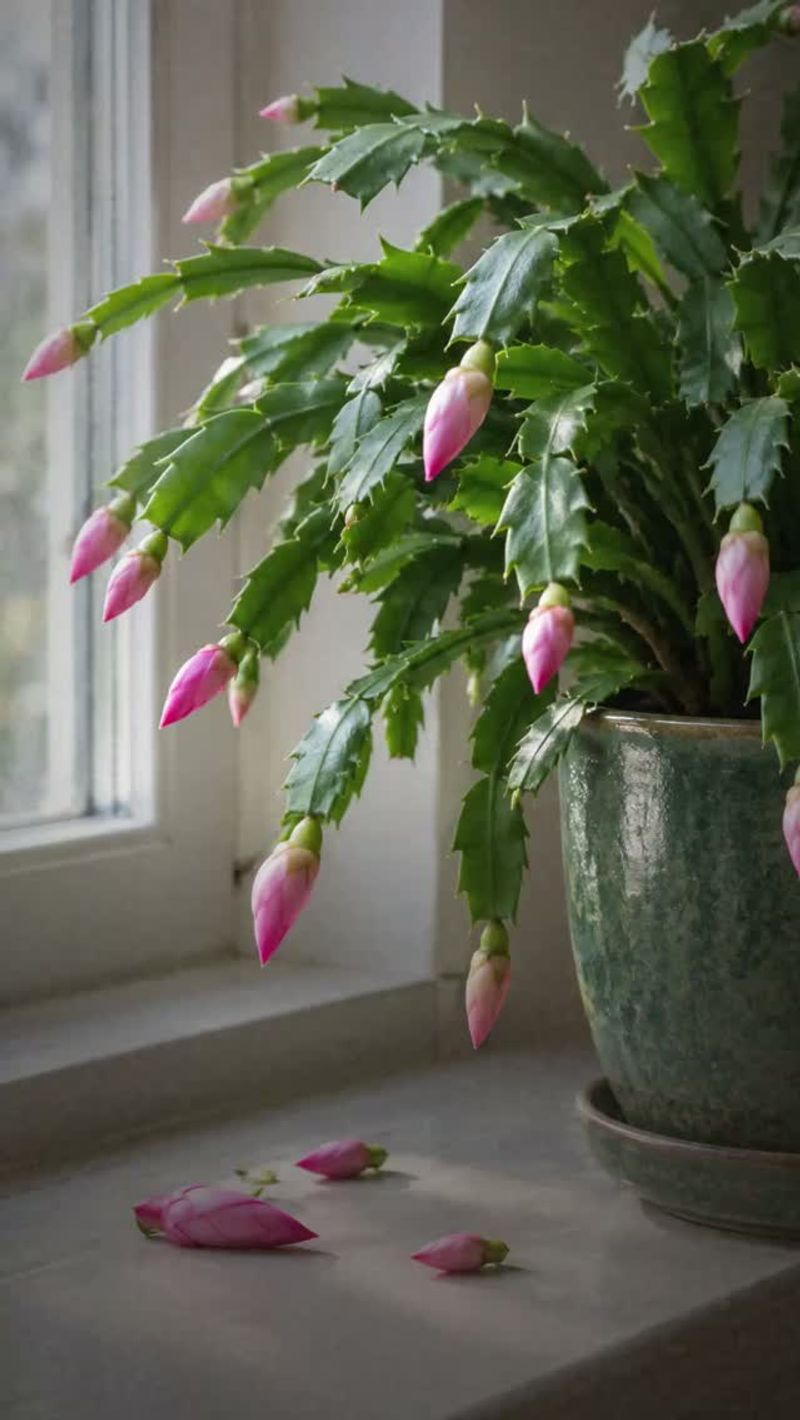
When tiny buds show up on the stem tips, resist the urge to fuss. Sudden changes in temperature, moisture, or location can contribute to bud drop, though they are not the only possible cause.
A plant that gets moved around often may let go of buds it worked hard to make.
Pick a good spot and leave the pot there. Turning it every few days to face the light may seem harmless, but it can add stress, so hold off until blooms open.
Aim for even moisture, not feast and famine. Water when the top of the mix feels dry, and keep the plant away from drafty doors, heating vents, and cold windows.
The NC State Extension article on Christmas cactus care also stresses steady conditions around bud time.
If a few buds drop anyway, check for a recent change before you worry. UF/IFAS recommends bright, indirect light and cautions against too much water.
A gentler watering routine is a start, not a guarantee
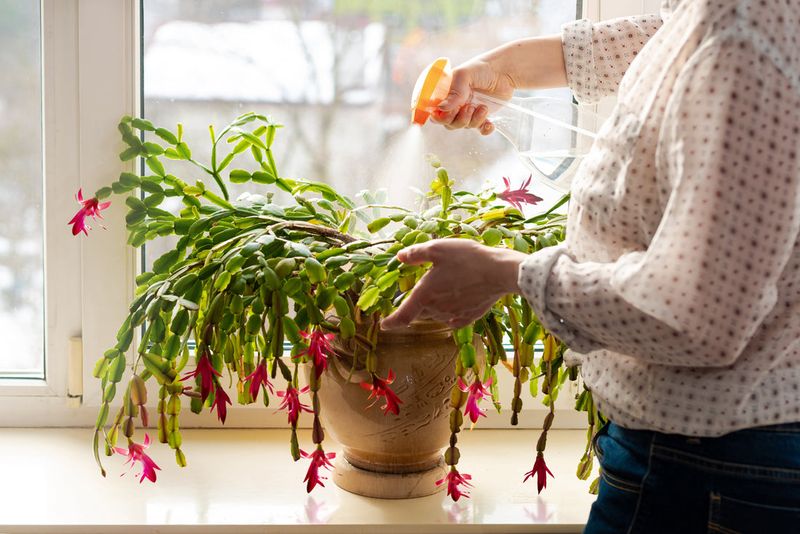
Water less often after flowering, but keep watering, and let the mix dry somewhat between drinks once new growth returns. Then give the plant the long, dark, cool fall nights it needs.
Together, these steps give it a fair chance, though nothing here is a promise.
Timing can also surprise you. As Illinois Extension explains, many plants sold as Christmas cactus are really other holiday cacti, and they can flower at different times.
Your plant may bloom near Thanksgiving, or a bit after the new year.
Think of it as a patient partner, not a calendar item. A healthy plant tends to reward good care sooner or later.