
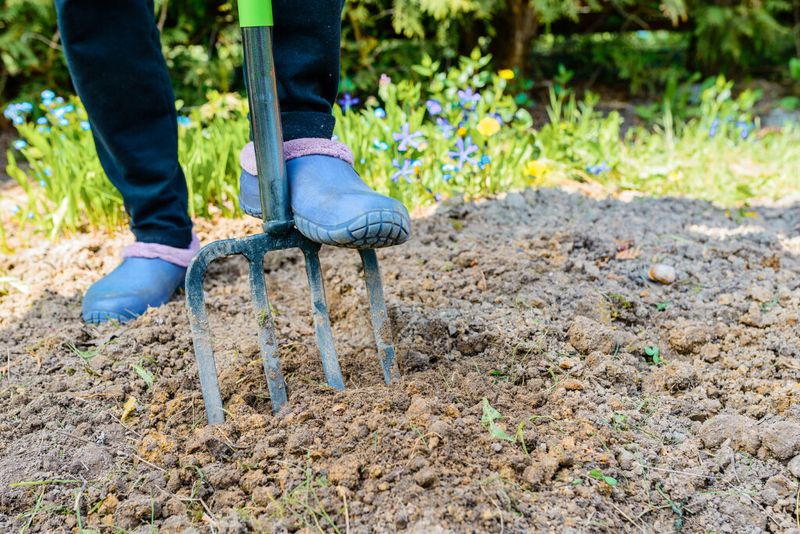
Your herb bed may look quiet this winter, but under the soil, three plants are still on the move. Garlic chives, mint and lemon balm keep spreading through runners, roots and dropped seeds while you are busy indoors.
In the South, where winters stay mild, they hardly slow down at all. A few hours with a garden fork right now can save your tomato and pepper beds from a spring takeover.
1. Mint Runners Under the Mulch
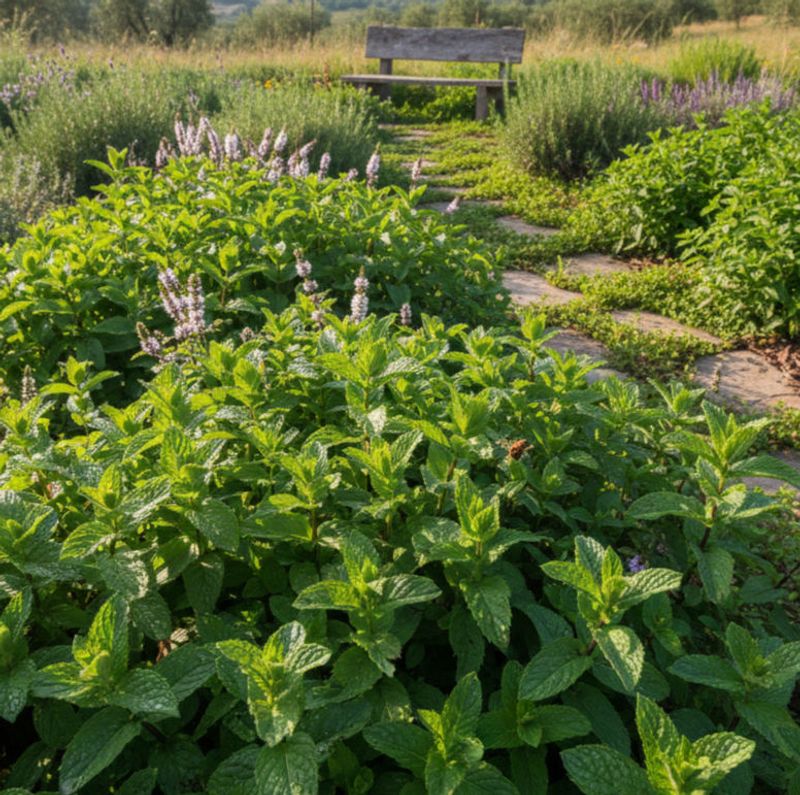
Pull back a handful of mulch near any mint patch and you will likely find white, spaghetti-like stems racing sideways. Those are stolons and rhizomes, and they can travel a foot or more in a single mild season.
In Florida and South Texas, mint rarely goes fully dormant, so the spreading never really stops.
Start by loosening the soil with a garden fork about 18 inches beyond the visible plants. Lift gently instead of yanking, because every broken piece left behind may sprout a new plant.
Follow each runner back toward the mother clump and pull it out whole when you can.
Check the edges of nearby beds, paths and even under landscape fabric. Mint loves to sneak under borders and pop up in your pepper rows come March.
A quick sweep now often prevents hours of weeding later.
Once you finish, keep just one healthy clump for the kitchen. Many gardeners pot it up or sink a bottomless bucket around it to slow future escapes.
Mint still wants out, so plan to check again in late winter before your spring transplants go in.
2. Garlic Chive Seed Heads
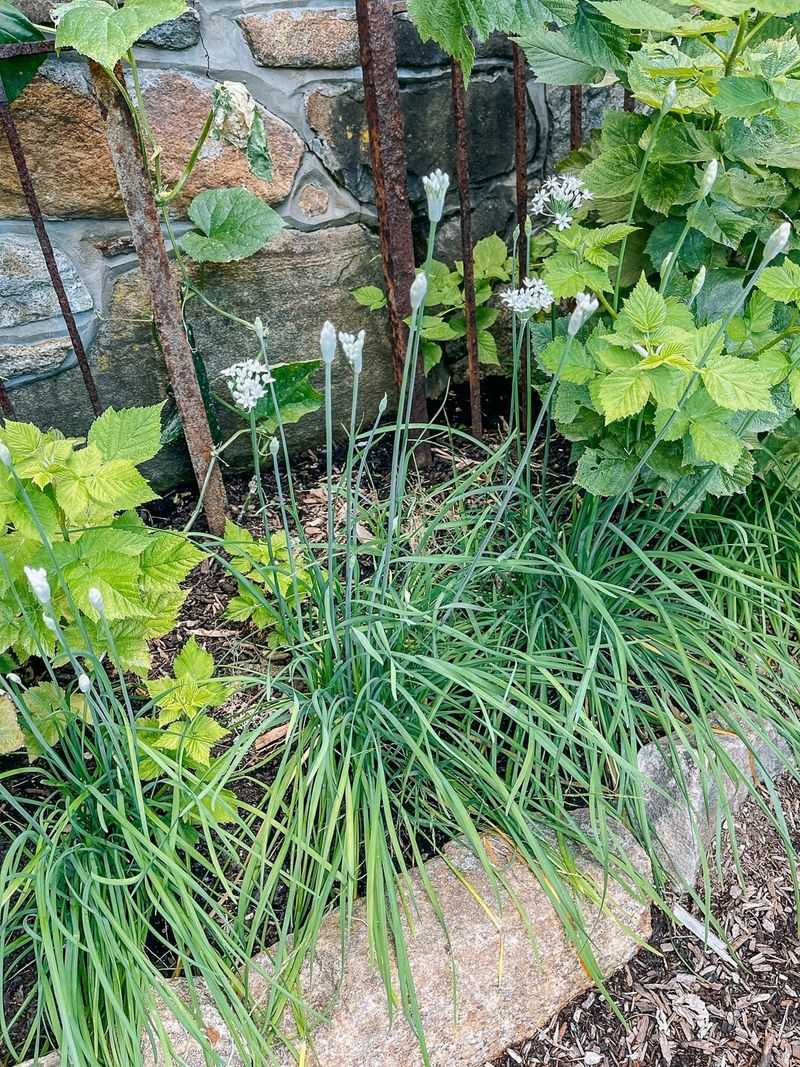
Remember those pretty white flowers garlic chives put out in late summer? Each one turned into a cluster of shiny black seeds, and many of them have already dropped into your beds.
Unlike mint, garlic chives spread mostly by seed, plus slowly widening bulb clumps.
Walk your garden and snip off any dried seed heads still standing. Bag them instead of tossing them on the compost pile, since home compost often does not get hot enough to kill seeds.
Shake as little as possible while cutting.
Next, look for tiny grass-like seedlings with a flat, slightly folded leaf. They can look a lot like weeds or young onions, so crush a leaf and sniff.
A garlicky smell gives them away.
Hand-pull seedlings while the roots are still shallow. Wait until spring and they may form small bulbs that snap off and stay behind.
Moist soil after a winter rain makes this job much easier.
For next year, the simplest fix is cutting flowers right after they fade. You still get the blooms for pollinators, just without thousands of volunteer plants sprouting between your lettuce and carrots.
3. Lemon Balm Volunteers
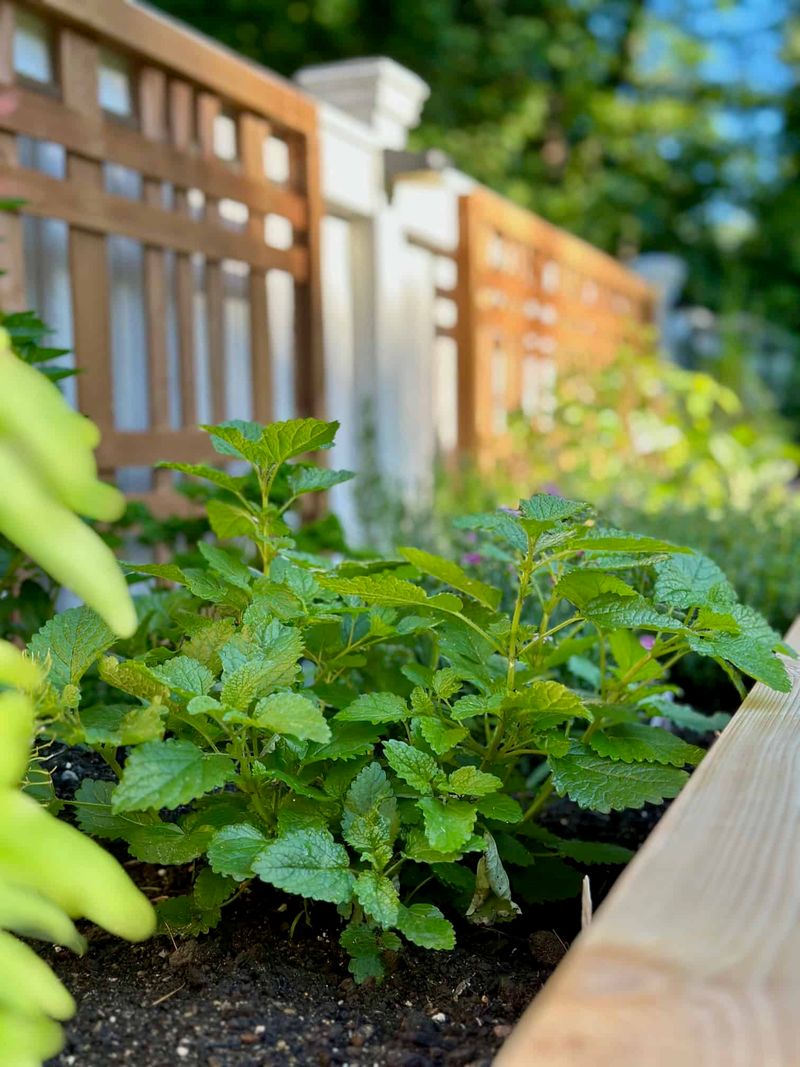
Lemon balm has a sweet reputation, but it behaves like a sneaky houseguest. It belongs to the mint family, yet it spreads mostly by seed rather than long runners.
One mature plant can scatter seedlings several feet away.
Winter is a handy time to spot them. The young plants have crinkled, heart-shaped leaves and a lemony scent when rubbed.
In mild Southern winters, they often stay green while other weeds fade, which makes them easy to find.
Use a hand trowel to lift each volunteer with its root ball intact. Older clumps can develop a woody crown and fibrous roots, so dig around them fully rather than pulling the tops.
Any crown pieces left behind can regrow.
If you love the herb, pot up a couple of the strongest seedlings for friends or the patio. Containers are a calmer home for lemon balm anyway, especially near vegetable beds.
To slow seeding next year, shear the plant back hard once it starts to flower in summer. You may lose a few blooms, but the leaves taste better and your garden stays much tidier.
4. Why Mild Southern Winters Make It Worse

Gardeners up north get a free break every winter. Hard freezes stop mint cold and knock back seedlings for months.
Across much of Texas and Florida, that pause is short or missing entirely.
Soil in Zones 8 through 10 often stays warm enough for roots to keep growing. Mint runners can push forward on any sunny week, and lemon balm seedlings germinate after winter rains.
Garlic chives quietly fatten their clumps underground.
Moisture adds fuel. Winter fronts bring steady rain to much of the Gulf Coast, and damp soil is exactly what spreading roots like.
By the time you prep beds for tomatoes in February, an aggressive herb may have doubled its territory.
Here is the upside. Cooler weather also makes digging pleasant, and soft, rain-soaked soil releases roots more cleanly than baked summer ground.
You will not be fighting heat while you work.
Think of winter as your best window rather than downtime. A weekend spent clearing runners now can mean a cleaner start for spring cucumbers, peppers and squash, without herbs crowding their roots or stealing water.
5. Tools That Make Digging Easier
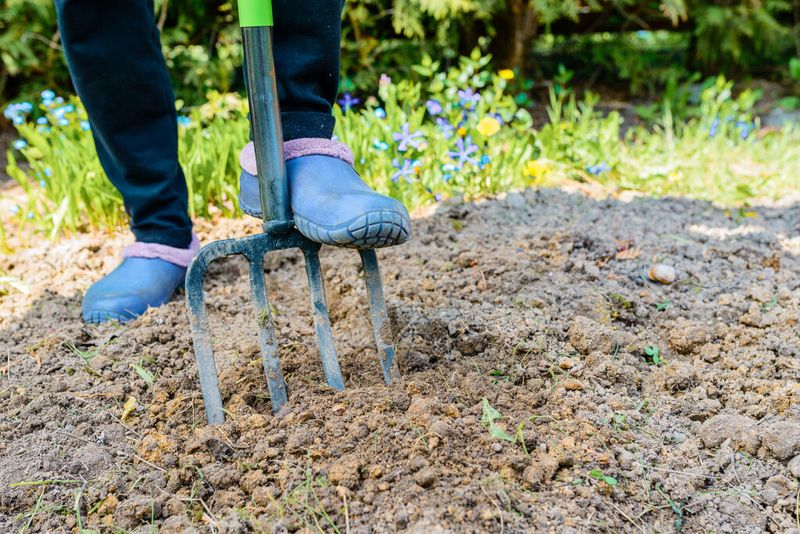
A good garden fork is the hero of this job. Shovels slice runners into small pieces, and each piece can become a new plant.
Forks lift the soil and let roots slide out in longer strands.
Add a hori hori knife or narrow trowel for close work. These help you pry out lemon balm crowns and garlic chive clumps tucked against vegetable plants you want to keep.
A sturdy pair of gloves will save your hands from mint’s tough roots.
Keep a bucket or yard bag beside you at all times. Dropping runners on the path almost guarantees a few will take root.
Bag them and send them out with yard waste, or dry them in the sun until they are crispy before composting.
A soil sieve can be surprisingly useful in small raised beds. Toss a few shovelfuls through it and catch tiny root bits you would otherwise miss.
Finally, grab a few garden markers. Flag spots where you pulled heavy growth so you know where to recheck in four to six weeks.
That follow-up visit is often what finally wins the battle.
6. Protecting Your Vegetable Beds
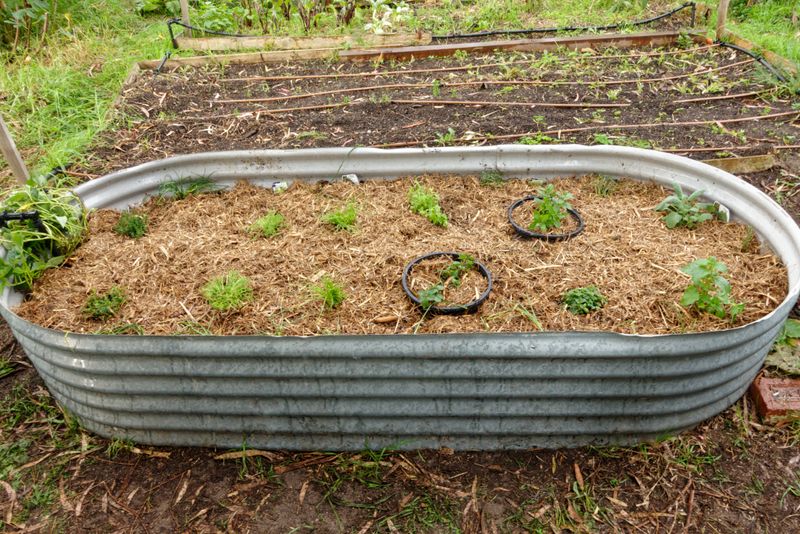
Picture a young tomato transplant trying to grow through a mat of mint roots. It has to fight for water, nutrients and space before it even sets a flower.
Spreading herbs can quietly weaken the crops you care about most.
Clearing runners is step one, and blocking their return is step two. Root barriers made of metal or thick plastic edging, sunk at least 10 to 12 inches deep, may help slow mint from crossing into vegetable rows.
They are not perfect, since runners sometimes hop over the top.
Leave a clear strip of bare or mulched soil between herb areas and veggie beds. A gap of a foot or two makes escaping roots easier to spot and pull.
Many Southern gardeners move mint and lemon balm into large containers set on pavers. Keep pots off bare soil, because roots can escape through drainage holes into the ground below.
Garlic chives can stay in beds if you deadhead faithfully. Planted along a border, they may even help confuse some pests with their strong scent, though results vary from garden to garden.
7. A Late Winter Recheck Plan
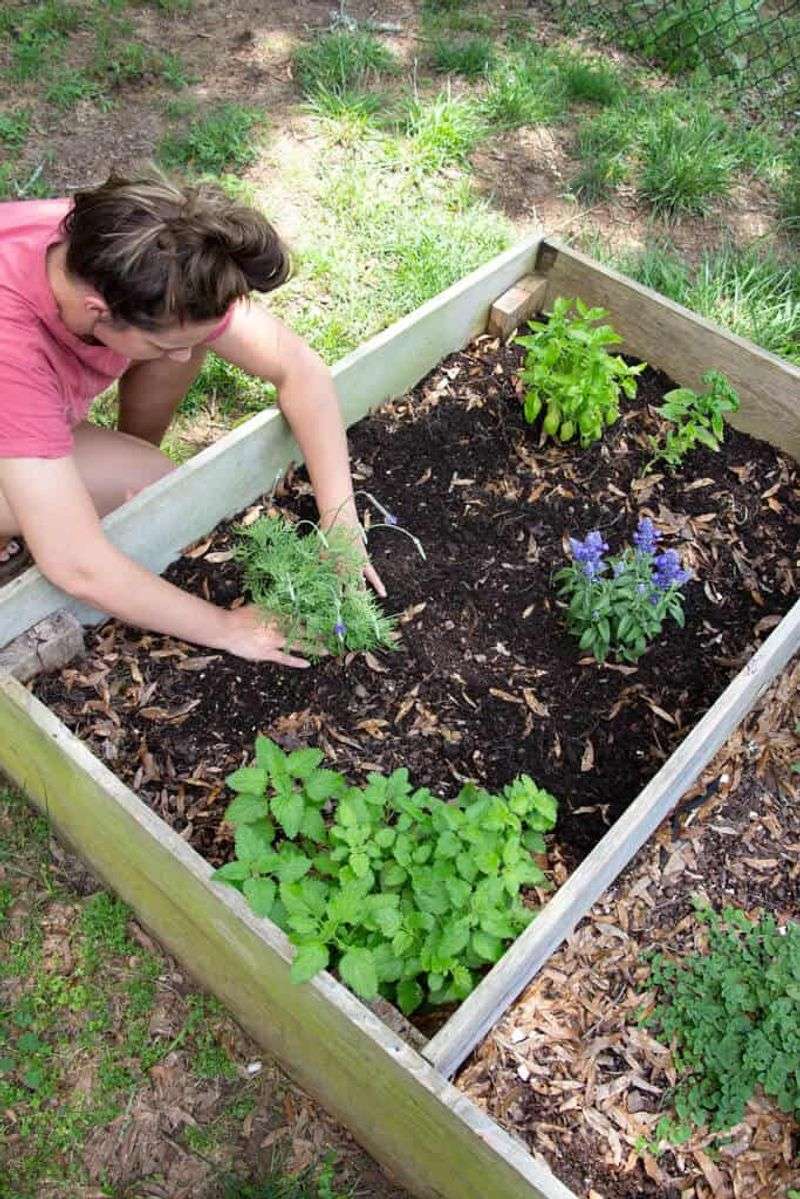
So you dug everything out in December. Wonderful, but expect a few stragglers.
Even careful gardeners leave behind small root pieces, and some seeds wait weeks to sprout.
Set a reminder for late January or early February, about a month before spring planting in most of Texas and Florida. Walk each bed slowly, looking for fresh mint shoots, lemony seedlings and grassy chive sprouts.
New sprouts pull out easily at this stage because their roots are tiny. Wait until April and they may already be sending out fresh runners of their own.
While you are out there, add a fresh layer of mulch over cleared areas. Two to three inches of shredded leaves or pine straw can help smother small seedlings and keep the soil moist for your spring crops.
Keep notes on which beds gave the most trouble. Patterns often show up quickly, like mint always reappearing near a leaky spigot or lemon balm favoring a shady corner.
Fixing those spots, or simply moving the herbs to pots, can make next winter’s cleanup a short, easy chore instead of a weekend project.