
When the first cool front rolls through Central Texas, people throw open the windows and break out the jackets. Plenty of small creatures notice the chill too, and some of them carry venom.
Scorpions, spiders, centipedes, and even the odd snake start hunting for warm, sheltered spots, and your house can look like the best deal in town. Knowing who is likely to show up, and where, helps you keep your family safe without panicking over every crawling thing.
1. Striped Bark Scorpion
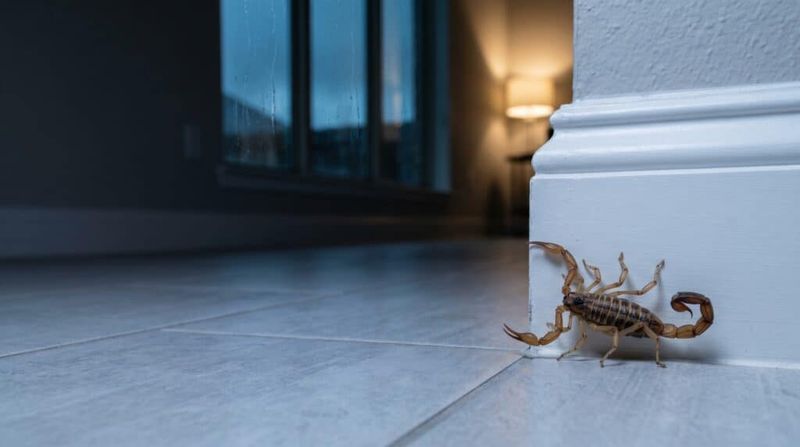
Ask any Hill Country homeowner about fall surprises, and the striped bark scorpion usually comes up first. It is the most common scorpion in Texas, tan with two dark stripes down its back, and it is a skilled climber that can scale walls and slip through gaps barely wider than a credit card.
Cool nights push these scorpions toward attics, wall voids, and bathrooms, where moisture and insect prey are easy to find. Many people discover them in bathtubs, sinks, or shoes left on the floor.
A sting hurts a lot, often like a hornet sting or worse, but serious reactions are uncommon in healthy adults.
Small children, older adults, and anyone with allergies should get medical advice after a sting. To cut down on visitors, seal gaps around doors and plumbing, move firewood and rock piles away from the foundation, and shake out shoes before slipping them on.
A cheap blacklight helps too, since scorpions glow a bright blue-green under UV at night.
2. Brown Recluse Spider
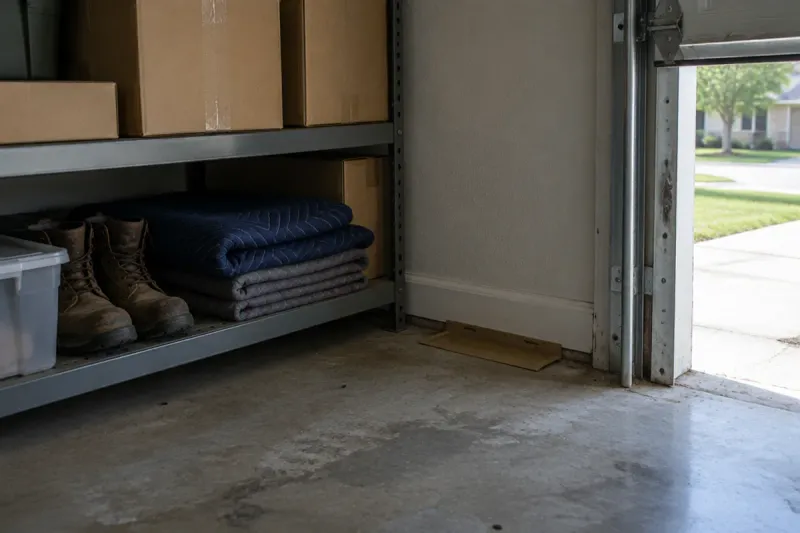
Picture a cardboard box of holiday decorations that has not been touched since last January. That quiet, undisturbed space is exactly the kind of place a brown recluse loves, and fall is when Texans start digging through garages and closets.
Brown recluses are light to medium brown with a dark violin shape on the front of the body and six eyes instead of the usual eight. They are shy and bite mostly when pressed against skin, like when you pull on a glove or roll over in bedding.
Most bites heal without major trouble, though some can cause a slow-healing wound.
Store items in sealed plastic bins rather than cardboard. Keep beds away from walls and shake out clothes that have been sitting in storage.
Sticky traps along baseboards may help you figure out whether you have a few strays or an established population.
3. Southern Black Widow
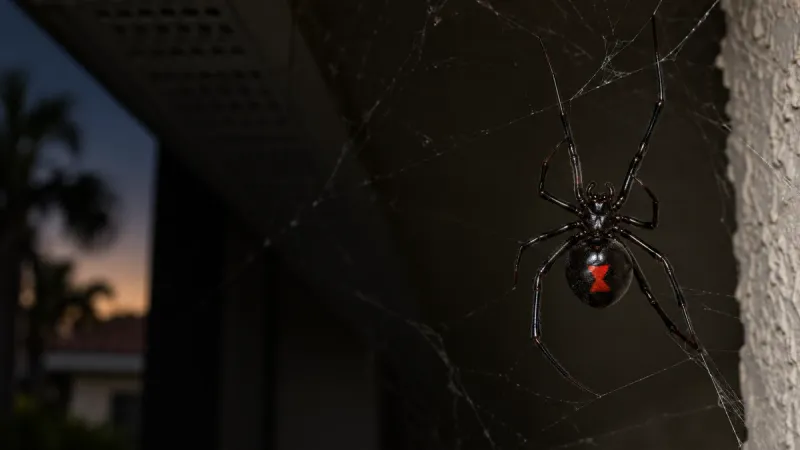
Glossy, jet black, and marked with a red hourglass underneath, the female southern black widow is one of the easiest venomous spiders to recognize. She is also one of the most misunderstood.
Widows rarely wander deep into living spaces. Instead, cooler weather tends to bring them closer, into garages, meter boxes, sheds, pool equipment, and the undersides of patio furniture you are about to bring inside for winter.
Their messy, tangled webs sit low and close to the ground.
Bites are rare, but the venom affects nerves and can cause strong muscle pain and cramping, so seek care if bitten. Wear gloves when moving stored pots, firewood, or outdoor cushions.
A long-handled broom clears webs safely from corners before you reach in.
4. Texas Redheaded Centipede
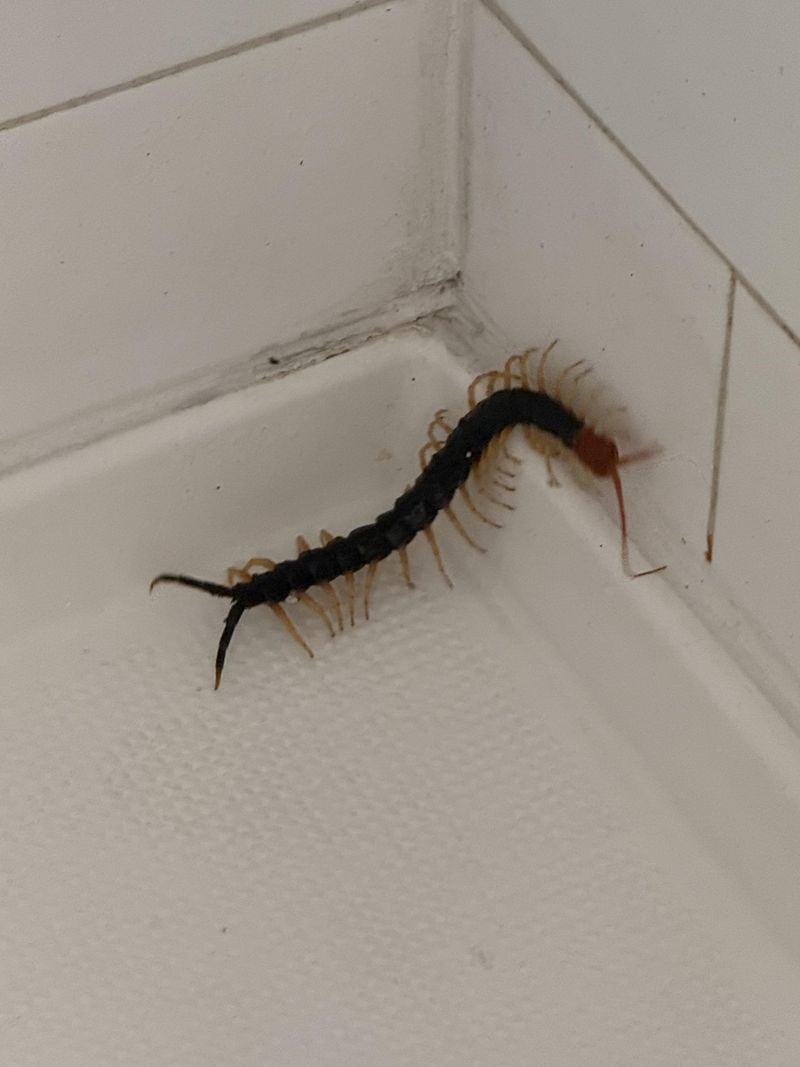
Few things will make you jump faster than a six-inch centipede racing across the kitchen floor. The Texas redheaded centipede, also called the giant desert centipede, has a red head, a dark blue or black body, and bright yellow legs.
Those front legs are actually modified fangs that deliver venom. A bite can be very painful with local swelling, though it is rarely dangerous for adults.
Fun fact: these centipedes eat scorpions, lizards, and even small mice, so outdoors they are pest control on legs.
Indoors is another story. They slip in under doors and through weep holes when evenings chill, often heading for damp laundry rooms.
Door sweeps, dehumidifying problem rooms, and clearing leaf litter from the foundation can reduce encounters. Use a container or a broom, not bare hands, to escort one outside.
5. Southern Flannel Moth Caterpillar (Asp)
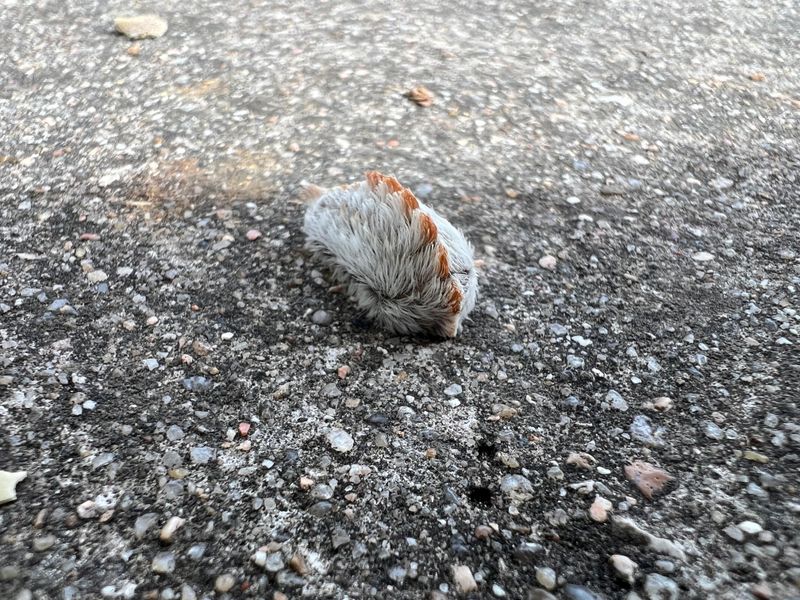
It looks like a tiny fuzzy toupee, almost cute enough to pet. Please do not.
The asp, or puss caterpillar, hides venomous spines under that soft hair, and its sting is known for intense, radiating pain.
Asps peak in Texas during fall, and they often crawl onto brick walls, door frames, and playground equipment. Some get carried inside on firewood, potted plants, or clothing.
Kids are most at risk since the caterpillar invites a touch.
Teach children to look but never handle fuzzy caterpillars. If someone is stung, gently pressing tape on the area may help pull out spines, and an ice pack can ease pain.
Seek medical care for severe reactions. Check potted plants carefully before moving them indoors for winter.
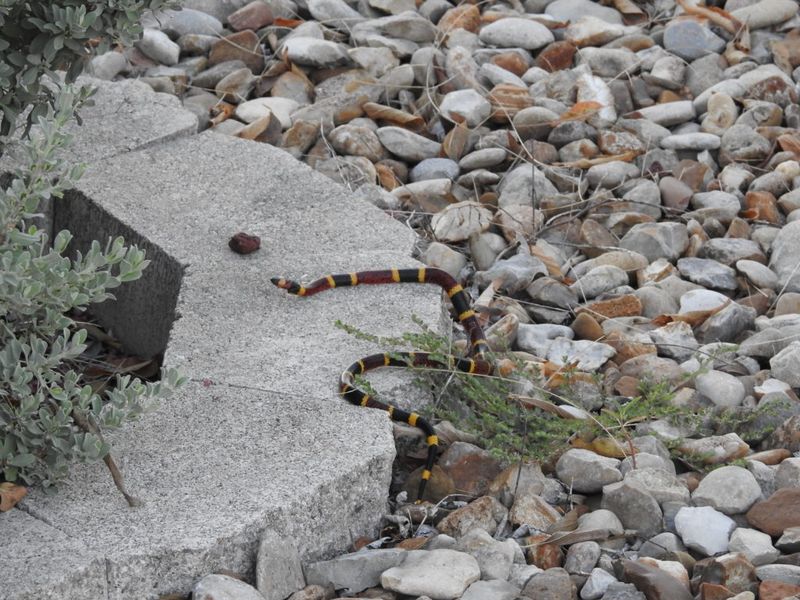
6. Texas Coral Snake
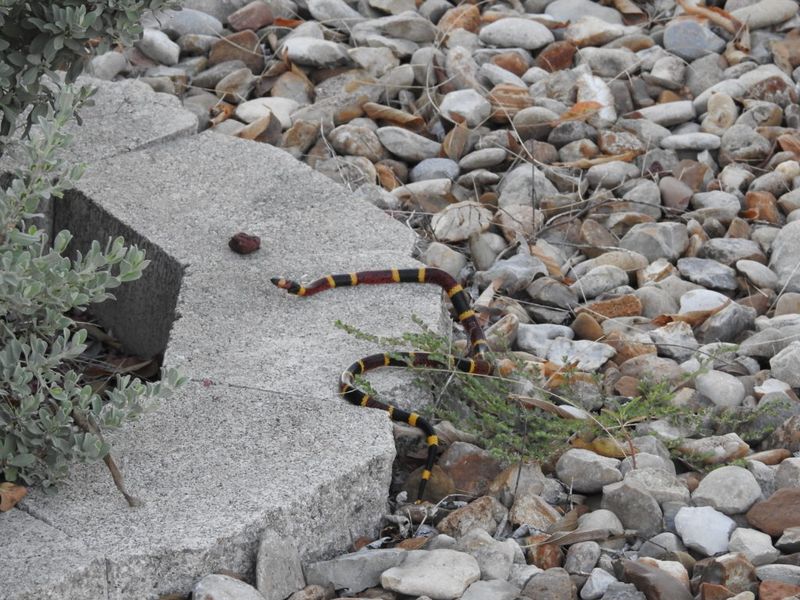
Most snakes slow down as temperatures fall, but the Texas coral snake can stay active on mild autumn days. Bright red, yellow, and black bands make it stand out, and red touching yellow is the classic way Texans separate it from harmless milk snakes.
Coral snakes are secretive and spend much of their time under leaves, mulch, and debris. Once in a while they slip into garages, utility rooms, or homes through gaps under doors, especially in neighborhoods next to greenbelts.
Bites are uncommon and usually happen when someone picks one up. The venom is serious, though, so get to an emergency room right away if bitten.
Keep mulch and leaf piles away from doors and add door sweeps. If you spot one inside, keep pets and kids clear and call a wildlife removal pro.
7. Western Diamondback Rattlesnake
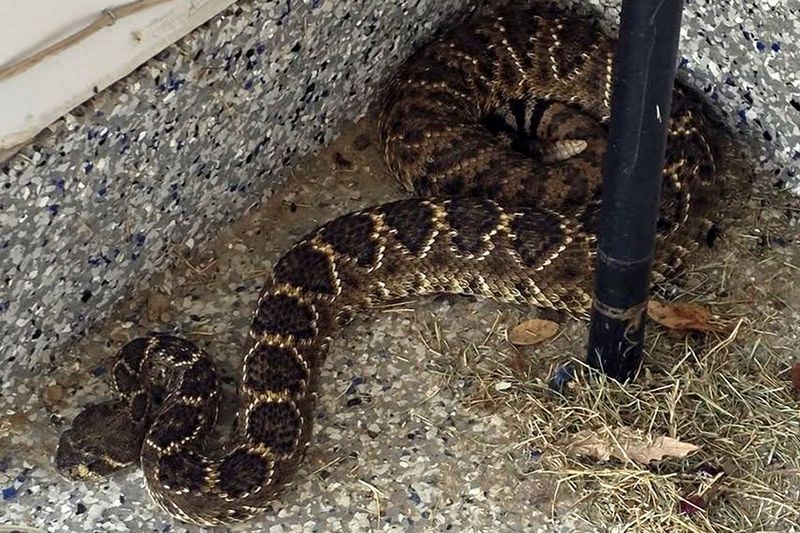
True confession from plenty of Hill Country residents: the scariest fall find is not inside the living room but in the woodpile right by the back door. Western diamondbacks rarely enter homes, yet they do drift toward garages, sheds, and stacked firewood as they look for winter dens.
Rodents also move closer to houses when it cools off, and rattlesnakes follow the food. You may hear the rattle first, but not always, so it pays to stay alert.
Stack firewood on racks well away from the house, and wear sturdy gloves and boots when gathering it. Control rodents around feed, birdseed, and trash.
If a rattlesnake turns up in your garage, back away slowly and call animal control or a snake relocation service rather than trying to handle it yourself.