
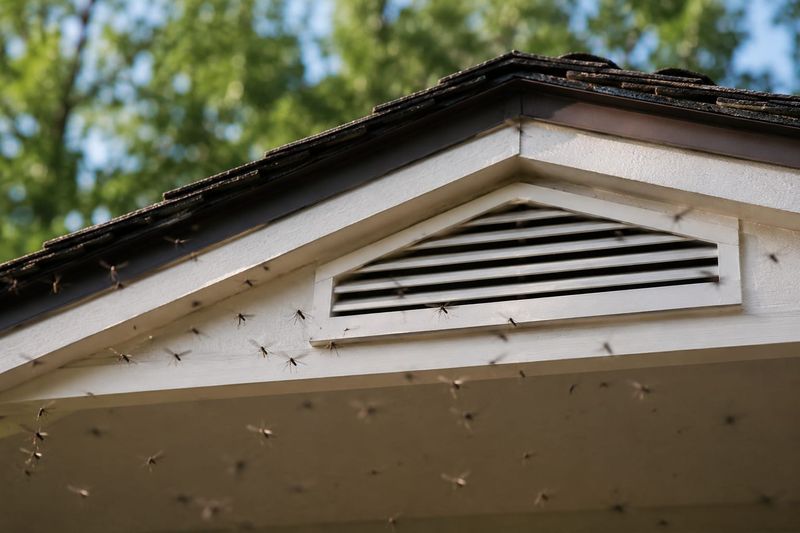
When the first cool snap hits, you might spot dozens of brown, shield-shaped bugs soaking up sun on the south side of your house. Those are brown marmorated stink bugs, and they are scouting for a warm crack to spend the winter in.
Once they slip inside, they hide in walls and attics, then wander out on warm days and leave a nasty smell when squished. The good news is that a few hours of sealing the right gaps can keep most of them outside where they belong.
1. Window Frames and Screens
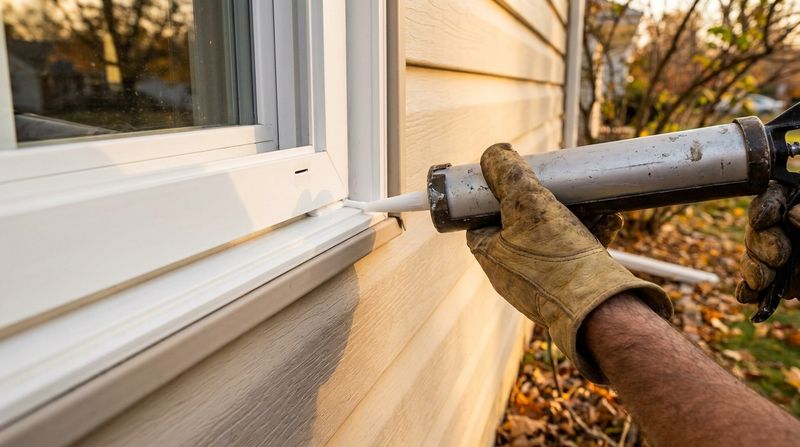
Picture a warm November afternoon in Texas, and the bugs lined up along your bedroom window like they are waiting for a bus. Windows on the south and west sides soak up the most heat, so stink bugs naturally collect there first.
Start by checking the caulk where the frame meets the siding. Old caulk shrinks, cracks, and pulls away over a few summers of Southern heat.
Scrape out loose bits and run a fresh bead of exterior silicone or polyurethane caulk along the seam.
Screens deserve a close look too. A small tear in one corner is plenty of room for an adult stink bug, which is only about five-eighths of an inch long.
Patch kits are cheap and take minutes to apply, or you can replace the mesh entirely if it is brittle.
Also check the gap between the sash and the frame when the window is closed. If you can slide a credit card through, a bug can likely squeeze in as well.
Self-adhesive foam weatherstripping often closes that space nicely.
Windows may seem like a small job, but they are usually the busiest entry point, so tackling them first can make a noticeable difference.
2. Door Sweeps and Thresholds
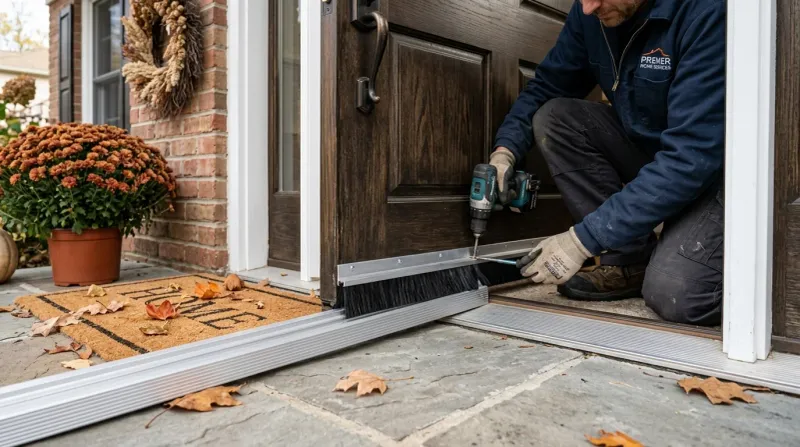
Here is a quick test you can do tonight. Turn off the inside lights, stand by your front door, and look for daylight peeking underneath.
If light gets through, so can stink bugs.
Worn door sweeps are one of the most overlooked gaps in a home. Rubber and vinyl sweeps crack and flatten over time, especially on doors that face hot afternoon sun.
A replacement sweep usually screws right onto the bottom of the door and costs less than a pizza.
Thresholds can also loosen or separate from the frame. Many have an adjustable top piece you can raise with a screwdriver until it meets the door snugly.
If the threshold is cracked, fill small gaps with exterior caulk.
Do not forget side doors, garage entry doors, and sliding patio doors. Sliders often have worn pile weatherstripping along the edges, and bugs can crawl right along the track.
Back porches in Florida and the Gulf Coast see plenty of foot traffic, which wears sweeps out faster. Checking each exterior door once every fall can help catch problems before the bugs settle in for the season.
3. Siding Seams and Corner Trim
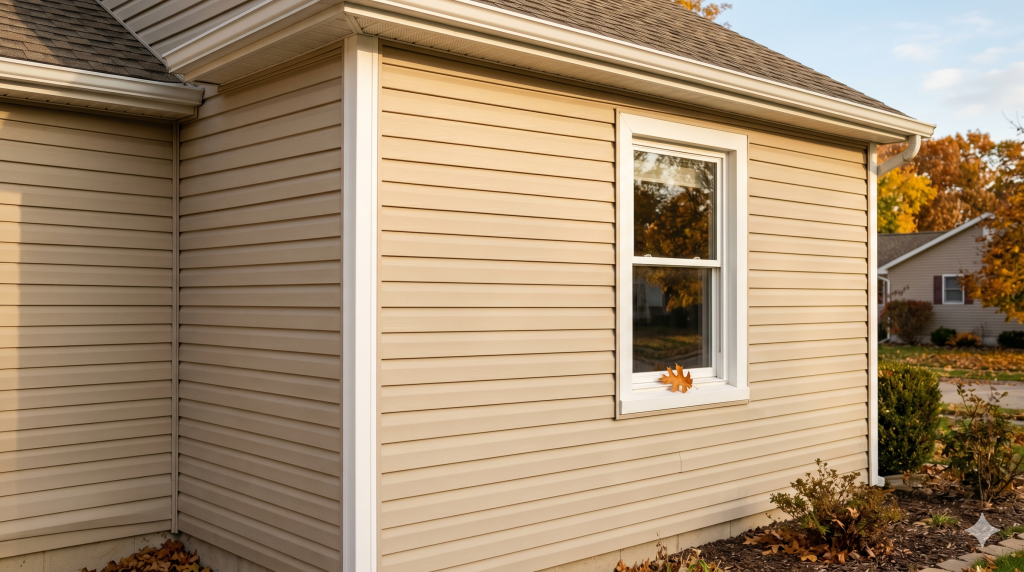
Siding looks solid from the street, but up close it is full of tiny seams. Lap siding, vinyl panels, and corner boards all have joints where pieces meet, and those joints shift as the house heats and cools.
Walk slowly around your home and focus on the sunny walls where you see bugs gathering. Look closely where corner trim meets the siding, where panels overlap, and where siding meets the foundation.
Gaps wider than about an eighth of an inch are worth sealing.
Use a paintable exterior caulk on wood or fiber cement siding so it blends in after a touch-up. On vinyl, be careful, since it needs room to expand.
Seal only the trim gaps and avoid caulking the overlapping panel edges, which are designed to move and drain water.
Fun fact: brown marmorated stink bugs arrived in the U.S. from Asia in the 1990s and have since spread to many Southern states, including parts of Texas. They are drawn to warm, light-colored surfaces, which explains those crowds on your siding.
Sealing seams may not stop every single bug, but it can cut down the number that find a route inside.
4. Utility Pipe and Cable Openings
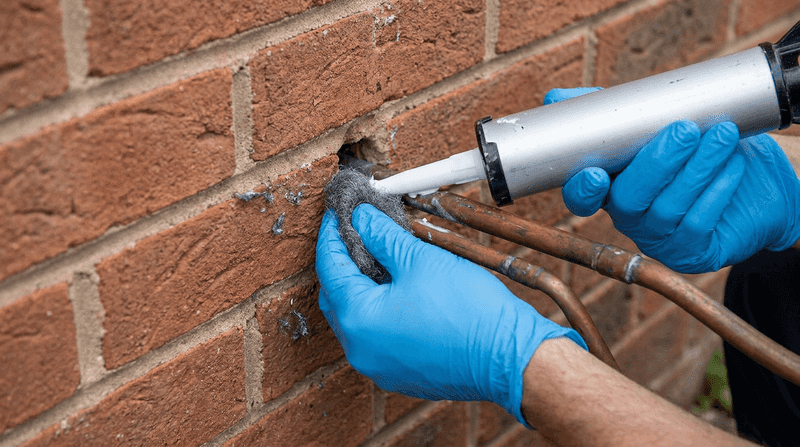
Your air conditioner line, cable wire, hose bib, and dryer power all pass through your walls, and the installers rarely sealed those holes perfectly. That is great news for stink bugs and not so great for you.
In the South, AC refrigerant lines are a common trouble spot. The hole drilled for them is often larger than the pipes, leaving a ring of open space.
Over time, any foam or putty around them can dry out and crumble.
Low-expansion spray foam works well for larger gaps, while exterior caulk handles smaller ones. For lines that might need service later, duct seal putty is a handy choice.
It stays soft, molds easily by hand, and can be pulled out and reused.
Check spots where phone or internet cables enter, outdoor electrical outlets, and gas meter pipes. Even the old holes from a removed satellite dish can be wide open.
Since many of these openings sit low on the wall, they are easy to reach without a ladder. Spending twenty minutes on these spots can close several hidden doorways that you might never notice from inside the house.
5. Attic and Soffit Vents
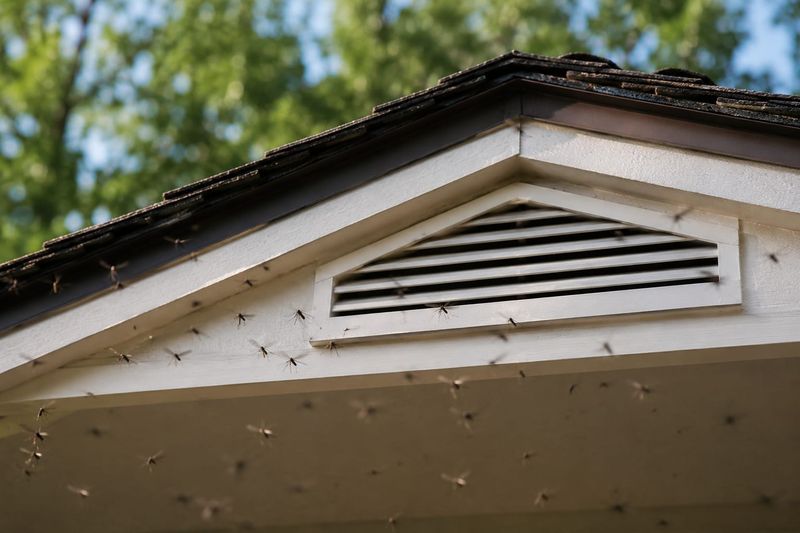
Ever wonder why stink bugs show up crawling across your ceiling in January? Many of them got in through the attic, where it stays dry and sheltered all winter.
Attic vents need to stay open for airflow, so sealing them shut is not the answer. Instead, cover them with fine metal mesh, sometimes sold as insect screen or hardware cloth with small openings.
Standard window screen gauge works for stink bugs, since they cannot pass through holes that small.
Soffit vents along the underside of your roof edge often have damaged or missing screens. Gable vents and ridge vents can also have openings large enough for bugs.
Check them with binoculars from the ground if you would rather not climb.
Squirrels and birds sometimes tear up vent covers, opening a path for insects too. If you see chewed or bent screens, replace them promptly.
In hot climates like Florida, keeping attic ventilation working is especially important for cooling. Screening rather than blocking lets your attic breathe while making it much harder for overwintering pests to move in.
If ladder work feels risky, a handyman can usually handle this job quickly.
6. Roofline and Fascia Gaps
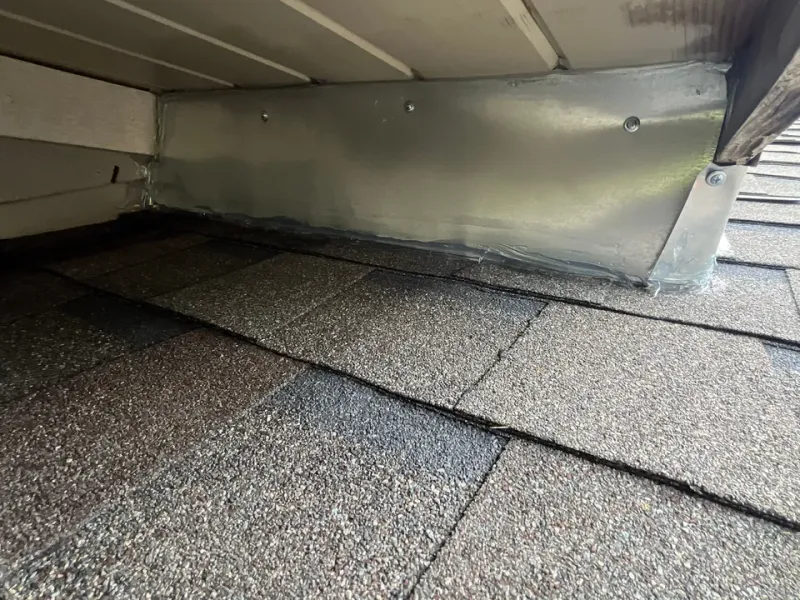
Stink bugs are surprisingly good climbers, and they love heading upward on warm days. Once they reach the top of a sunny wall, the roofline offers plenty of tempting cracks.
Look where the fascia board meets the roof decking and where the siding tucks under the eaves. Wood that has softened from humidity or old leaks can pull apart, leaving narrow slots.
Gaps around chimney flashing and dormer edges are also common.
Small gaps can be closed with exterior caulk, while rotting boards really need replacing. Soft wood will keep shifting and reopening any seal you apply.
Gulf Coast homes that see heavy rain and high humidity are especially prone to this kind of wear.
Gutters can hide trouble, too. When gutters pull away from the fascia, they leave a shaded, protected gap that bugs may use as a staging area.
Safety comes first with any roofline work. Use a sturdy ladder on level ground, have a helper hold it, and skip the job on windy days.
A professional roofer or pest control company can inspect hard-to-reach spots if you are not comfortable climbing up there yourself.
7. Dryer Vents and Exhaust Fans
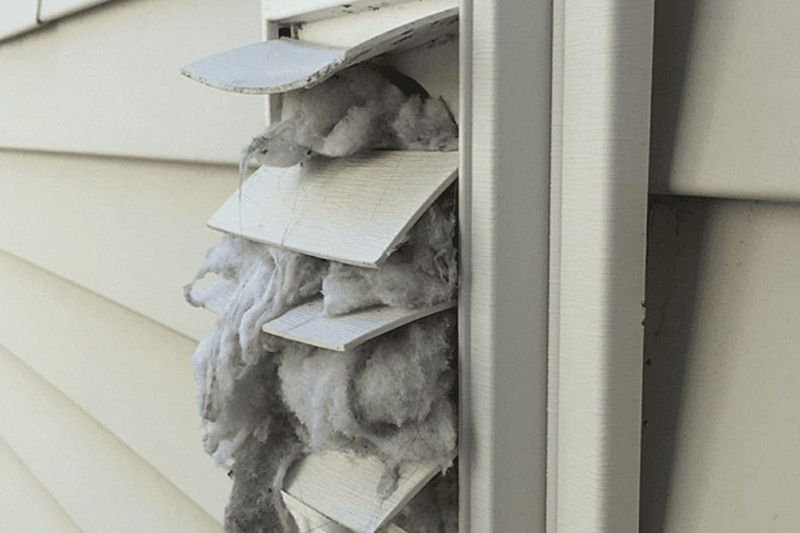
A dryer vent flap that sticks open is basically a welcome mat. Lint buildup often keeps those little louvers from closing all the way, and bugs can crawl straight into the duct.
Go outside and look at your dryer vent hood. The flaps should swing freely and drop shut when the dryer is off.
If they hang open, clean out the lint and check the hinges. Replacing a broken hood is an inexpensive, easy weekend fix.
Bathroom and kitchen exhaust fans vent outdoors as well, usually through the wall or roof. Their dampers can wear out or get stuck, so check those covers too.
Some homeowners add a vent guard with a pest screen. Be cautious with dryer vents, though, since screens can trap lint and create a fire risk.
A gravity flap or a vent cover designed for dryers is a safer pick.
Cleaning lint out also helps your dryer run more efficiently, so this job pays off twice. While you are at it, caulk around the outside edge of the vent hood where it meets the siding, since that seam often has gaps too.
8. Foundation Cracks and Crawl Space Openings
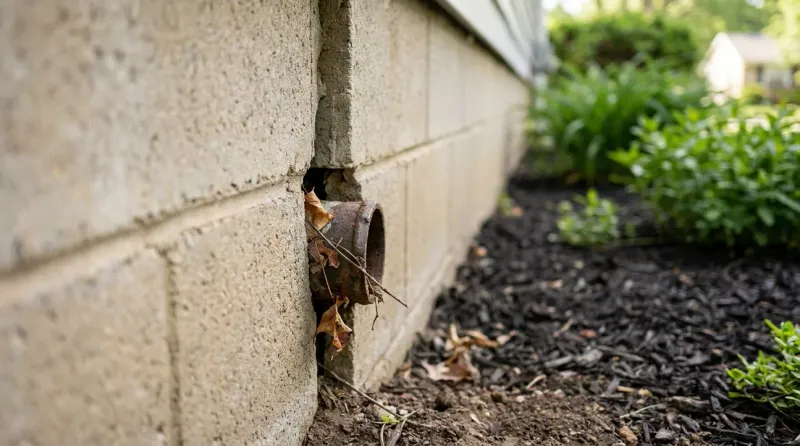
Not every stink bug heads for the roof. Plenty wander along the base of the house, especially near mulch beds and shrubs, and slip in through cracks down low.
Check your foundation for hairline cracks, gaps where the sill plate meets the masonry, and spots where brick mortar has crumbled. Masonry caulk or mortar repair products can fill small cracks.
Larger structural cracks deserve a look from a professional.
Raised homes, common across Florida and coastal Texas, often have crawl space vents and access doors. Make sure vent screens are intact and access doors close tightly.
A loose crawl space door is an easy route for bugs, mice, and other critters.
Landscaping matters here too. Keep mulch and dense plantings pulled back a few inches from the foundation so you can see cracks and so bugs have fewer hiding spots right against the wall.
Once the outside is sealed, a shop vacuum is your best friend for any bugs that still get in. Vacuuming them up avoids the smell that comes from crushing.
With these eight spots covered, your home can be far less inviting next fall.