
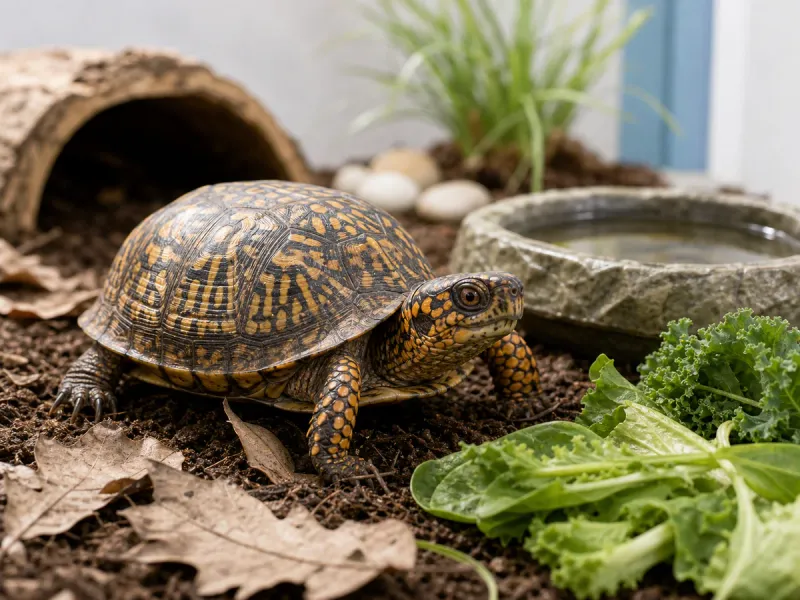
A box turtle plodding across your mulch can make you stop mid-weed and wonder what it is up to. Eastern box turtles eat a surprising mix of foods, from slugs and snails to berries.
Nobody can say exactly what one turtle is eating in your beds, but what we do know shapes how you should treat your visitor. Here is what North Carolina sources say, and what to do when a turtle shows up.
A box turtle is an opportunistic diner, not a garden specialist
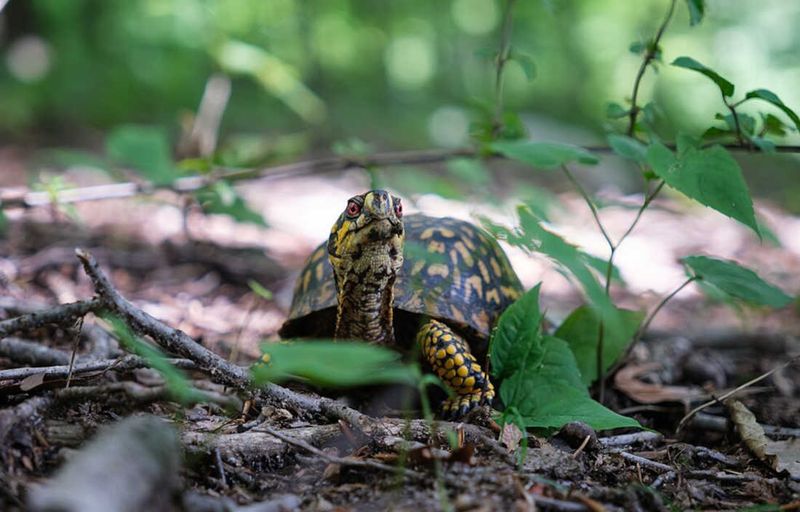
Picture a turtle that will take whatever the day offers. North Carolina State Parks reptile information describes the eastern box turtle as an opportunistic omnivore, meaning it eats both animals and plants.
On the animal side, the list includes slugs, land snails, earthworms, insects, and other small animals. Carrion can show up on the menu too.
On the plant side, box turtles eat fungi, berries, and other fruit.
That variety is the key point. A box turtle is not a garden-bed specialist that hunts one kind of pest.
It forages across forests, field edges, and yards, and it grabs what it finds as it moves along its familiar home range.
Habitat details from a North Carolina State Parks box turtle guide and the NC Wildlife Resources Commission species profile fit the same picture of a flexible eater.
There is one limit to keep in mind. These sources list foods a box turtle may eat.
They do not tell you what a particular turtle is eating in your tomato bed or hosta border. If one passes through, you are watching a wild forager on its rounds, not a hired helper with a job description.
Slugs and snails are on the menu—but control is not guaranteed
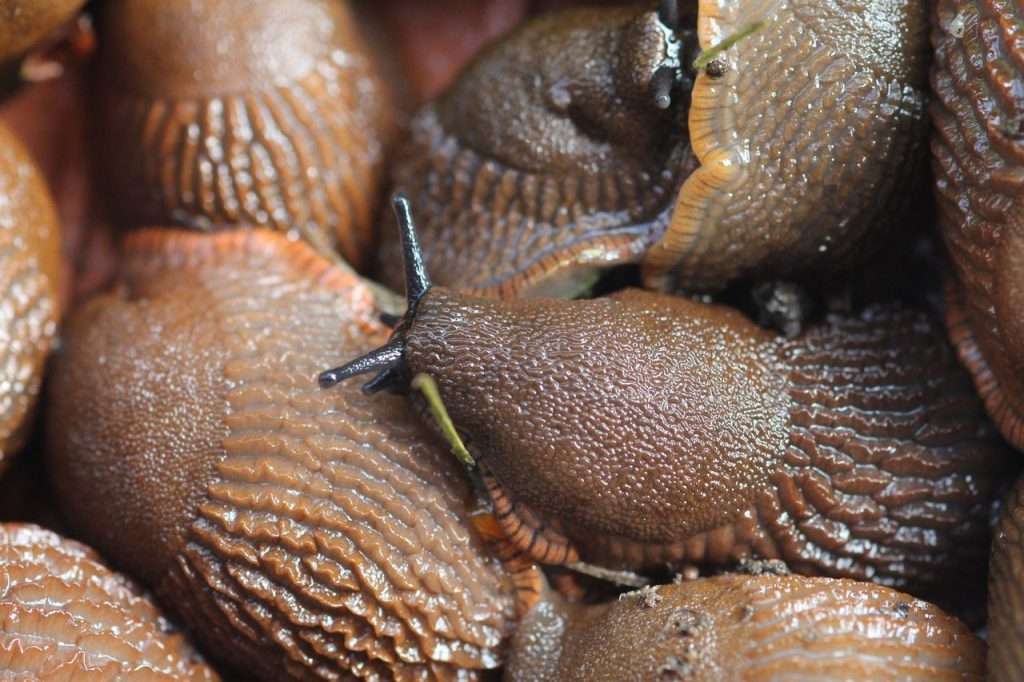
Gardeners who battle chewed hosta leaves will be glad to hear that slugs and land snails are among the foods listed for this species, according to North Carolina State Parks. A turtle that finds one may well eat it.
Still, being on the menu is different from dependable control. A University of California pest guide lists turtles among the natural enemies of slugs and snails, but it also says that most natural enemies rarely give satisfactory control in home gardens.
Think about the numbers, too. A turtle wanders widely, may pass through only now and then, and eats many other things.
One visitor is not going to keep up with a slug population that builds on damp nights.
It also helps to know that not every slug is a villain. University of Florida extension notes that many native terrestrial slugs work as decomposers and rarely become pests.
A slug in the leaf litter may simply be recycling dead plant material.
So if you spot slug damage, treat the turtle as a possible bonus, not a plan. Use your usual cultural steps, and enjoy the visit.
What about beetles and fallen fruit?
Insects are the safer word here. North Carolina sources, including this State Parks box turtle guide, list insects as part of the diet.
They do not say box turtles go after beetles in particular.
A study of eastern box turtles in the Long Island Pine Barrens, published in the journal Diversity, found that some locally common beetles were not regularly eaten. That is one site in New York, so it cannot predict North Carolina.
It simply warns against treating beetles as routine prey.
A varied diet also means a turtle does not sort bugs into good and bad. A ground beetle that helps your garden is as likely a snack as a leaf-chewer.
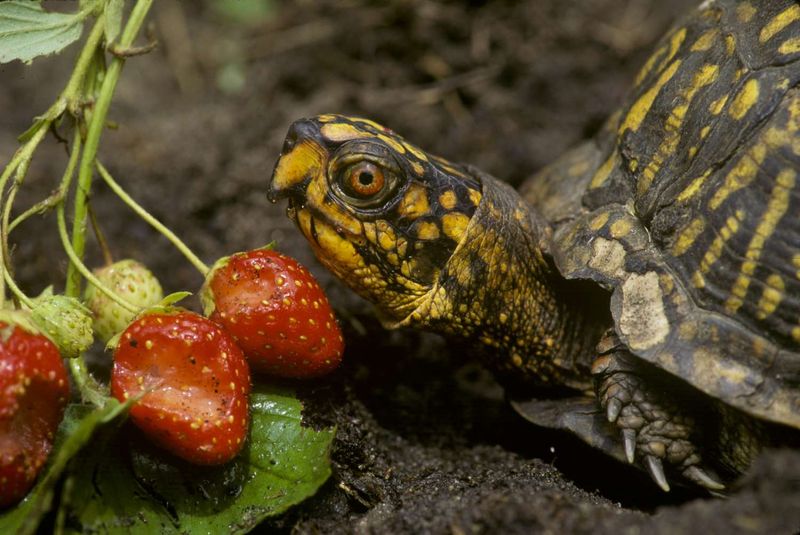
Fruit is a different story. The NC Wildlife Resources Commission profile and other sources confirm that box turtles eat berries and other fruit, so a fallen fig or blackberry is plausible food.
Plausible is as far as it goes. Nothing shows that turtles routinely clean up dropped fruit or prefer it in every yard.
Keep raking up rotting fruit if it draws other pests.
Why let a wild visitor keep moving?
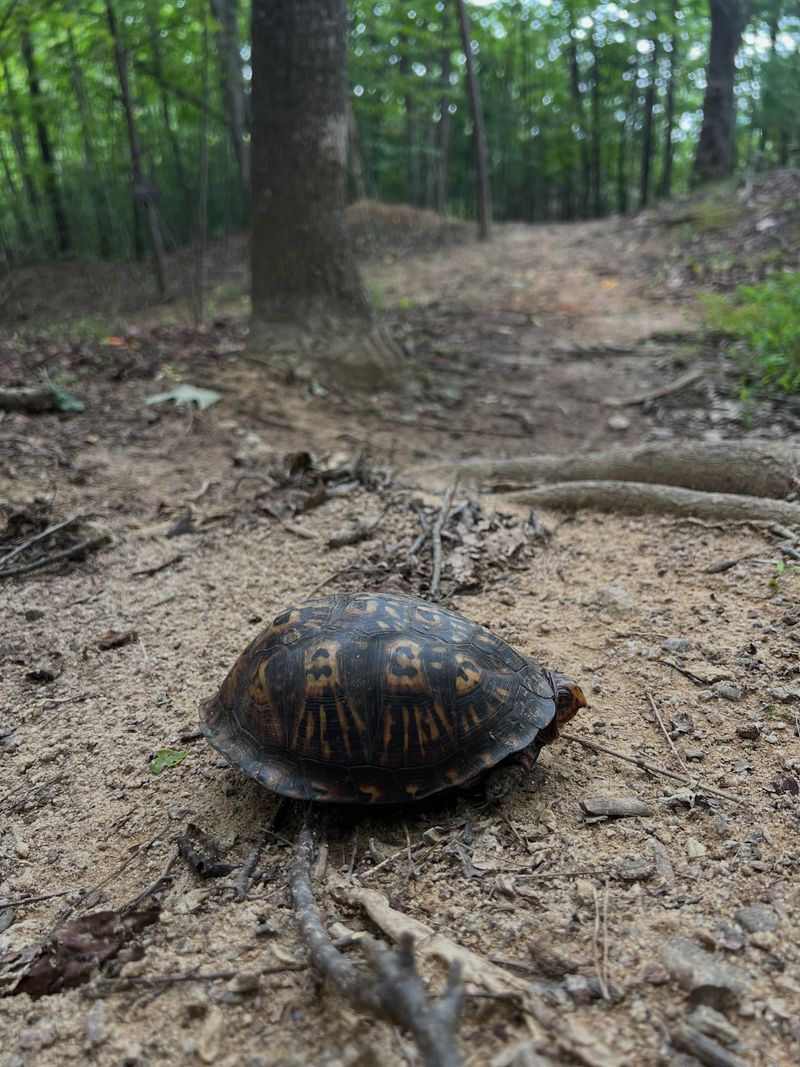
A box turtle that crosses your yard is not lost. It is following a route in a home range it has known for years.
North Carolina State Parks materials describe how box turtles rely on familiar areas for food, shelter, and nesting.
They also have a strong homing instinct. A turtle carried to a new place often tries to walk back, and that trip can lead across busy roads and unfamiliar ground.
This is why NC Wildlife warns against relocating turtles, including to another property or a nearby park.
Numbers are another reason to leave them be. The species profile notes that eastern box turtles are declining in parts of North Carolina, so each healthy adult matters.
Taking one home is also discouraged. NC Wildlife advises against possession, and says commercial take involving five or more is unlawful.
The practical rule is simple. If the turtle looks healthy and is not in danger, step back and let it keep walking.
Do not feed it or try to bait it into staying.
When danger is immediate, move the turtle only a short distance
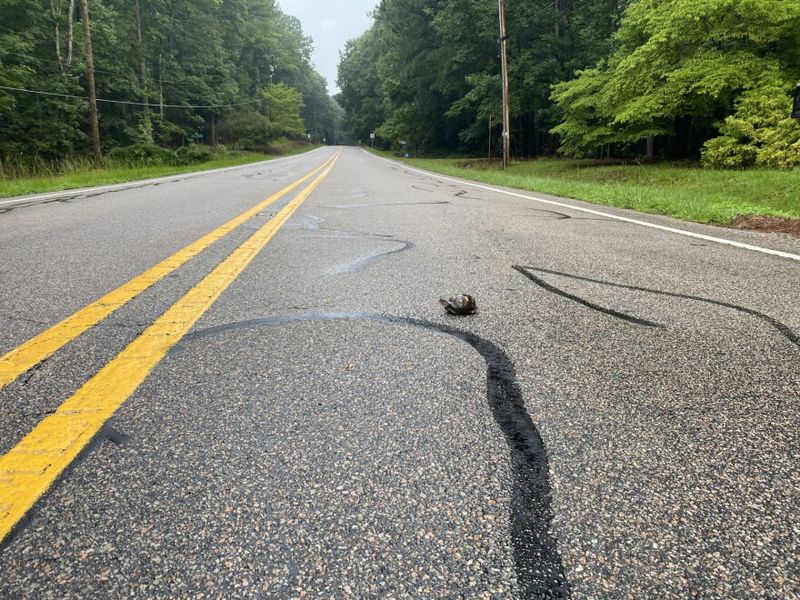
Some encounters do call for a helping hand. A turtle stuck in the path of a mower or in the middle of a road is in immediate danger, and that is the time to act.
Follow the NC Wildlife guidance. Move the turtle only a short distance, ideally less than 50 feet, to a safe spot nearby.
Keep it level and low, and keep your own safety in mind around traffic.
When helping a turtle across a road, carry it to the side it was already heading toward. If you turn it around, it will likely just try to cross again.
An injured turtle is a different case. Cracked shells, bleeding, or obvious trauma call for a licensed wildlife rehabilitator, who can give advice on what to do next.
Everything above is for emergencies only. A healthy turtle ambling through your beds is not in trouble, so leave it undisturbed.
Moving it to another yard or park is not a favor, since it may spend its energy trying to get home.
A wildlife-friendly bed offers shelter as well as food
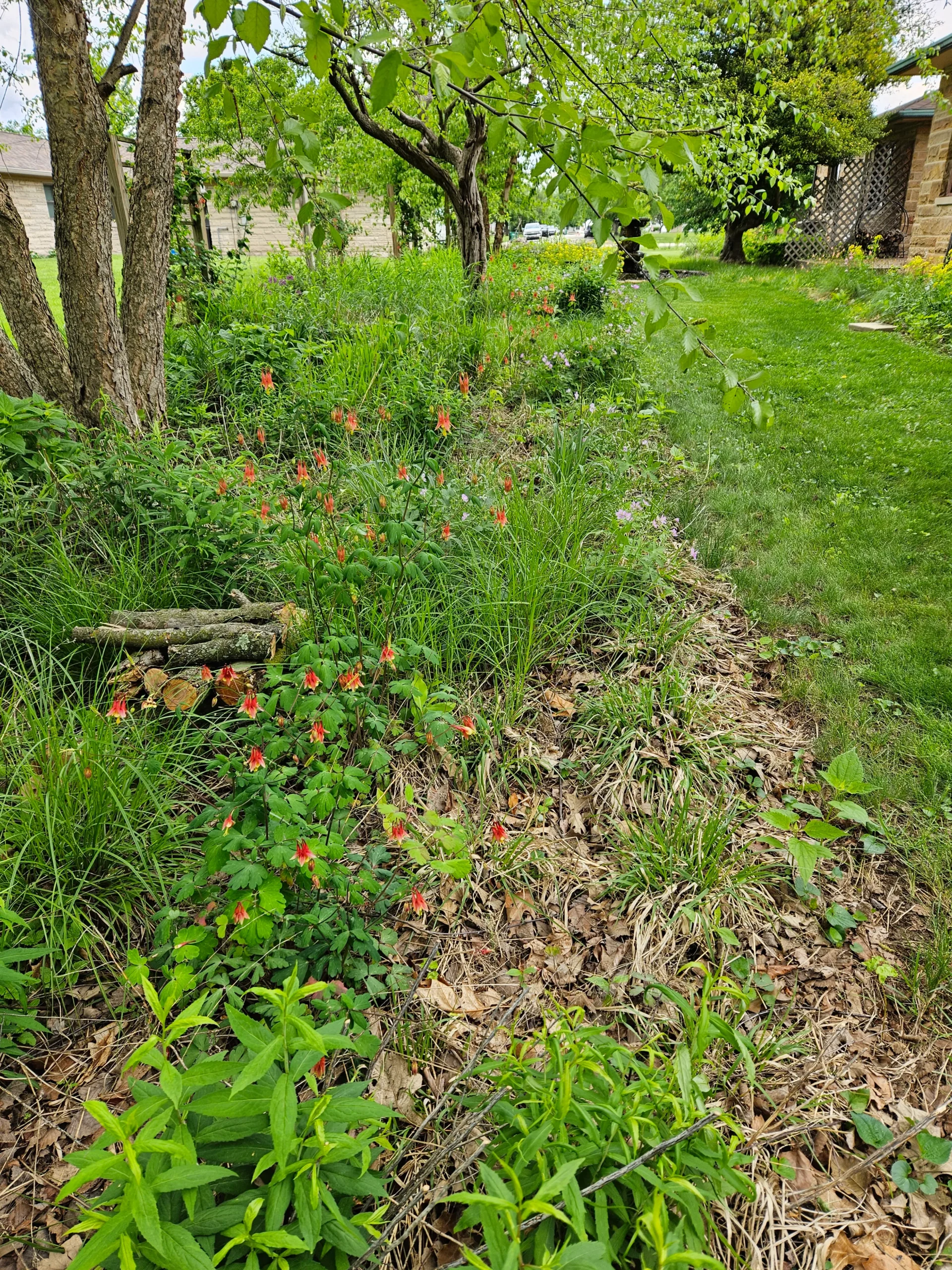
Food is only half of what a turtle needs. NC State Extension suggests making a yard more suitable for reptiles and amphibians with native plants and by keeping existing shelter, such as leaf litter, shrubs, and downed logs.
In practice, that can mean leaving a corner of the yard a little untidy. Let leaves collect under shrubs, keep an old log where it lies, and choose native plants over imports when you add to a border.
These changes are yard improvements, not a promise. They will not guarantee that a turtle visits, and they will not turn your garden into a pest-control system.
Chemicals deserve extra caution. NC State Extension advises limiting chemical use and applying products only when necessary and according to label directions.
It also says to avoid using chemicals near water sources and storm drains unless the label allows it.
Pesticides are not harmless to wildlife. The EPA offers tips for reducing pesticide impacts, including following the label and watching for wildlife around treated areas.
Let the turtle be a neighbor, not a pest-control plan
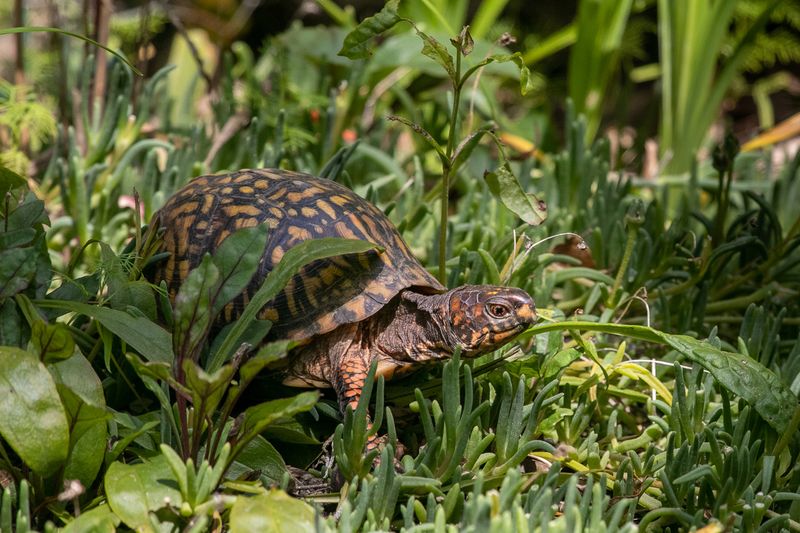
A box turtle may eat slugs, insects, or fruit you know well, but its broad diet does not make it a reliable pest fighter, and nobody can say what it ate in your bed. Leave a healthy visitor alone, and help only when danger is immediate.
Keep up the shelter and plantings that NC State Extension recommends, and keep managing slugs the usual way, since natural enemies rarely finish the job.
Some of the best garden help is simply letting an old resident walk on by.