
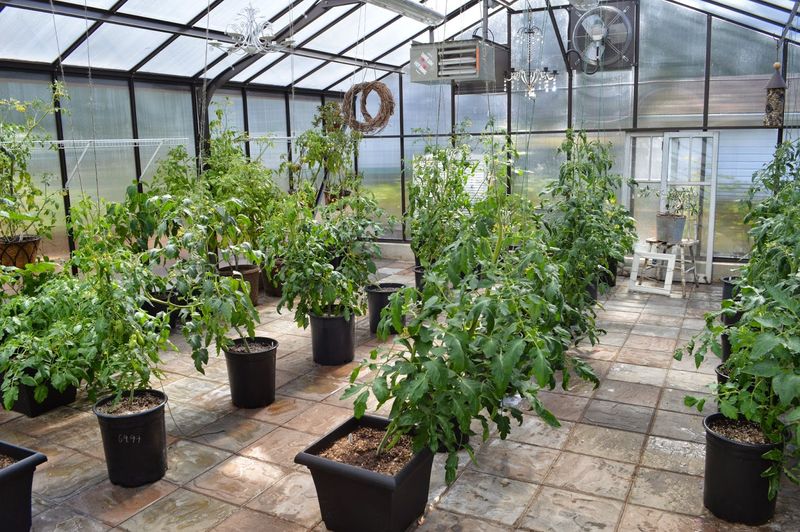
That tall, tangled tomato or pepper plant in your bed may have given its last fruit weeks ago. Leaving a finished plant standing can give some diseases a place to hang around until spring.
A quick cleanup can help, but it is not a magic fix for every bug or blight. Here is how to decide what to pull, what to leave, and what to do with the pile.
Pull plants when harvest is over—not just because fall arrived
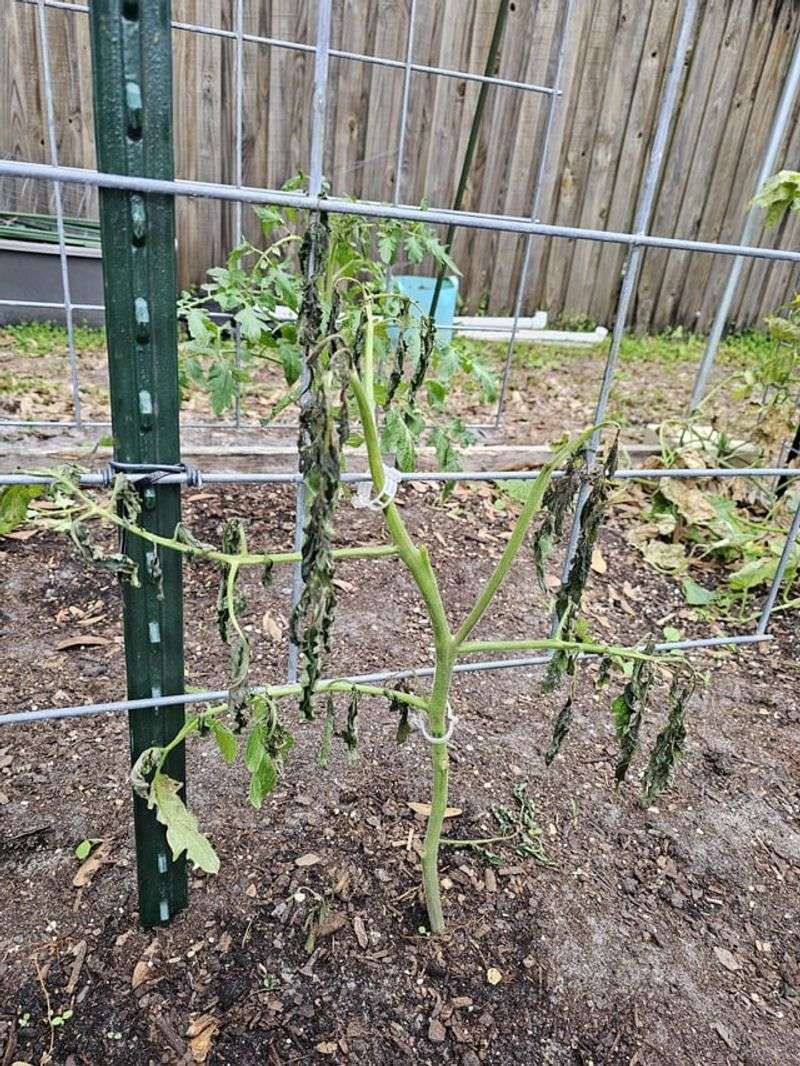
Here is a simple rule: pull a tomato or pepper plant when it is finished producing, and move the ones with visible disease or serious pest trouble to the front of the line. Look for plants with no new flowers, shriveled leaves, spotted foliage, or fruit that stops setting.
If a plant is still bearing and looks healthy, let it keep working.
The calendar alone is a poor guide in the South. Texas A&M AgriLife guidance treats fall as a real vegetable season, with planting and frost timing that differ from one part of the state to another.
Florida is similar, and UF/IFAS tomato production information shows that planting windows vary by region, with south Florida open-field plantings possible from August through February.
So a pepper plant loaded with fruit in November may be right on schedule. Finish that harvest first.
Then clear the plants that are done, and do the sick ones sooner if they are dropping spotted leaves or fruit.
Some infected tomato debris can carry disease through winter
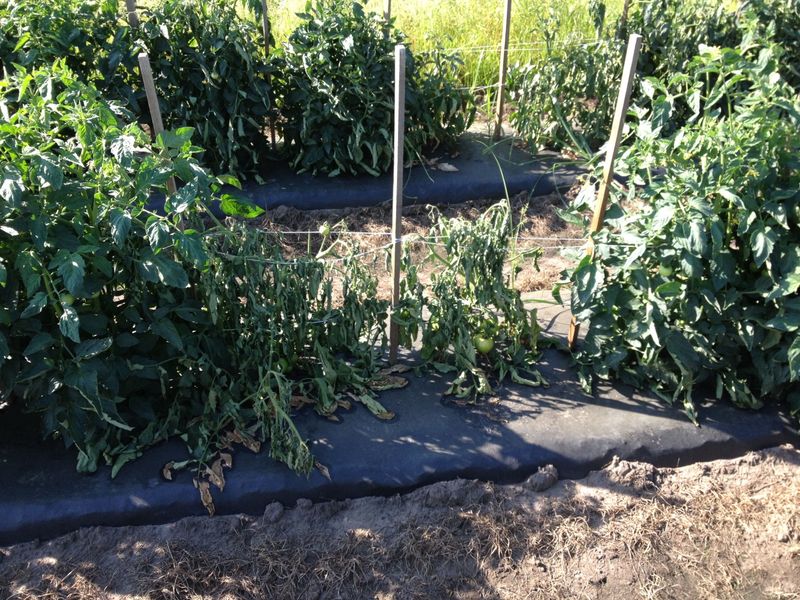
Many tomato leaf and fruit diseases do not vanish when the plant stops producing. Georgia Extension notes that a number of them survive on infected plant tissue, and it recommends removing crop residue, roots included, at the end of the season.
Leave that material in place and it can become a source of infection for next year’s plants.
Bacterial spot is a good example. UF/IFAS bacterial spot management guidance recommends removing infected tomato plants and residue promptly, since leftover material can be one way the disease sticks around.
Now the limit. Diseases behave differently.
Some live on debris, while others can persist in soil, seed, weeds, or volunteer plants. Pulling infected tomatoes takes away one source of carryover, but it will not wipe out every disease threat.
Think of it as lowering the odds, not erasing them.
Pests do not all overwinter in plant stalks
“Pests hide in the stalks all winter” sounds tidy, but it is too broad. Different insects spend the cold months in different places, and many of them are not in your standing tomato or pepper stems at all.
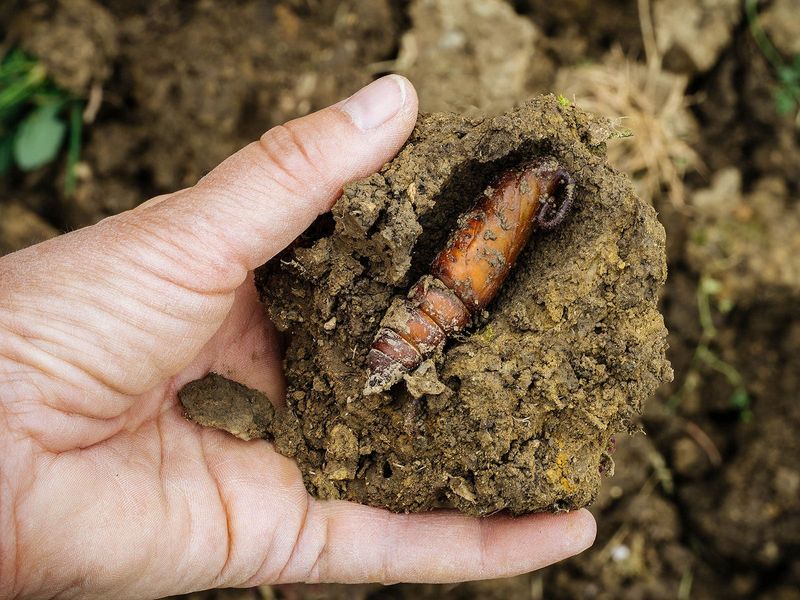
Take the tomato hornworm. University of Minnesota Extension explains that it overwinters as a pupa in the soil.
Hauling off the old stems will not remove those pupae, so a bed can be spotless above ground and still hold next year’s moths.
That does not make cleanup pointless. Removing spent plants clears out diseased tissue, rotting fruit, and some hiding spots.
Just keep your expectations grounded. If you had hornworms, watch for them again next season and handpick the caterpillars early, since cleanup alone will not stop them.
Remove spent plants and fallen crop debris
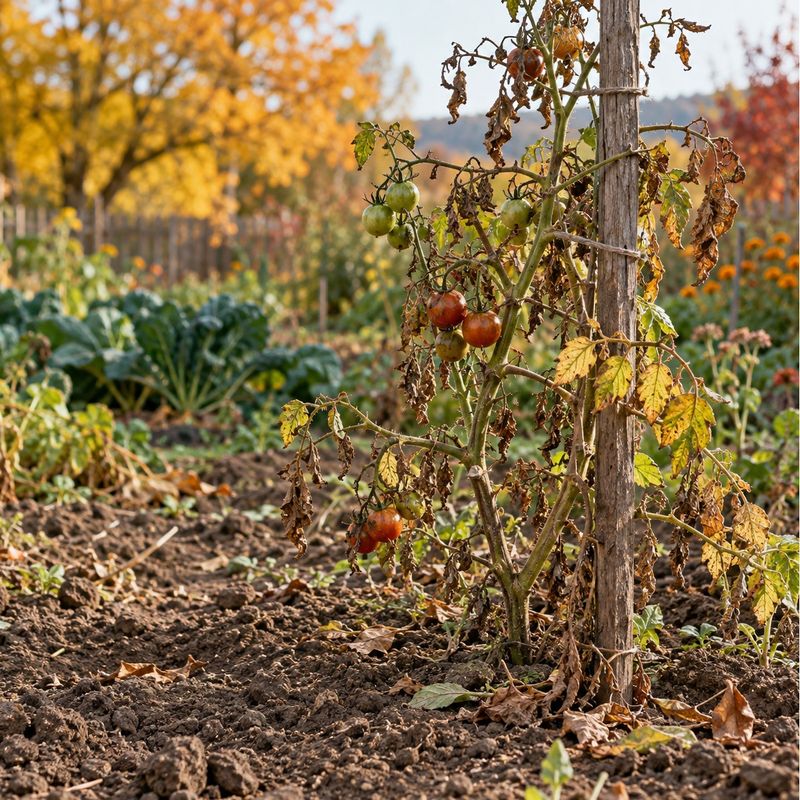
Start with the plants that are truly finished. Pull the whole plant, and with tomatoes, get the roots out too, since Georgia Extension includes roots in its crop residue advice.
Work on a dry day so you are not spreading wet, spotted leaves around.
Next, gather what has dropped: fallen leaves, split fruit, and mushy peppers. Utah State University Extension lists removing spent plants and debris among its fall garden tasks.
Bag diseased pieces as you go so they do not drag across clean soil.
Keep this job aimed at your vegetable beds. Illinois Extension suggests targeted cleanup where vegetable pest or disease problems happened, and it points out that other garden debris can shelter wildlife and insects.
You can leave the flower borders and shrub corners alone.
Dispose of diseased plants with care
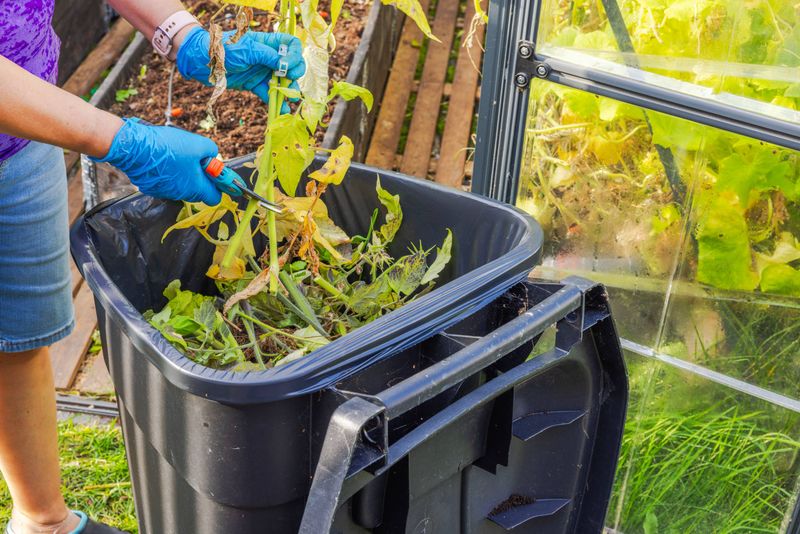
A compost pile feels like the natural place for old plants, but visibly diseased ones deserve a second thought. Texas A&M AgriLife advises against composting spring-crop residue because it may carry insects or pathogens.
Advice does vary. University of Minnesota Extension says diseased material can be composted when the pile reaches at least 148 degrees F and the material breaks down fully.
Most backyard piles are not managed closely enough to count on that, so they may not reliably do the job.
The safer path is to follow your local disposal guidance. Many cities offer yard-waste pickup, but use it only if the program accepts diseased plants.
If you are unsure, call your city or county office before you bag everything up.
Pair cleanup with rotation, and keep expectations realistic
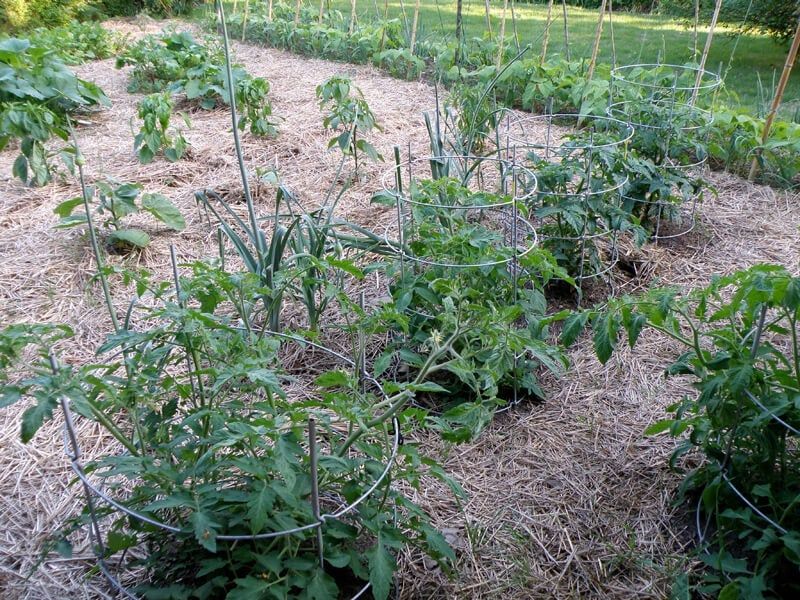
Cleanup is one tool in the box. Georgia Extension says some soilborne pathogens can persist in the soil, and it recommends rotating tomatoes and their relatives, including peppers, eggplants, and potatoes, away from the same spot.
If you can, plant something from a different family there next time.
Other sources matter too. UF/IFAS lists volunteer tomatoes along with infected residue as possible sources of bacterial spot, so pull stray seedlings that pop up in beds.
Neither rotation nor cleanup will wipe out every pathogen.
Your action list is short. Finish harvesting healthy plants, clear spent or problem plants and fallen debris, dispose of diseased material properly, and rotate where space allows.
A tidy bed will not promise a perfect spring, but it does start you a few steps ahead.