
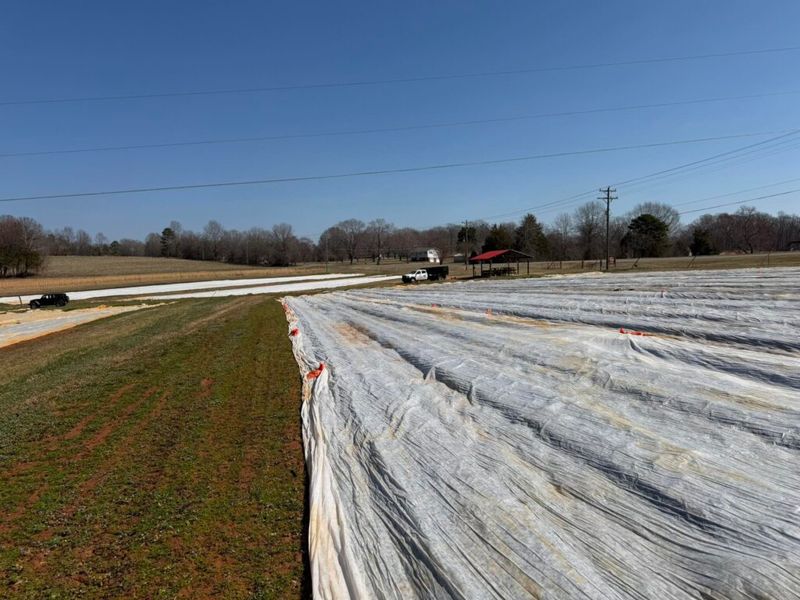
Strawberry plants can look tired and flat in winter, and it is natural to worry about next spring’s berries. Cold can hurt the crowns where flower buds develop, but whether it does depends on where you garden and how your bed is set up.
A Florida freeze plan, a Texas one-season bed, and a cold-winter perennial patch all call for different moves. Sorting out which one you have is the first step toward protecting your harvest.
Severe cold can threaten a later crop, but bud loss is not inevitable
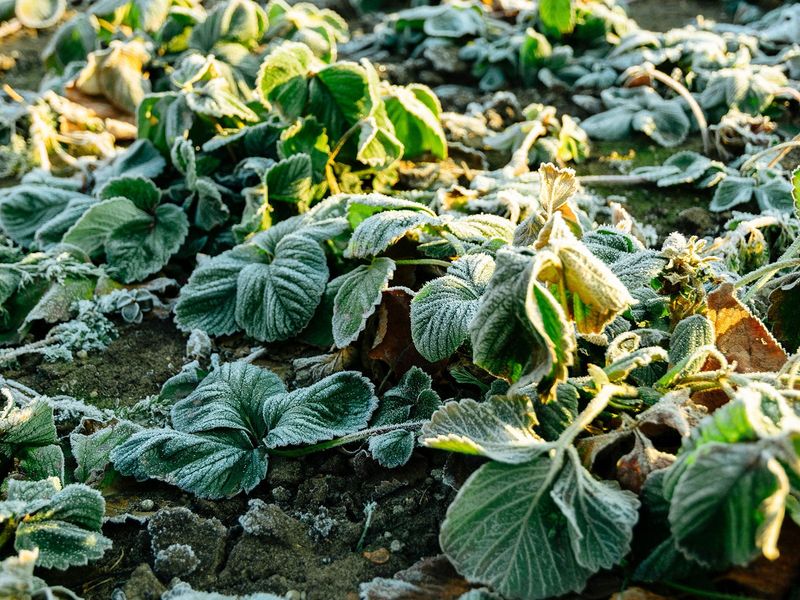
Plants in the June-bearing group set their flower buds in fall, as South Dakota State Extension explains. Those buds sit down in the crown, so injury to the crown can slow its growth, disrupt bud development, and lower yield.
Still, uncovered plants do not automatically lose their buds. Arkansas Extension reported that cold injury and recovery varied among cultivars, and that the effect on yield depended on how badly the crown was damaged.
So the risk is real but not guaranteed. Exposure, cultivar, plant condition, and growing system all play a part.
Suitable protection may reduce injury risk where damaging cold threatens plants, though it cannot promise a bigger crop.
Identify the bed before choosing protection
Start by asking what kind of bed you have. Some gardeners carry plants through winter in a perennial bed, while others set out new plants each fall for one spring crop and then pull them.
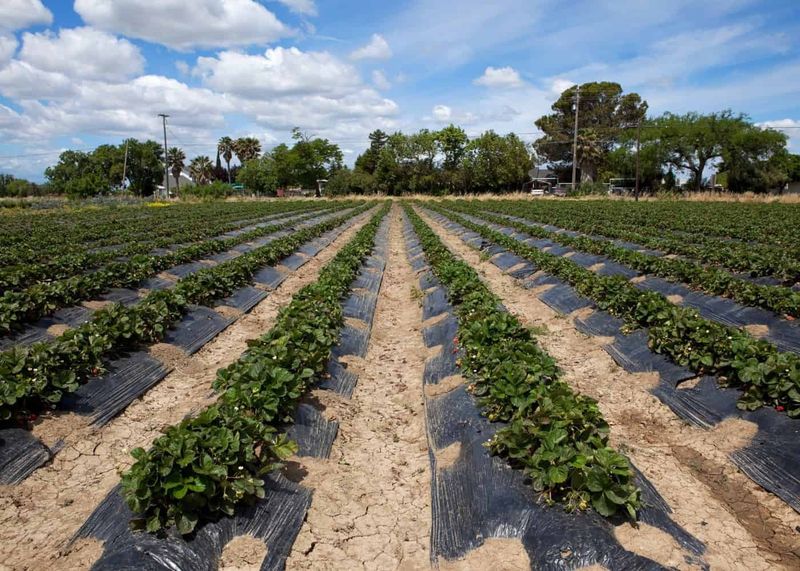
The word mulch covers several jobs. It can mean insulation over dormant plants, material that keeps berries off the soil, or plastic laid beneath plants.
These uses are not interchangeable.
Guidance from Georgia and central Texas shows how much systems differ. UGA describes an annual hill system alongside matted-row beds, and Texas A&M AgriLife describes a fall-planted annual approach for central Texas.
Neither description fits every gardener in those states, so check which one matches yours.
Cold-winter perennial beds need dormant plants before straw
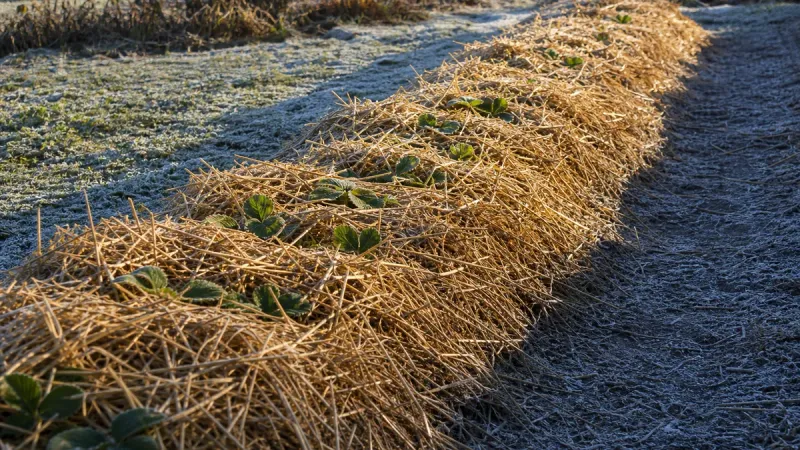
Cold-winter regions offer one example of timing. Minnesota Extension recommends applying straw only after plants are dormant and soil temperatures stay at or below 40°F.
Going too early is a concern too. Nebraska Extension cautions that mulching before plants harden off can interfere with that process.
Removal matters just as much. Minnesota’s guidance warns that leaving mulch on too long in spring can delay harvest and decrease yield.
This threshold is a dormancy cue for Minnesota, not a Southern calendar. Gardeners in Florida and Texas should not treat 40°F soil as their deadline.
Florida freezes call for temporary cover, not a northern straw deadline
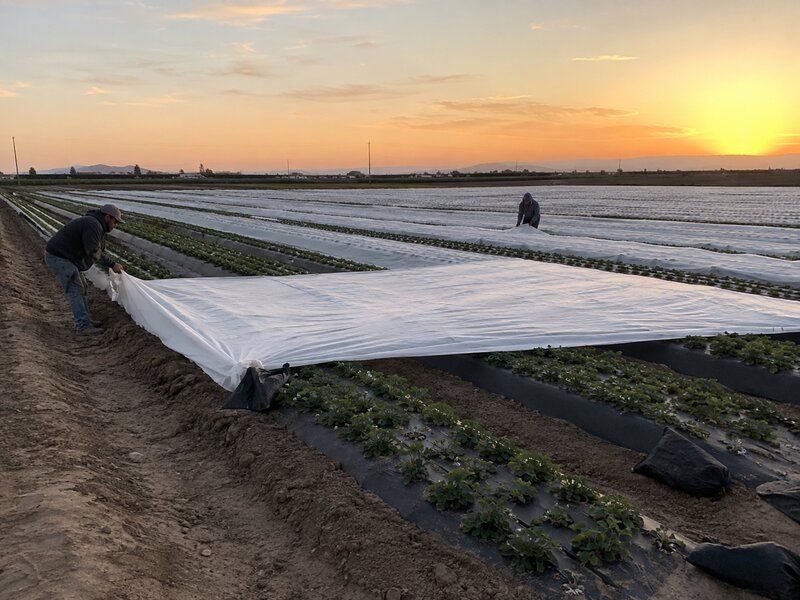
In Florida the main worry is a forecast freeze. UF/IFAS notes that flowers and fruit can be damaged when temperatures fall below 32°F.
The advice is to cover plants with sheets, blankets, or frost cloth the afternoon before an expected freeze, and to anchor the cover. That is a temporary measure you put on and take off, not a winter blanket left in place.
Crowns are in a different spot. Leaves and crowns that have acclimated to cool weather usually avoid permanent damage unless temperatures reach the low 20s.
That does not make crowns immune to cold, so keep an eye on unusually harsh forecasts.
Central Texas commonly grows strawberries for one spring crop
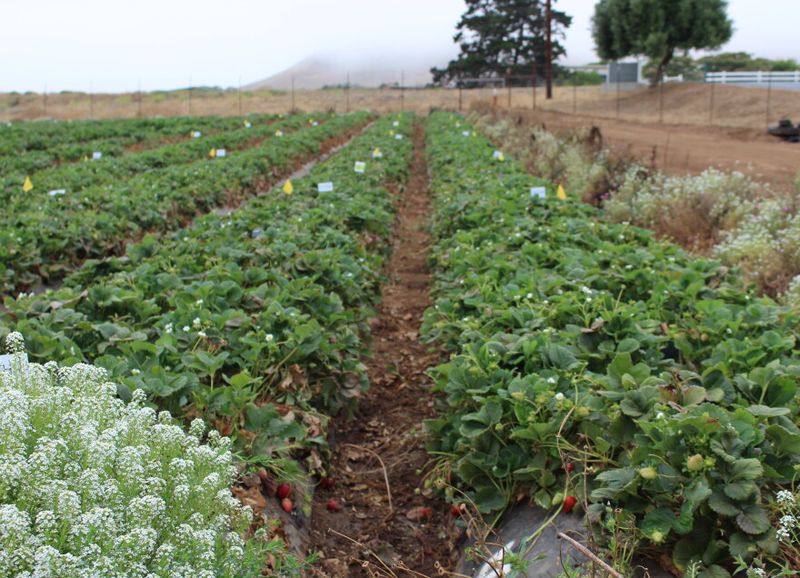
Gardeners around Austin often treat strawberries as a one-season crop. Texas A&M AgriLife describes planting in fall, carrying plants through winter, harvesting in spring, and then removing them.
The same guidance does not recommend the perennial matted-row system for central Texas. Since the plan is not to keep plants for next year’s buds, cold-winter perennial-bed advice does not automatically fit.
That is specific to the cited central Texas guidance, not all of Texas. Check local conditions and forecasts, and follow your own bed’s system.
Georgia’s annual and matted-row beds use mulch differently
Georgia gardeners can run two distinct systems. UGA guidance describes an annual hill system with beds usually covered in black plastic, planted in fall for a spring harvest.
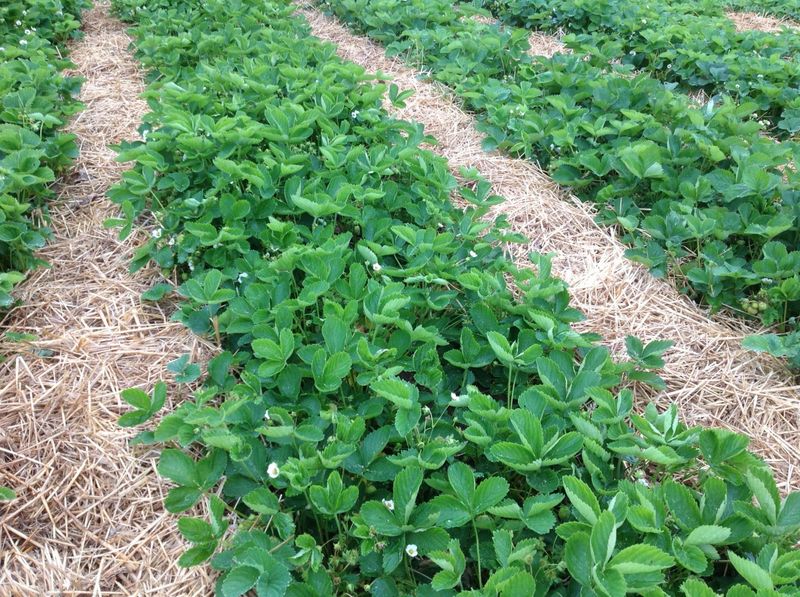
Established matted-row beds are managed another way. UGA describes pine-straw mulch applied before growth begins, mainly to keep berries clean.
Black plastic under plants and pine straw around them are not winter blankets for dormant crowns. Keep the two systems separate, and do not swap one mulch use for another.
Let your region and growing system set the protection plan
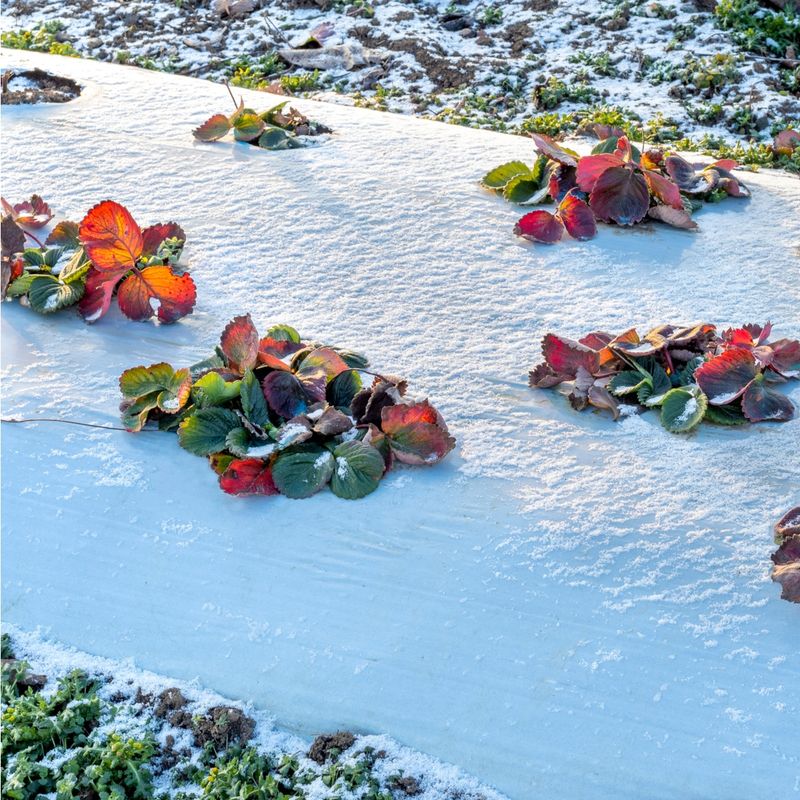
Start with your bed. A cold-winter perennial planting follows dormancy-based straw timing, a Florida bed watches the forecast for freeze covers, and an annual system like central Texas follows its own plan.
Protection can reduce cold-injury risk where it applies, but it cannot guarantee more berries. The calendar on the wall matters less than the forecast over your own bed.