
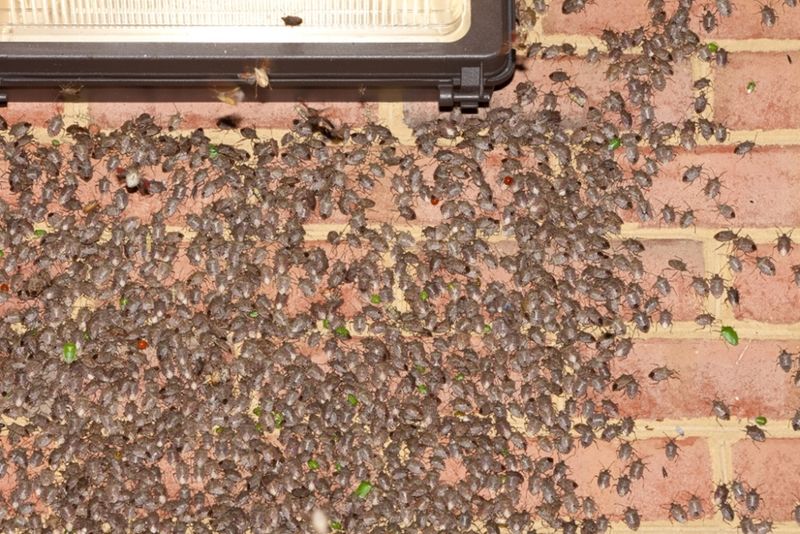
Sunny walls across North Carolina can look crawling with stink bugs once September and October roll around. Many homeowners wonder if these visitors spell trouble for the house or the garden.
The answer is calmer than the rumors, but timing matters a lot for what you do next. Here is what the bugs are up to, what to do about the ones inside, and when to plan repairs.
Why brown marmorated stink bugs gather on North Carolina homes
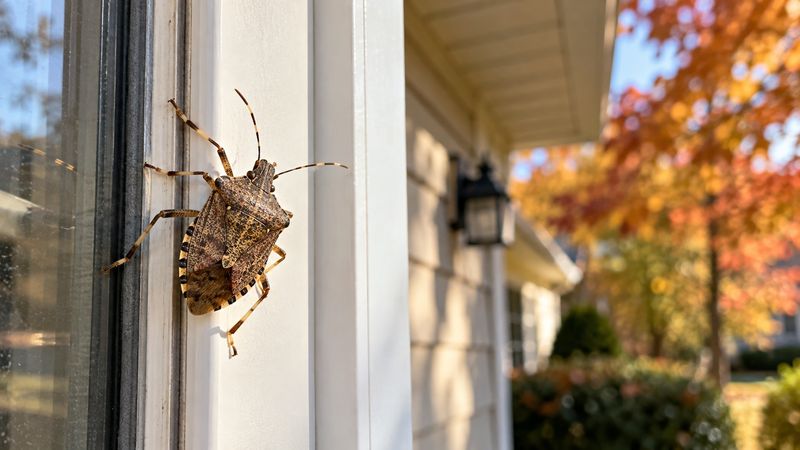
Walk past a south-facing wall on a warm afternoon in late September and you may spot them: shield-shaped, brownish bugs resting in the sun. Brown marmorated stink bugs (BMSB) commonly gather on buildings in September and October, and NC State Extension describes this as a search for sheltered places to spend the winter.
Your house is simply a handy stand-in for a rock crevice or a hollow tree. Cracks around siding, window frames, soffits, and utility openings look like good hiding spots to a bug that wants to get out of the cold.
Sunny walls warm up first, which is why the crowds often show up there.
Where you live in North Carolina changes how likely this is. The Piedmont and mountains see the most gathering, since BMSB are more firmly established there.
In the coastal plain, the pest is less established, so a wall full of stink bugs there is less likely to be this species.
The bugs are not eating your house. They are not chewing the siding or boring into wood, and they are not feeding on the structure at all.
They are hunting for a place to sit still until spring, which makes the whole event more of a housing search than an attack.
Which stink bugs are on the siding?
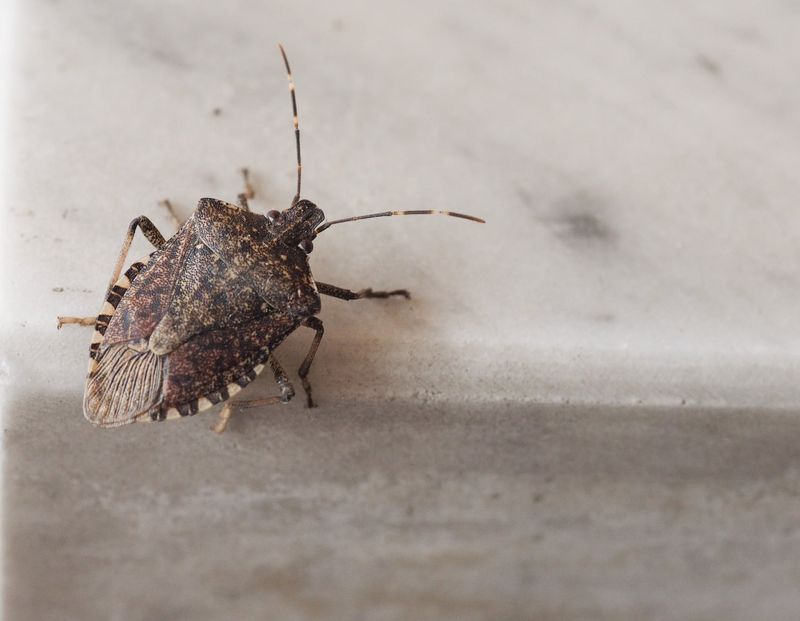
Not every stink bug on your wall is the invasive kind. North Carolina has native stink bugs that look a lot like BMSB, and some stink bugs are actually helpful predators that eat other insects, as NC State Extension points out.
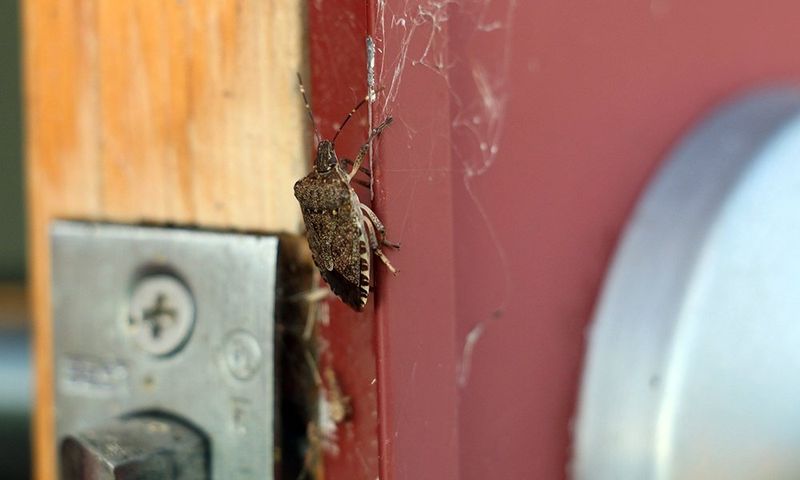
Here is a handy clue to check. Adult BMSB have pale bands on their antennae, according to NC State Extension Publications.
A jar and a hand lens or a phone camera zoomed in can help you see those bands up close.
Body color and shape are less reliable on their own. Several species are brown and shield-shaped, so a quick glance from across the yard will not settle it.
Take a moment to look closely at a few bugs before you decide anything.
Why bother? Because the right response depends on what you have.
A wall dotted with native or predatory stink bugs is not the same problem as a crowd of BMSB looking for winter shelter. If you are unsure, your local Cooperative Extension office can help with identification.
A house is shelter, not a breeding site
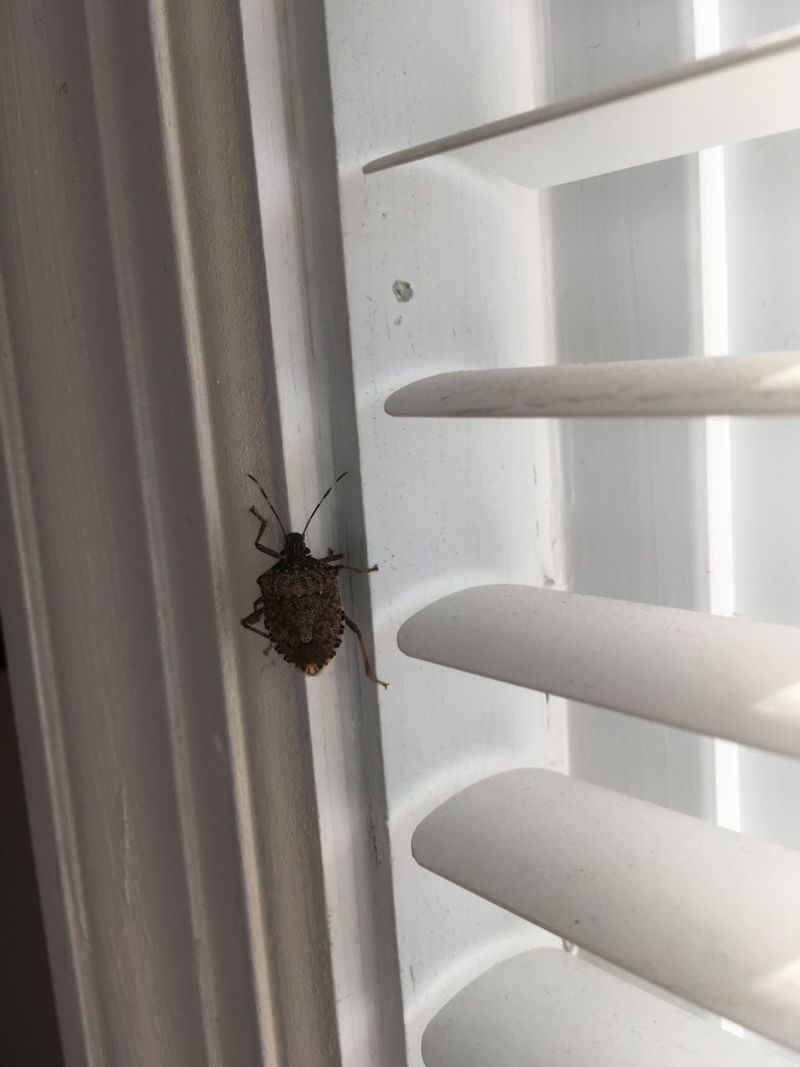
Finding a stink bug on the curtains is annoying, but it helps to know what it is actually doing. BMSB do not reproduce inside homes, and they do not damage the structure.
Per NC State Extension, overwintering adults do not feed or lay eggs while they wait out the cold.
They are also not a health worry in the usual sense. The EPA says they do not bite people or pets and are not known to transmit disease.
That said, a nuisance is still a nuisance. Bugs that wander out of wall voids on a warm winter day can end up on lamps, ceilings, and in the kitchen.
They can also release a strong odor when bothered or squashed.
So the fair way to think about it is this: your home is a winter waiting room for these bugs, not a nursery. You can be relaxed about the safety of your family and the structure, and still want the visitors gone from living spaces.
Why sealing the house can wait until summer
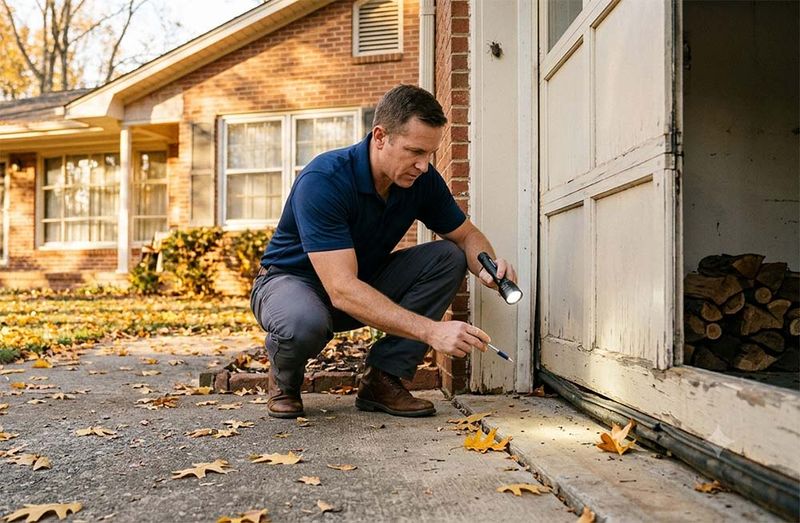
Sealing cracks sounds like the obvious fix when bugs are crowding the siding, but the calendar matters. NC State Extension advises inspecting and sealing likely entry points during summer, then finishing before the bugs return in late August.
Typical trouble spots include gaps around windows, doors, and pipes, along with unscreened attic vents. A summer walk-around with a ladder, caulk, and replacement screens can cover most of that list.
Doing the same job in fall, winter, or early spring is a different story. NC State cautions that bug-proofing during those months may trap bugs inside the walls and living space, because some have already slipped in.
So if you are reading this in October, put the full sealing project on next summer’s calendar rather than doing it this weekend. Jot a reminder for July so repairs are done before late August.
For now, focus on the bugs that are already inside. The next section covers safe ways to remove them without making a smelly mess.
How to remove bugs that have already entered
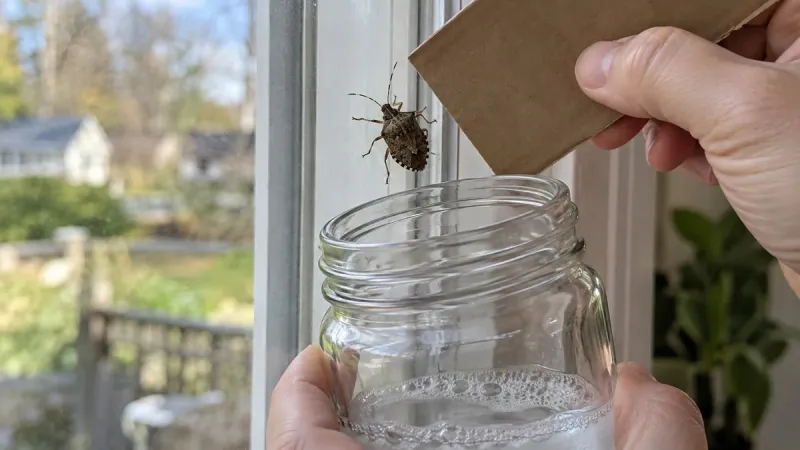
Calm and simple works best here. NC State Extension suggests three methods: scoop bugs into a jar and freeze them, drop them into a container of soapy water, or use a dedicated hand vacuum and then freeze its contents.
Keep a jar handy near the windows where they tend to show up. Slide a piece of paper under the bug and tip it in, which keeps your hands clear of the smell.
Two things to skip. Crushing a stink bug indoors only worsens the odor.
Carrying live bugs outside is no cure either, since NC State warns they may simply return.
A dedicated vacuum matters because the smell can linger in the one you use for floors. Many people keep a small handheld one just for this chore.
It is tempting to reach for a spray, but it is not a reliable fix. NC State says home sprays are often ineffective amid continued arrivals and may contaminate living areas.
The EPA adds that indoor aerosols or foggers do not stop more bugs from emerging from cracks.
Does fall shelter mean a doubled spring garden problem?
The popular claim goes that letting stink bugs settle in means twice as many in spring. The sources reviewed show no such multiplier, and nothing links bugs overwintering in a house to a doubled garden population.
Here is what actually happens. Overwintering adults do not feed or lay eggs, as NC State Extension explains.
In spring they leave their shelter to feed and reproduce outdoors, and that outdoor cycle is separate from what happens in your living room.
Garden numbers depend on the wider outdoor population and on conditions that year. A second generation can occur under favorable conditions, but that is not proof that sealing a house prevents a spring surge.
The crops at risk are familiar to Southern gardeners. BMSB can damage tomatoes, peppers, okra, beans, corn, apples, and peaches, according to NC State Extension Publications.
Their feeding can mark or deform fruit.
Keeping bugs out of the house is still worth doing for comfort, but it will not guarantee a clean garden. Watch your plants in spring and summer, since that is when garden damage actually happens.
Choose the right response for the season
Start by checking antennae for pale bands so you know what you have. Then clear out indoor arrivals with a jar, soapy water, or a dedicated hand vacuum, as NC State Extension suggests.
Save the caulk for summer, ahead of late August, when NC State’s BMSB overview notes the bugs begin looking for shelter again.
These steps handle the house, not every stink bug outdoors. A bug in the wall is a winter guest; a bug on a tomato is a separate matter.