
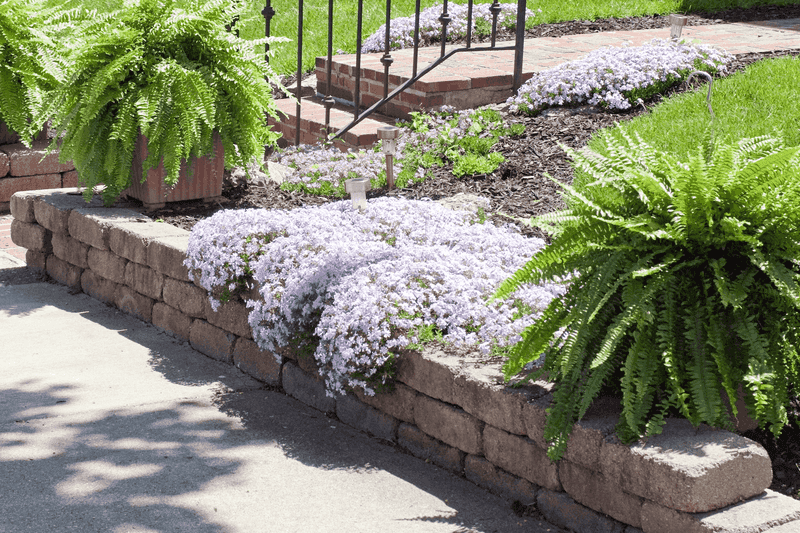
That bare patch under your oak tree does not have to stay dusty, rooty, and empty. Grass struggles there because oaks hog the light and water, but a handful of tough ground covers actually like those conditions.
Fall is the sweet spot in the South, since cooler air and autumn rains help new roots settle in before summer heat returns. Here are seven bloomers that can turn that shady corner into a soft, flowering carpet.
1. Lyreleaf Sage
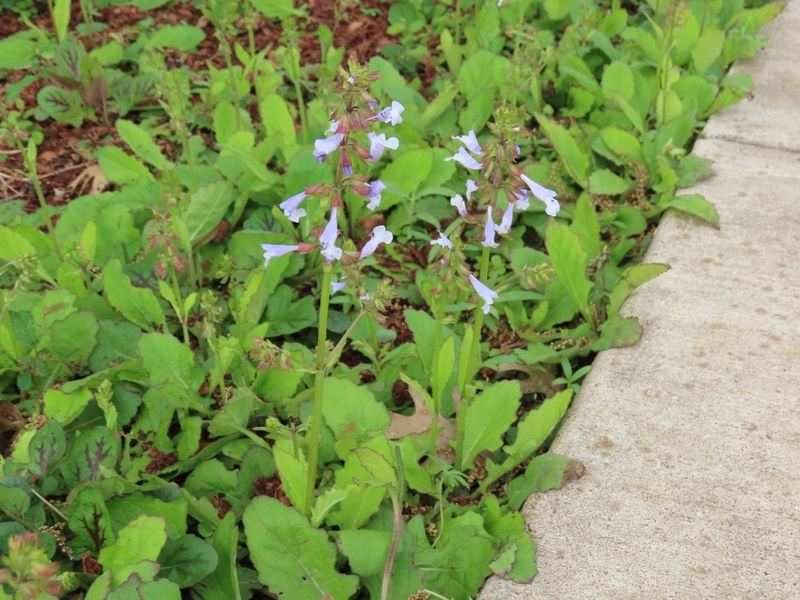
Ask a Texas native plant fan for an easy oak-shade bloomer, and lyreleaf sage often comes up first. Its flat rosettes of purple-veined leaves hug the ground, then send up spikes of pale lavender flowers each spring.
Salvia lyrata is native across much of the Southeast, from Florida up through East Texas. It handles the dry, rooty soil under oaks better than most perennials, and it tends to reseed gently to fill bare gaps over a few seasons.
Bees and early butterflies visit the blooms, so you get wildlife value along with color.
Plant small plugs about 12 inches apart in October or November. Water them weekly through the first winter if rain is scarce, then back off once they settle.
After that, they generally need little help beyond a quick mow or trim after flowering to keep things tidy.
One caution: lyreleaf sage can spread more than some people want in a formal bed. Under an oak, though, that eagerness is the whole point.
You want something willing to roam into those thin spots where grass gave up years ago, and this plant usually obliges without complaint.
2. Creeping Phlox
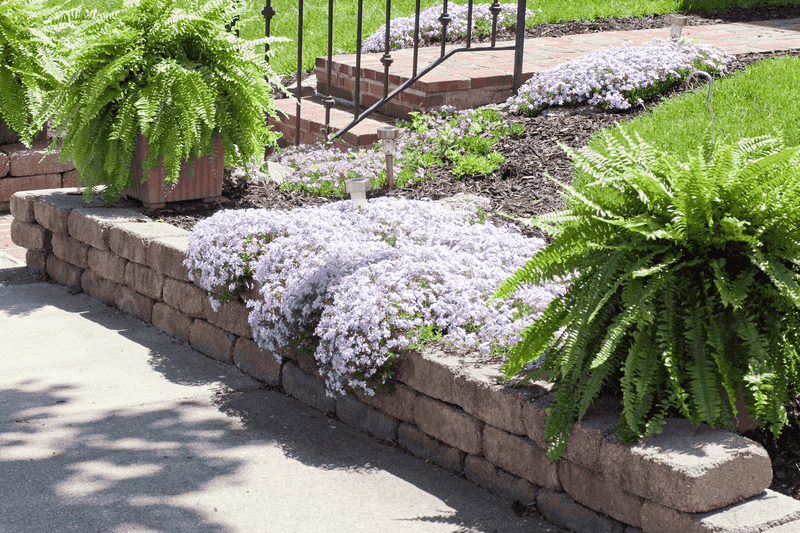
Picture a soft blue haze rolling across the ground every March. Creeping phlox, also called woodland phlox or Phlox stolonifera, delivers that show in shady spots where sun-loving phlox would sulk.
Unlike moss phlox, which wants full sun, the woodland types are built for the filtered light under deciduous trees. Oaks drop their leaves late in the South, so spring sun reaches the ground just as phlox wakes up and blooms.
That timing makes it a natural match for the oak corner.
Give it soil with some organic matter. Working in a couple inches of compost at planting can help it handle the competition from tree roots.
Space plants 12 to 18 inches apart, and expect them to knit together in about two years.
Gardeners in North Florida, Georgia, and East Texas tend to have the best luck. In South Florida, heat and humidity can be too much, so pick something else there.
Keep plants evenly moist through their first summer, since dry spells may cause leaf drop. Once established, the evergreen mats look neat year round and the flowers often draw early swallowtails and bees.
3. Green and Gold
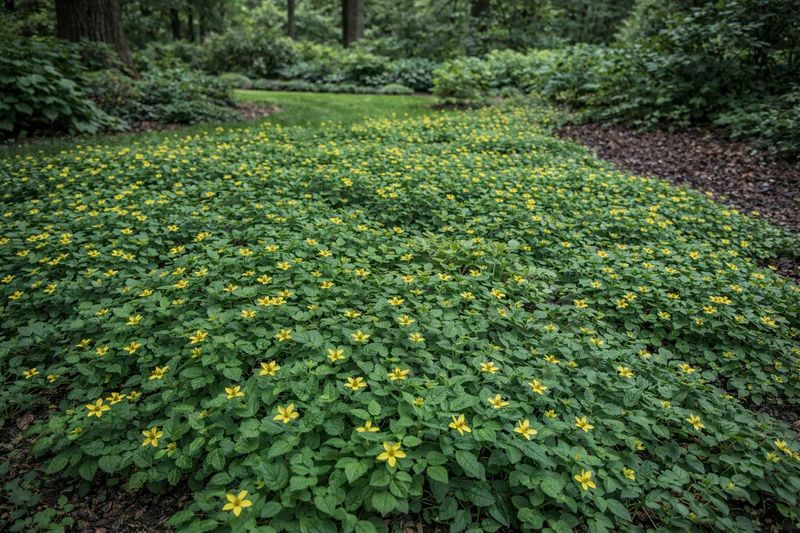
Little yellow stars scattered across dark green leaves give this one its cheerful name. Chrysogonum virginianum, known as green and gold, is a Southeastern native that rarely gets the attention it deserves.
Its biggest selling point is a long bloom season. In mild Southern gardens, flowers often appear in spring and keep popping up off and on into fall, especially if you water during dry stretches.
Few shade ground covers stretch out the color that long.
The plant spreads by short runners, forming a low mat around four to six inches tall. That height works nicely along a path or at the front of a shady bed under an oak canopy.
It tolerates the acidic soil oaks create, which is a relief if hostas and other choices have struggled.
Fall planting gives roots several cool months to grow. Mulch lightly with shredded oak leaves, which conveniently fall right where you need them.
Just avoid smothering the crowns with a thick layer.
Green and gold does best from the Carolinas through North Florida and into East Texas. Drainage matters, so skip low spots where water sits after storms.
4. Ajuga
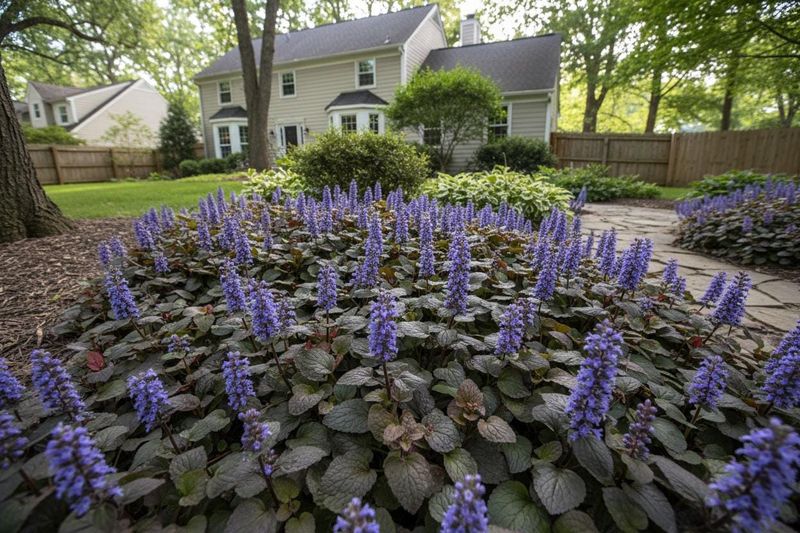
If you need fast coverage and you need it now, ajuga is the sprinter of the group. Also called bugleweed, it forms thick rosettes that spread quickly by runners, choking out weeds as it goes.
Foliage alone earns its place. Varieties like Black Scallop and Chocolate Chip offer glossy bronze, burgundy, or near-black leaves that brighten dull shade.
Then in spring, short spikes of blue flowers rise above the carpet, and bees show up quickly.
Ajuga handles the dry shade under oaks fairly well once established, though it appreciates water during long summer droughts. Its main weakness in the humid South is crown rot.
Planting in well-drained soil and giving plants a little air circulation may reduce that risk.
Set plants about eight to ten inches apart in fall, and they can fill in within a single year. Keep an edge or border nearby, because ajuga will happily creep into your lawn if given a chance.
It grows well across much of Texas and North and Central Florida. For gardeners tired of looking at bare dirt, that quick payoff makes ajuga hard to beat.
5. Wild Blue Violet
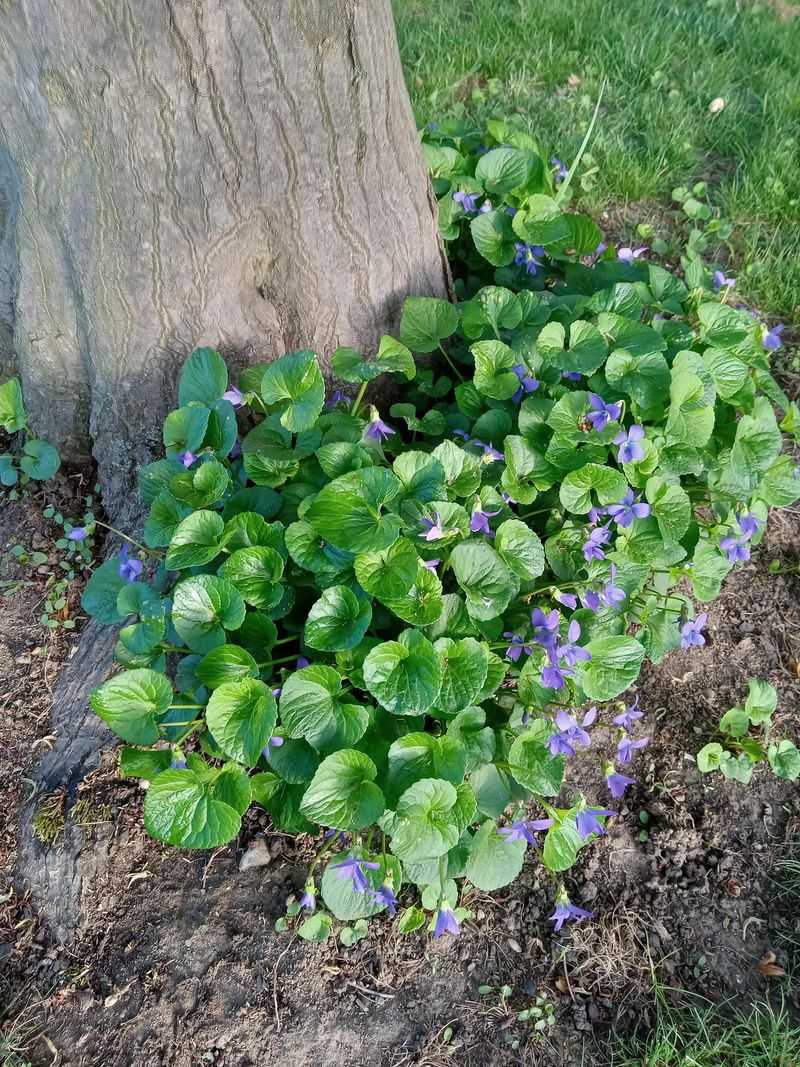
Some folks pull them as weeds. Smart shade gardeners let them stay.
Common blue violet, Viola sororia, is native across the South and thrives in exactly the kind of spot most plants hate.
Heart-shaped leaves form a lush mat, and purple flowers bloom from late winter into spring. In Florida and coastal Texas, violets often stay green most of the year.
They also reseed, so a few plants can become a generous patch over time.
Here is a fun bit: violets are host plants for fritillary butterflies, whose caterpillars feed on the leaves. If you want a wildlife-friendly yard, violets quietly pull double duty as both ground cover and butterfly nursery.
They tolerate root competition, acidic soil, and the occasional drought surprisingly well. Fall is a great time to tuck in plants or transplant clumps from a friend’s yard.
Water them in well and keep them moist for a few weeks.
Because they spread freely, violets suit informal areas better than tidy borders. Under a sprawling oak, that relaxed, woodland look is often exactly what makes the space feel finished rather than forgotten.
6. Partridgeberry
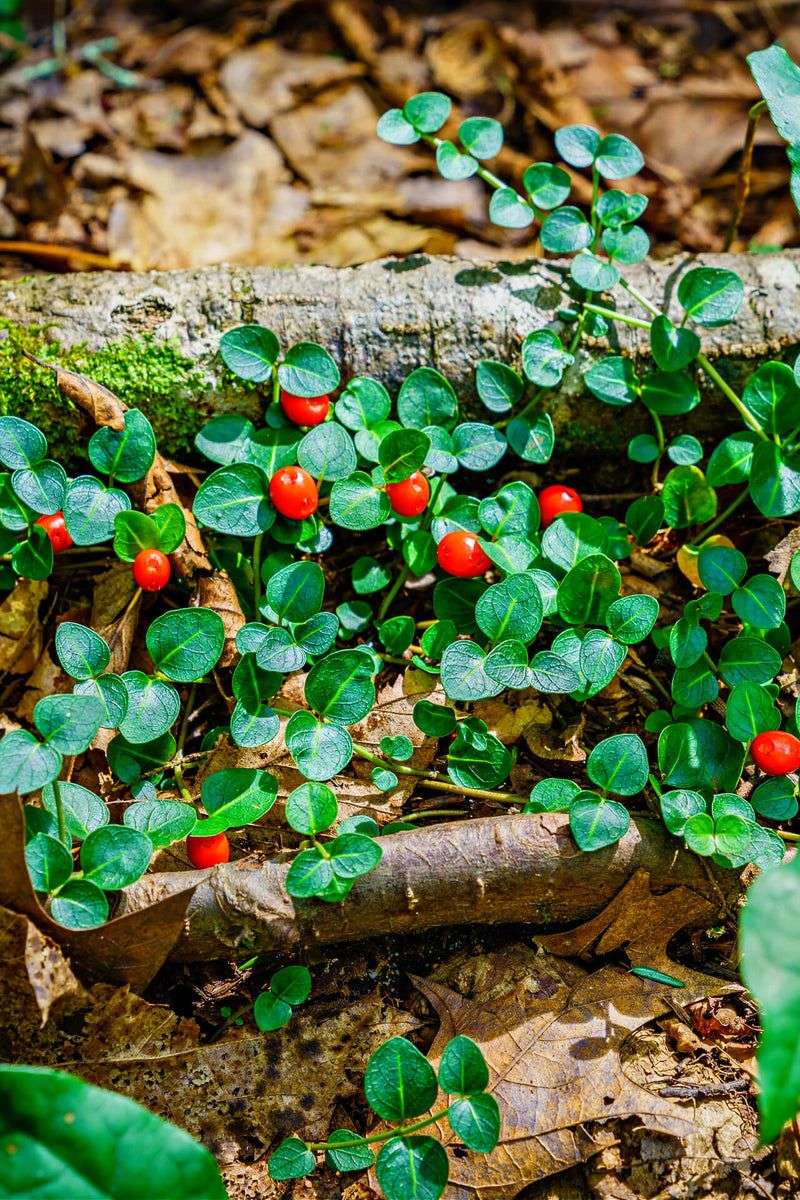
Tiny, glossy, and quietly charming, partridgeberry looks like something you would find on a walk through an old Southern forest. That is because you would.
Mitchella repens grows naturally under oaks and pines from Florida into East Texas.
It stays very low, barely an inch or two tall, trailing across the ground with small round evergreen leaves. In late spring, it produces paired white, fragrant flowers.
Those turn into bright red berries that often hang on through winter, adding color when most of the garden looks tired.
Birds and small wildlife may nibble the berries, which adds another reason to welcome it. The plant prefers acidic, humus-rich soil and steady moisture, so it pairs well with leaf litter under trees.
Fair warning: partridgeberry grows slowly. It will not cover a big area in one season.
Many gardeners use it near a bench, birdbath, or stepping stones where its delicate texture can be appreciated up close.
Plant in fall, mulch with shredded leaves, and be patient. Over a few years, it can form a fine-textured evergreen rug that feels like a little piece of native woodland.
7. Cast Iron Plant
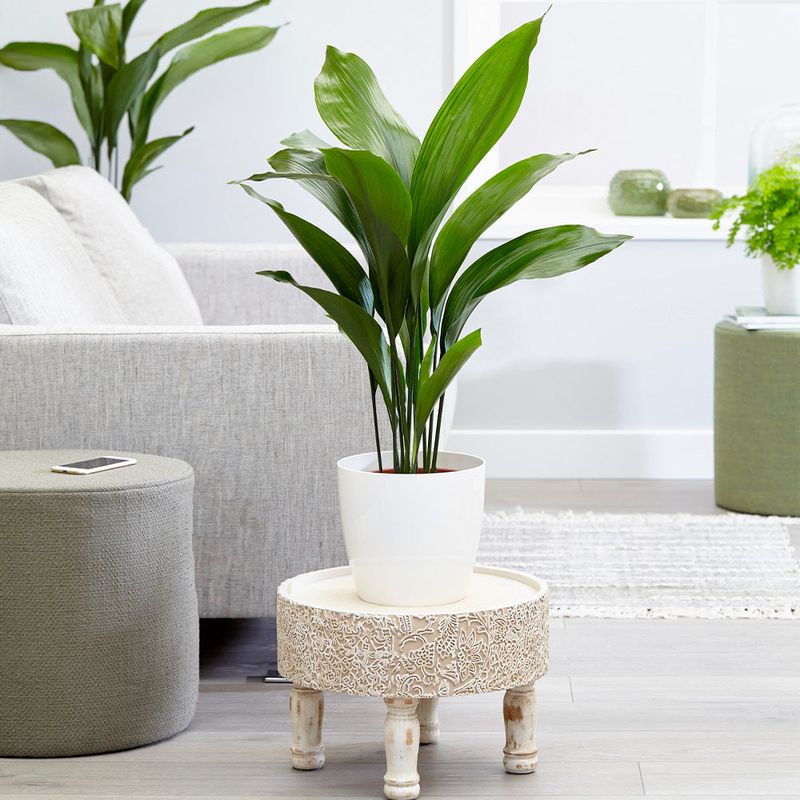
When everything else has failed, there is cast iron plant. Aspidistra elatior earned its tough name in Victorian homes, where it survived dim parlors, gas lamps, and neglect.
Outdoors in the South, it handles deep shade, dry soil, and root competition better than almost anything. That makes it a smart backup for the darkest spot right against the oak trunk.
Its upright, glossy leaves grow about two feet tall, adding height and structure the low creepers cannot.
Now, about the blooms. Cast iron plant does flower, but the small purple blossoms sit right at soil level and are easy to miss.
Think of them as a hidden treat for curious gardeners rather than a big show. Pairing cast iron plant with violets or ajuga at its feet gives you both bold foliage and visible color.
It grows well across most of Texas and Florida, though harsh afternoon sun can scorch the leaves. Plant in fall, water through winter, and then mostly leave it alone.
Trim any brown or tattered leaves at the base in late winter. New growth usually follows in spring, keeping that shady corner looking full.