
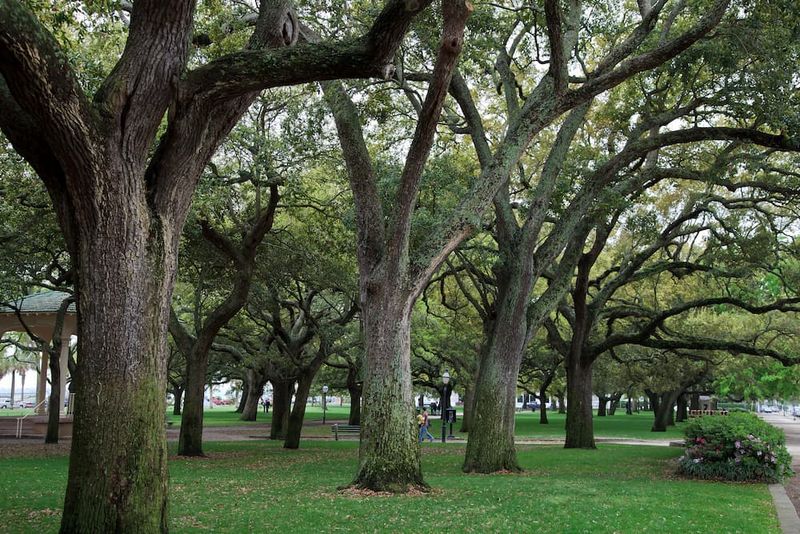
Podocarpus looks tidy at the nursery, but plenty of Texas yards have watched it brown out in drought, sulk in alkaline clay, or freeze back after a hard winter. Native trees grew up with our triple-digit summers, our water restrictions, and our wild swings in weather.
Many of them also feed birds and bees while they block the neighbor’s view. Here are eight Texas natives that can build a thick, living wall you will actually be proud of.
1. Yaupon Holly
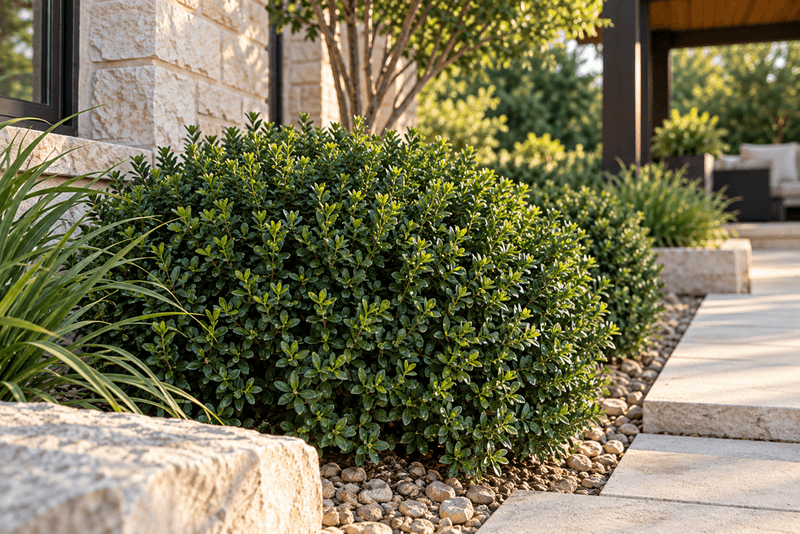
Ask any Texas landscaper for one native screen plant and yaupon will probably come out of their mouth first. Ilex vomitoria is evergreen, tough as boot leather, and happy in everything from Houston gumbo clay to Hill Country limestone.
Upright forms like ‘Will Fleming’ or tree-form yaupon can reach 15 to 20 feet, while standard shrubby types fill in low gaps nicely. Plant them about 4 to 6 feet apart and you can expect a solid wall within a few seasons.
Female plants carry glossy red berries through winter, which cedar waxwings and mockingbirds strip clean. Once established, yaupon often gets by on rainfall alone, a real perk during summer watering limits.
2. Texas Mountain Laurel
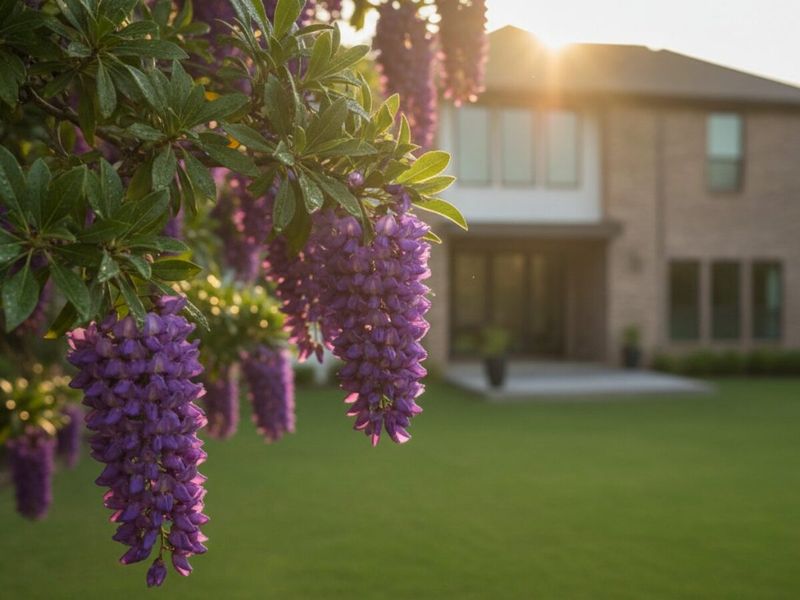
Grape soda. That is what the spring blooms smell like, and once you catch a whiff you will understand why Texans get sentimental about this tree.
Texas mountain laurel keeps thick, glossy evergreen leaves all year and slowly grows into a multi-trunk screen 10 to 15 feet tall. It loves rocky, well-drained soil and full sun, so it shines in San Antonio, Austin, and West Texas yards where podocarpus struggles.
The catch is patience, since it grows slowly. The seeds are also toxic, so keep curious kids and pets from chewing them, and avoid soggy spots where roots can rot.
3. Wax Myrtle
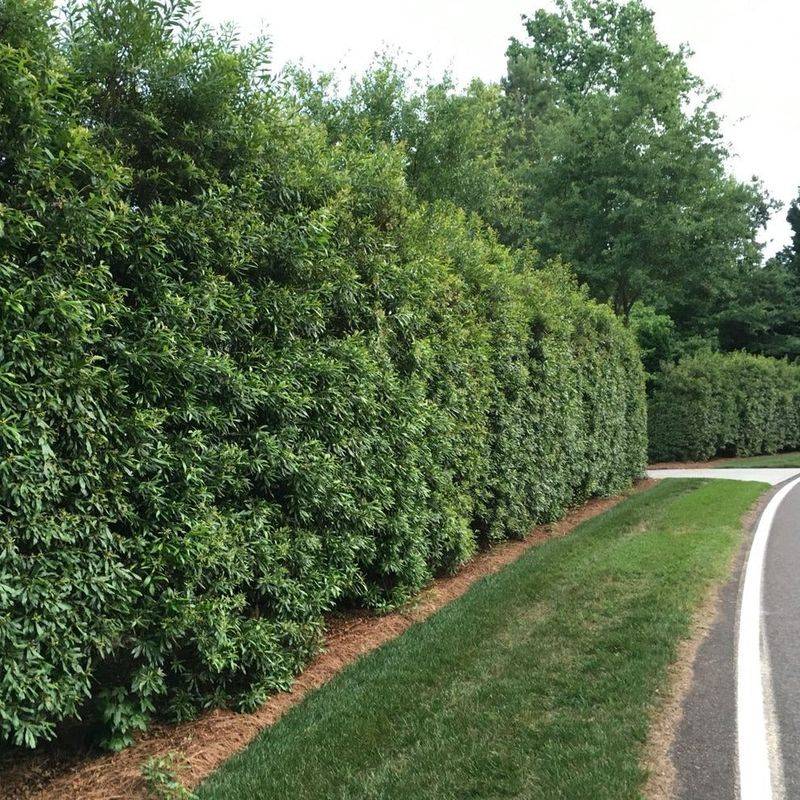
Need privacy before next summer’s pool parties? Wax myrtle is the sprinter of this list, often adding 3 to 5 feet a year in good conditions.
Native to East Texas and the Gulf Coast, Morella cerifera handles wet soil, salt spray, and humidity better than most screens. Its aromatic leaves were once used to make bayberry candles, and some gardeners say the scent may help discourage a few insects.
Fair warning, it can get leggy and sometimes suffers in long droughts out west. A light trim each spring keeps it bushy at the bottom where you need coverage most.
4. Cherry Laurel
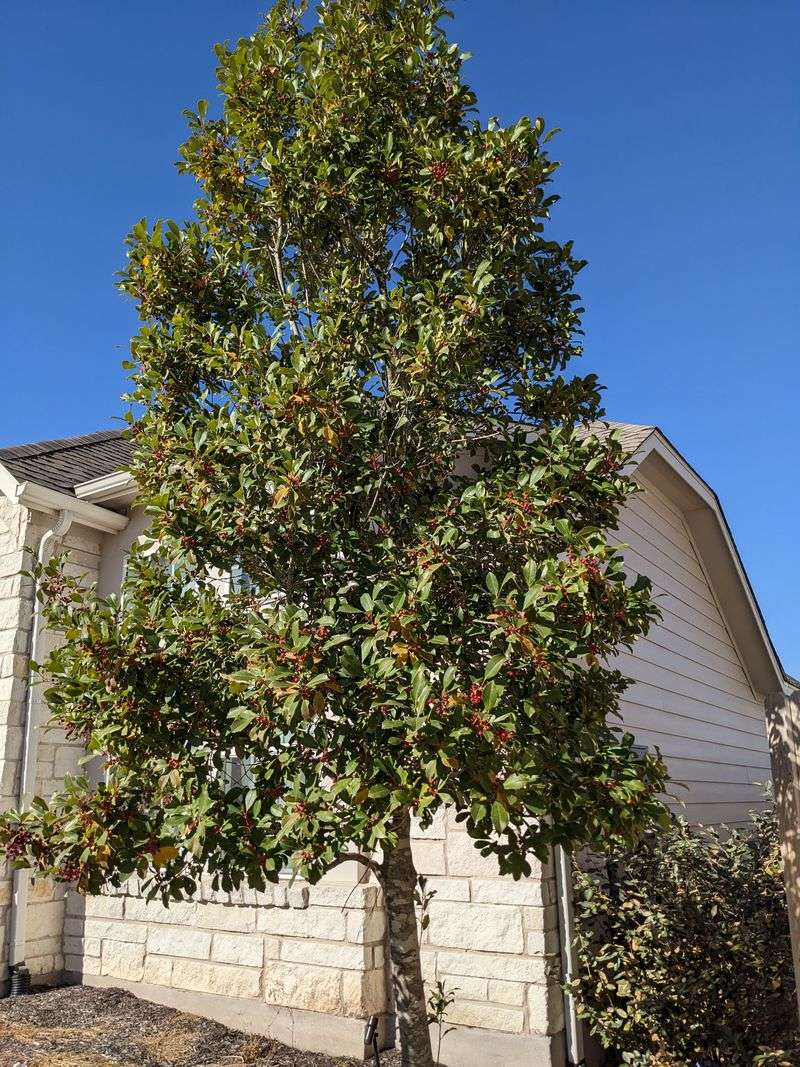
Shiny leaves, fast growth, and real height make Carolina cherry laurel a classic choice for blocking a two-story neighbor. Mature trees can top 20 to 30 feet with a dense, rounded crown.
It thrives in East and Central Texas and tolerates partial shade under bigger oaks. Small white spring flowers draw bees, and the black fruit feeds birds in fall.
Give it decent drainage and avoid planting too close to the house. Seedlings can pop up around the yard, so pull volunteers while they are small.
5. Possumhaw Holly
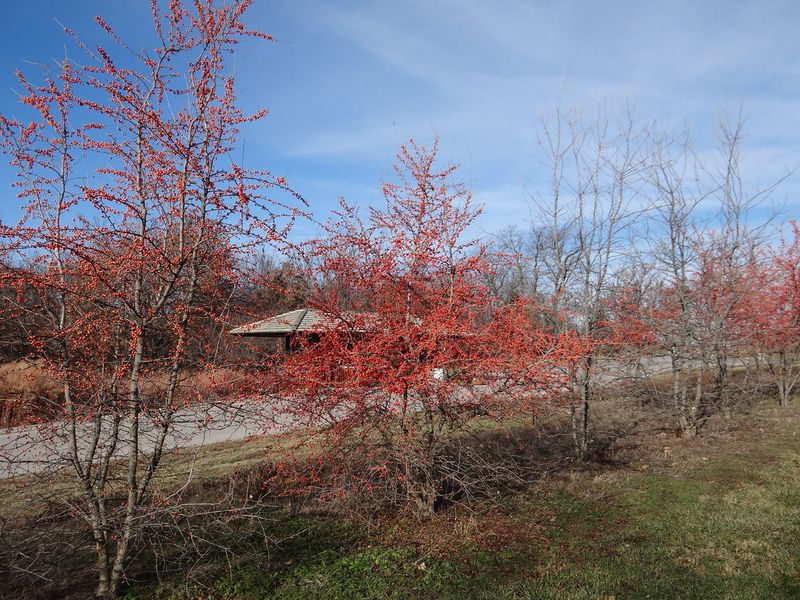
Here is the honest wildcard. Possumhaw drops its leaves in winter, so it will not give total year-round cover the way yaupon does.
So why include it? The bare branches turn into a brilliant red berry display from November through February, and robins and bluebirds flock to it.
Mixed into a row of evergreens, it adds seasonal drama and wildlife value that a solid podocarpus wall never could.
It handles clay, poor drainage, and drought across most of Texas.
6. Texas Sabal Palm
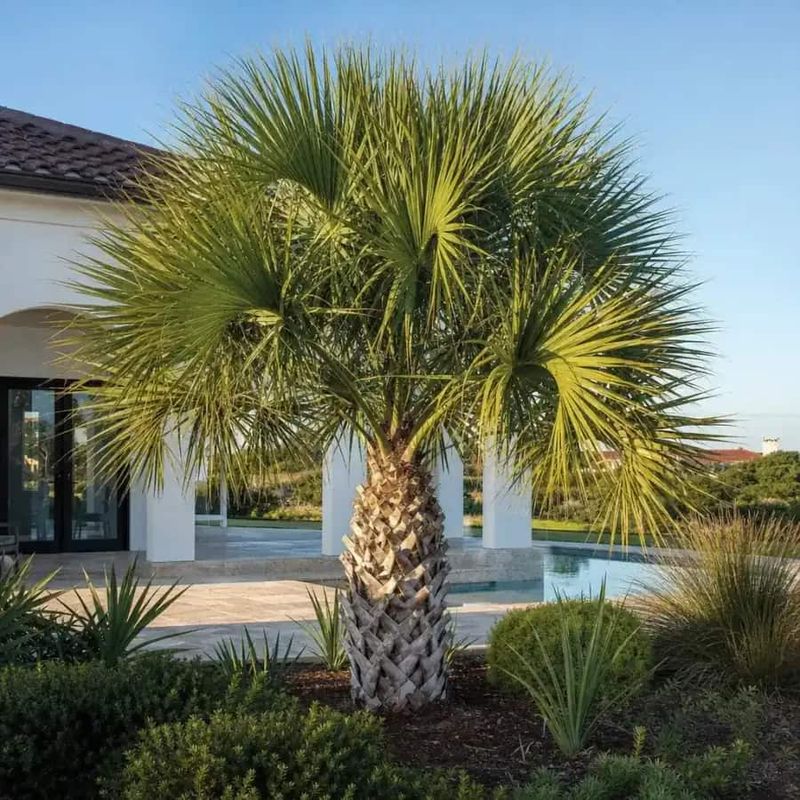
Down in the Rio Grande Valley, the only native palm in Texas has been standing guard for centuries. Sabal mexicana brings big fan-shaped fronds that block views at eye level and above.
A cluster of three or more creates a tropical screen that shrugs off heat and, in many cases, strong Gulf storm winds better than brittle trees. It is hardy into the low teens once mature, so it also works around Corpus Christi and Houston.
Young palms grow slowly at first. Underplant with yaupon or Turk’s cap to fill the lower gap while the trunks rise.
7. Escarpment Live Oak
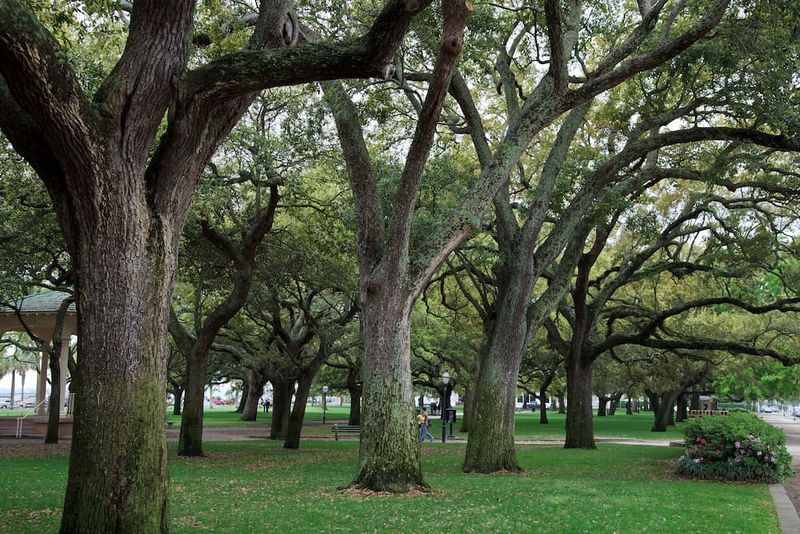
Some privacy problems are about the view from above, like a neighbor’s upstairs window. For that, nothing beats a broad evergreen canopy.
Escarpment live oak grows more upright than coastal live oak, fitting smaller lots in the Hill Country and North Texas. It holds its leaves nearly all year, tolerates limestone and drought, and supports hundreds of insect species that feed nesting birds.
Plan for the long game, since this is a forever tree. Avoid pruning from February through June to lower oak wilt risk.
8. Eastern Red Cedar
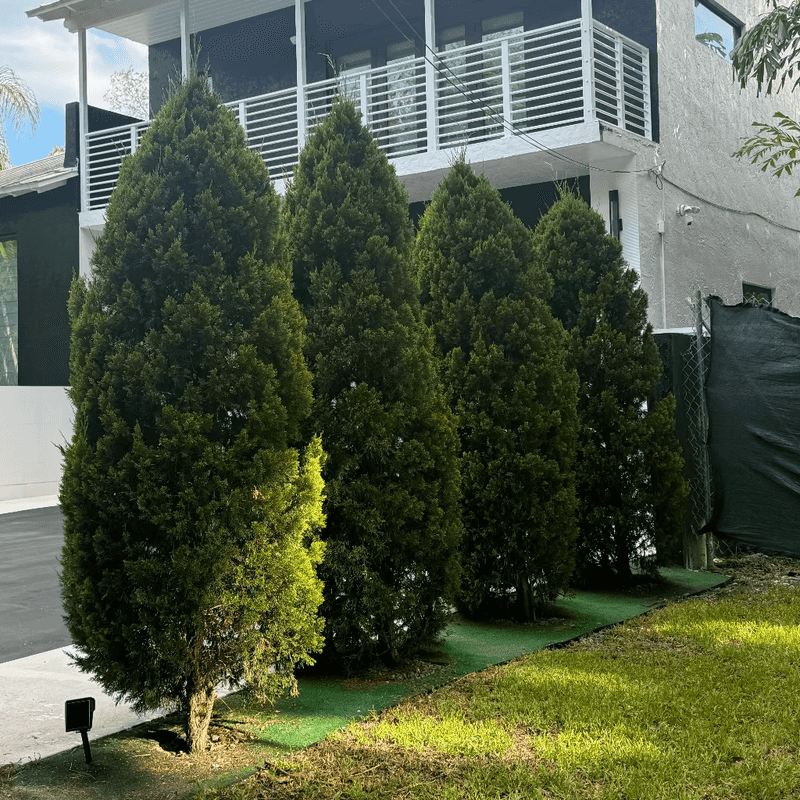
Farmers across North Texas have planted eastern red cedar as windbreaks for generations, and the same toughness works in a suburban backyard.
It forms a dense, evergreen column 30 feet or more tall, handling heat, cold snaps, and drought with little fuss. Blue berry-like cones feed cedar waxwings, and the thick foliage gives songbirds safe nesting cover.
Choose female or male plants based on allergy concerns, since males release winter pollen. Keep it away from apple trees to avoid cedar-apple rust.