
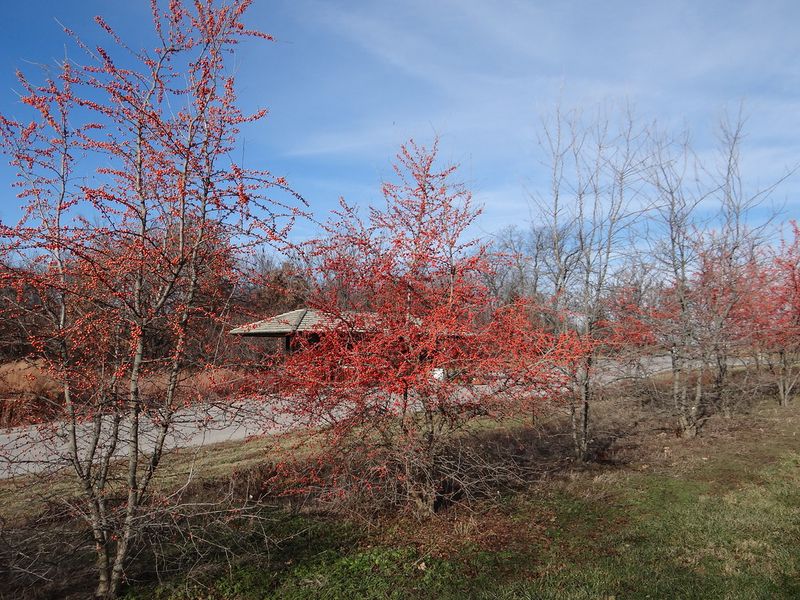
When the leaves drop in November, a lot of Texas yards suddenly feel wide open to the street and the neighbors. The good news is that Texas has its own tough, evergreen shrubs that stay green through winter and still handle our brutal summers.
Native hedges also need less water once settled in, and they feed birds and bees that live here. Here are ten great choices, plus where each one works best in your yard.
1. Yaupon Holly
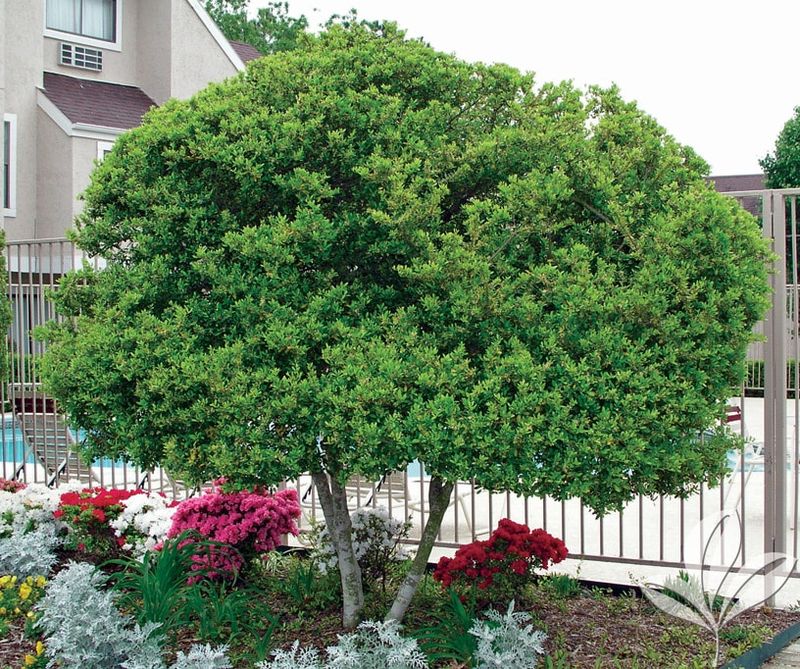
Cedar waxwings and mockingbirds know exactly where the yaupon holly grows, and they show up every winter for its red berries. Few native shrubs pull off privacy, color, and wildlife food all at once quite like this one.
Yaupon (Ilex vomitoria) grows naturally from East Texas to the Hill Country and handles clay, sand, and even alkaline soil. Left alone, it can reach 15 to 20 feet, but it takes shearing well, so you can keep it as a tidy 6-foot screen.
Only female plants make berries, so buy from a nursery that labels them.
Fun fact: yaupon is the only native North American plant with caffeine, and its leaves were brewed into tea for centuries. Plant it in full sun to part shade, space shrubs about 4 feet apart for a solid wall, and water weekly through the first summer.
2. Dwarf Yaupon Holly
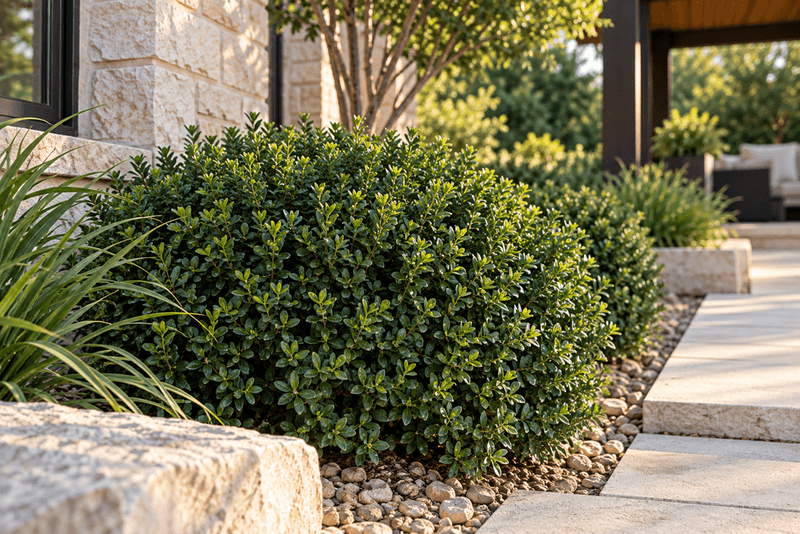
Not every yard needs a tall wall. Sometimes you just want a low green border that hides the AC unit or edges a front walk, and dwarf yaupon is the answer.
Cultivars like ‘Nana’ and ‘Schillings’ form tight mounds about 3 to 4 feet tall and wide. They almost never need trimming to stay neat, which saves real time on weekends.
They also shrug off heat, drought, and the reflected glare from driveways.
Use them as a foundation hedge, along a patio, or in front of taller natives for a layered look. Most dwarf forms are male and won’t fruit, but you get year-round green with very little fuss.
3. Texas Mountain Laurel
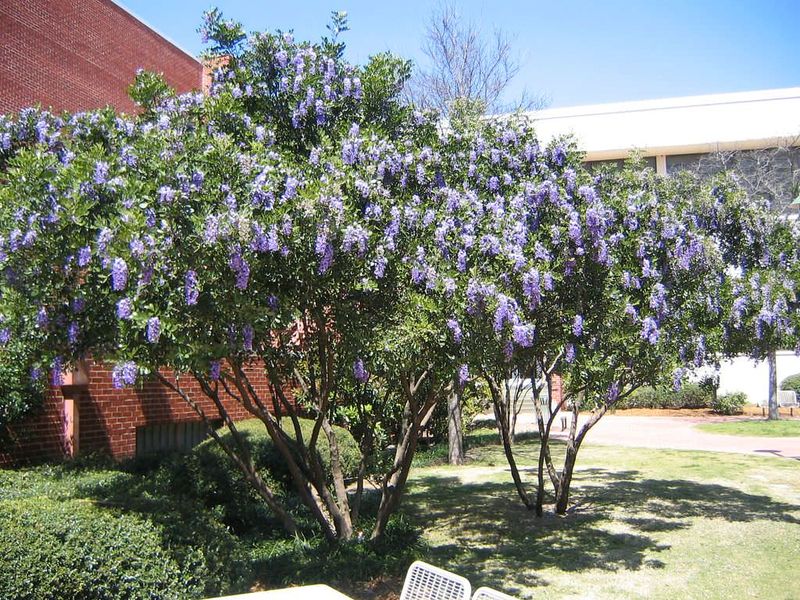
Ask anyone who has smelled one in March, and they will tell you Texas mountain laurel smells exactly like grape soda. That spring perfume is a bonus on top of thick, shiny leaves that stay green all year.
Native to Central and West Texas, it thrives in rocky, alkaline soil and needs very little water once established. It grows slowly into a large shrub or small tree around 10 to 15 feet tall.
Planted in a row, it makes a handsome, informal privacy screen.
One caution: the bright red seeds are poisonous, so think twice if small kids or curious dogs play nearby. Give it full sun and good drainage, and skip heavy pruning.
Its natural shape looks best.
4. Wax Myrtle
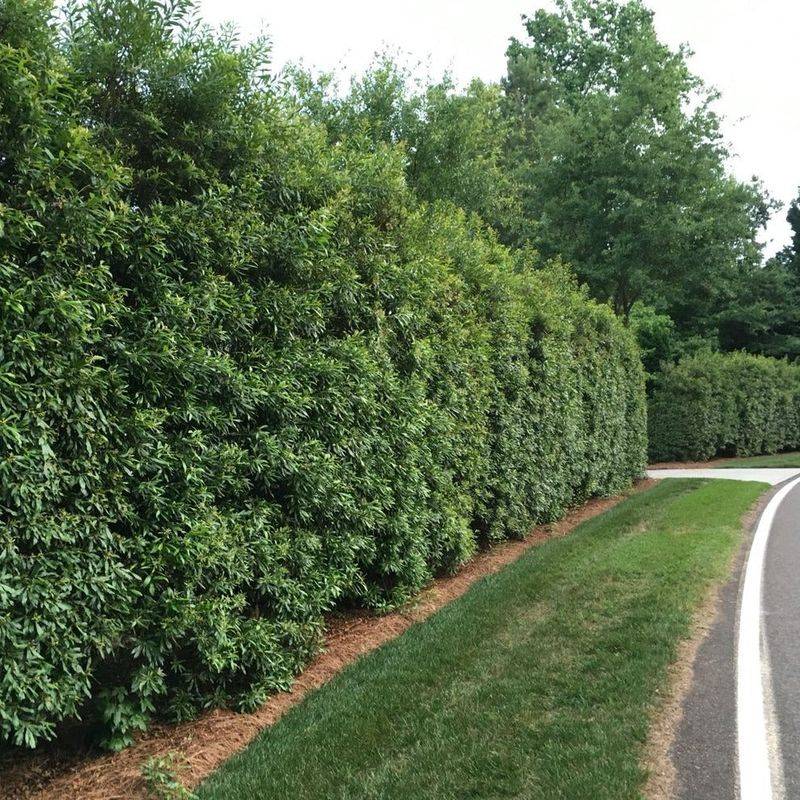
Need privacy fast? Wax myrtle is the sprinter of native hedges, often adding 3 to 5 feet in a single year.
Also called southern bayberry, it grows wild in East Texas and along the Gulf Coast. It loves moist soil but can handle some dry spells, and it tolerates salt spray better than many shrubs.
Crush a leaf and you’ll catch a spicy, clean scent.
Female plants carry waxy blue-gray berries that yellow-rumped warblers love in winter. Trim it once or twice a year to keep it dense, since it can get leggy.
Bear in mind it may struggle in the driest parts of West Texas without extra water.
5. Cenizo (Texas Sage)
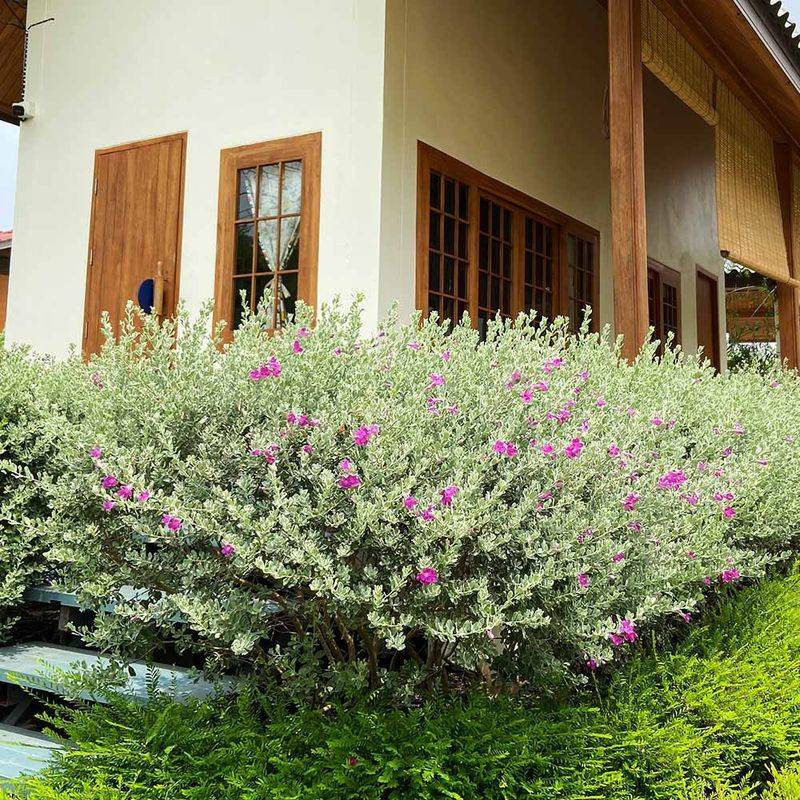
Old-timers call it the barometer bush, because cenizo often bursts into purple flowers right after a summer rain. That trick alone makes it a West Texas favorite.
Its soft silver leaves stay on through winter in most of the state, giving a cool contrast to darker greens. Cenizo is about as drought-proof as hedges get and actually dislikes rich soil and frequent watering.
Too much water is the quickest way to lose it.
Plant it in full sun with sharp drainage, about 4 to 5 feet apart. Avoid shearing it into boxes, which cuts off flowers.
A light shape in late winter keeps it full.
6. Agarita
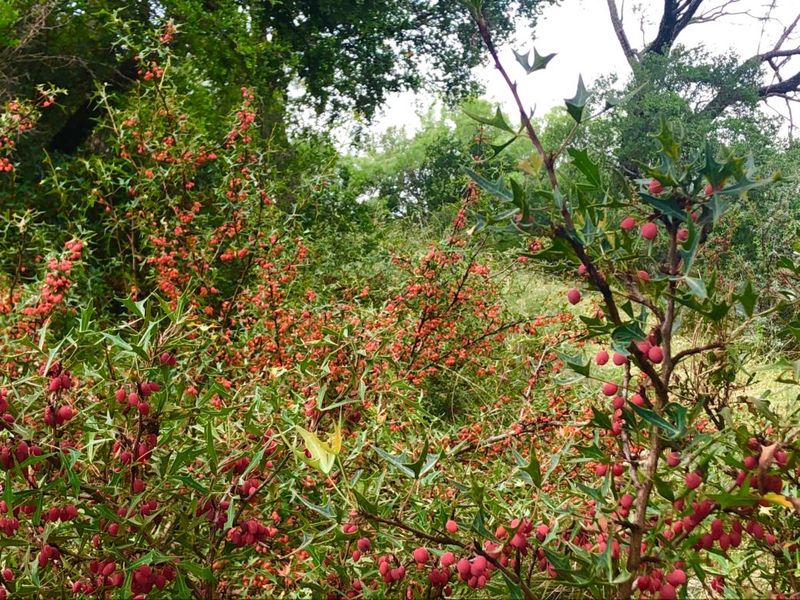
Here is a hedge that guards itself. Agarita’s stiff, holly-like leaves end in sharp points, so few people, deer, or stray dogs push through it.
It grows wild across Central and West Texas, handling caliche, heat, and long dry stretches without complaint. In late winter, tiny yellow flowers smell sweet and feed early bees.
By late spring, red berries appear, and folks have long turned them into jelly.
Use agarita along property lines or under windows where a security barrier makes sense. Wear thick gloves when planting.
It grows slowly to about 6 feet, so it rewards patience more than speed.
7. Evergreen Sumac
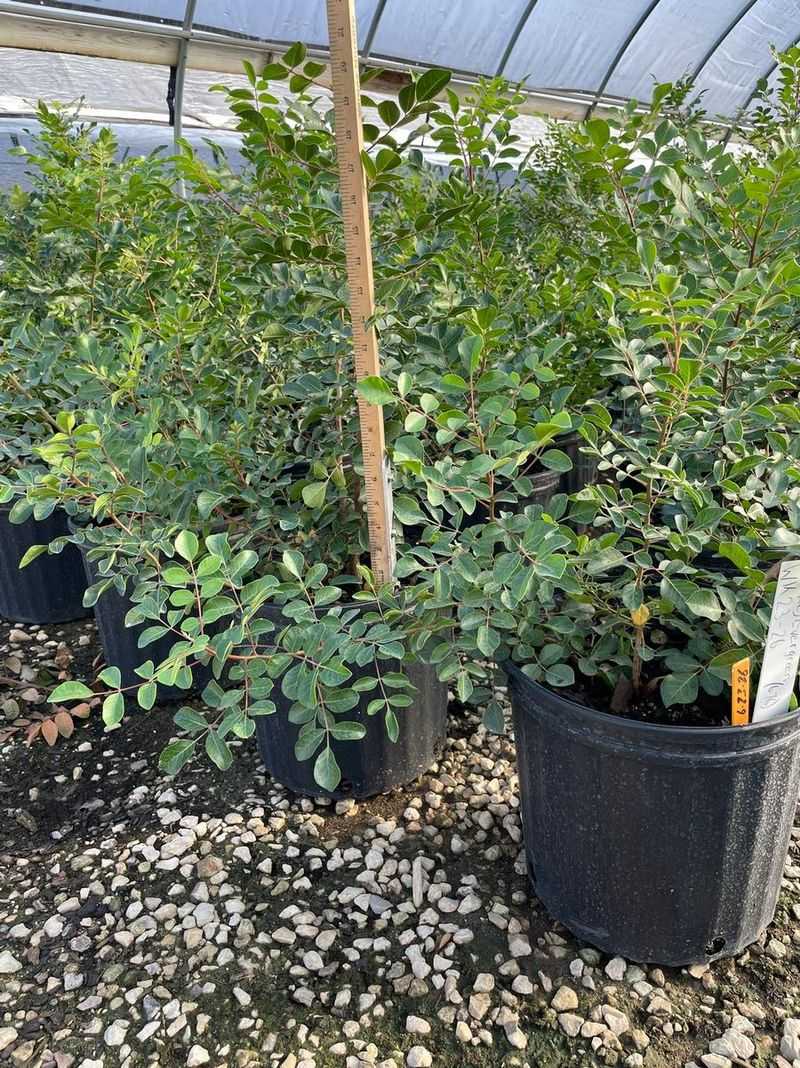
Gardeners who try evergreen sumac often wonder why it isn’t in every nursery. Its glossy leaves shine like they were polished, even in a January cold snap.
Native to the Edwards Plateau and nearby areas, Rhus virens loves limestone soil and full sun. It grows into a rounded shrub around 8 to 12 feet tall.
Late summer flowers buzz with bees, and fuzzy red fruit follows for the birds.
It isn’t the poison kind of sumac, so no worries there. It does need good drainage and won’t enjoy soggy clay.
For a loose, natural screen in Central Texas, it’s hard to beat.
8. Cherry Laurel
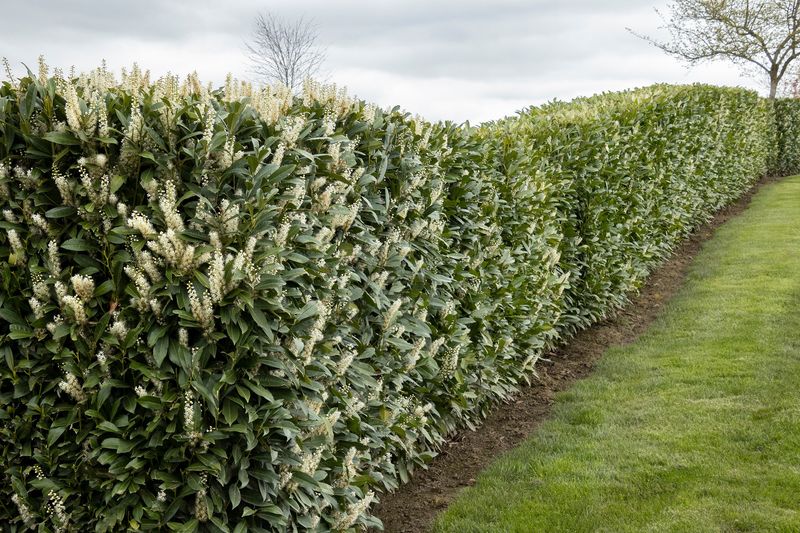
For a true green wall that hides a two-story house next door, cherry laurel deserves a look. It can grow 20 feet or more, with thick, shiny leaves top to bottom.
Native to East and Southeast Texas, Carolina cherry laurel handles shade better than most hedges here. Small white flowers show up in spring, and black fruit feeds birds later in the year.
It takes shearing well if you want a formal look.
A fair warning: leaves and seeds can be toxic to livestock, and it may struggle in very alkaline soil out west. Seedlings can pop up nearby, so pull them while small.
Compact types like ‘Bright n Tight’ fit smaller lots.
9. Texas Barometer Bush ‘Silverado’

Love cenizo but short on space? ‘Silverado’ is a compact selection bred from wild Texas stock, and it stays tight and tidy without constant trimming.
It tops out around 5 feet with thick, silvery leaves that keep their color in winter. Lavender flowers still pop after summer storms, just like its wild cousins.
Driveways, sidewalks, and hot west-facing walls are where it really shines.
Give it zero fuss: full sun, lean soil, and very little water after year one. It’s a smart pick in cities with strict watering rules, since it may need almost no irrigation once rooted.
10. Possumhaw Paired With Evergreens
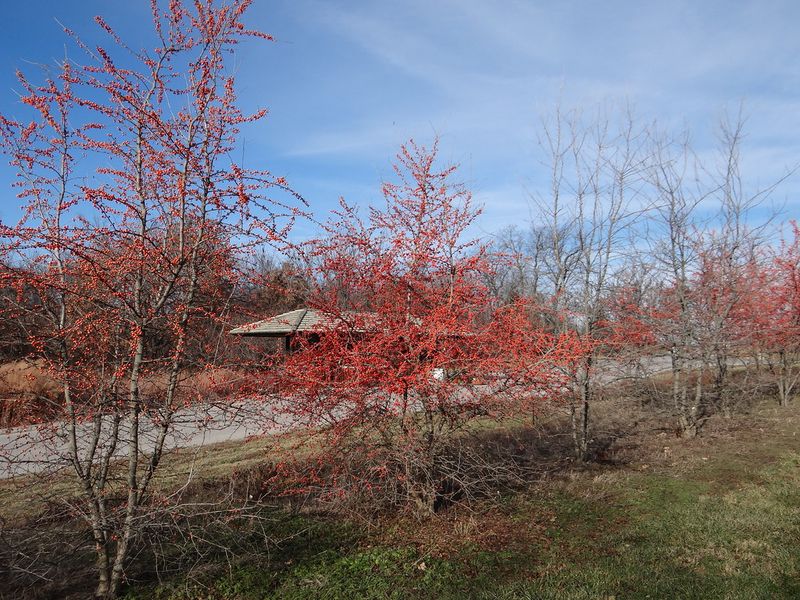
Picture a green hedge sparkling with bright red berries in January. Mixing possumhaw holly into an evergreen row creates exactly that look.
Possumhaw drops its leaves in winter, so it won’t give privacy alone. Tucked between yaupon or wax myrtle, though, its bare branches covered in fruit look like holiday lights.
Bluebirds and robins clean them off by late winter.
Try one possumhaw for every three or four evergreen shrubs. A mixed hedge also tends to hold up better against pests than a single-plant row.
Plant in fall or winter, when cooler weather helps roots settle before summer heat returns.