
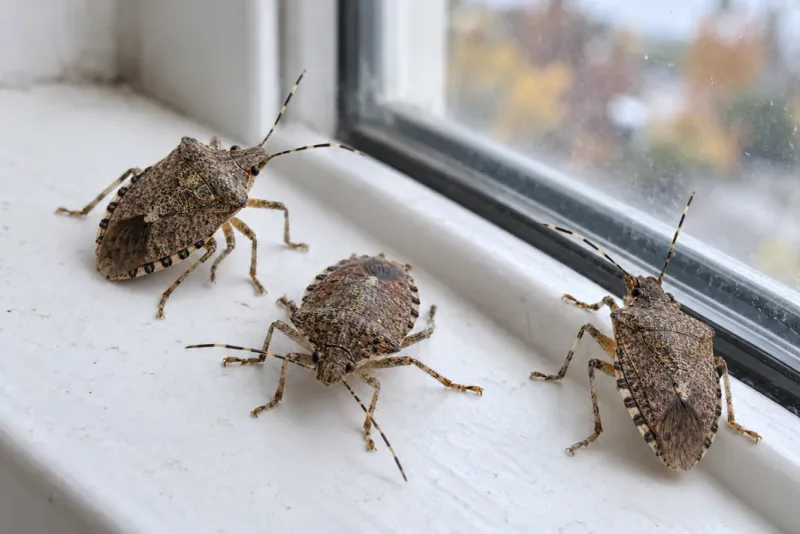
Every fall, stink bugs start crowding onto porches and creeping toward warm indoor spaces. A popular claim says mint can keep them away from your doors.
A real study did look at spearmint, but what it found is narrower than the headlines suggest. Here is what it showed, and what actually helps keep these bugs outside.
What the spearmint research actually tested
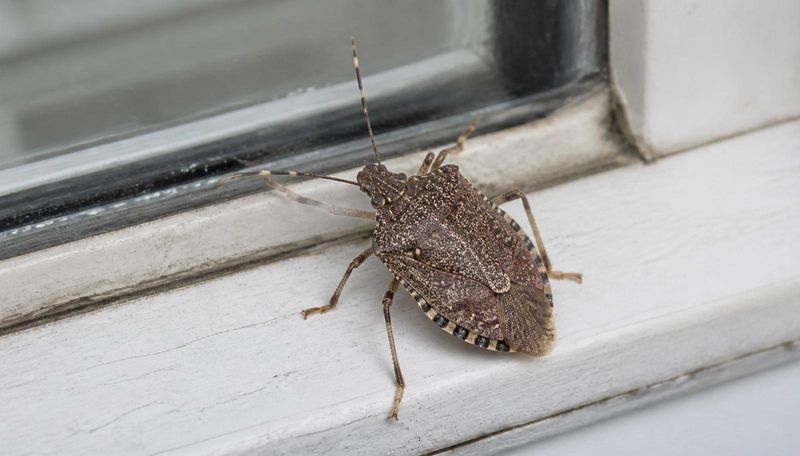
Researchers ran a field study on essential oils as spatial repellents for the brown marmorated stink bug. They found that spearmint essential oil reduced the bugs’ attraction to traps that were baited with an attractant.
That result applies to those traps, under those study conditions.
Plenty was left untested. The researchers did not use fresh mint leaves or sprigs.
They did not plant mint beside a door, and they did not check whether mint keeps bugs out of a house.
The finding also covers one species, the brown marmorated stink bug. It says nothing about stink bugs in general.
A drop in trap attraction is interesting science, but it is a long way from a proven doorway fix. Think of it as a clue for future research, not a recipe for your porch.
Identify the bug before applying species-specific advice
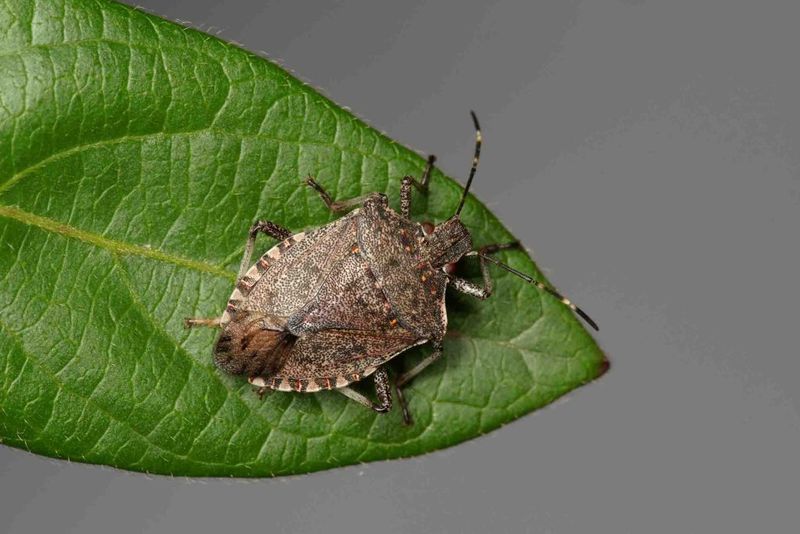
Stink bug is a catch-all name for several species. Mississippi State Extension notes that more than one kind turns up in that state, so tips written for brown marmorated stink bugs should not automatically be applied to every shield-shaped bug on your siding.
Pressure also varies by region. The EPA reports the highest concentrations and major agricultural damage in the Mid-Atlantic.
A homeowner in Florida or Texas may see a very different mix of bugs, or far fewer of them, than a reader in Maryland.
If you cannot tell what you are looking at, take a clear photo or catch a specimen and contact your local cooperative extension office. The National Pesticide Information Center suggests this route for uncertain identification.
A correct name tells you which advice actually fits.
Why brown marmorated stink bugs seek shelter in fall

As temperatures drop, brown marmorated stink bugs look for protected places to spend the winter. Your house is a very good candidate.
According to the EPA, they can slip into buildings through gaps around doors, windows, vents, and other openings.
That is why you often spot them clustered on sunny walls in the afternoon. They are scouting for a crack to crawl into.
Once inside a wall void or attic, they may stay put until warmth wakes them up.
The behavior points to a simple plan: if the gaps are closed, there is nowhere to go. Keep in mind this describes the brown marmorated species.
Other stink bugs may act differently, so confirm what you have if you are unsure. Southern readers with milder winters may notice the activity later or in smaller numbers, but the same gap-sealing habits cost little and pay off either way.
Close gaps around doors
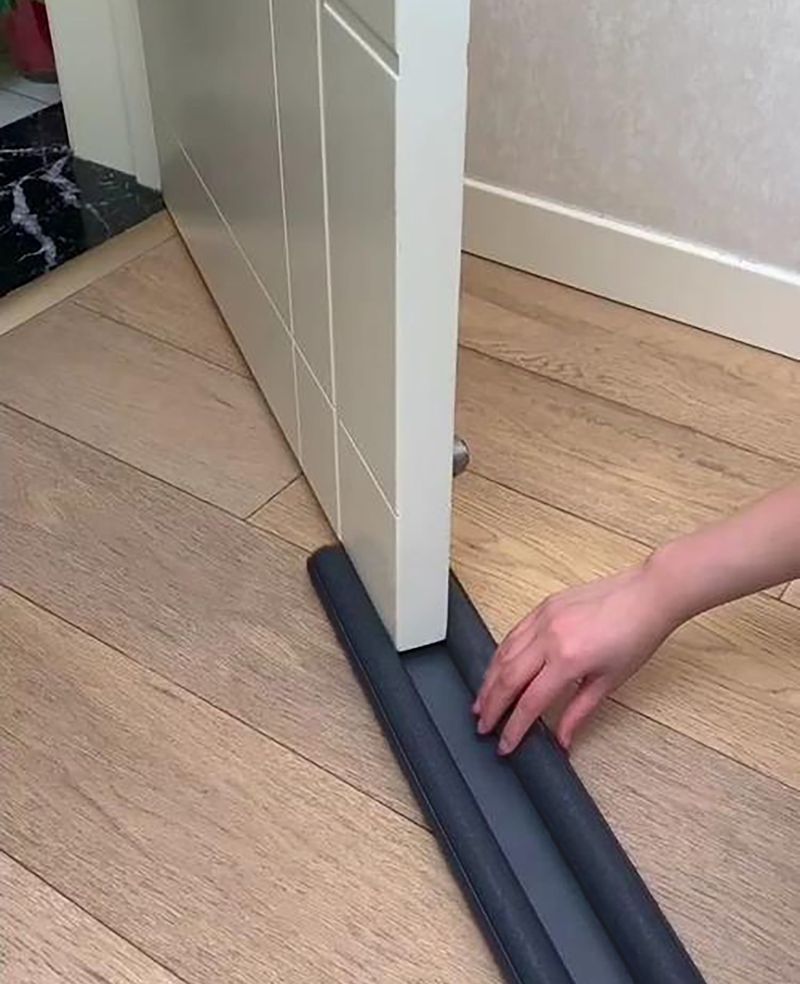
Start at the front and back doors, since they are the most used openings. Check the edges in daylight and look for slivers of light, cracks in trim, or loose caulk.
Run a hand along the bottom to feel for drafts.
The UC Statewide IPM Program and the EPA both point to exclusion as the core prevention step. Seal cracks with caulk, replace worn weather stripping, and add a door sweep where daylight shows under the door.
Do not forget screen doors. A torn corner or a loose frame is an open invitation.
Patch small holes or replace the screen.
These repairs are the practical focus for your doorway. A pot of mint will not close a gap, but a tube of caulk will.
Check windows, vents, and other openings
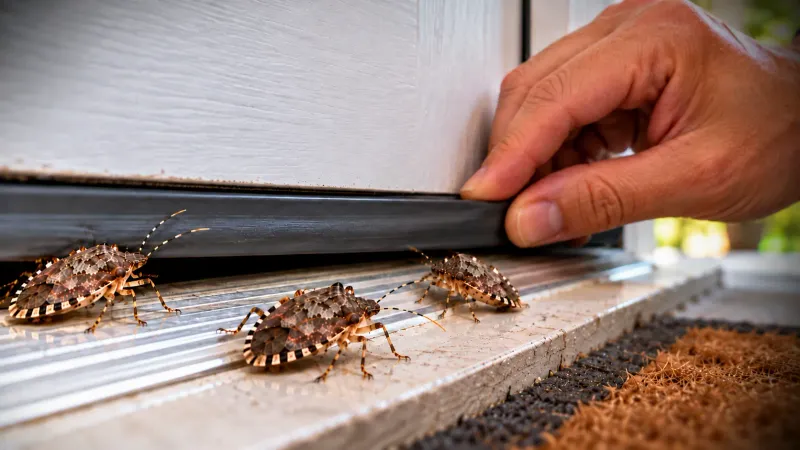
A bug that cannot get through the door will look elsewhere. Walk around the house and test every window for loose seals, cracked caulk, and damaged screens.
Make sure window screens fit snugly in their frames.
Vents deserve attention too. Dryer vents, attic vents, and soffit openings can all be entry routes.
The EPA lists vents among the places where these bugs can get in.
Look as well at siding joints, spots where pipes or cables enter the house, and gaps beneath utility fixtures. UC IPM guidance recommends sealing cracks and repairing screens as the main way to keep them out.
Do this inspection before the bugs arrive in numbers. It pairs with the door work you already did, and no plant can stand in for an unsealed opening.
Remove indoor bugs without crushing them
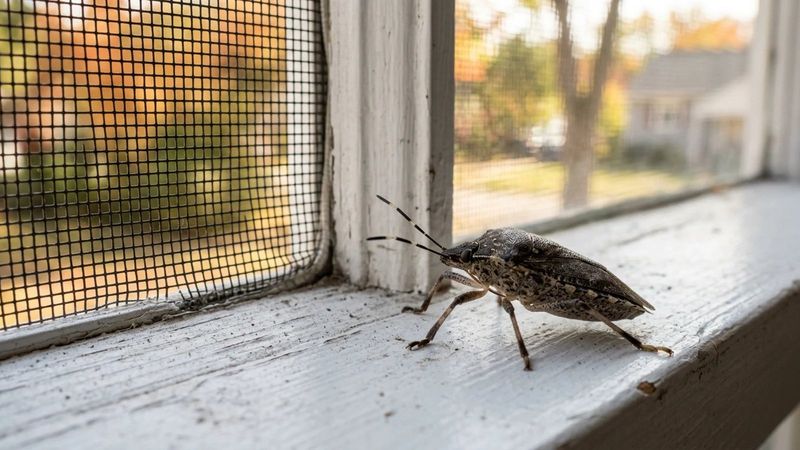
Some bugs will get in anyway. When you find one, resist the urge to smash it.
Crushing a stink bug can release an unpleasant odor that lingers in the room.
Vacuuming or collecting them is the better move. Both the UC Statewide IPM Program and the National Pesticide Information Center recommend this approach.
You can also scoop one into a cup with a piece of paper and release it outside.
Skip the indoor spray. The UC IPM program notes that indoor pesticide sprays are generally ineffective for lasting control.
More bugs may simply wander in behind the ones you treated.
The lasting fix is upstream. Go back to the doors, windows, and vents, and close what you missed.
Treat mint as unproven for home protection
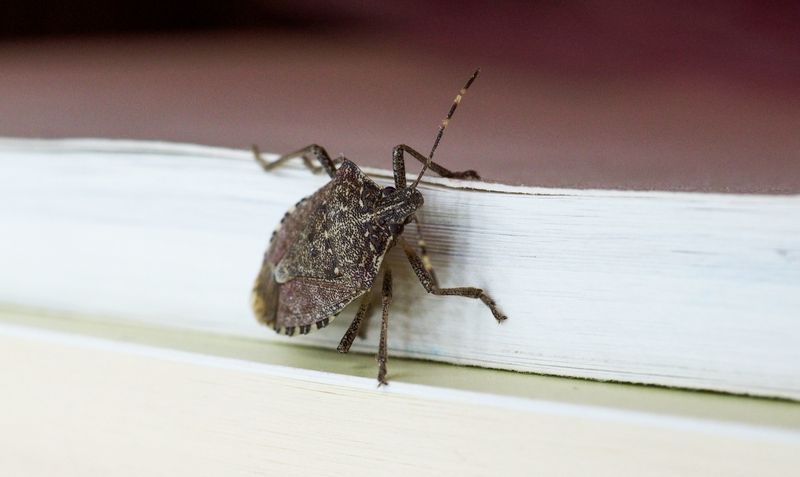
Here is the decision in plain terms. If you like mint for tea, cooking, or pollinators, keep it or plant it.
Just do not count on fresh mint or mint essential oil to keep stink bugs out of your house.
The spearmint study looked at baited traps and one stink bug species. It did not establish a home treatment, a way to apply it, or how long any effect might last.
It also did not show that oils are safe for use around people or pets.
For real protection, follow the steps that extension programs favor. UC IPM puts sealing entry points first.
A fragrant herb makes a nice porch. A tight door keeps the bugs out.