

Your Florida yard may be offering rats a snack bar, a hiding spot, or a ladder to the roof, and you might never notice. Some common garden habits can make food, shelter, or access more available, especially to climbing roof rats.
The good news is that you can cut down those chances without ripping out your beds or fruit trees. Here is where to look and what to change.
Fallen fruit and unharvested produce can provide food

Ripe fruit does not stay a gardener’s secret for long. UF/IFAS roof rat guidance lists fruit among the foods roof rats eat, along with pet food, birdseed, and garbage.
Oranges, mangoes, avocados, and palm fruit that drop and sit on the ground can become an easy meal.
The fix is simple and fits a gardener’s routine. Pick ripe produce promptly, and walk the yard every few days to gather fallen or rotting fruit.
In peak season, a quick daily pass under a heavily loaded tree works even better. Toss the fruit in a tightly lidded can or a closed compost system rather than leaving it in a pile.
If you are planning new plantings, UF/IFAS landscaping advice suggests placing fruit trees away from the house. That gives rodents less of a reason to hang around the walls and roofline.
A fruit tree is not proof of a rat problem, and you do not have to cut down a productive one. Plenty of Florida yards have loaded citrus trees and never see a rat.
The point is to remove the easy, unclaimed food, which is the part you can control. Think of it as good harvest manners, not a reason to give up your grapefruit.
Feeders, pet food, and waste can leave food accessible
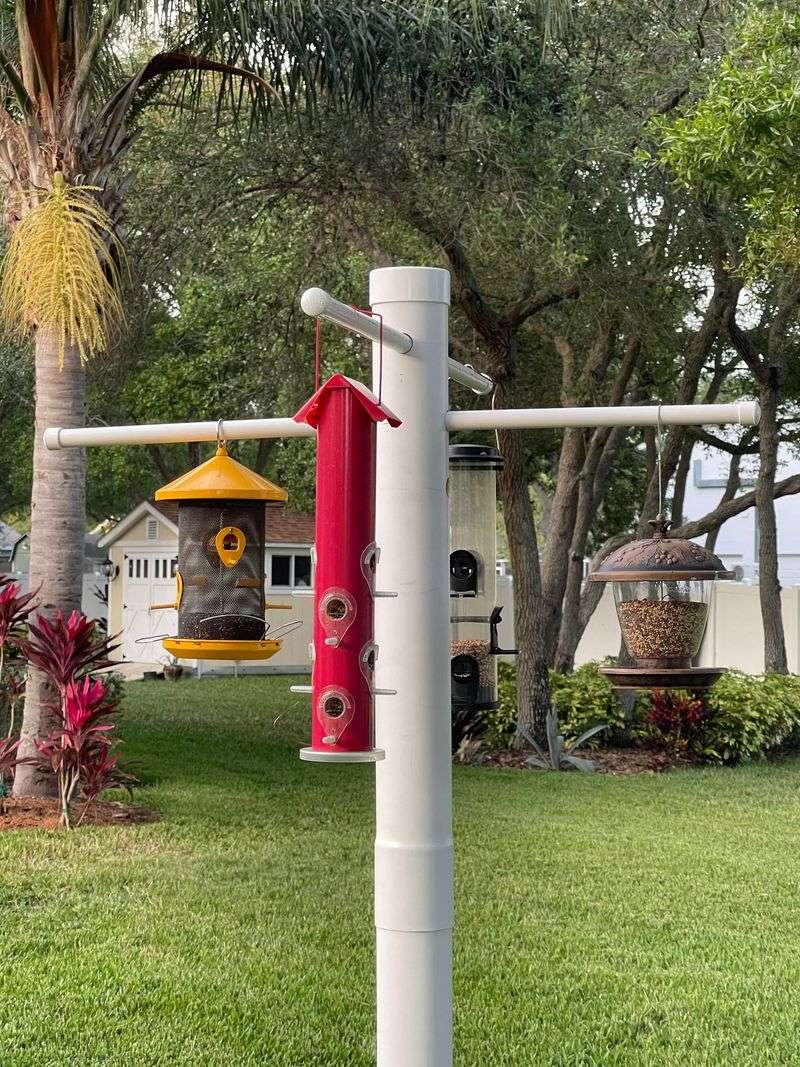
Spilled birdseed is a favorite example. Seed that lands under a feeder, a bowl of pet food left out overnight, or an open trash can can all add food to a yard.
None of these guarantees rats will show up, but they make life easier for any that are nearby.
Start with the feeder. UF/IFAS suggests keeping bird feeders away from the house and considering rodent-proof designs.
Sweep up hulls and spilled seed under the feeder regularly. Bring pet bowls in at night, and store birdseed, pet food, and livestock feed in tightly closed containers.
Trash and compost come next. CDC guidance recommends tight-lidded garbage cans and keeping compost bins at least 100 feet from the house.
That distance is CDC advice, not a Florida legal rule or a magic cutoff, and many suburban lots simply cannot manage it. Do what you can with the space you have.
For compost, UF/IFAS points to enclosed bins placed away from structures. It also suggests burying kitchen scraps in the pile and covering them with brown material such as dry leaves or shredded paper.
Skipping meat and greasy scraps is a smart habit too.
You can keep feeding birds and composting. The goal is to make sure the food stays where you intend it, not on the ground.
Roof rats can use trees and connected structures as routes

Not every rat climbs, but roof rats do, and that is why they matter in Florida yards. UF/IFAS says roof rats climb and may nest in attics, palm-frond skirts, debris piles, trees, and ornamental shrubs.
Other rodents may use different habitats and routes, so this advice is aimed at roof rats specifically.
Picture the path. A palm with a thick skirt of dead fronds offers cover.
A branch that touches the roof offers a bridge. Vines, dense shrubs against the wall, and utility lines can all serve as ways up.
UF/IFAS landscaping guidance notes that tree limbs touching a house can give rodents access to the structure.
These are possible routes and hiding places, not evidence that rats are using them. A tree near your roof does not mean you have a problem, and a tidy yard can still have visitors.
A good habit is to walk around your house and look up. Note where branches meet the roof, where palm debris piles up, and where plants press against siding.
That short list tells you exactly what to trim next.
Selective pruning can protect beds without clearing them
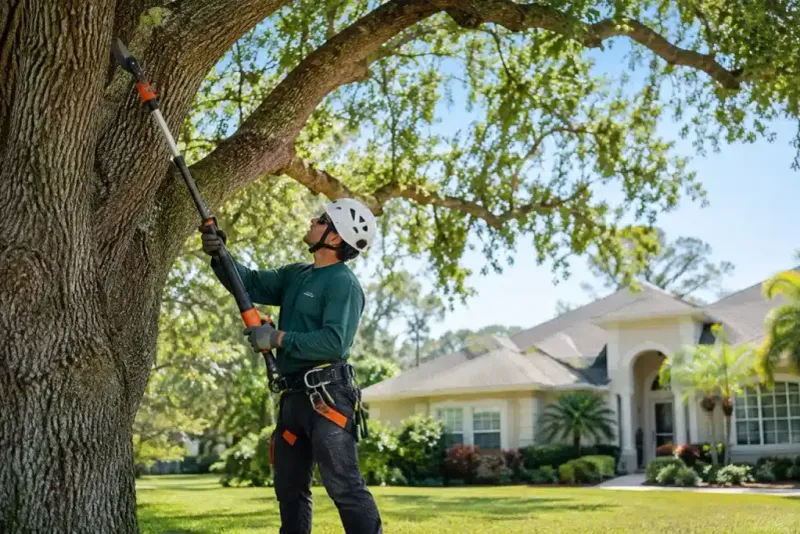
You can keep a lush yard and still break the bridges. Selective pruning means trimming only the parts that connect plants to your house.
UF/IFAS guidance advises cutting branches that touch or overhang the house, and removing dead palm fronds near buildings along with fallen palm leaves or limbs on the roof and nearby ground.
Spacing helps too. Dense, tight plantings can provide hiding places, so UF/IFAS recommends spacing plants according to their mature size.
Check shrubs against the wall first. If a shrub has grown into the siding, thin it or move it a bit, and leave the rest of the bed alone.
A simple routine works well in Florida’s long growing season. Prune before the summer storm months, when branches may already need attention, and look again in fall.
Keep palm debris cleared rather than letting it stack up.
None of this means stripping beds, removing every fruiting plant, or thinning everything dense. Pruning and cleanup reduce cover and access, but they do not promise a rat-free yard.
They simply make your house a less convenient target while your garden stays full.
Manage the house edge and seal possible entry points
The strip of ground along your walls is where yard meets house. UF/IFAS suggests directing downspouts and air-conditioning drainage away from the foundation and avoiding containers or saucers that hold standing water.
This is general pest-prevention advice. Water alone does not prove why rats may be around.
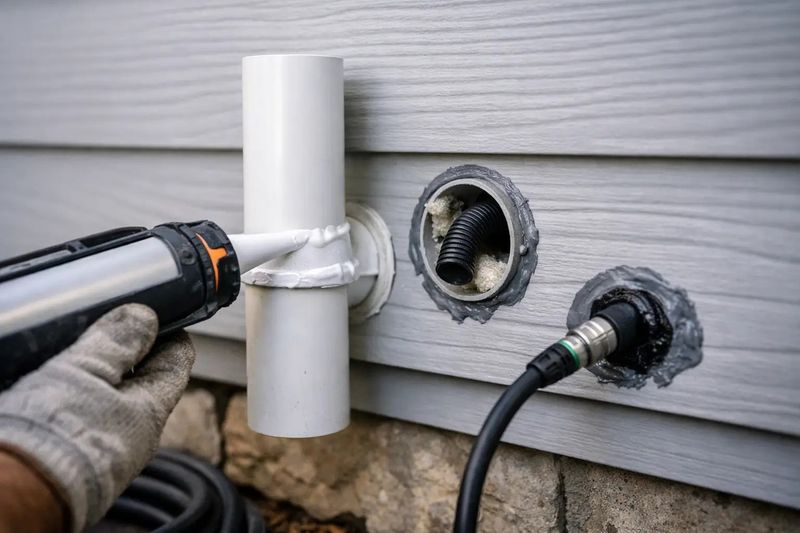
Then check for openings. Look around eaves, vents, doors, foundations, and places where utility lines enter.
CDC recommends filling small holes with steel wool plus caulk, and using metal, cement, or hardware cloth for larger openings.
You may see CDC’s pencil-width example for gaps. That figure is about mice, so do not treat it as the size rats need.
When in doubt, close any gap you find, including ones that look small.
A flashlight walk at dusk or a slow look from a ladder can reveal torn vent screens, loose door sweeps, and gaps around pipes. Fix these with durable materials rather than foam or cloth that can be chewed through.
Sealing works best alongside the yard steps above. Together they cut down both what draws animals close and how easily they can get in.
Snake sightings may point to nearby rodents, but prove nothing
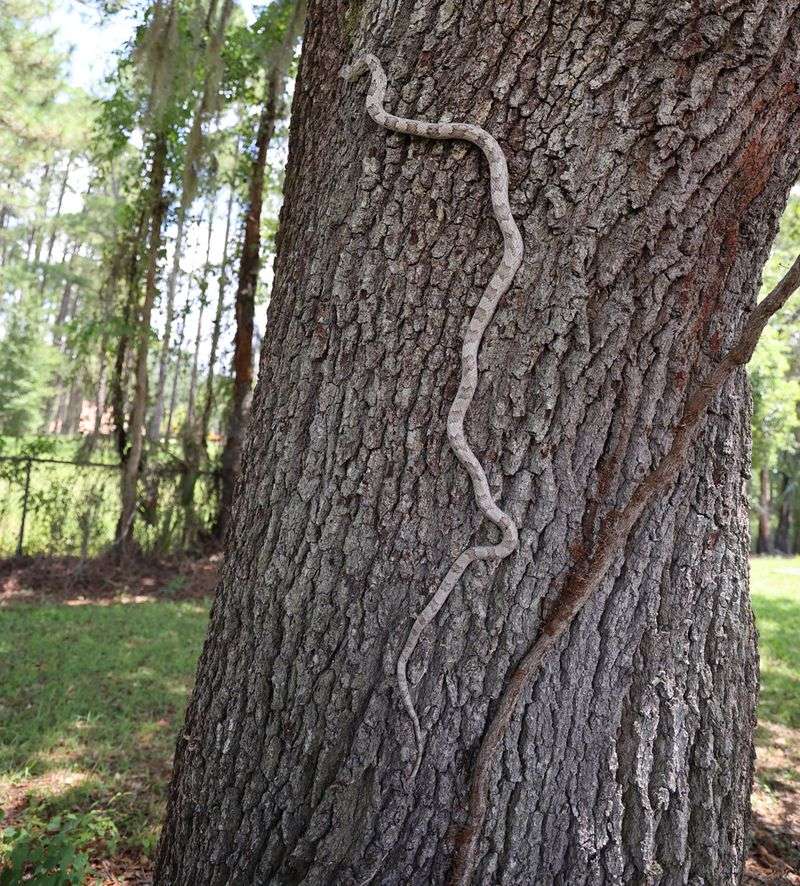
Seeing a snake by the house can feel alarming, yet it is not a verdict. Florida FWC says frequent snake sightings near buildings may indicate rodents.
That is a possible link to prey, and a single sighting does not prove rats are present.
Snakes also do real work. They help reduce rodent populations, so a snake passing through your yard may be doing you a favor.
Many Florida snakes are harmless, and they move on by themselves.
FWC advises people to stand back and observe. Give the animal space, keep kids and pets away, and let it leave.
Killing it is not the answer and can make things worse by removing a natural rodent predator.
If you keep seeing snakes close to the house, treat it as a nudge to look over the food, cover, and entry points covered in this article. Fix those, and the yard becomes less appealing to both rodents and the animals that hunt them.
Signs indoors call for more than yard cleanup
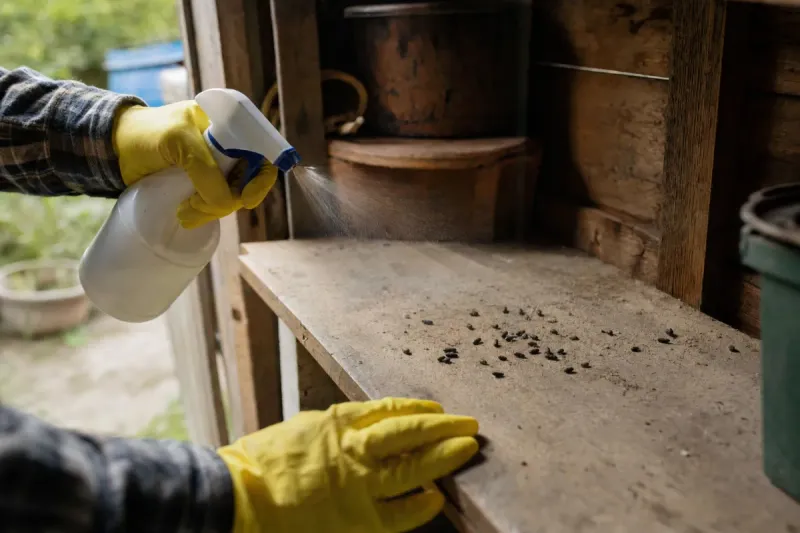
Droppings, gnaw marks, or noises in the attic mean the problem has moved past yard tidying. Outdoor changes may not be enough on their own, so sealing entry points is part of control.
CDC sealing guidance stresses closing gaps along with managing outdoor food and shelter.
Cleaning up needs care. CDC’s cleanup advice is to wear gloves, wet droppings or urine with disinfectant, let it sit for the time on the label, and then wipe it up.
Do not sweep or vacuum dry material, because that can put contaminated dust into the air.
Heavy infestations may call for added precautions or professional help. If you find a lot of activity, a nest, or droppings in an attic, a licensed pest professional is a sensible call.
If you consider rodent bait, read EPA’s safety guidance first. Follow the product label exactly, and keep baits and traps where children and pets cannot reach them.
Never scatter bait loosely. Remove dead rodents promptly to lower risks to pets and wildlife that might eat them.
Bait is not a first-line fix. Pair any control step with sealing and sanitation so new rodents cannot simply move in.
Targeted habits can reduce opportunities without clearing the yard
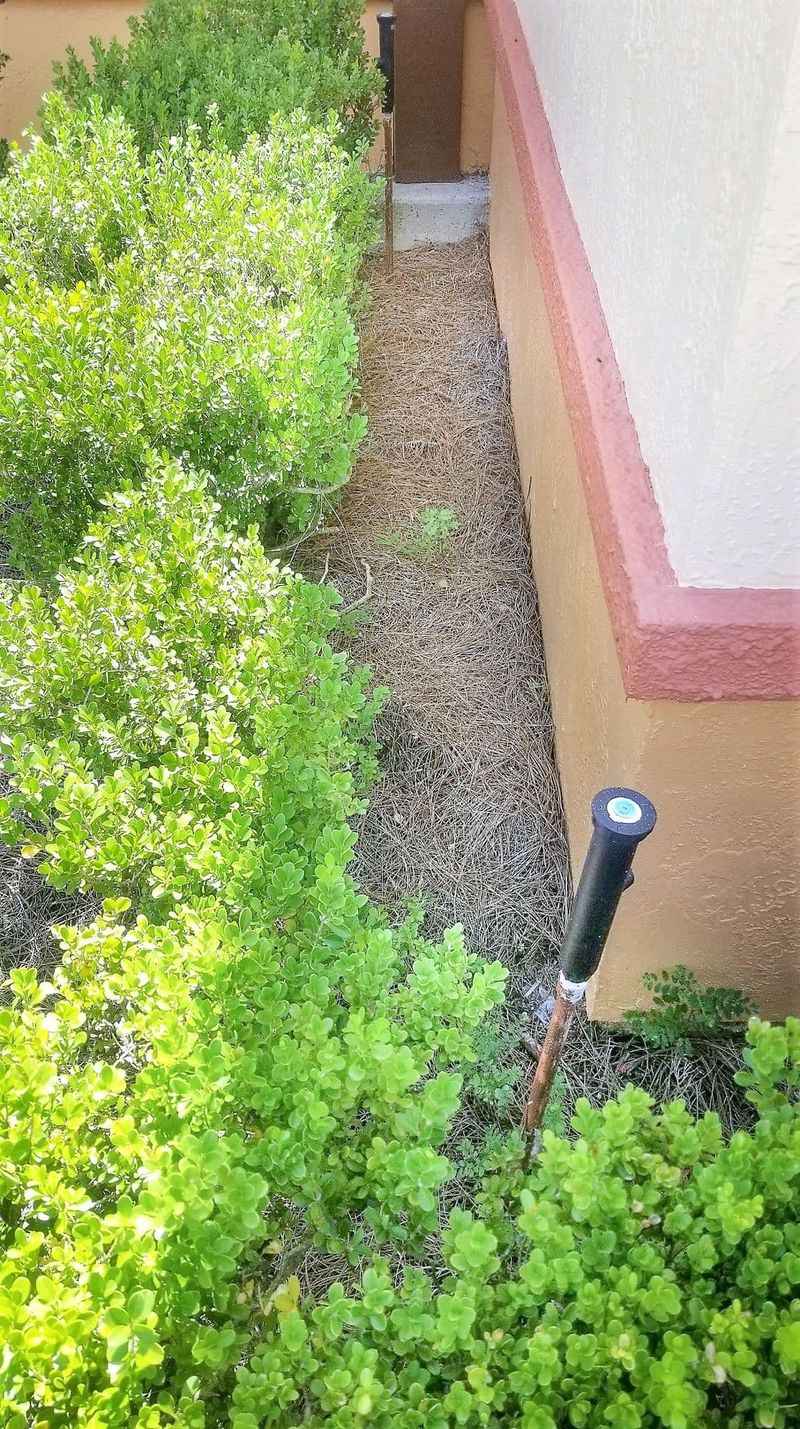
A few steady habits do most of the work: pick up fallen fruit, secure feed and trash, trim the branches and palm debris that touch the house, and seal gaps. UF/IFAS landscaping guidance backs this kind of targeted upkeep over wholesale clearing.
These steps lower opportunities, but they cannot guarantee a rat-free yard. They are easy to fit into a weekend routine, and your beds can stay full.
The best rat-proofing is usually the least dramatic: a garden that looks loved but leaves nothing lying around.