
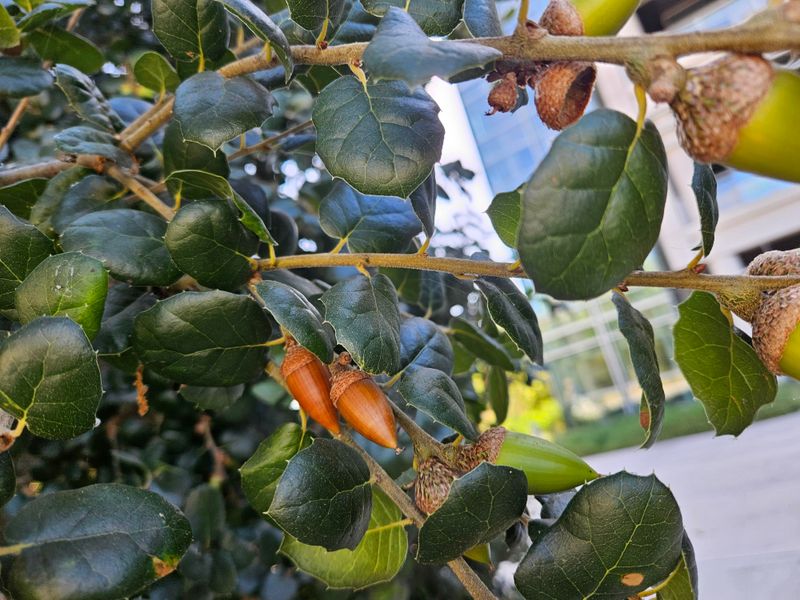
Walk under a live oak in October and you may hear acorns pinging off the driveway, the roof, and your car. It can look like something has gone wrong with the tree.
Usually it hasn’t. Here is what is happening up in the branches, what it can and cannot tell you, and what is worth doing in your yard.
Fall acorn drop fits the live oak’s seasonal cycle
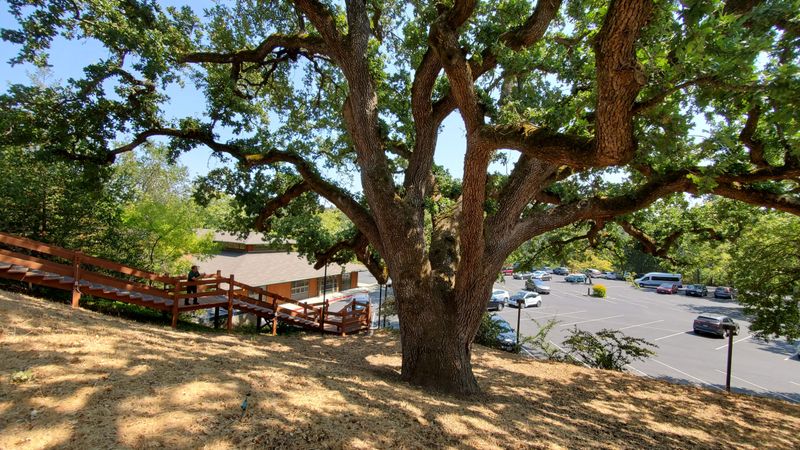
Timing is the first clue. According to the USDA Forest Service Silvics of North America, southern live oak acorns mature in September and fall before December.
So acorns hitting the ground right now match the tree’s normal calendar.
The same source describes live oak as a tree that can produce acorns every year, often in large numbers. That means a noticeable carpet under your tree is not automatically a strange event.
It can simply be a live oak doing what live oaks do in the fall.
Keep the species in mind, though. Florida is home to several native oaks, and they do not all drop acorns on the same schedule.
UF/IFAS Gardening Solutions covers the range of oaks found around the state, so if you are not sure which oak is in your yard, check the leaves and overall shape before assuming this timing applies.
One more limit is worth stating. What you see at your house is a local observation.
It tells you about your tree this season, and it does not show that live oaks across Florida are having an unusually heavy year. Nobody has a statewide crop count for this fall to point to.
Does one tree’s heavy crop count as a mast year?
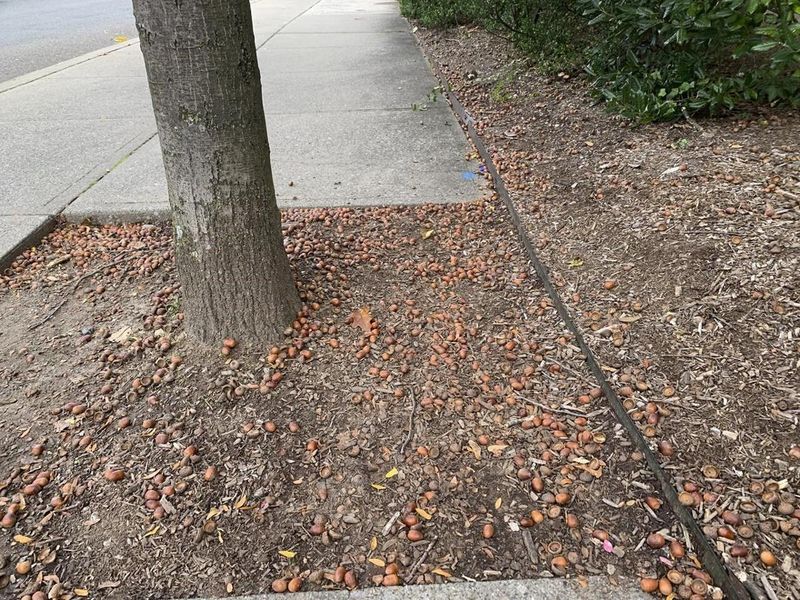
A mast year is a season when oaks in an area produce an especially big crop of acorns. The key word is area.
One tree dropping plenty of acorns in your yard is a local sighting, and it is not proof of a regional or statewide event.
Acorn crops do vary, both from tree to tree and from year to year. UF/IFAS wildlife food guidance describes variable, sometimes irregular production across oaks, with broad patterns that differ by species.
Those broad patterns are easy to misread. Numbers like a heavy crop every few years describe oaks in general, and they are not a fixed schedule for southern live oak.
Treating them as clockwork would be a mistake.
Florida research shows how much variety exists. A long-term study of five scrub oak species in south-central Florida, published in Ecology by Abrahamson, found that the species followed different production cycles.
That study is a good picture of variation, but it did not measure live oaks in residential yards. So it cannot tell you whether your tree is on a two-year, five-year, or any other rhythm.
A better habit is to notice how your tree does each fall and compare over time.
Acorn abundance alone does not diagnose a stressed tree
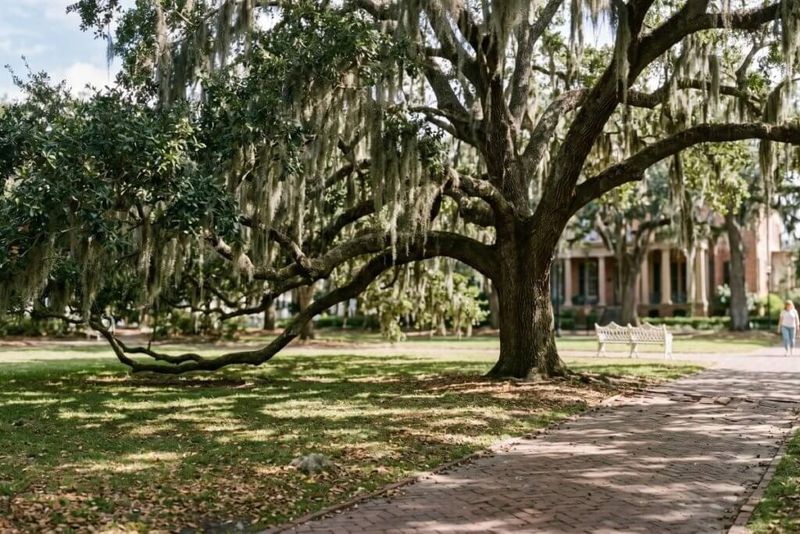
Many people assume a huge acorn crop means a tree is in trouble. Acorn count alone does not show that.
A tree can drop plenty and be perfectly healthy.
Crop size reflects many influences. UF/IFAS guidance on managing oaks for wildlife food points to weather, site conditions, insects and disease, and tree traits such as age, crown area, and genetics.
Because so many factors play a part, it is risky to pin your tree’s crop on any single one. Without evidence about your specific tree, a dry spell or a past storm is just a guess.
The same guidance suggests watching trees over several years before judging which ones are consistently high or low producers. A simple note on your phone each November works well.
Jot down whether the drop was light, moderate, or heavy.
After a few seasons you will know what normal looks like for your tree. That is far more useful than reacting to one fall.
Production is just one small piece of the picture when you want to know how a tree is doing.
What the acorn crop means for your yard and wildlife
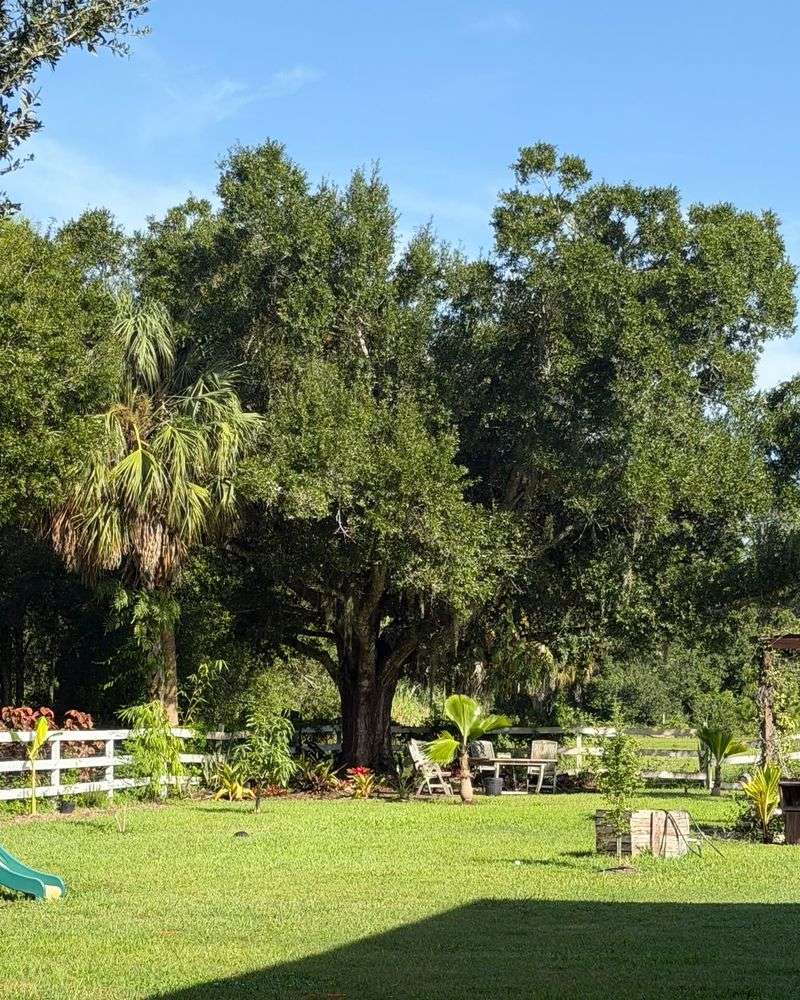
Underfoot, acorns are mostly a nuisance. They are hard and round, so they can roll under shoes on walkways, patios, and driveways.
They also collect in gutters, pool decks, and along mower paths, which adds to fall cleanup.
Outside of those trouble spots, a yard full of acorns is usually just a messy lawn. The research behind this article does not point to lasting harm to grass or beds, so there is no need to invent worries about them.
Acorns also feed animals. UF/IFAS describes oaks and their acorns as an important food resource for wildlife.
The Forest Service reports that Florida wildlife, including wild turkeys, use live oak acorns.
That makes your tree a possible snack stop for foragers. It is not a guarantee, though.
Which animals show up depends on your neighborhood, nearby habitat, and plenty of other things you cannot control.
If you enjoy watching wildlife, leaving acorns in a quiet corner away from walkways costs you nothing. Just keep the busy areas clear.
Clear problem spots, then assess the whole tree
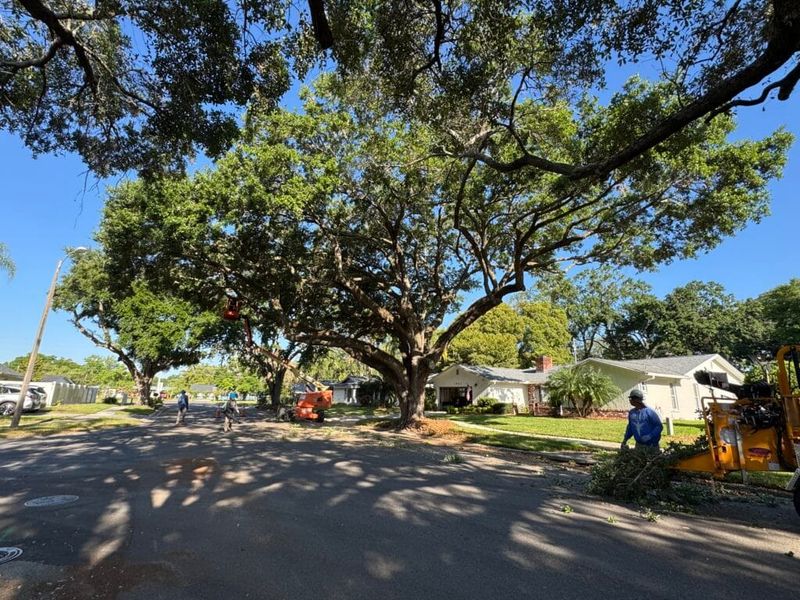
Start with the places where acorns cause real trouble. Sweep or rake them from steps, paths, driveways, and any spot where a foot could slip.
A push broom or a leaf blower handles most of it quickly.
Skip the bigger interventions. Falling acorns are not a reason to prune heavily, fertilize, or spray pesticides.
Normal seasonal fruiting does not call for any of those, and they can cost you money or stress the tree for no gain.
Next, take a slow look at the whole tree. The International Society of Arboriculture lists discolored leaves, dead branches, and early leaf drop among the symptoms that may warrant an arborist’s assessment.
Those signs are reasons to ask a professional to look, not a diagnosis you can make from the lawn. Many causes can look similar from the ground, and an arborist can sort them out.
A practical way to check: walk around the tree once a season. Look at the canopy for thin or off-color patches, scan for bare dead limbs, and note leaves falling well ahead of schedule.
If something stands out, call a certified arborist.
Read the tree, not just the acorns
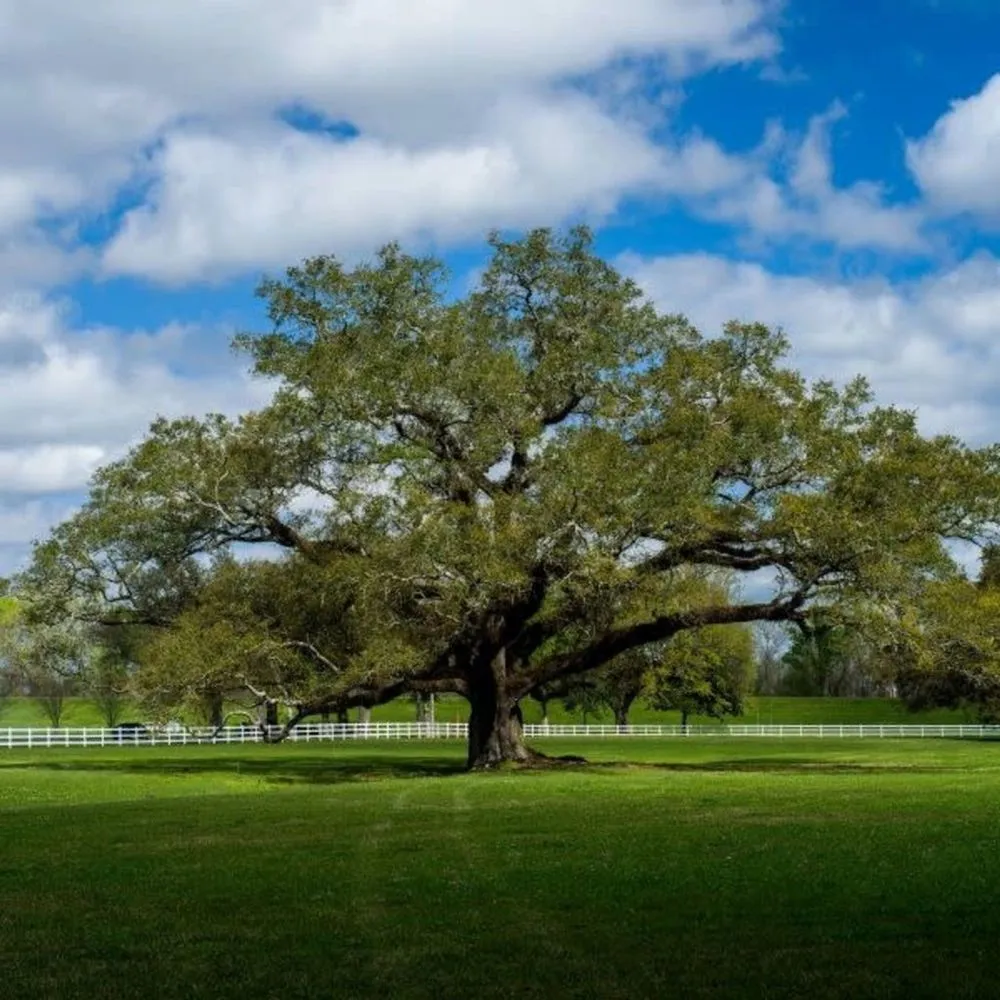
Fall acorns are normal for a southern live oak, since the Forest Service places the drop before December. One heavy crop proves neither a statewide mast year nor a tree in decline.
Sweep up where feet travel, and call an arborist if you spot the symptoms the ISA describes elsewhere in the canopy.
Acorns are only the tree’s loudest signal. A calm look at its leaves and limbs tells you much more.