
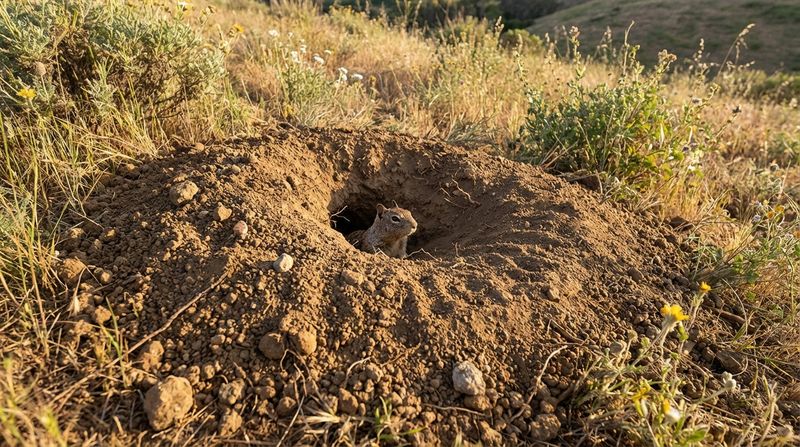
Walk out one morning and find new mounds of soil near your vegetable bed, and it is easy to assume something changed overnight. Many California homeowners blame fall weather or coming rain.
The real story is more complicated, and knowing it can save you time, money, and plants. Here is what is documented about ground squirrels, what is not, and what you can reasonably do about it.
What the evidence says about fresh burrows
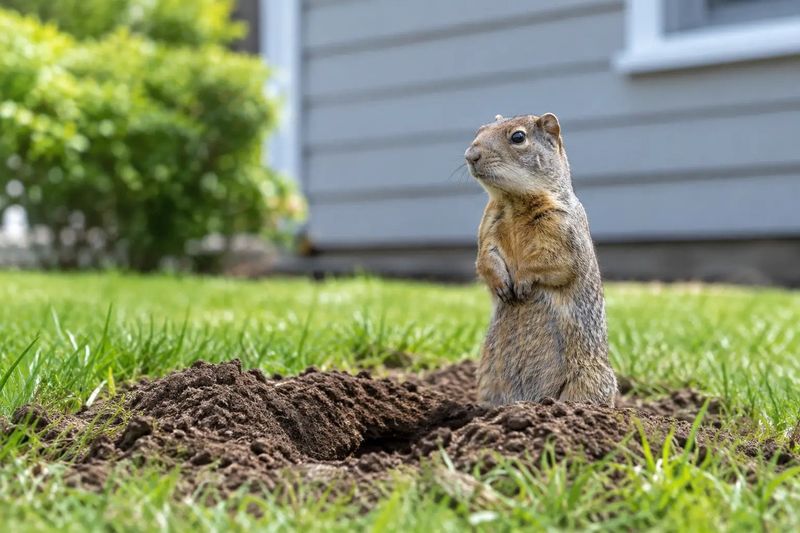
Fresh soil in the yard is real, and it is fair to be annoyed by it. What is less clear is the explanation many people give, which is that California ground squirrels dig harder as November nears or dig to get ready for winter rain.
The sources reviewed do not back that up. UC IPM’s home and landscape guidance describes seasonal shifts in what squirrels eat and when they are active, but it does not describe a November surge in excavation or a rain trigger for new burrows.
So what might you be seeing? Possibly a burrow system that has quietly grown for months and finally reached your bed.
Possibly a new entrance on an existing network. Possibly a different animal altogether.
UC IPM’s alfalfa guidelines note that these systems get larger over time as squirrels add tunnels and entrances.
Notice the difference between what you observe and what anyone can prove. Your fresh mounds are real.
A statewide autumn digging spike driven by rain is not something the documentation shows. Treating the cause as unknown keeps you from chasing the wrong fix.
The rest of this article walks through what is documented, how to figure out which animal and which holes matter, and how to protect plantings without false promises.
Fall food caching is not proof of a digging surge
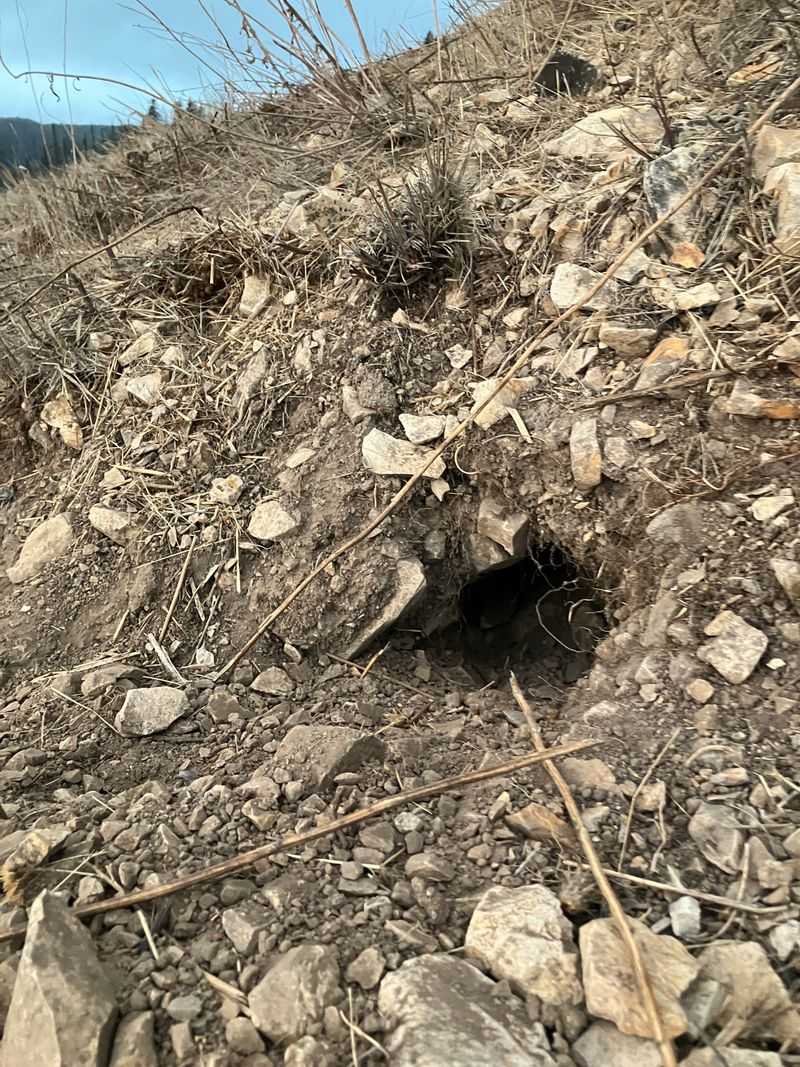
Late summer and early fall do bring a documented change. According to UC IPM, adult squirrels cache seeds and nuts in their burrows during this period.
If you spot a squirrel with cheeks or mouth full of food, that is likely what is happening.
Burrows do many jobs. They serve as shelter, nesting sites, food storage, and escape routes from predators.
Typical systems are big, with tunnels commonly 5 to 30 feet long and several openings, so a patch of lawn can hide a lot of underground space.
Squirrels also add tunnels and entrances as time passes. That slow growth can make a yard look suddenly different, even though the work happened across many weeks or seasons.
Here is the key distinction. Hauling seeds into a burrow is not the same thing as digging more burrows.
Caching explains why squirrels are busy around their holes in fall. It does not show a November excavation burst, and nothing in these sources ties new digging to coming rain.
A practical example: a new hole near your fence could be one more entrance to a system that has been there for years. Looking at the whole area, not just one mound, gives you a better read.
Local conditions shape when squirrels are active
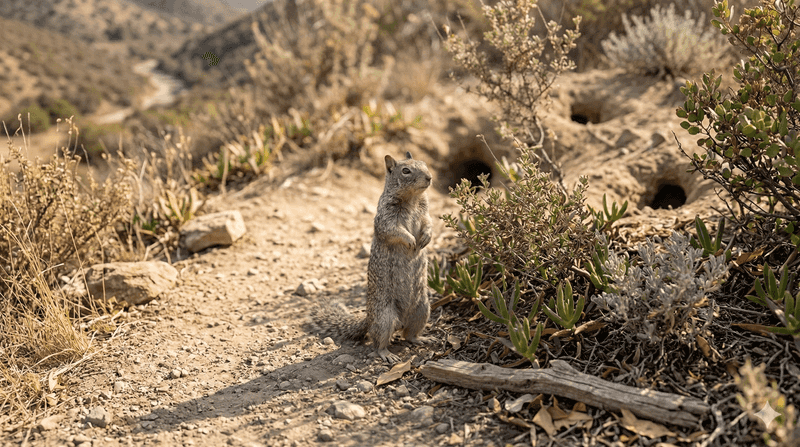
California is huge, and its climates range from foggy coast to hot interior valley to cold foothills. A single November timetable for every yard makes little sense.
UC IPM reports that adults in some areas stay active through October, while squirrels in coastal Southern California may be active all year. That means a neighbor in San Diego County and a gardener in the Sierra foothills may see very different squirrel behavior.
A peer-reviewed species review in Mammalian Species agrees that seasonal surface activity changes with climate and local conditions.
Keep one thing separate, though. When squirrels are seen above ground is a question about activity.
How much they dig is a different question, and these sources do not give digging rates by month.
For you, the takeaway is to watch your own yard. Note when squirrels appear, which holes show movement, and whether the pattern holds from week to week.
Your local observations are more useful than a statewide calendar.
Identify the animal and check which burrows are active
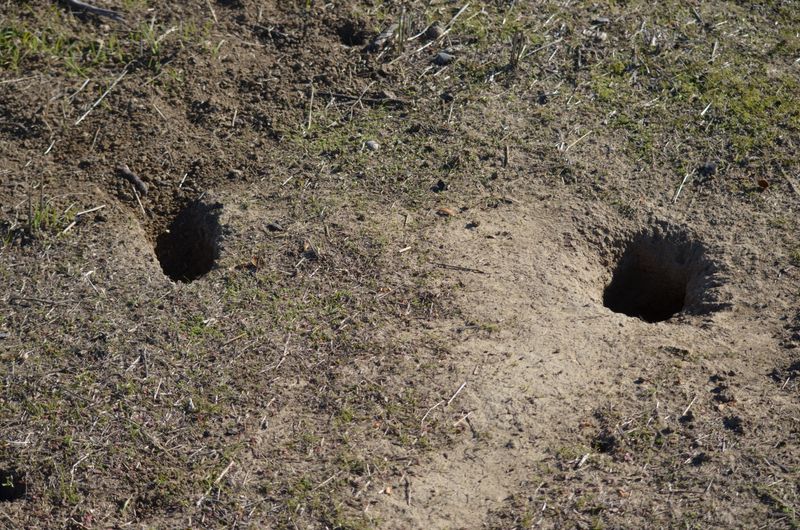
Before choosing any response, make sure you know who is digging. The California ground squirrel is the one most people see, but the California Department of Fish and Wildlife notes that other ground squirrels live in the state, and some are protected.
That is why not every hole in your yard should be assumed to belong to a California ground squirrel. Control aimed at the wrong animal can break rules or harm wildlife you want around.
Next, figure out which burrows are in use. UC IPM recommends monitoring so you can see which burrows appear active.
Watching from a distance over several days is a simple start.
Keep notes on where you see the animal, at what time of day, and which openings it uses. A quick photo can help if you later ask local wildlife or agricultural officials for help identifying it.
Skip any guesswork about hole size or soil shape unless a trusted local source confirms it. Observation and a clear identification come first, and the decisions about plants and control follow from there.
Target vulnerable beds, but set realistic expectations
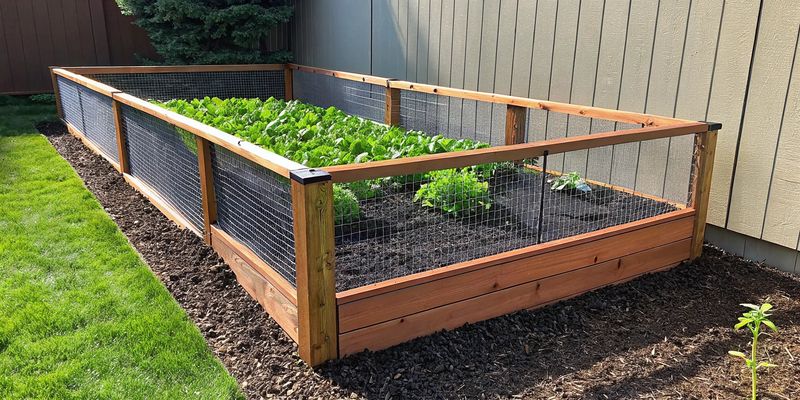
Ground squirrels can chew seedlings, ornamental plants, and roots, and they may damage irrigation lines and structures, according to UC IPM. Soil mounds and holes can also become trip hazards, which matters if kids or older relatives use the yard.
Start with cover. Remove brush piles and debris that give squirrels places to hide near your beds.
Habitat cleanup alone has limited effect, and squirrels may come back.
For a small, valuable planting, such as a bed of new seedlings, you might consider physical exclusion like a barrier around that area. UC IPM rates exclusion as having low general efficacy, so treat it as a way to shield a limited spot, not a solution for the whole yard.
Consider where damage would hurt most. Young vegetables, tender bulbs, and plants near irrigation lines are likely candidates.
Mature shrubs may tolerate more.
Neither cleanup nor a barrier guarantees you will prevent damage or clear out an established colony. UC IPM’s colony descriptions show how extensive these burrow systems can become, which is why modest goals are wise.
A measured response may help reduce damage to the beds you care about most, and that is a worthwhile aim.
Quick fixes can fail, and control methods need caution
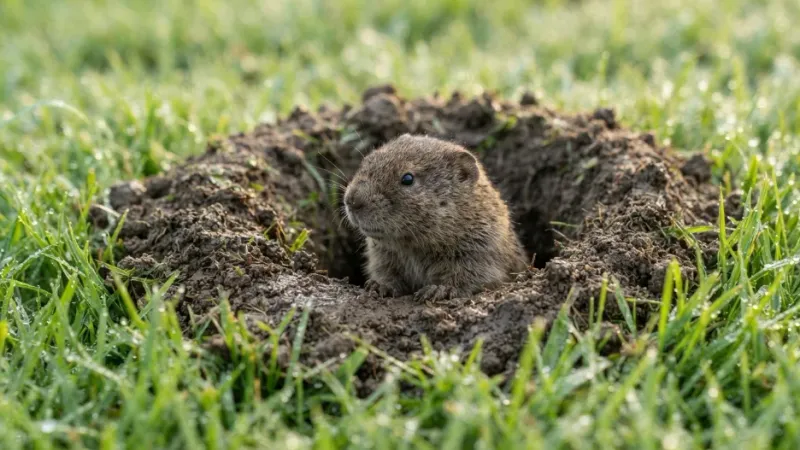
Stuffing a hole with dirt feels satisfying, but squirrels can reopen filled burrows. UC IPM also says repellents and frightening devices have not proven effective at substantially reducing damage, so skip the noisemakers and sprays that promise miracles.
If you start thinking about control, slow down. Read and follow every product label.
Think about children and pets, nontarget wildlife, and protected species that may share burrows or look similar. UC IPM says some methods and products have restrictions, and it advises against fumigating near buildings or structures.
UC IPM also states that no toxic baits are legally available to residential users for ground squirrels. Because rules and safety concerns vary, ask your county agricultural commissioner or a licensed professional before acting.
Also keep health in proportion. Plague risk is regional, and most yards are not a danger.
Still, California public-health guidance advises avoiding contact with wild rodents, their burrows, and fleas, and not touching sick or dead rodents.
If you notice unusual numbers of unexplained rodent deaths, let your local public-health officials know. Otherwise, wear gloves for yard work, keep pets away from burrows, and do not handle wildlife.
A measured response may reduce damage to vulnerable beds
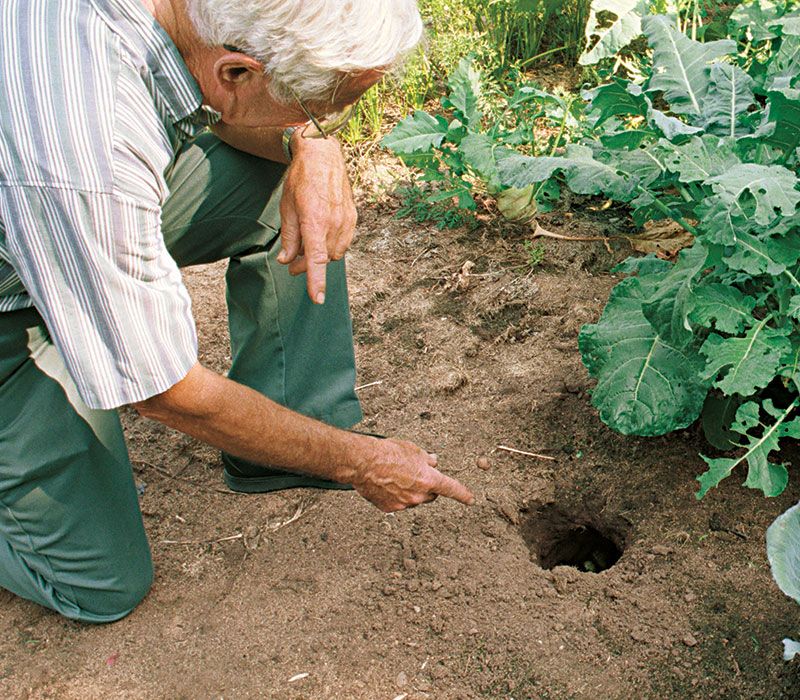
Confirm which animal you have, using California Fish and Wildlife’s squirrel information. Watch which burrows are active, then put protection where plants are most vulnerable.
Check UC IPM’s guidance and local officials before considering any control.
None of this promises success, and none of it depends on a November digging surge or incoming rain. Fresh burrows are a real yard problem with an uncertain cause.
Good observation beats a quick guess.