
You step outside with your coffee and find a fresh, squishy ridge snaking across the front yard again. Moles are busy all year in North Carolina, and they can wreck a fescue lawn faster than most people expect.
The good news is that moles live by their noses, so strong smells can push them somewhere else. Here are the scents they dislike most and the exact spots where Tar Heel homeowners place them for the best results.
1. Castor Oil

Ask ten North Carolina lawn pros which smell moles hate most, and most will say castor oil before you finish the question. It is the main ingredient in nearly every store-bought mole repellent for a reason.
The oil does not kill moles, but it makes the soil smell and taste awful to them and to the grubs and worms they hunt.
Placement matters more than the product. Spray it over the active tunnels first, then work outward in a wide band around the whole damaged area so the mole cannot simply shift ten feet over.
A ratio of about 3 ounces of castor oil plus a squirt of dish soap per gallon of water works well in a hose-end sprayer.
Water it in right after you apply it. Piedmont clay sheds liquid, so a light soak helps the oil reach tunnel depth instead of sitting on top.
Repeat every two to three weeks, and again after heavy rain.
2. Garlic
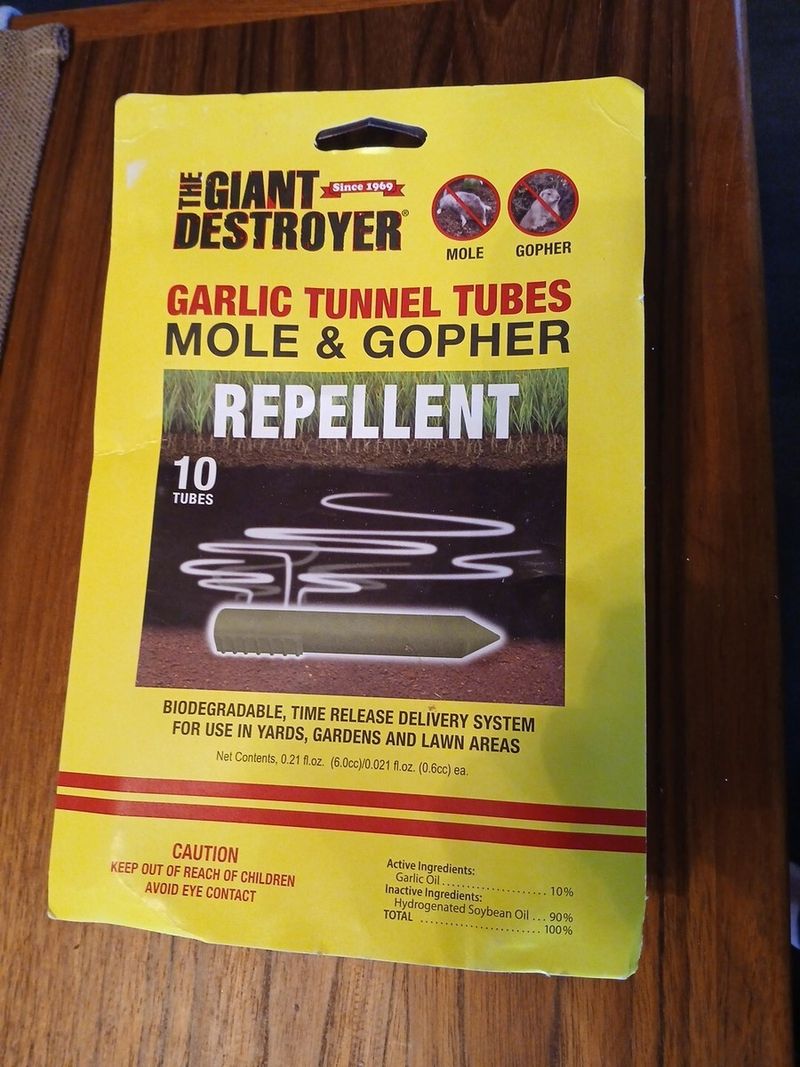
Grandma swore by it, and she was not wrong. Garlic carries sulfur compounds that linger in soil, and a mole’s super-sensitive snout picks them up instantly.
Skip sprinkling powder on the grass surface, because it does little there. Instead, poke a finger-sized hole into an active run, drop in a crushed clove or two, and close it back up.
Space these every few feet along the main tunnel line.
Many NC gardeners also plant garlic along vegetable bed borders in October, right on schedule for fall planting. The bulbs act as a living fence, and you get a harvest next June as a bonus.
3. Coffee Grounds
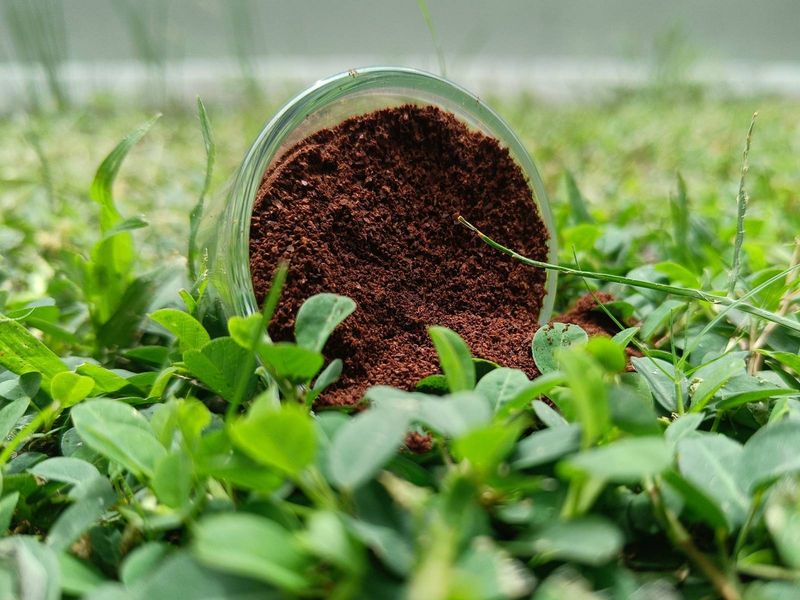
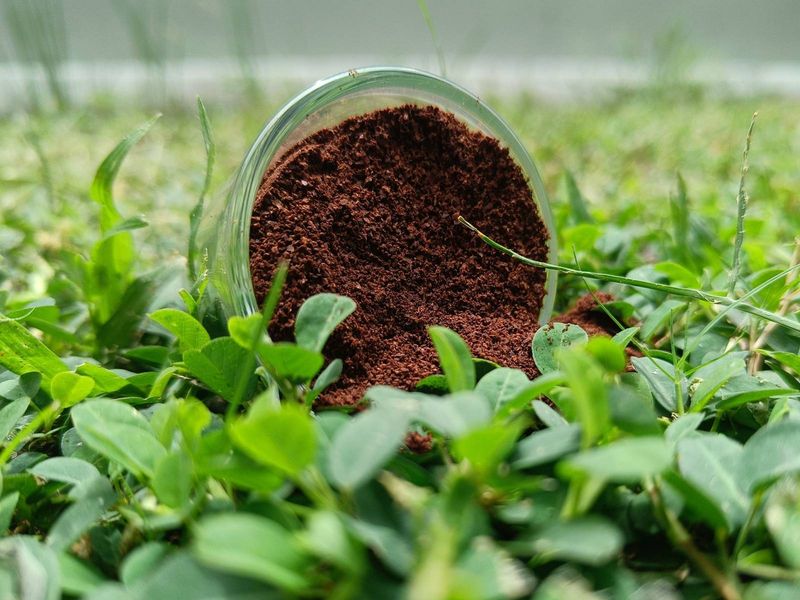
Your morning cup can pull double duty. Used coffee grounds give off a sharp, bitter odor that moles tend to steer around, and they cost exactly nothing.
The smart spot is along bed edges where lawn meets mulch, since moles love to travel those soft seams. Work a thin layer into the top inch of soil, or drop a spoonful straight into an opened tunnel.
Do not expect miracles on a big infestation, though. Grounds work best as a supporting player alongside castor oil.
They also add a little organic matter to tight clay, which your shrubs will appreciate.
4. Cayenne Pepper
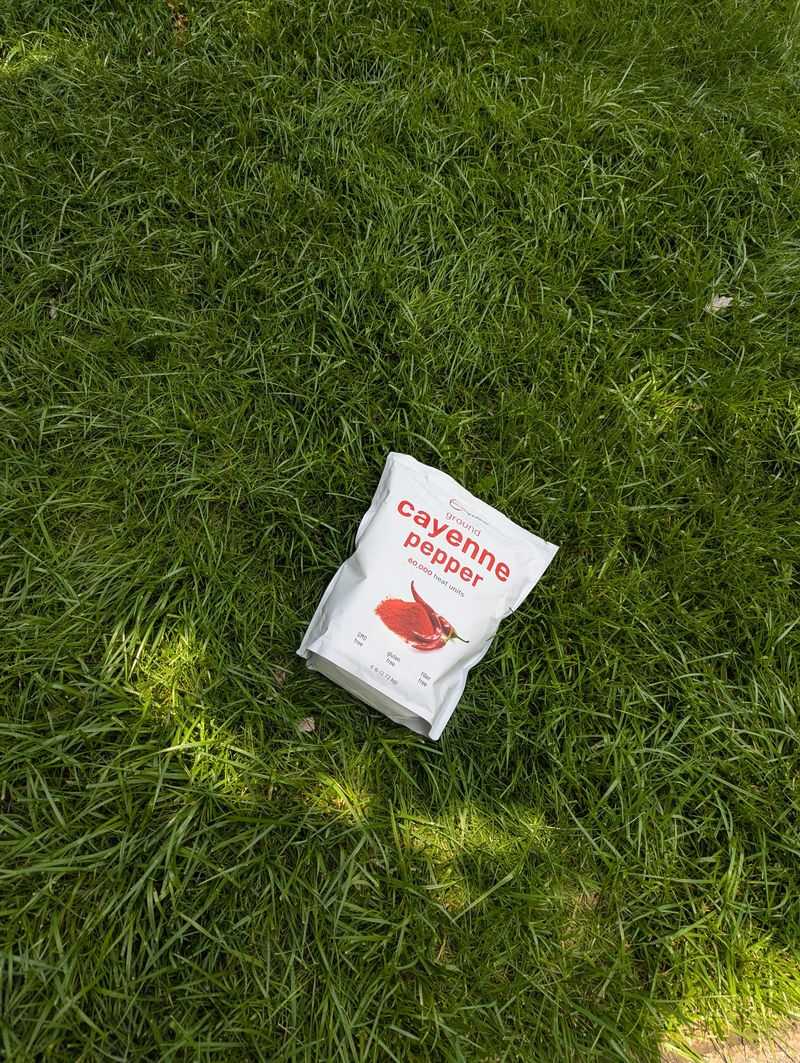
Fiery stuff, and moles agree. Capsaicin irritates their noses and the sensitive skin around the snout, so a dusting of cayenne can make a tunnel feel like a no-go zone.
Here is the trick most people miss. Surface sprinkling washes away in the first afternoon thunderstorm, so the pepper needs to go inside the run.
Lift a section of tunnel with a trowel, shake in a teaspoon, and press the soil back down.
Wear gloves and keep pets away while you work. Dogs that dig in fresh pepper get a nasty surprise, so treat areas they rarely visit or mix the pepper into castor oil spray instead.
5. Peppermint Oil

Fresh to us, overwhelming to a mole. Peppermint oil is so concentrated that a few drops can flood a tunnel with scent.
Soak cotton balls with 8 to 10 drops each, then tuck them into tunnel openings about every few yards. Many homeowners focus on spots near the foundation, patios, and walkways, where they do not want any digging at all.
The scent fades in about a week, so refresh it often. Some folks also grow real mint in pots near problem areas, but keep it contained, because mint spreads through NC beds like it owns the place.
6. Daffodil and Allium Bulbs

Picture a spring border that protects itself. Daffodils contain toxic compounds, and alliums carry that onion-family stink, so both make a pretty barrier moles and voles avoid.
Fall is the window in North Carolina, from late October through December. Plant a tight row along the line where tunnels enter your lawn, often from a wooded edge or a neighbor’s yard.
Set bulbs about 6 inches deep and a few inches apart.
Fun fact: daffodils are so reliable here that old homesites across the state still bloom with clumps planted a century ago. That is a long-term repellent with zero refills.
7. Fish Emulsion
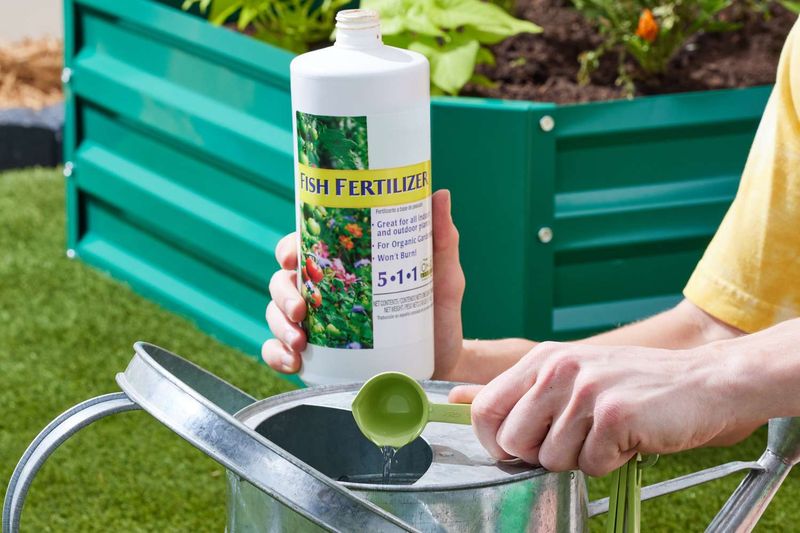
Nobody calls this one pleasant. Fish emulsion smells like a bait shop on a hot day, and moles find it just as offensive as you will.
It shines in sandy coastal plain soil, where it soaks down quickly toward tunnel depth. Pour a diluted mix along vegetable garden edges and around young plantings, since it feeds plants while making the area unappealing.
Apply on a calm, cool day if you want to stay friendly with neighbors. The odor fades in a day or two above ground but lingers below where it counts.
8. Used Cat Litter
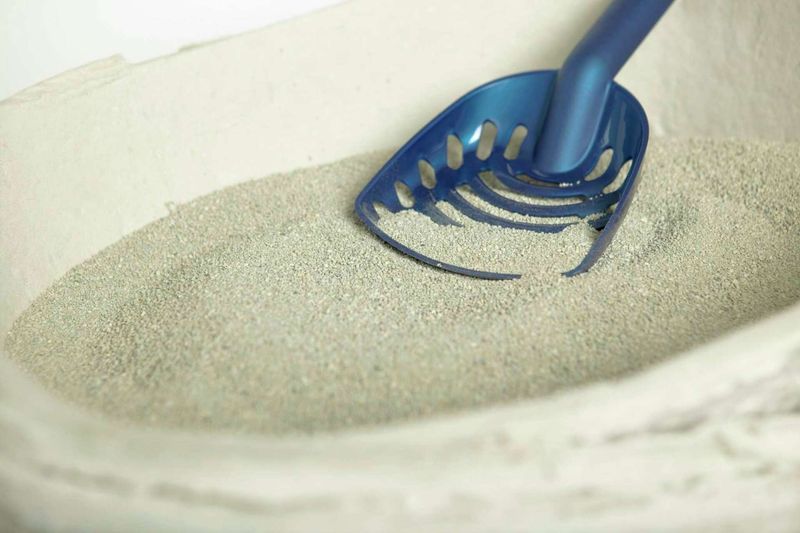
Moles are prey animals, and the scent of a predator sets off every alarm they have. Used cat litter carries that warning loud and clear.
Drop a small scoop into an opened tunnel at the edges of the lawn, then cover it. Stick to ornamental areas and never use it near vegetables, wells, or where kids play, because litter can carry parasites.
Think of it as the eviction notice. Pair it with castor oil on the main lawn, and the mole gets the message that this yard belongs to someone bigger.
Rotate a few of these smells, keep treatments steady through fall, and your lawn should be ridge-free by spring.