
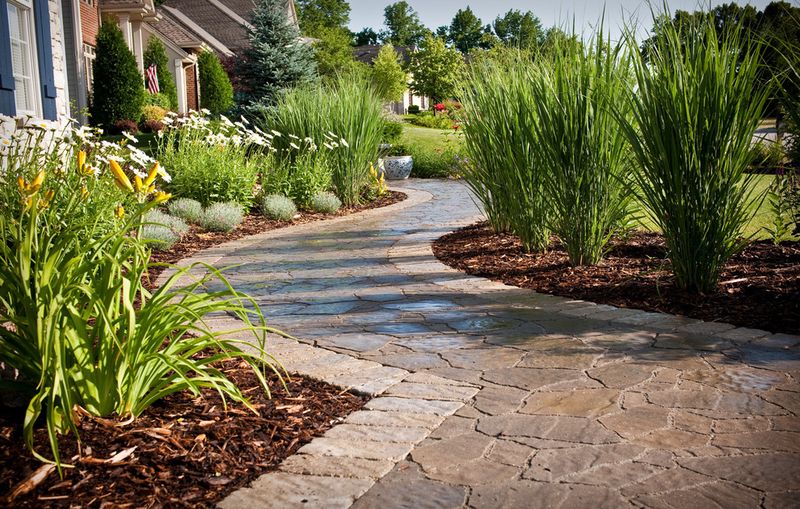
A barn owl can sweep over a Florida yard without making much sound, but no plant can promise a visit. Native grasses and meadow plants may help support the small mammals these owls hunt, especially beside open ground.
There is one catch to the title’s promise: barn owls mainly eat rodents, and underground moles are not dependable prey. The plants below can help shape wildlife habitat, not provide a proven cure for mole tunnels.
1. Muhly Grass
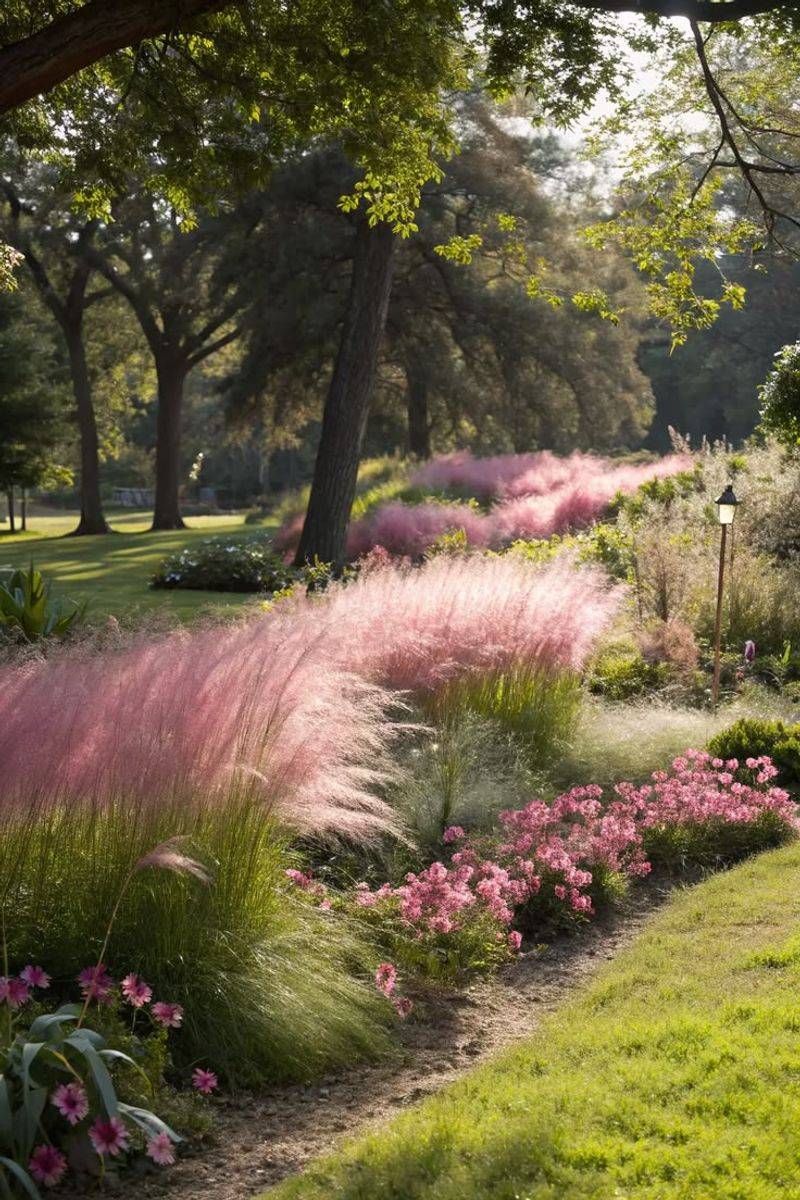
Pink clouds above the driveway can do more than win compliments from the neighbors. Muhly grass adds a native bunchgrass layer that offers shelter for small animals while leaving room to build an open, easy-to-maintain yard.
Its strongest role in an owl-friendly design is along the edge, not across every available inch. A loose grouping beside a short grassy opening creates a change in cover where a hunting owl might encounter exposed prey.
Give muhly full sun and well-drained soil, and allow each clump to reach its natural width. Once established in a suitable spot, it usually needs little extra watering, though new plants need attention while their roots develop.
Avoid turning the planting into a thick wall around the entire lawn. Barn owls hunt most effectively where prey is accessible, and dense vegetation can hide animals from them.
Enjoy the pink display for its own sake, too. Muhly does not attract owls directly, and its presence offers no reliable way to reduce moles beneath your grass.
2. Purple Lovegrass
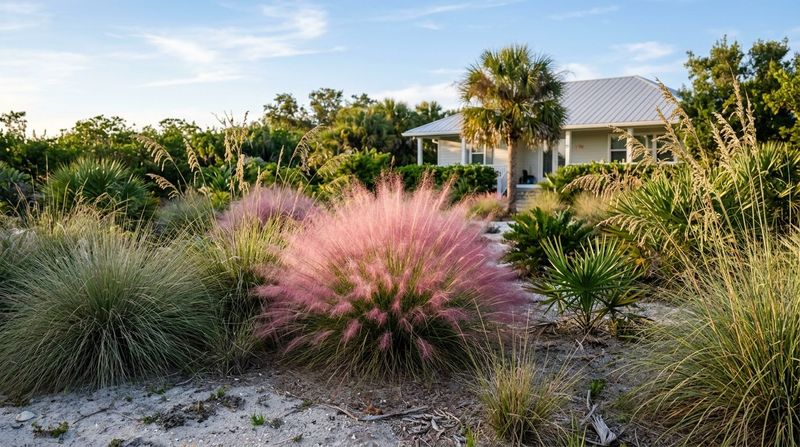
A purple haze at ankle height gives a meadow edge a softer look without adding a tall screen. Purple lovegrass is a warm-season native grass whose airy flower heads bring color to sunny, sandy places.
Its relatively low growth makes it useful where homeowners want a clear view across the yard. Planted in scattered groups, it can add seed and ground-level shelter without creating the same visual barrier as a tall hedge.
Choose a sunny site with good drainage, and expect a seasonal appearance rather than a perfect green mound all year. Leave enough room around a planting for paths, maintenance, and the open space that hunting owls need.
The connection to barn owls is indirect: a varied grass border can support a broader food web, including small mammals. It cannot make an owl choose your property, especially in a crowded neighborhood far from suitable hunting country.
Keep fallen birdseed and pet food cleaned up near the house. Supporting wildlife at a distant garden edge is very different from encouraging rodents beside a garage door.
3. Wiregrass
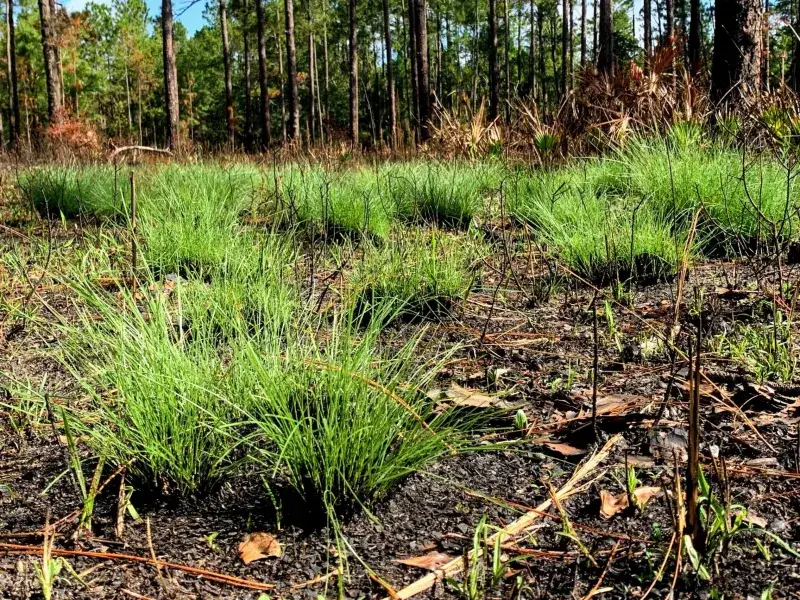
Under Florida’s longleaf pines, fine blades often form the quiet backbone of the landscape. Wiregrass belongs to that open, sunny world, making it a fitting choice for suitable yards that borrow their style from nearby pine flatwoods or sandhills.
Buy plants from a native nursery that can identify the species and recommend one for your part of Florida. Southern wiregrass, Aristida beyrichiana, is a familiar choice, but local conditions should guide the purchase.
Unlike a fast lawn replacement, wiregrass asks for patience. Small plants take time to become substantial clumps, and they need help with competing weeds during establishment.
Its value here comes from rebuilding a native ground layer, not from producing a special owl-attracting scent or seed. Keep portions of the surrounding property open so vegetation does not become one continuous hiding place for prey.
Wiregrass is linked to fire-shaped ecosystems, but a home garden is not a place to experiment with burning. Ask your county Extension office about safe maintenance, and remember that this habitat choice is not a treatment for mole damage.
4. Little Bluestem
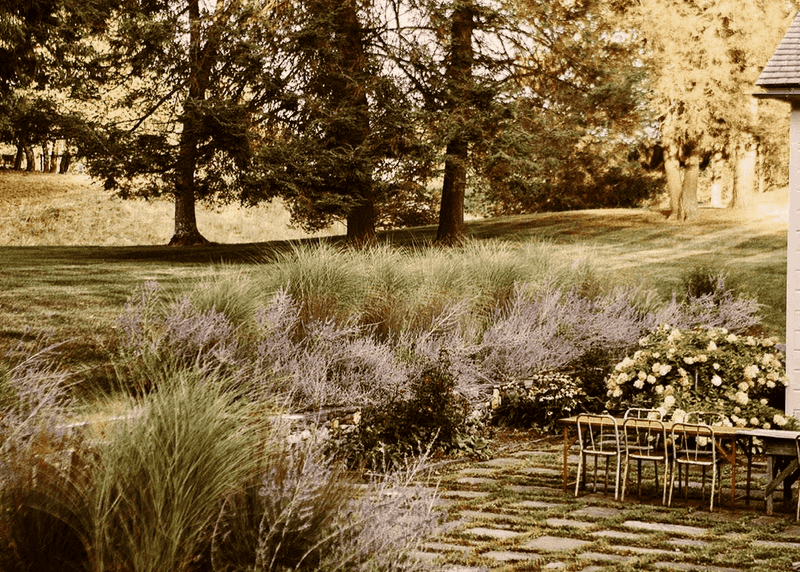
Copper stems can carry a garden through the months when flowers have faded. Little bluestem offers that seasonal color along with upright clumps and fluffy seed heads, particularly in suitable North and Central Florida settings.
Use a Florida-appropriate selection from a knowledgeable nursery rather than choosing a plant only because its catalog photo looks good. Local climate, drainage, and the source of the plant all affect how well it settles in.
A sunny, well-drained site usually suits it better than a heavily watered lawn bed. Too much fertilizer or moisture can encourage weak growth, so resist treating it like hungry turfgrass.
Standing stems provide structure and cover through the cooler season. Along an open field or large rural yard, that cover can contribute to small-mammal habitat, although it may also conceal prey when growth becomes too dense.
Think of little bluestem as one piece of a larger landscape. Nearby open land, safe nesting opportunities, and the absence of rodent poison matter more to barn owls than any single ornamental grass.
5. Broomsedge Bluestem
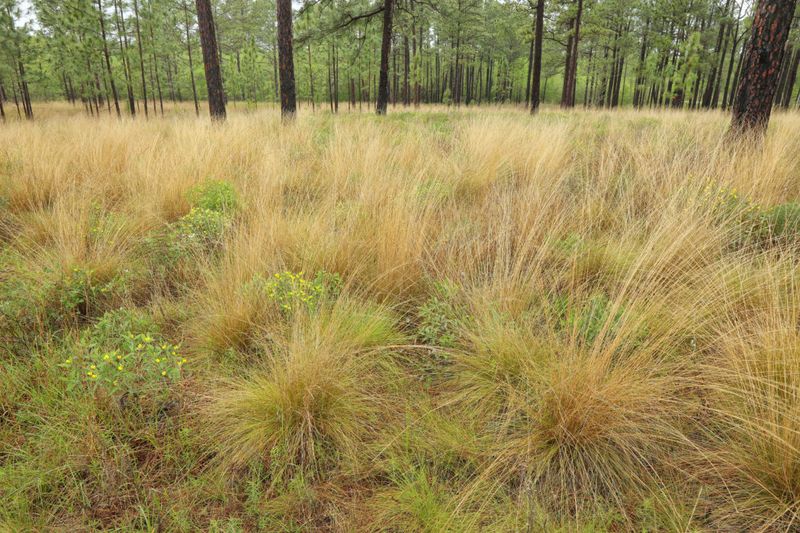
That golden grass along an old fence may deserve a second look before the mower arrives. Broomsedge bluestem is a native bunchgrass that often appears in sunny, disturbed places and brings warm color to a natural garden.
Despite its name, it is a grass, not a true sedge. Its upright stems make a useful transition between a managed yard and a rougher field, especially where a neat ornamental bed would look out of place.
For a controlled effect, keep a defined patch and mow a clear border around it. That simple frame helps the planting look intentional and leaves accessible ground beside the taller cover.
Seeds and shelter can benefit wildlife, but do not assume every visiting small mammal becomes owl food. Barn owls need to locate and reach prey, and thick vegetation can make both tasks harder.
Check local landscape rules before allowing a large naturalized area. A tidy edge, clear sightlines, and space away from buildings make this practical native easier to live with, whether an owl ever passes overhead or not.
6. Switchgrass
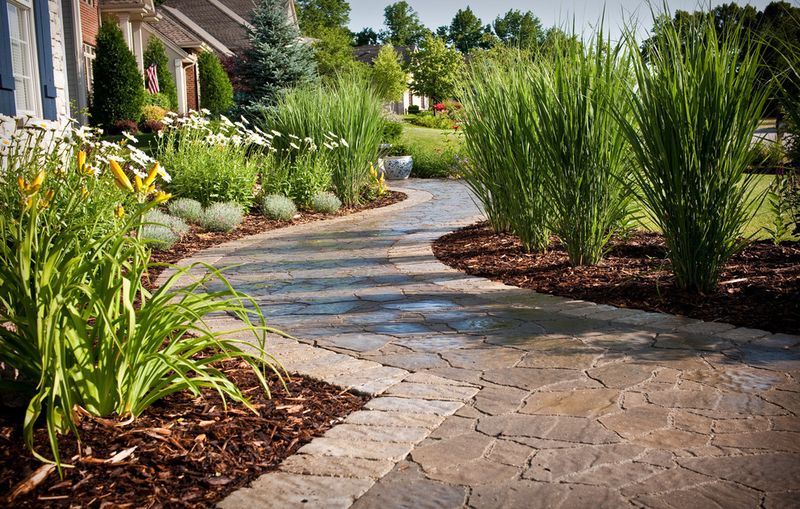
Some yards have a low corner where drought-loving grasses never seem happy. Switchgrass can fill that gap in appropriate sunny sites, with many selections tolerating moist soil better than plants meant for dry sand.
Size deserves attention before you buy. Depending on the plant and growing conditions, switchgrass can become a substantial clump, so it belongs in a roomy bed rather than a narrow strip beside the front walk.
Its seeds and dense base add food and shelter to a wildlife planting. Yet a solid stand of tall switchgrass is not automatically good hunting ground, because small animals may remain safely hidden beneath it.
Place it in limited groups near a broad opening, and keep drainage routes and maintenance access clear. Ask a local native nursery which Florida-suitable plants fit your soil and region.
Do not use extra irrigation simply to encourage prey animals. The goal is a well-matched landscape that can support wildlife naturally, not a rodent nursery or a promised solution to underground mole tunnels.
7. Eastern Gamagrass
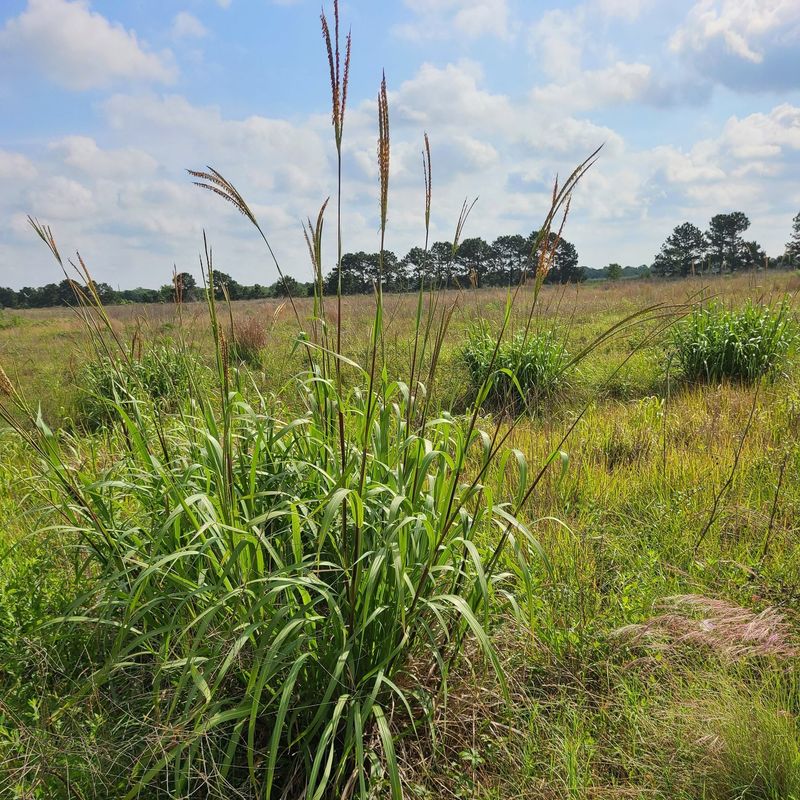
Broad leaves give this native a bold look that finer grasses cannot match. Eastern gamagrass forms large clumps and works best on properties with enough room for a sturdy, meadow-like planting.
It is often suited to sunny, moist locations, though site conditions still matter. Before planting, picture the mature clump rather than the small nursery pot, and leave generous clearance from walkways, fences, and equipment routes.
The heavy growth can offer shelter for small mammals and other wildlife. For a barn owl, however, shelter becomes useful hunting habitat only when prey moves into a place the bird can reach.
That makes layout the key decision. A limited patch beside an open grassy lane is more sensible than filling the entire backyard with tall, close-packed leaves.
On a small suburban lot, this grass may simply be too much plant. On a larger rural property, it can add a different layer to a native border, but planting it should never be sold as evidence-based mole control or a guarantee of nightly owl patrols.
8. Inland Sea Oats
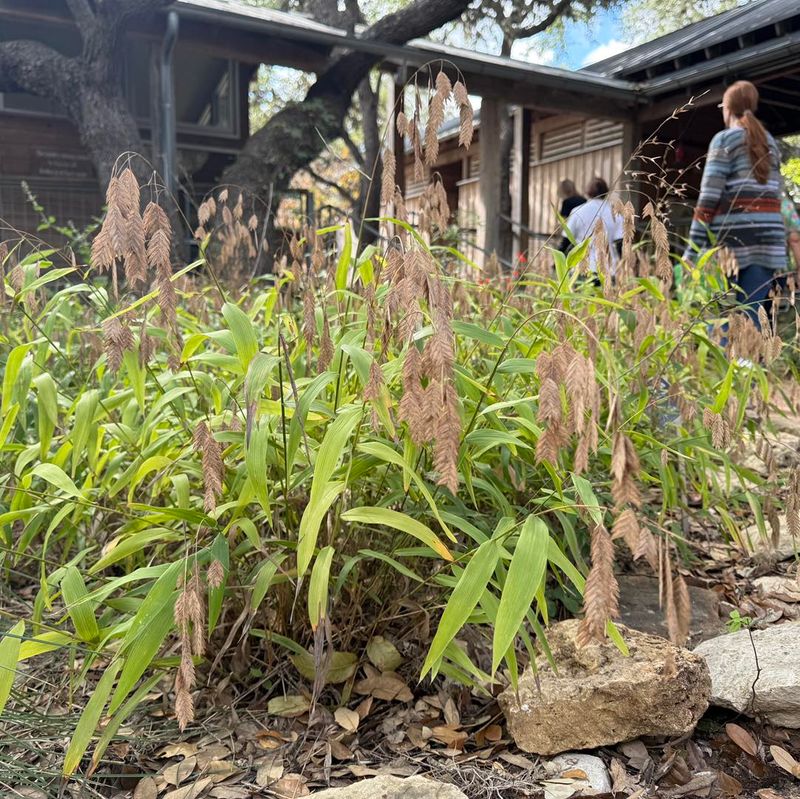
Flat seed heads dangle like tiny ornaments when inland sea oats catches a breeze. For suitable North Florida gardens, this native grass offers a different option from the sun-loving species that dominate meadow lists.
It handles partial shade and moist, well-drained soil, making it useful near a lightly wooded edge. It is not the same plant as the sea oats that anchors Florida’s coastal dunes.
Give it a defined bed because it can spread by seed where conditions suit it. Removing some seed heads can help manage unwanted seedlings, though it also reduces the seed left for wildlife.
Its place in an owl-minded landscape is limited but practical: it can soften the transition from trees to an open yard. Barn owls generally favor open hunting areas rather than a closed woodland understory.
Keep low branches and crowded shrubs from turning that transition into a solid barrier. Choose inland sea oats because it fits the site and adds seasonal interest, while treating any possible contribution to owl habitat as a bonus rather than the main promise.
9. Elliott’s Lovegrass
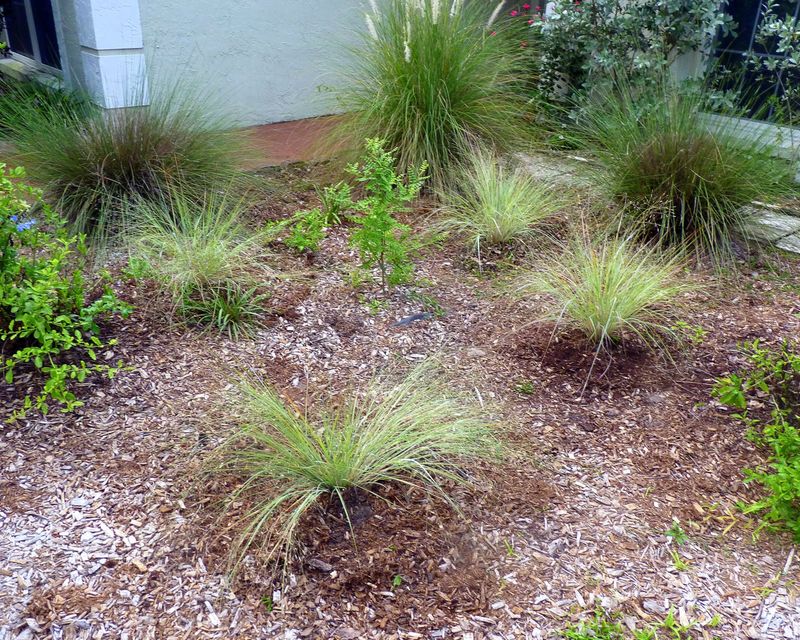
Morning light can make a pale spray of grass flowers look almost silver. Elliott’s lovegrass brings that airy texture to Florida gardens, with fine foliage that fits comfortably into a less formal planting.
Its useful distinction is flexibility in design. A few clumps can sit among wildflowers or repeat along an open border without giving the yard the heavy appearance of a tall grass screen.
Choose a sunny location with suitable drainage, and ask the nursery about mature size and local performance. Leave space between young plants rather than crowding them for an instant finished look.
As with other native grasses, its contribution to a food web comes through seed, cover, and the animals that use the planting. There is no established evidence that Elliott’s lovegrass specifically draws barn owls or causes them to catch more moles.
Keep the surrounding habitat in perspective. A quiet property beside pasture or other open land offers a different opportunity from a tiny enclosed yard, and adding more grass cannot erase that difference.
10. Seaside Goldenrod
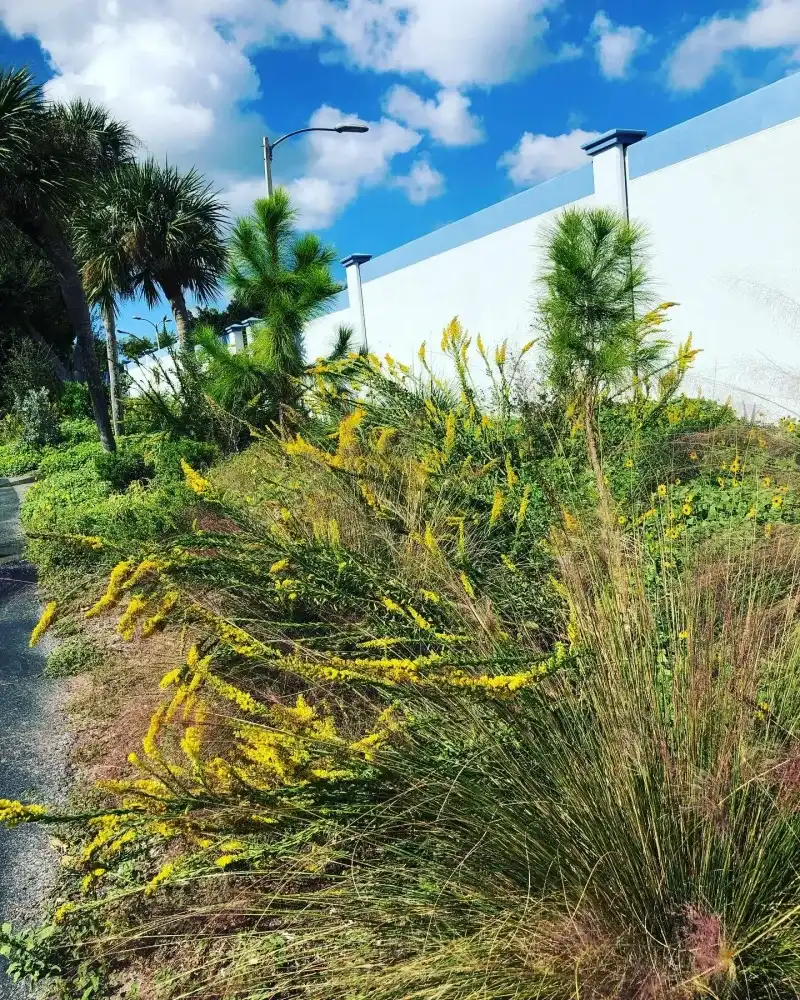
Yellow flower spikes bring a welcome change after a long lineup of grasses. Seaside goldenrod adds a flowering layer to suitable Florida landscapes, especially sunny coastal settings where salt exposure limits other choices.
Its clearest benefit is for flower-visiting insects, not barn owls. Mixed with native grasses, it helps create a more varied border, but any link to owl hunting is indirect and should not be overstated.
Allow for its mature height and spread, and keep taller plants toward the back of the bed. Leave an open area beyond the planting rather than letting the whole yard grow into dense cover.
The best final step is removing hazards, not buying another plant. Avoid rodent poisons that can expose predators through contaminated prey, and seek local expert advice before installing an owl nest box.
If mole tunnels remain, identify the animal and discuss targeted options with your county Extension office. Moles mainly hunt underground invertebrates, so an owl-friendly border can be a worthwhile wildlife project without being an effective answer to the tunneling beneath your lawn.