
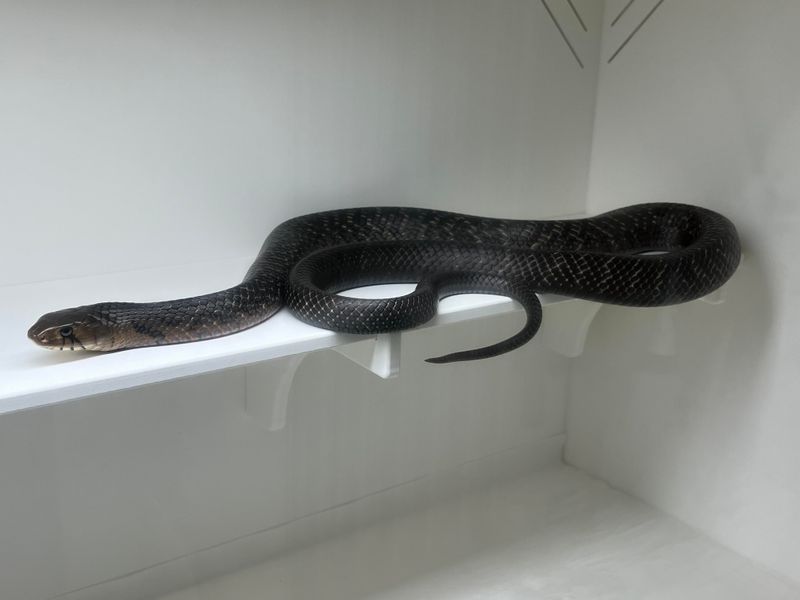
A big, glossy black snake gliding across a South Texas yard is a sight worth remembering, and a Texas indigo snake can use the right kind of yard. These native snakes are listed as threatened by the state, so every encounter is special.
Seeing one is good news because it shows a rare native animal found a place to live and travel. Here is what a sighting means, what it does not prove, and how to treat the snake with care.
A yard sighting is a meaningful encounter
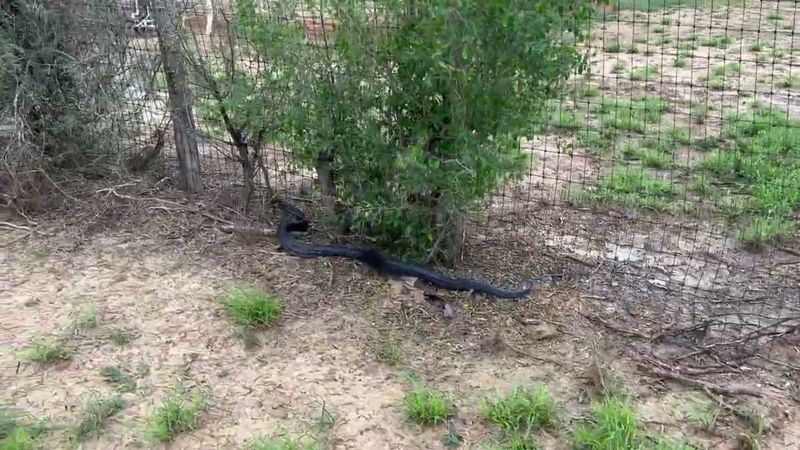
A Texas indigo snake may use a South Texas yard when the right shelter and surroundings are nearby. That is the encouraging part, and it is a real reason to feel lucky if one slides past your fence line.
Here is the careful part. The state lists this animal as threatened, according to the Texas Parks and Wildlife Department list of protected reptiles and amphibians.
The sources reviewed for this article do not show that yard sightings are rising or that the population has recovered. No one has published a count over time that could prove a comeback.
So think of a sighting as one individual snake on one day. It is noteworthy, and it is worth a story at the dinner table.
But a single visit does not prove that your yard supports a population of indigo snakes, or that the species is doing better across the region.
Why does that difference matter? Because habitat use and a regional trend are two separate questions.
A snake can pass through a yard while still depending on much larger stretches of land. A small, older TPWD telemetry project recorded big movements by tracked snakes, which hints at how far these animals may roam.
Enjoy the moment from a respectful distance, and let the snake go on its way. The rest of this article covers what the snake is, what places it uses, and what to do if you meet one.
A South Texas native with threatened status
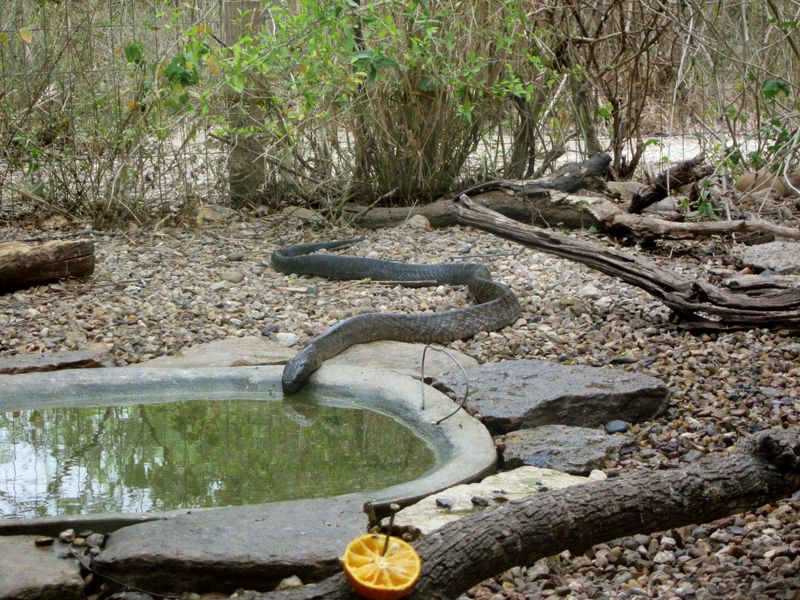
Few reptiles in Texas look as striking as this one. The Texas indigo snake, Drymarchon melanurus erebennus, is a large, nonvenomous snake with shiny blue-black scales.
It is a true Texas native.
According to Texas Parks and Wildlife magazine, its range covers South Texas and northern Mexico. Some records reach as far north and west as the southern edge of the Edwards Plateau.
If you live in that part of the state, you live in indigo country.
Do not mix it up with the eastern indigo snake, Drymarchon couperi. That is a different snake that lives in the Southeast.
Facts about the eastern species, including its federal protections, should not be applied to the Texas animal.
The Texas indigo snake is listed as state threatened on the current TPWD listed species table. That same table leaves the federal-status field blank for this snake.
A blank field is not a federal listing, so it is best not to call the snake federally protected or endangered.
Threatened status means the animal needs care, not that it is common or recovered. Treat every sighting as a notable meeting with a native that has a real conservation story.
The snake depends on more than one yard
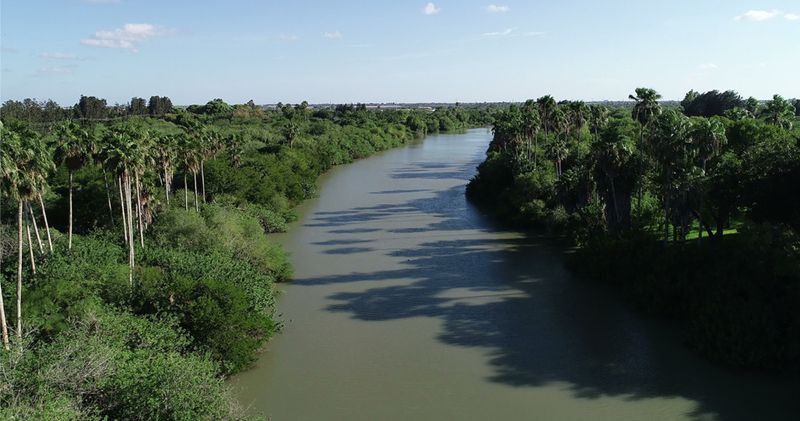
Out in the wild, Texas indigo snakes are tied to thornbush-chaparral and to areas along rivers and creeks. A U.S.
Army Corps of Engineers habitat table drawing on TPWD information also points to moist shelter, such as rodent burrows, as part of what they use.
Their menu is wide. Texas Parks and Wildlife magazine reports a varied diet of frogs, lizards, small mammals, turtles, birds, and other snakes.
Rattlesnakes are among the possible prey, but that does not mean an indigo will clear your property of them or of any other pest.
Now think about space. In an older TPWD research highlight, tracked snakes made large movements, and the project reported preliminary home ranges.
The sample was small and the study was still ongoing, so those numbers are early clues rather than final answers.
The practical lesson is simple. A snake that travels widely may cross many properties in a season.
One burrow, one brush corner, or one sighting cannot show that a particular yard holds a resident snake.
That is why the land around your home matters as much as the yard itself. Protected corridors, creek edges, and brushy ground nearby may do more for a wide-ranging animal than any single backyard feature.
What a South Texas yard may offer
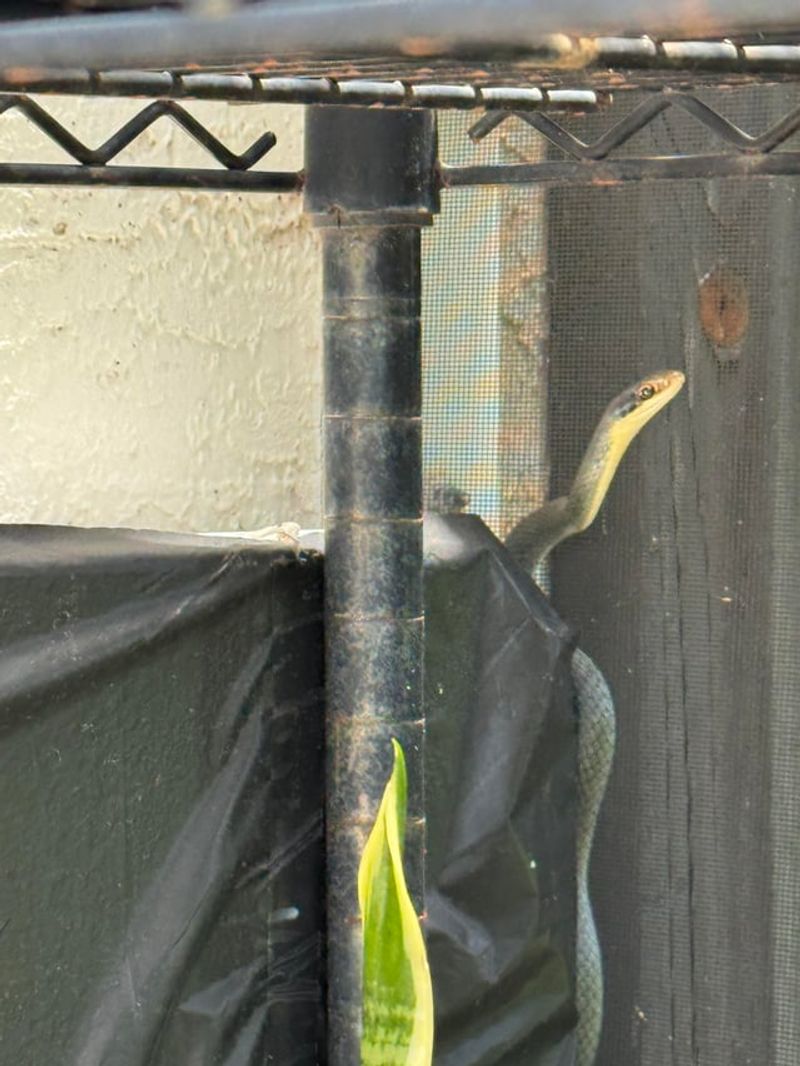
Yards and wild land are not always worlds apart. The Corps report, drawing on TPWD information, says Texas indigo snakes can do well in suburban or irrigated areas if they are not disturbed or indirectly poisoned.
You can read that in the Corps habitat table.
Notice the wording. The finding says these places may be used under suitable conditions.
It does not say that a sprinkler, a flower bed, or a quiet corner will bring an indigo snake to your door.
Picture a neighborhood near a creek or a patch of native brush. Moist ground, burrows, and cover could overlap with a few backyards there.
A snake moving through that mix might cross a lawn, pause by a fence, and keep going.
The phrase about indirect poisoning is worth a pause. A snake that eats an animal exposed to poison could be harmed, even if no one ever aimed at the snake.
For that reason, how a neighborhood handles pest problems can matter to wildlife passing through.
The takeaway is about overlap, not a formula. Some yards in South Texas sit close enough to real habitat that a native snake may pass through, and living alongside it mostly means leaving it alone.
No yard change guarantees an indigo snake
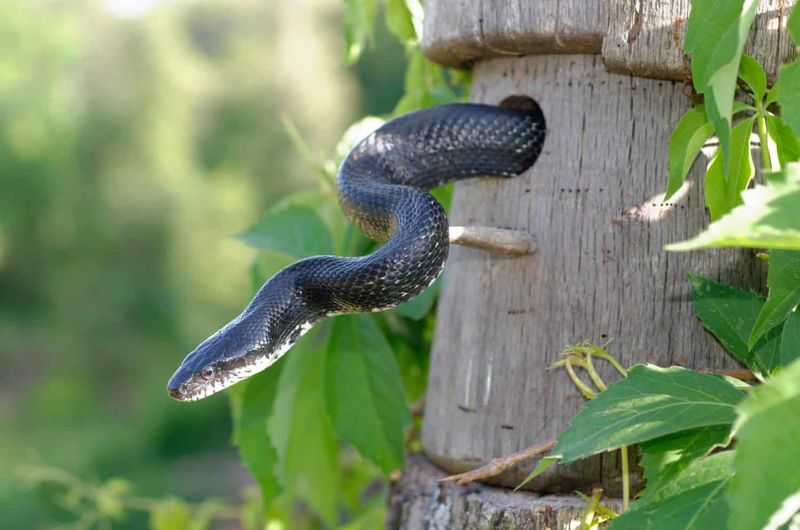
Plenty of homeowners ask what to change to welcome one of these snakes. The honest answer is that no single yard change is proven to bring a Texas indigo snake back.
Protecting suitable South Texas habitat, and avoiding disturbance or indirect poisoning, is better supported by the Corps habitat information.
There is general snake advice out there, and it points in two directions. According to the TPWD snake FAQ, cover such as brush piles, rock piles, and logs can attract snakes in general.
For people who want fewer snakes, TPWD suggests removing shelter and controlling rodents and insects.
Keep in mind that this is general snake-management guidance. It is not written specifically for Texas indigo snakes, and it does not promise that an indigo will show up if you leave a log pile in place.
The two goals simply pull in different directions. Someone who enjoys wildlife may leave natural cover alone, while someone worried about snakes may tidy it up.
Either choice is a personal call, and neither one is a guarantee.
If you want to help, think bigger than the patio. Keep native brush where it already grows, go easy on chemicals, and skip poisons aimed at rodents, since they can travel up the food chain.
If one appears, give it room to leave
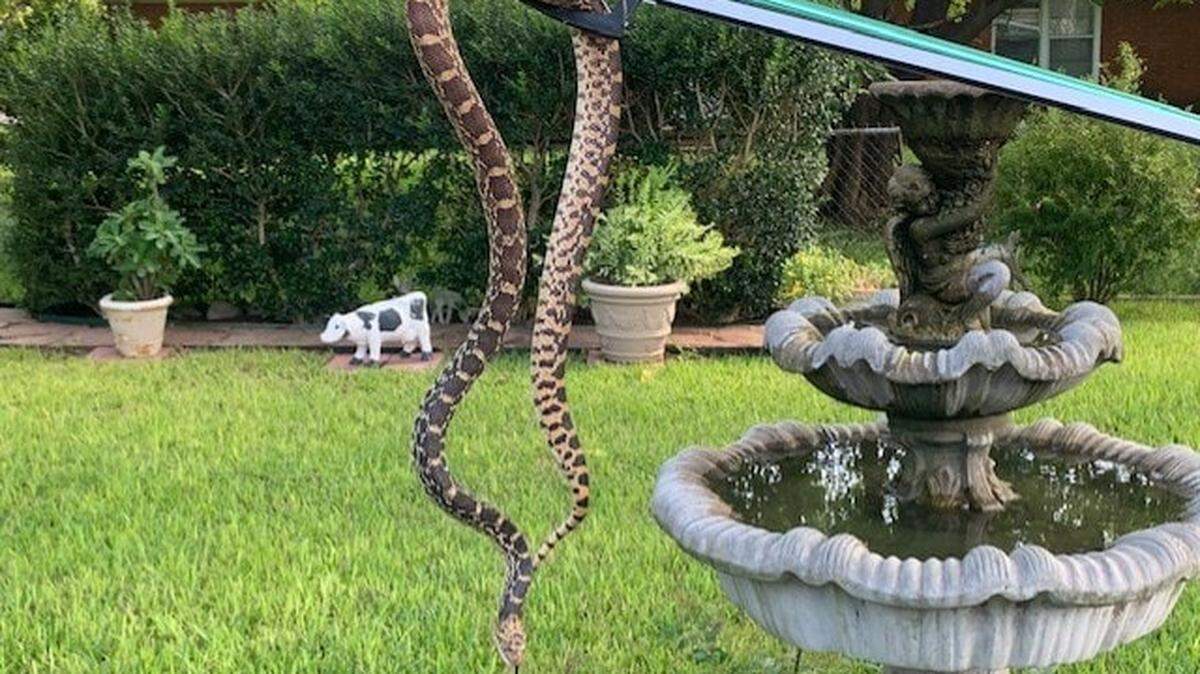
Stay calm and stay back. Move children and pets indoors or well away, and give the snake a clear path so it can leave on its own.
Most snakes want nothing to do with people and will move along if left alone.
Do not try to catch, handle, or carry it somewhere else. The Texas Department of State Health Services advises against handling snakes without proper training, and even a nonvenomous snake can bite.
There is a legal side too. Under TPWD species protection rules, taking, possessing, transporting, or selling a state-listed threatened animal requires a permit.
That means moving one to a neighbor’s field or a nearby preserve is not something to do on your own.
If you want to remember the visit, take a photo from far away with a zoom lens or a phone held at arm’s length. Never lean in for a better shot, and do not touch the snake to figure out what kind it is.
Once the snake is gone, you can go back to your day. If a snake stays put somewhere unsafe, call a local wildlife official or TPWD office for advice instead of handling it yourself.
Protect suitable habitat and value the sighting
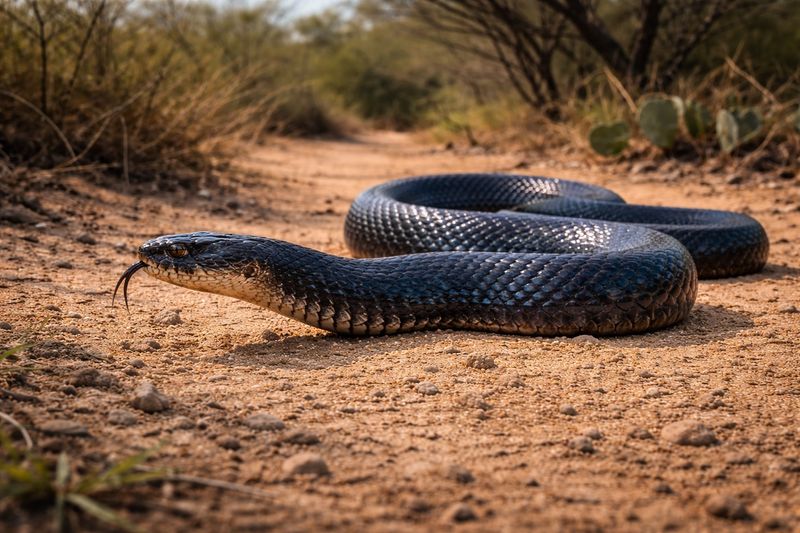
A Texas indigo snake in your yard is a notable encounter, and it is not proof of a regional comeback. The Corps habitat table says suburban and irrigated areas may be used, so the best thing a neighbor can do is protect nearby habitat and avoid disturbing or poisoning wildlife.
Respond with care, since the snake is listed as threatened on the state list. No one can promise it will return.
Some days, the best wildlife story is simply a dark, shining snake crossing the lawn and carrying on into the brush.