

Creeping Charlie looks harmless at first, with its tiny scalloped leaves and cute purple flowers. Then one day you notice it has crawled across half your yard and choked out the grass.
The good news is you can fight back without spraying a single chemical. Late winter and early spring are the perfect time to strike, and these eight tricks will help you win back your lawn.
1. Hand-Pull After a Good Rain
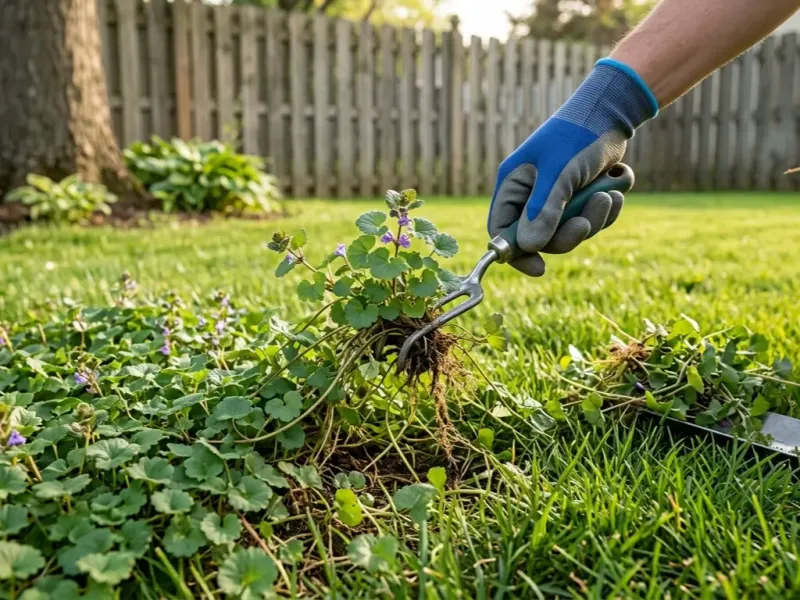
Picture a long, stringy vine sliding out of wet soil, roots and all, like pulling a loose thread from a sweater. That satisfying moment is exactly why timing matters with Creeping Charlie.
Dry ground grips the roots tightly, so they snap and leave pieces behind.
Wait until a soaking rain or give the patch a deep watering the evening before. The next morning, grab a runner near its base and pull slowly, following it as it unravels across the lawn.
Each node along the stem can sprout new roots, so try to lift the whole network rather than yanking the leafy tops.
Work in small sections so you don’t get overwhelmed. A garden knife or dandelion weeder helps loosen stubborn clumps without tearing up too much grass.
Toss every scrap into a bag, never the compost pile, because even tiny pieces can root and start over.
Plan on repeating this every couple of weeks through spring. Fresh sprouts pop up from missed bits, but they come out much easier when young.
Patience really pays off here, and many gardeners say this simple chore cleared more ivy than anything else they tried.
2. Smother Patches With Cardboard
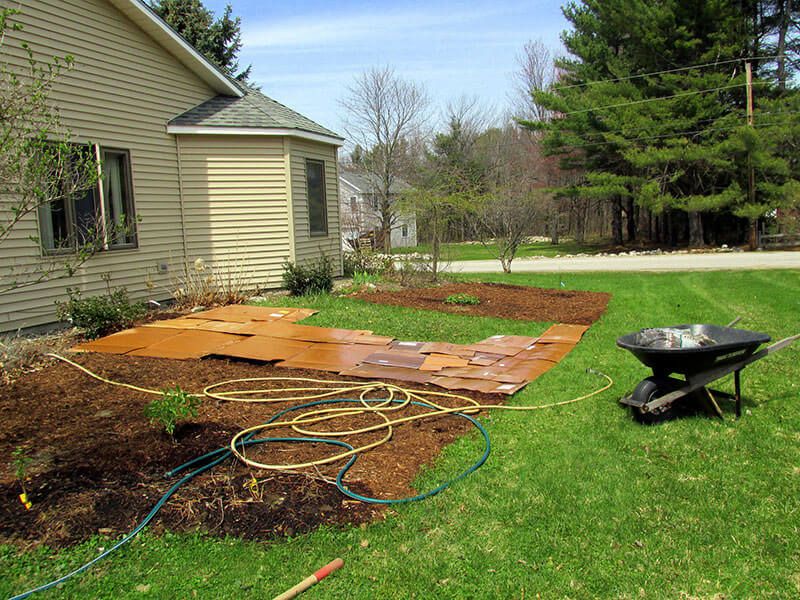
Old moving boxes finally have a job worth doing. When Creeping Charlie has taken over a whole corner, pulling it strand by strand feels hopeless.
Smothering it is the lazy gardener’s secret weapon.
Flatten plain brown cardboard, peel off any tape, and lay it right over the infested area. Overlap the edges by several inches so no light sneaks through.
Wet it down with a hose and pin it with bricks, rocks, or a layer of mulch so wind can’t carry it off.
Without sunlight, the plant can’t make food. Within six to eight weeks, most of the ivy underneath will turn pale, weak, and mushy.
Earthworms love the damp, dark conditions too, and they’ll start breaking the cardboard down into the soil.
Start this in late winter and you’ll have a clean slate by mid-spring. Pull back the cardboard, rake out leftover stems, and you’re ready for fresh seed or sod.
Just keep in mind it also kills grass in that spot, so save this trick for patches that are already more ivy than lawn. Think of it as a reset button rather than a quick touch-up.
3. Raise Your Mower Blade

Here’s a surprise for anyone who loves a golf-course buzz cut: short grass is practically a welcome mat for Creeping Charlie. The ivy hugs the ground and thrives when sunlight reaches the soil.
Taller grass shades it out.
Set your mower to cut at about three to four inches for most cool-season lawns. That extra height helps grass blades cast shade, keep soil cooler, and grow deeper roots.
A thick, tall lawn simply leaves less room for low-growing weeds to sprawl.
Follow the one-third rule too. Never remove more than a third of the blade height in one mowing, or you’ll stress the turf and open gaps.
Keep your blade sharp as well, since ragged cuts weaken grass and invite trouble.
Here’s a fun detail: Creeping Charlie is actually in the mint family, which explains that fresh, herbal smell when you mow over it. Enjoy the scent, but don’t let it fool you into trimming low.
Changing this single habit costs nothing, takes zero extra time, and quietly tilts the battle in your grass’s favor every week of the growing season.
4. Overseed Thin Spots Early
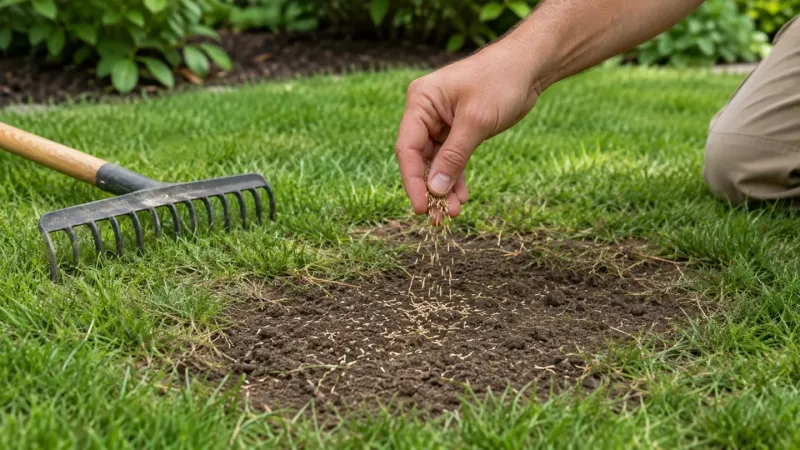
Nature hates an empty space, and Creeping Charlie is always first in line to fill it. Every bare or thin spot in your lawn is an open invitation.
Your best defense is crowding it out with healthy grass.
As soon as the ground thaws and you’ve pulled or smothered the ivy, rake those areas to loosen the top layer of soil. Spread a quality grass seed suited to your region and conditions.
Shade-tolerant fescues work wonders where Creeping Charlie loves to hide, under trees and along fences.
Press the seed lightly into the soil with the back of a rake or by walking over it. Keep the area evenly moist until sprouts appear, usually within one to three weeks.
A thin sprinkle of compost on top helps hold moisture and feeds the young grass.
Overseeding the whole lawn in early fall gives you a second boost before winter. Dense turf leaves the ivy squeezed for space, light, and nutrients.
Over a couple of seasons, you’ll notice fewer runners sneaking in, because there’s simply nowhere left for them to land. It’s slow, steady progress that lasts.
5. Fix Soggy, Compacted Soil
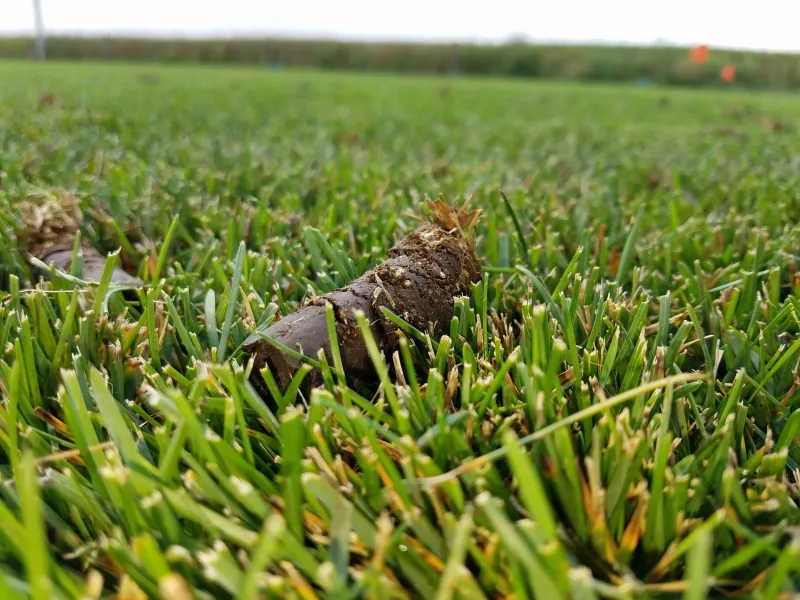
Ever notice Creeping Charlie piling up in that one damp corner where the grass always struggles? That’s no accident.
The ivy adores moist, poorly drained, compacted ground that grass finds miserable.
Core aeration is a game changer. A rented aerator pulls small plugs of soil out of the lawn, letting air, water, and nutrients reach grass roots.
Do it when the soil is moist but not muddy, ideally in spring or fall.
Look at your drainage, too. Downspouts dumping water onto the lawn, low spots that puddle, and heavy clay all create ivy heaven.
Redirect downspouts with an extension, fill dips with a mix of topsoil and compost, and avoid watering so often that the ground stays soggy.
Water deeply but less frequently, about once or twice a week, instead of daily sprinkles. Grass roots grow deeper chasing that moisture, while the shallow-rooted ivy dries out and weakens.
Changing the soil itself means you’re not just pulling weeds, you’re making your yard a place they no longer want to live. That’s the difference between fighting Creeping Charlie forever and actually getting ahead of it.
6. Let More Sunlight In
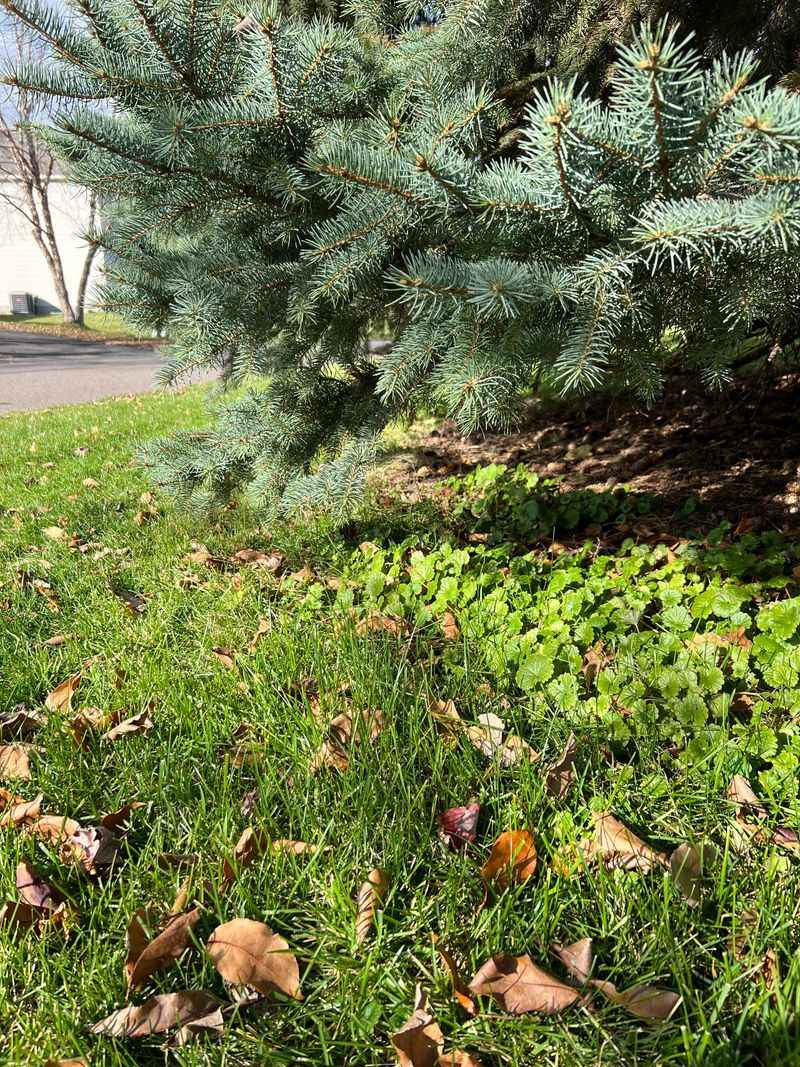
Shade is Creeping Charlie’s favorite hideout. Under big maples, along north-facing walls, and beneath dense shrubs, grass fades while ivy spreads happily.
Giving your lawn more light shifts the advantage right back.
Late winter, while trees are bare, is a great time to prune. Remove low or crossing branches to lift the canopy and let dappled sunlight reach the ground.
Even a few extra hours of light each day can make a big difference for struggling turf.
For big trees, call a certified arborist rather than climbing a ladder with a saw. Thin out overgrown shrubs too, and consider moving lawn furniture or play equipment that casts shade on the same spot all season.
Some areas will stay shady no matter what. In those places, be realistic.
Swap grass for a shade-loving groundcover, a mulched bed, or hostas and ferns that don’t fight for light. Interestingly, early settlers used Creeping Charlie to clarify and flavor beer, earning it the nickname alehoof.
It’s tough and stubborn, but even this hardy plant struggles when a strong, sun-fed lawn is pushing back from every side.
7. Try a Vinegar Spot Treatment
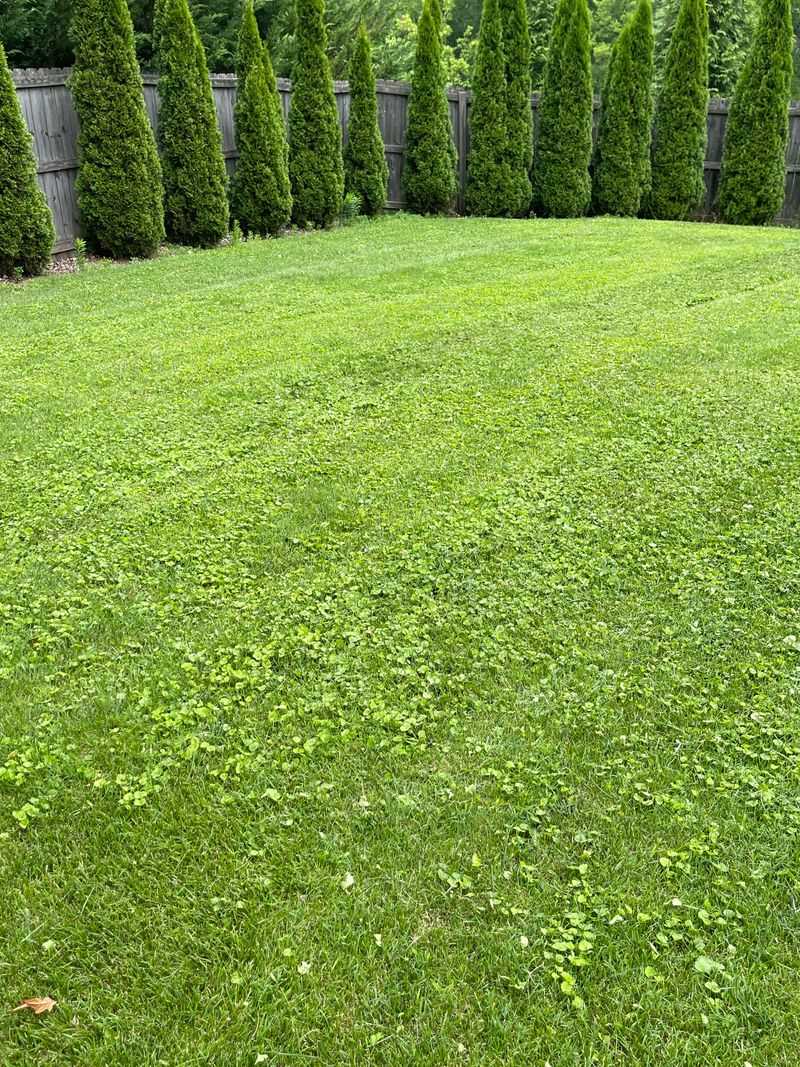
Kitchen staple, meet garden villain. Plain vinegar can burn back Creeping Charlie in spots where precision matters, like sidewalk cracks, patio edges, and garden borders.
Regular household vinegar has about five percent acetic acid, which works on tender young growth. Horticultural vinegar is stronger and acts faster, but handle it carefully with gloves and eye protection.
Add a small squirt of dish soap so the liquid clings to those waxy leaves.
Spray on a sunny, calm, dry day for best results. The leaves will wilt and brown within hours.
Be warned, though: vinegar isn’t picky. It will damage grass and flowers just as easily, so aim carefully or shield nearby plants with a piece of cardboard.
Vinegar burns the top growth but often leaves roots alive, so expect regrowth. Treat it as one tool in your kit, not a miracle cure.
Follow up by pulling any sprouts that return, and repeat sprays as needed. For tight spaces where digging is awkward, it’s a handy, inexpensive option that keeps harsh synthetic chemicals out of your yard.
8. Build Borders to Block Invasions

Sometimes the enemy isn’t in your yard at all. It’s creeping in from a neighbor’s lawn, a shady fence line, or a wild patch along the property edge.
You can clear every runner and still watch it march right back in.
That’s where physical barriers come in. Install sturdy landscape edging, made of metal, plastic, or stone, at least four to six inches deep between lawn and beds.
A clean trench edge cut with a spade every few weeks also works, since it severs runners trying to cross over.
Along fences, keep a narrow strip of mulch or gravel that you can easily scan. Stray vines are much easier to spot and pull on bare ground than when they’re tangled in grass.
Talking with your neighbor helps too. If they’re dealing with the same problem, teaming up on shared borders saves both of you endless frustration.
Check your edges every couple of weeks in spring, when runners grow fastest. A little routine patrol keeps your hard work protected.
Combined with the other tricks, these borders help make sure Creeping Charlie stays out for good.