
Walk out to your yard in fall and your hydrangea may look like it gave up overnight. Crispy brown leaves can be a normal seasonal change, but sometimes they hint at stress.
A few simple checks can tell you what your shrub needs and what it does not. Here is how to read the clues and decide if watering makes sense where you live.
Is fall browning always dormancy?
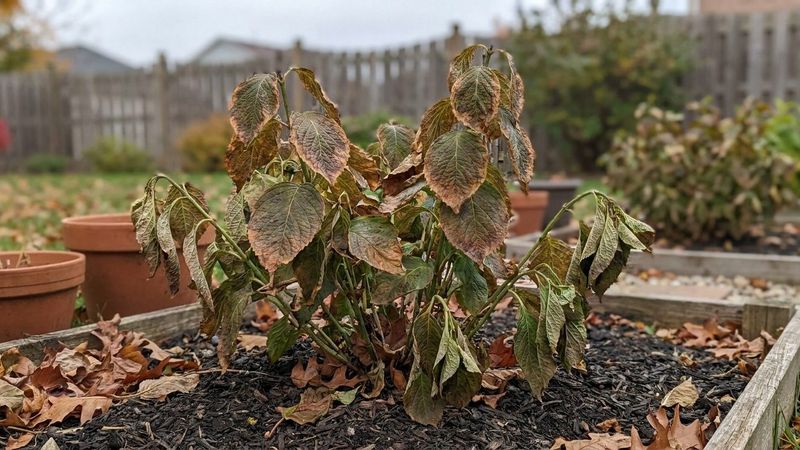
Deciduous hydrangeas are built to change in fall. Their leaves shift color and eventually drop as days shorten and temperatures cool.
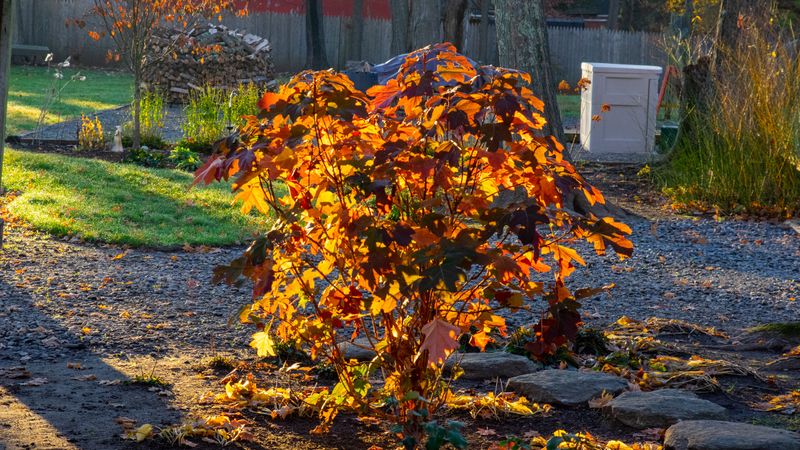
UF/IFAS describes oakleaf hydrangea as deciduous with purple fall color, which is a good example of leaf change that is perfectly normal.
Brown and crispy is a different look, though. Dry brown foliage does not prove your shrub is settling into dormancy, and it does not prove the plant is in trouble either.
Leaves can look rough for more than one reason, and color alone cannot tell you which one you are seeing.
Another possibility is leaf scorch, which can leave dry brown edges or patches. You cannot name it just by looking at one leaf from across the yard.
The next sections show how to narrow things down, so you can respond to what is actually happening instead of guessing.
Crispy edges can point to leaf scorch
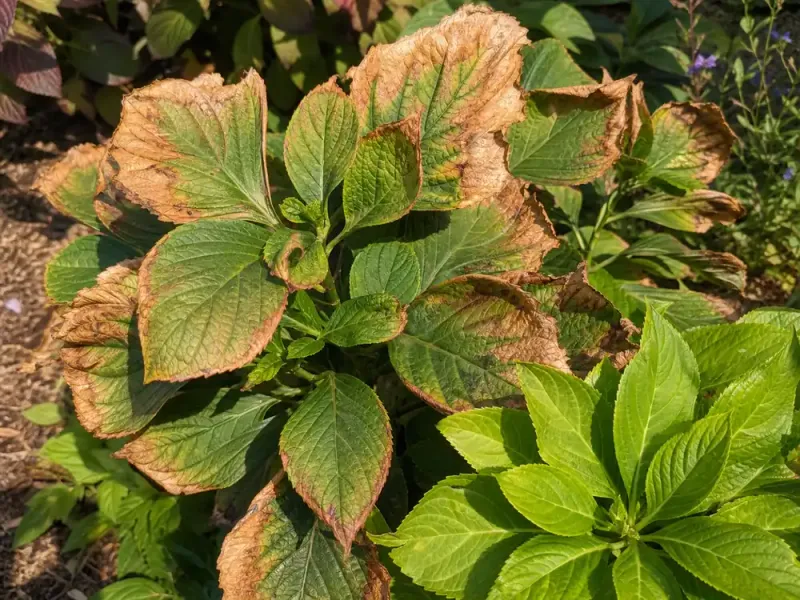
Dry brown tips, edges, or blotches are the classic look of leaf scorch. According to Washington State University Extension, scorch happens when leaves lose water faster than the roots can supply it.
The leaf simply dries out at its farthest points first.
Several things can set that up. Documented contributors include too little watering, strong light, heat, dry wind, and problems with the roots or stems.
A hydrangea on a sunny, windy corner of a Texas patio may scorch for different reasons than one tucked beside a Florida fence.
Minor scorch does not mean the shrub is dying. It is often more of a cosmetic issue, and the plant can carry on.
Severe or repeated damage deserves a closer look, though. If the same shrub scorches year after year, look at where it is planted, how much sun and wind it gets, and how the soil holds water.
Those clues point toward a real fix.
Check the soil before adding water
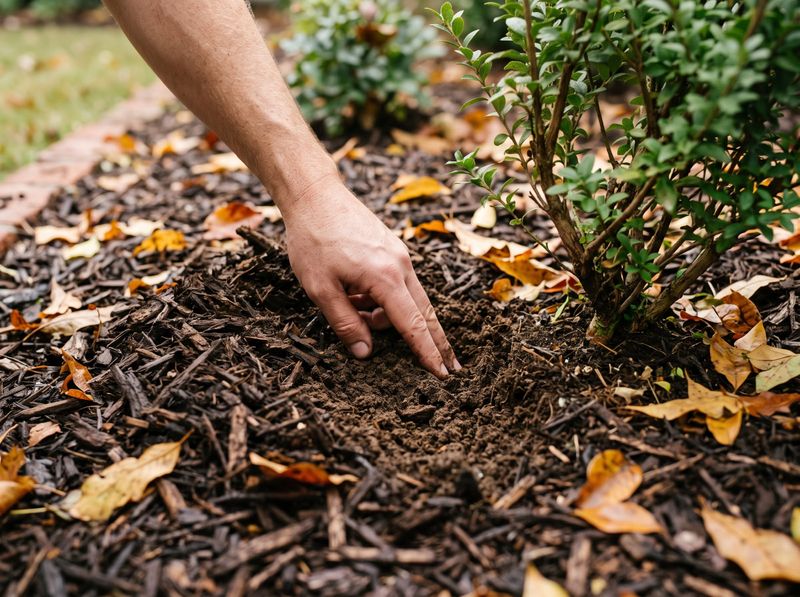
A calendar cannot tell you whether your soil is dry. Your fingers and a small trowel can.
University of Minnesota Extension suggests checking the root zone 6 to 9 inches down and watering when it feels dry.
If it is dry, soak the whole root zone slowly and deeply instead of giving the plant a quick sprinkle. Pull back the mulch, dig a small hole, and feel the soil a short way out from the base of the shrub.
If the soil is already moist, hold off. Extra water will not help, and overwatering can harm roots.
Soil that stays soggy or drains poorly is a reason to skip the hose, not reach for it.
Keep in mind that this is general shrub guidance, not a fixed hydrangea rule or a schedule built for every Southern yard. Rain, soil type, and how long the shrub has been in the ground all change what you will find.
Pre-freeze watering depends on conditions
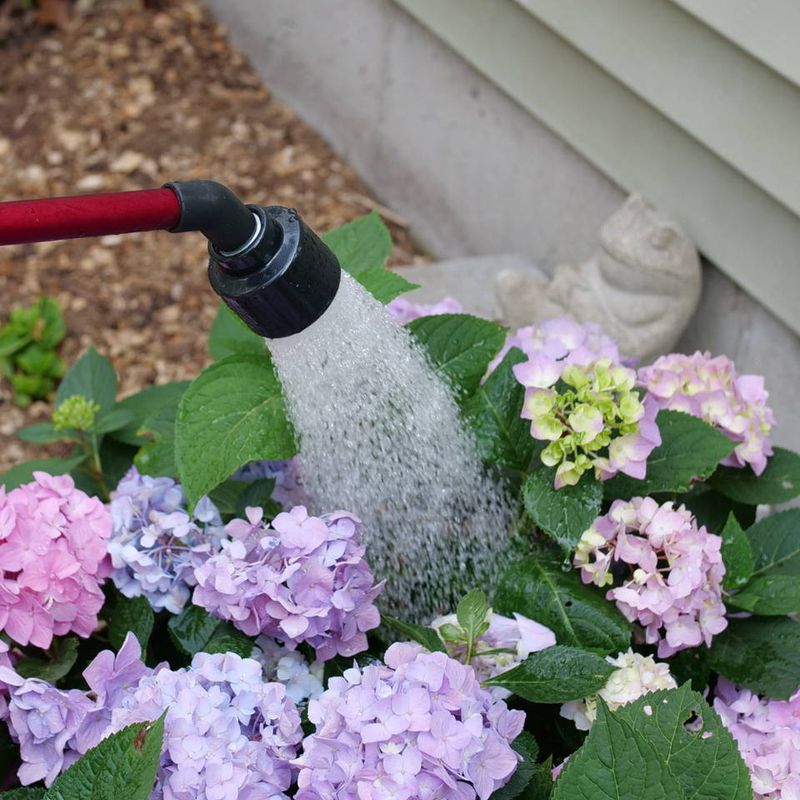
Where the ground freezes, watering woody plants before freeze-up can make sense after a dry fall. University of Minnesota Extension and University of Georgia Extension both discuss winter protection for ornamental plants.
The key word is conditional: it depends on a dry fall.
It is not a required hydrangea chore, and it does not guarantee flower buds will survive or bloom. Think about recent rainfall, how well your soil drains, and whether your ground actually freezes.
A rainy fall with moist soil may need no extra water at all.
Florida gardeners have an easier call. UF/IFAS guidance says most plants generally do not need frequent winter irrigation, so water as needed and switch irrigation systems off.
Texas is so varied that there is no single schedule to follow. A soil check works better than a date on the calendar.
Hydrangea type, pruning, and cold shape next summer’s blooms
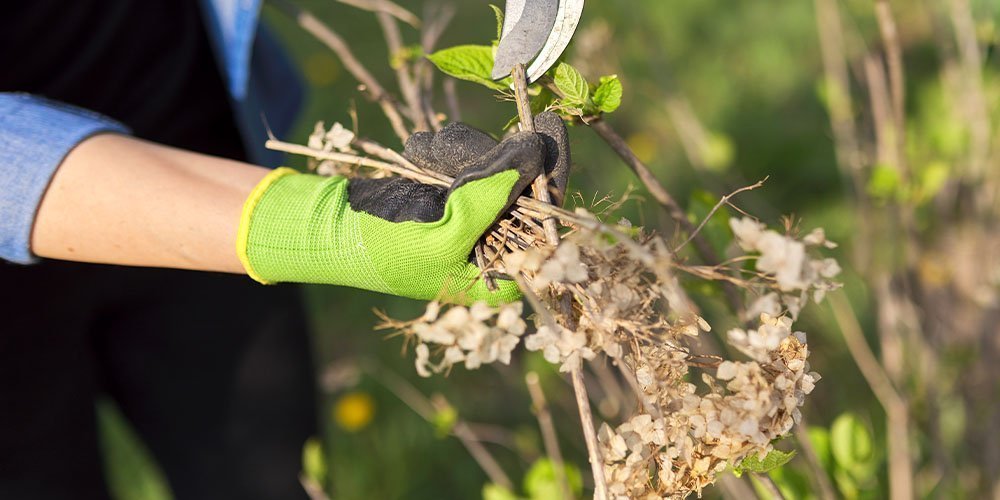
If next summer’s flowers disappoint, one missed watering is not the likely culprit. What matters more is which kind of hydrangea you grow.
UGA Extension and Penn State Extension explain that bigleaf and oakleaf hydrangeas form flower buds on old wood, while panicle and smooth hydrangeas bloom on new wood.
That difference changes your risks. Pruning an old-wood type from fall to early spring can cut off the flowers it has already set.
Penn State also notes that early or late freezes can damage bigleaf buds.
A question-and-answer entry on Ask Extension looks at bigleaf flower buds in winter, which is a reminder that cold exposure is worth checking.
New-wood types such as panicle and smooth hydrangeas do not carry the same risk, since they flower on stems grown in the current season. Pruning and cold affect each type differently, so match your troubleshooting to the hydrangea you actually have.
Treat browning as a clue, not a bloom forecast
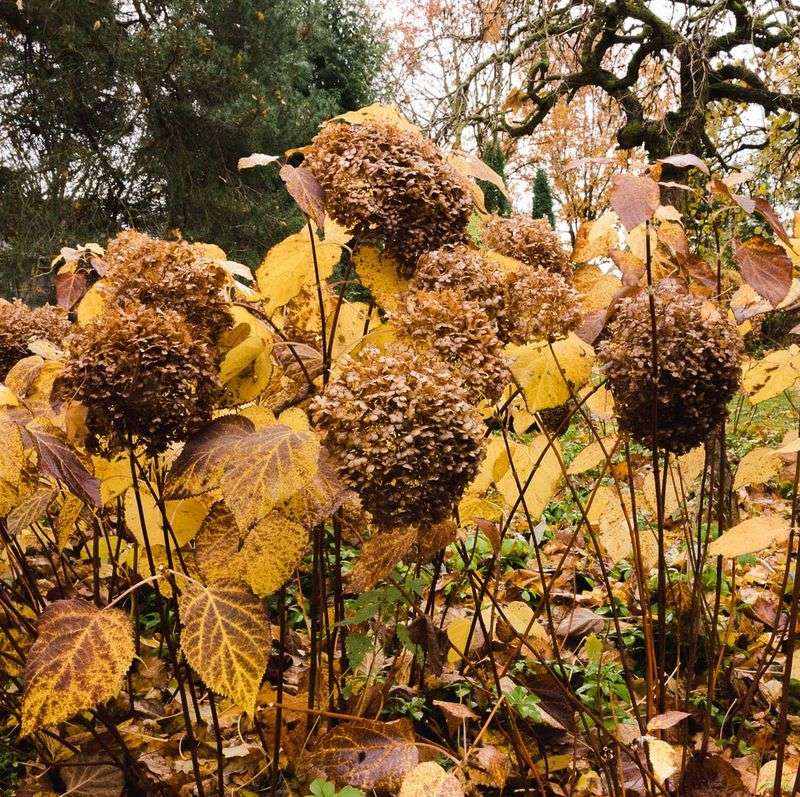
Start with the season, then look closer. Fall color and leaf drop can be normal, so check crispy leaves for possible leaf scorch.
Test the soil using the 6 to 9 inch check before you water. Water before a freeze only if your ground freezes and the soil is dry.
No single watering guarantees next summer’s flowers. If blooms are poor, look at your hydrangea type, when you pruned, and how cold exposure may have hit the buds.
A brown leaf is just a note from your plant, and the soil usually has the rest of the story.